
Laatste oordeel — History & Facts
What happens when the scales of judgment tip, and the line between redemption and despair blurs irrevocably? In the wake of societal upheaval, the brush becomes a tool of revelation. Look to the center of the composition, where the figure of Christ reigns supreme, a solemn authority amidst the swirling chaos. Notice the contrasting hues that define the figures — the vibrant reds of the saints juxtaposed against the muted tones of the damned. The meticulous detail in Holbein's brushwork draws the eye to the expressions of anguish and hope, rendering each soul's narrative palpable.
The layering of figures emphasizes depth, suggesting an infinite cycle of judgment intertwined with human emotion, while the almost sculptural quality of the figures adds a dramatic tension to the scene. Embedded within this visual cacophony lies the tension of faith versus despair, the fleeting nature of salvation against the weight of eternal consequence. Each face tells a story, reflecting the personal turmoil of an individual standing at the precipice of judgment, while the stark division between the blessed and the damned implores viewers to confront their own beliefs. The interplay of light and shadow not only illuminates the figures but also encapsulates the moral complexities of the era. Holbein created this powerful work in 1538 during a time marked by the Reformation's tumultuous waves.
Living in Basel amidst shifting religious landscapes, he was drawn to themes of mortality and morality, influenced by the rapid changes in the world of art and thought. This painting emerges not just as a portrayal of the final judgment but a reflection of a society grappling with transformation.
More Artworks by Hans Holbein (II)
Browse all →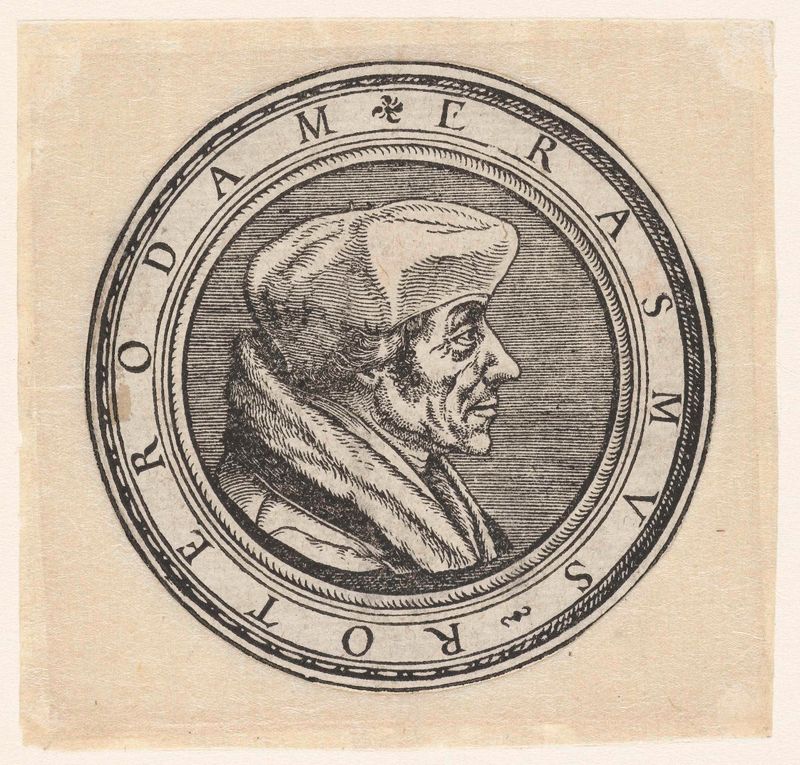
Portret van Erasmus
Hans Holbein (II)
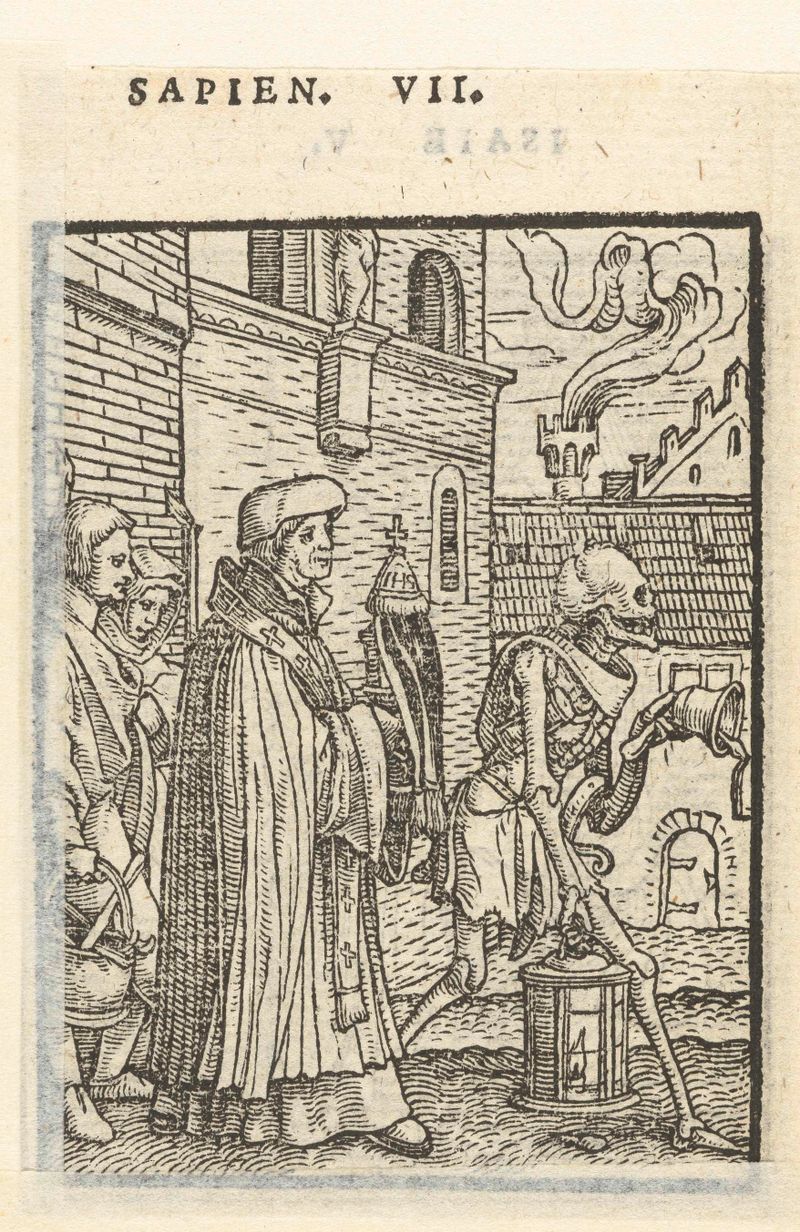
Priester en de Dood
Hans Holbein (II)
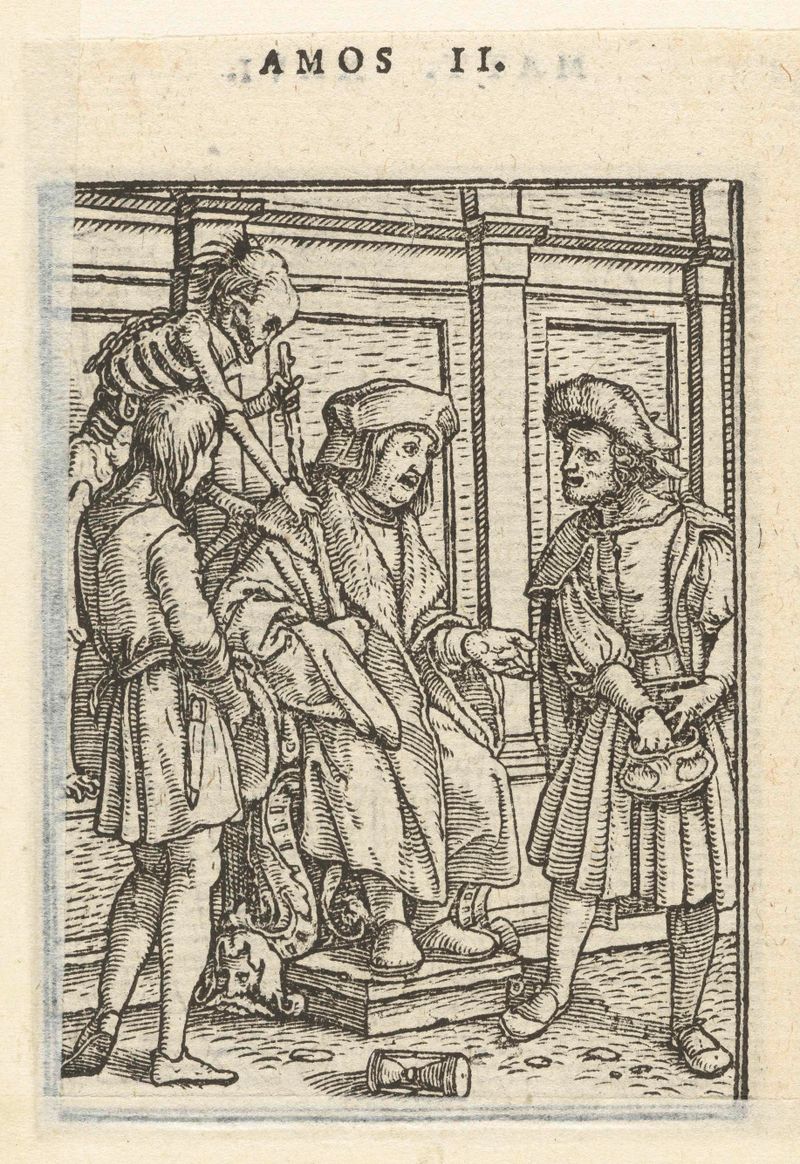
Rechter en de Dood
Hans Holbein (II)
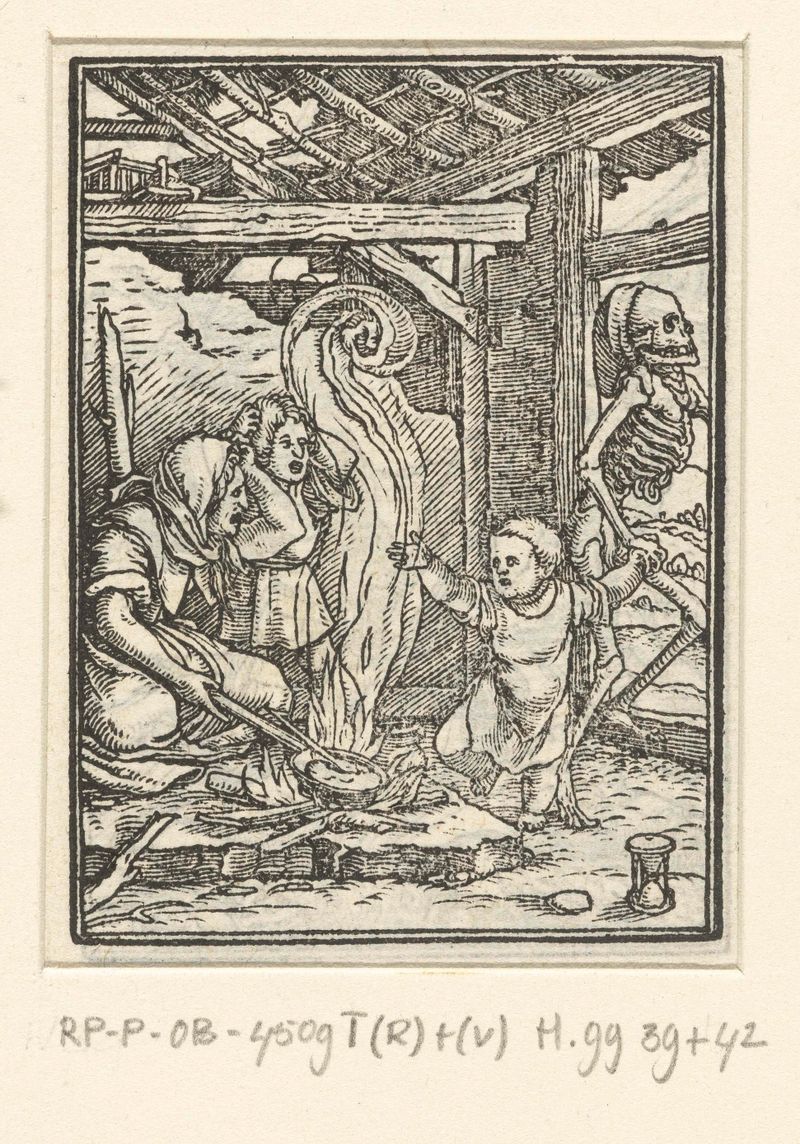
Kind en de Dood
Hans Holbein (II)
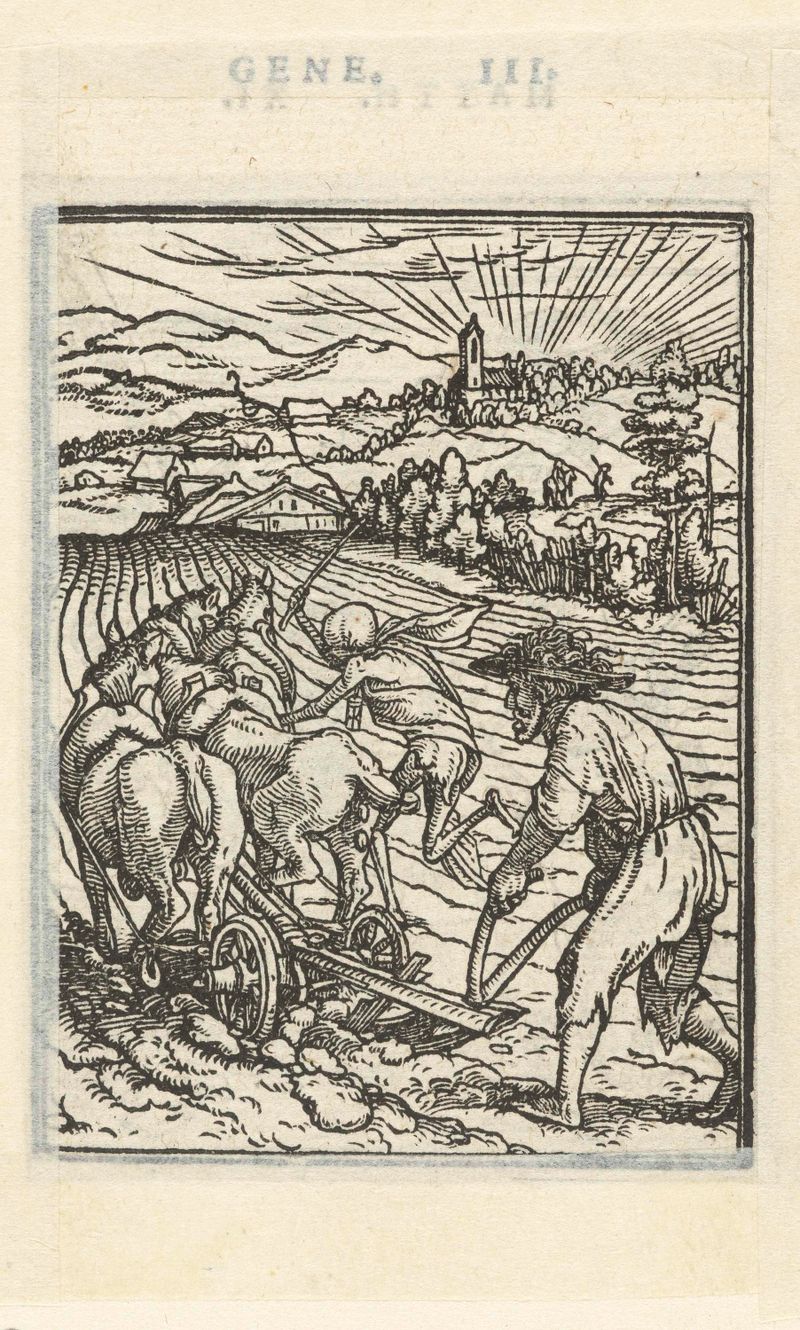
Boer en de Dood
Hans Holbein (II)
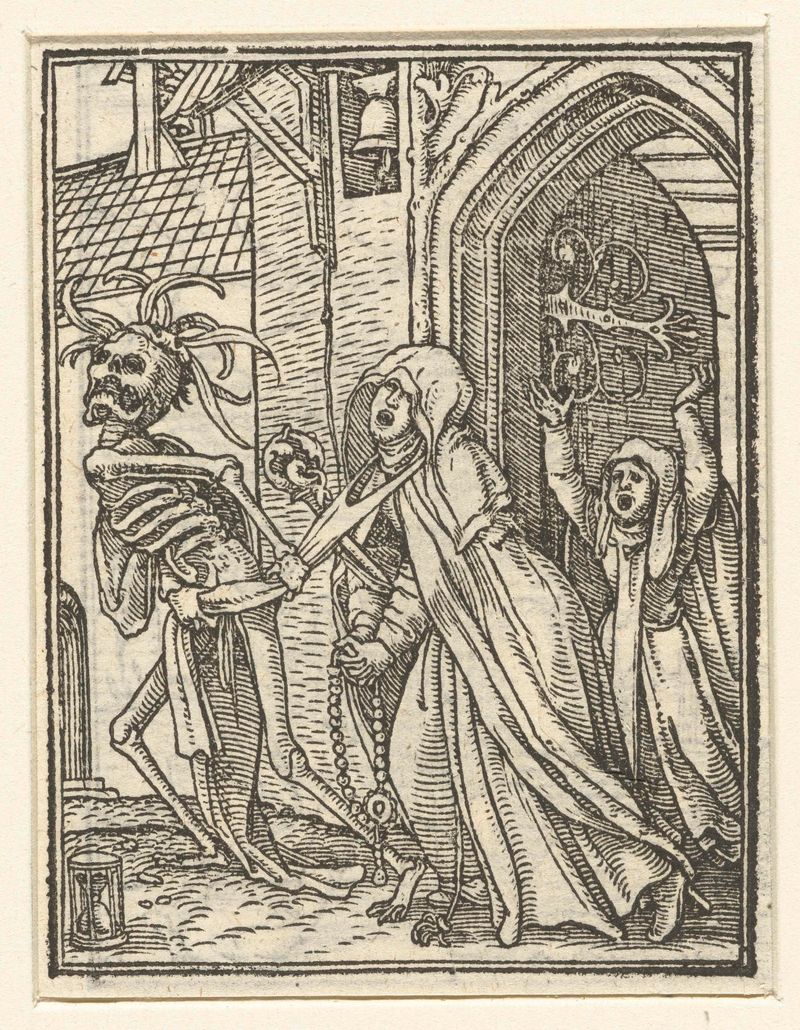
Abdis en de Dood
Hans Holbein (II)
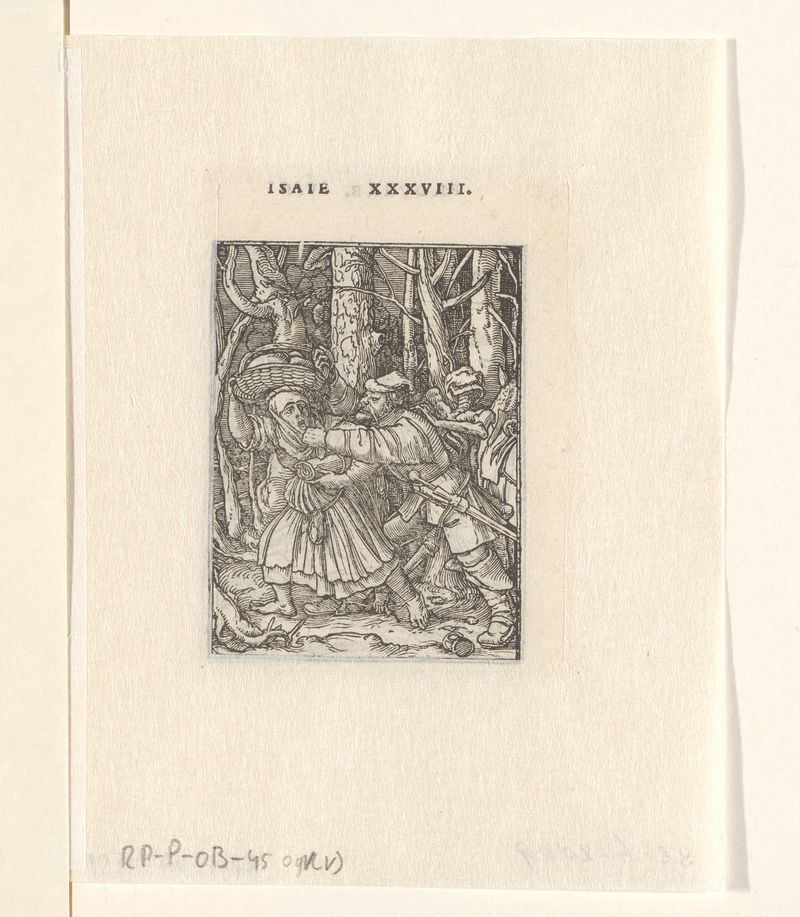
Dief en de Dood
Hans Holbein (II)
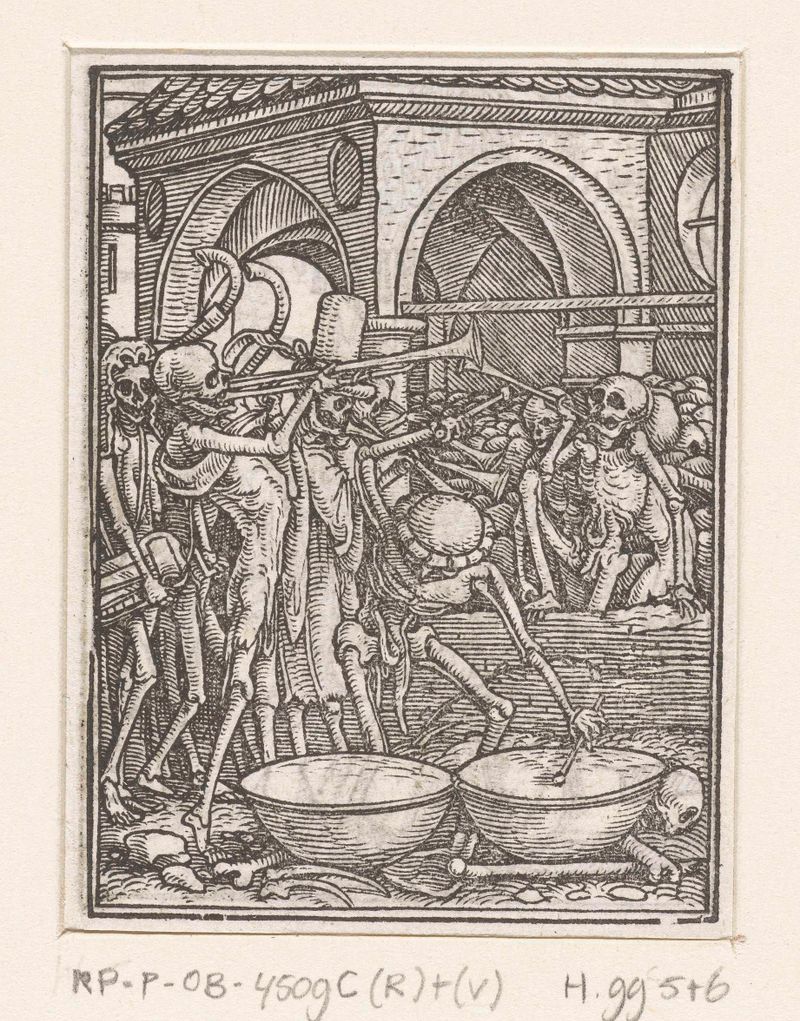
Skeletons Making Music from Dance of the Dead
Hans Holbein (II)
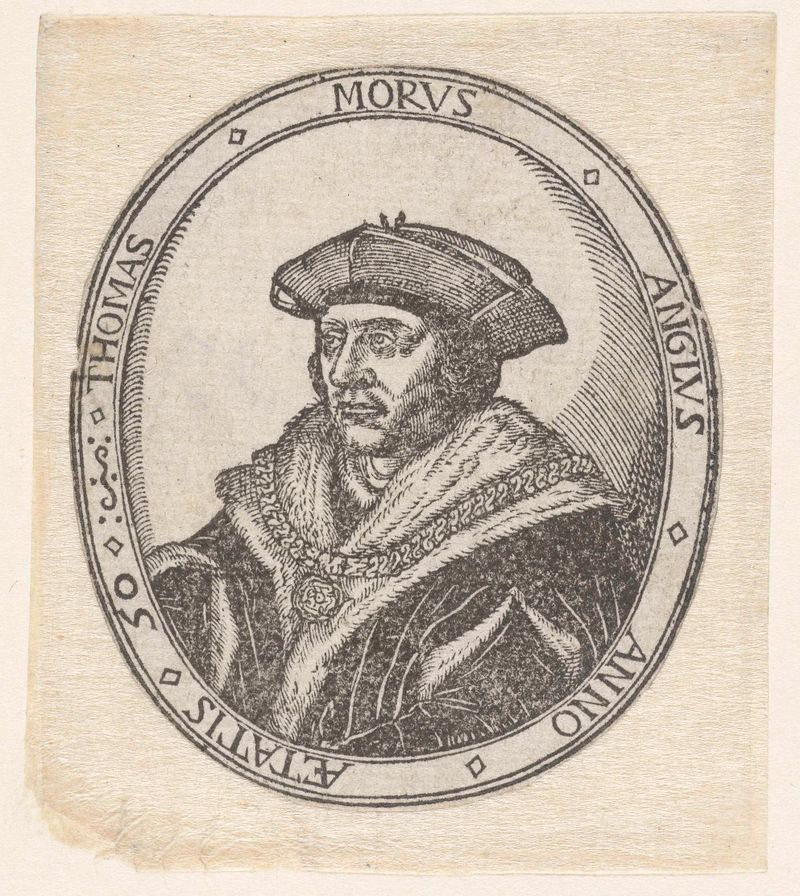
Portret van Thomas More
Hans Holbein (II)
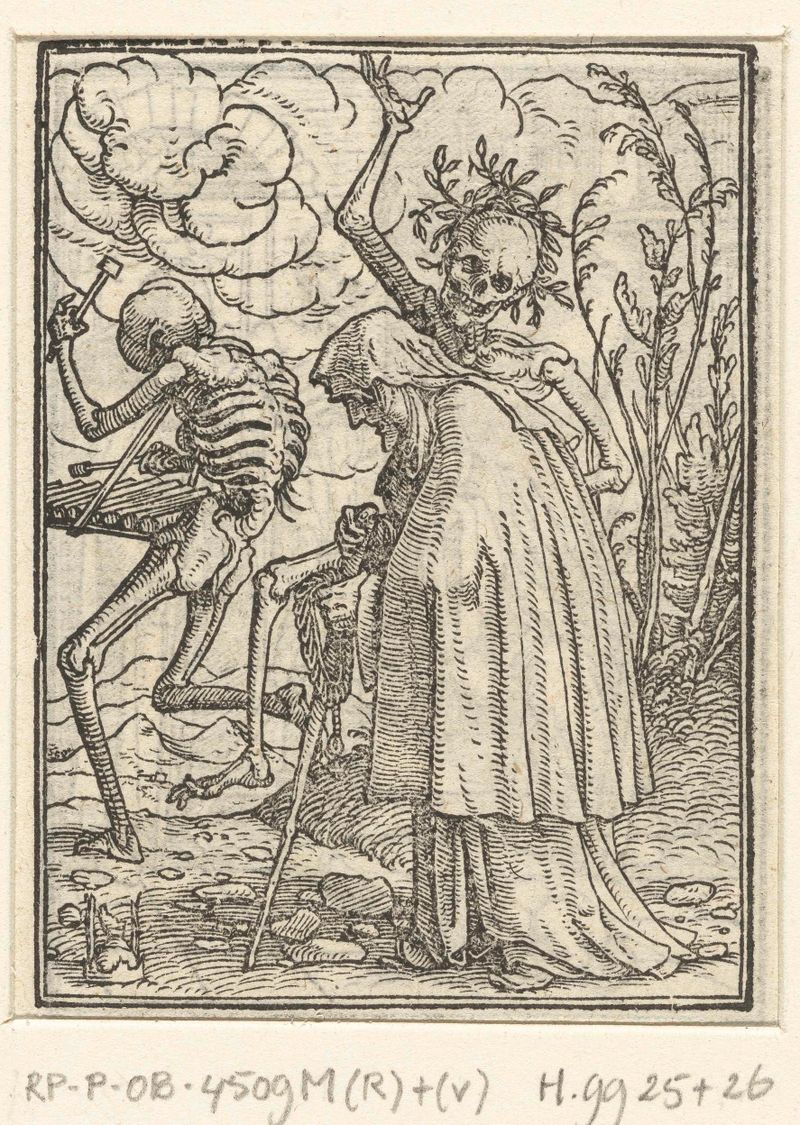
Oude vrouw en de Dood
Hans Holbein (II)
More Religious Art
Browse all →
The Return of the Prodigal Son
Rembrandt van Rijn

The Garden of Earthly Delights
El Bosco

Count Orgaz’ funeral
El Greco

The Hundred Guilder Print: the central piece with Christ preaching, the plate arched
Rembrandt van Rijn

The Descent from the Cross
Rogier van der Weyden

The return of the prodigal son
Rembrandt van Rijn