
Lac de Tibériate — History & Facts
What if silence could speak through light? In Lac de Tibériate, a translucent stillness envelops the viewer, offering a moment of introspection amidst the whispers of nature. Look towards the tranquil waters at the center of the canvas, where the soft reflections dance like memories, inviting contemplation. The palette, dominated by muted greens and soothing blues, creates an atmosphere of serenity, while delicate brushstrokes capture the gentle ripples created by an unseen breeze. Notice how the light filters through the trees, casting dappled shadows that animate the scene, drawing the eye across the landscape and creating a dialogue between the trees and the water. This artwork subtly captures the contrasts between stillness and potential movement, tranquility and the undercurrents of change.
The serene surface of the lake mirrors not just the literal landscape, but also the latent energy of an era poised on the cusp of transformation. The untouched beauty hints at the revolution brewing in the broader world, where nature serves as both a refuge and a stage for unfolding human stories. François Stroobant painted Lac de Tibériate in 1852 while living in France, a time marked by artistic experimentation and the rising tides of social and political change. The mid-19th century saw the rise of romanticism and realism, and Stroobant's work reflects a synthesis of these movements, capturing nature’s beauty against the backdrop of a society on the brink of upheaval.
More Artworks by François Stroobant
Browse all →
Interior of the church of Notre Dame du Sablon at Brussels
François Stroobant
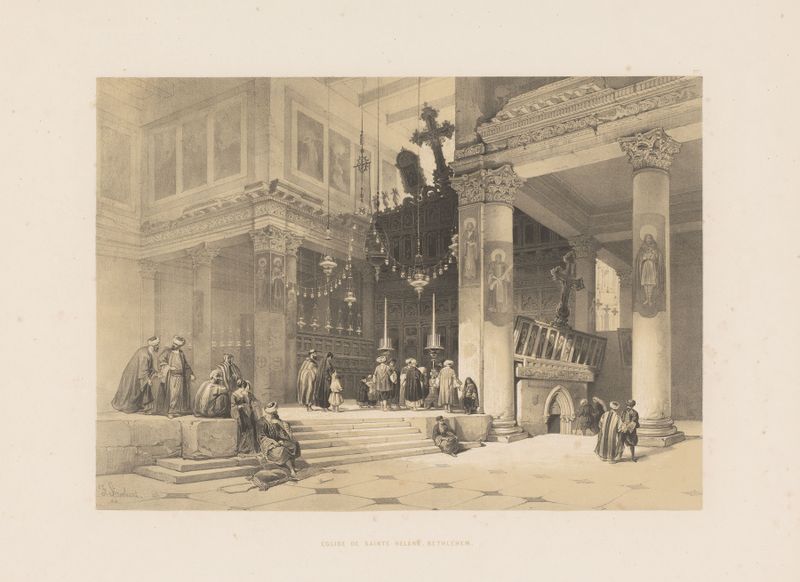
Église de sainte Hélène. Bethléhem
François Stroobant
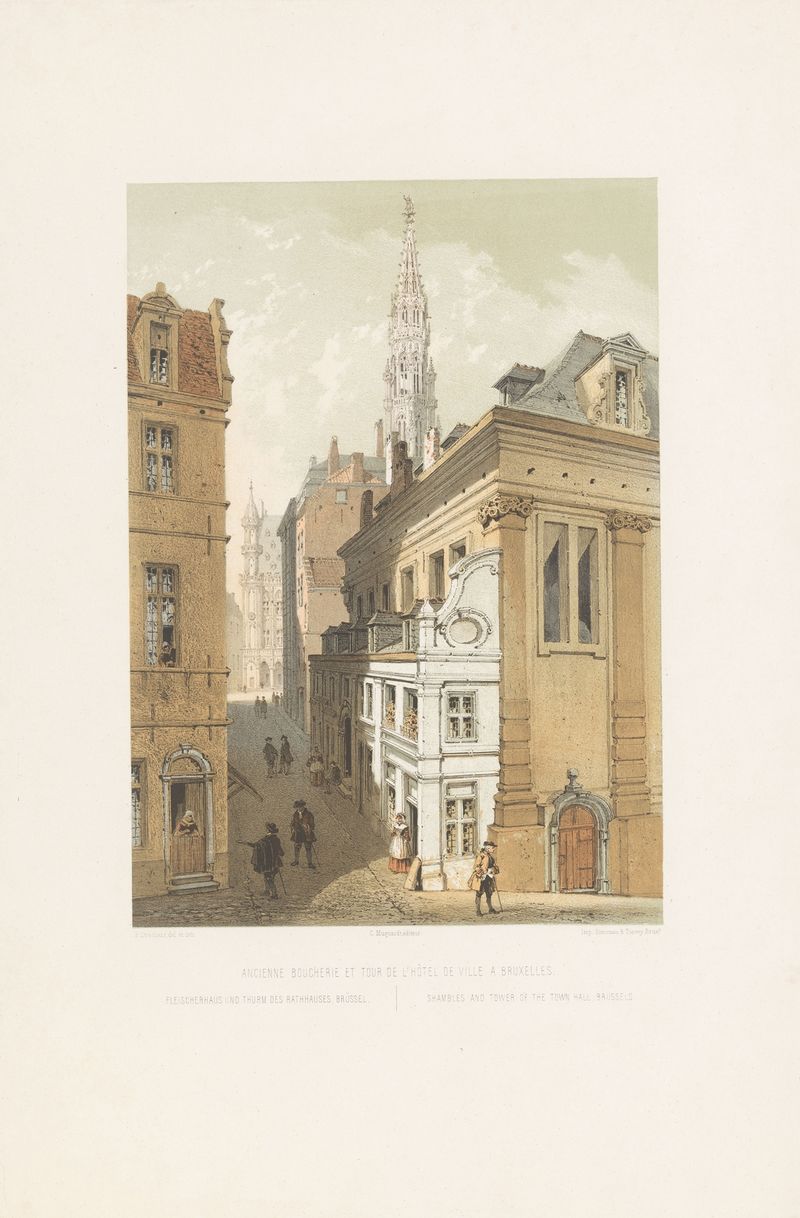
Shambles and tower of the town hall, Brussels
François Stroobant

Intérieur de l’église Grecque du Saint-Sépulcre
François Stroobant
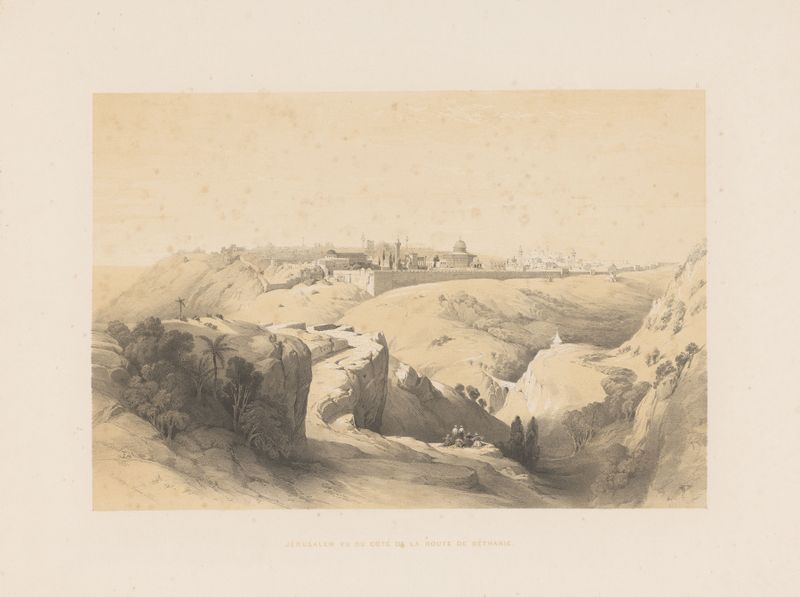
Jérusalem vu du coté de la route de Béthanie
François Stroobant

Le tabernacle du Saint-Sépulcre
François Stroobant

Town hall Brussels
François Stroobant

Fontaine de Jacob à Sichem
François Stroobant
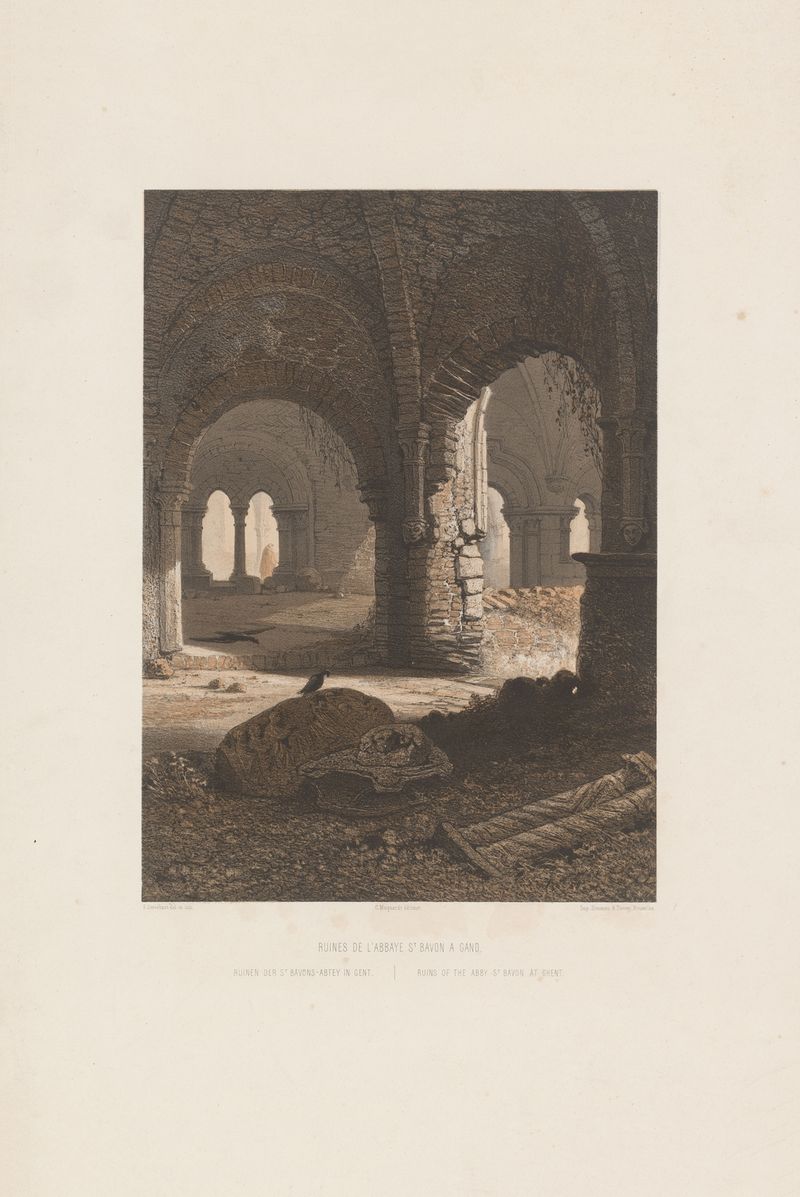
Ruins of the abby St Bavon at Ghent
François Stroobant

Vue de Naplouse
François Stroobant





