
Lacertilia (Lizards) — History & Facts
What first seizes the eye in Lacertilia (Lizards) is the sense of spectacle—each reptile posed at the height of its strangeness, as if the artist has caught them mid-performance on a natural stage. The frilled lizard at the lower left fans out its dramatic collar, a living ruff that seems ready for the applause of the viewer. Spines, crests, and scales are rendered with such precision that every texture invites closer inspection, from the armoured plates of the horned lizard to the delicate, almost translucent membranes of the gliding Draco above.
The arrangement is no accident: each animal’s posture and gaze lead the viewer’s eye in a looping circuit, drawing attention to the astonishing diversity of form and adaptation. The palette, dominated by ochres and earth tones, roots these fantastic creatures in their rocky, arboreal world, while the careful modeling of light brings out the sculptural quality of their bodies. Created in 1904 as part of Kunstformen der Natur, this work by Ernst Haeckel belongs to a moment when science and art were inseparable allies in the cataloguing of nature’s wonders. Such images were not merely illustrations but visual arguments, designed to persuade both lay viewers and experts of the underlying unity and variety of life.
Haeckel’s plates, including this one, were widely circulated and admired for their blend of accuracy and artistry, serving as both scientific documentation and objects of aesthetic pleasure. The lizards here are identified with the careful precision of their day, their names and classifications reflecting the taxonomic debates and discoveries of the late nineteenth and early twentieth centuries. History has kept few traces of the individual journeys of these prints, but their impact endures—look again, and see how the natural world can astonish when seen through the eyes of an artist-scientist.
More Artworks by Ernst Haeckel
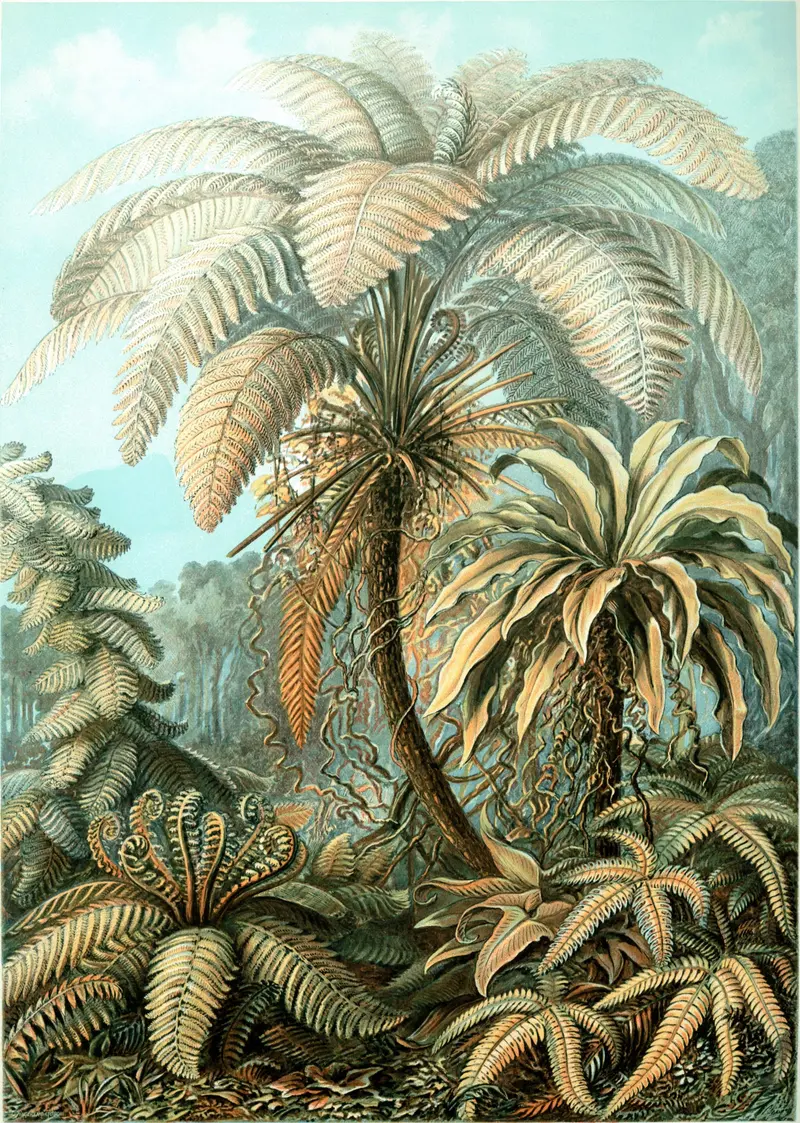
Filicinae (Ferns)
Ernst Haeckel
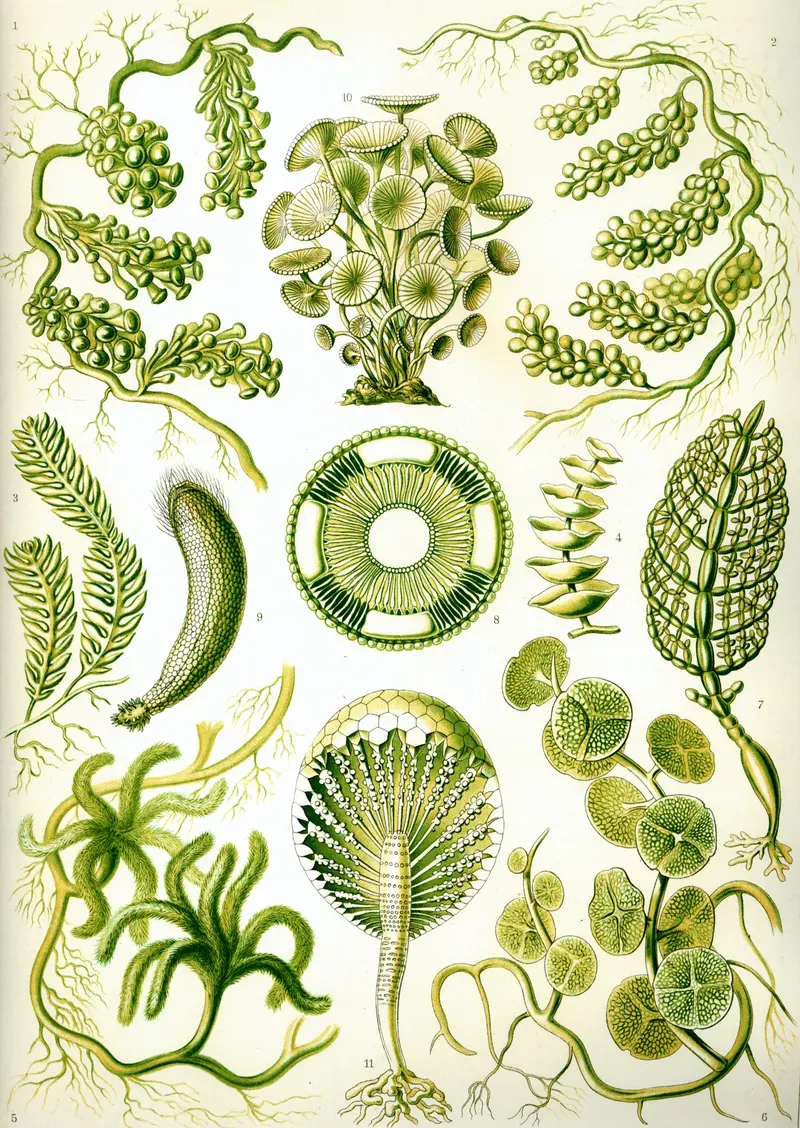
Siphoneae (Green Algae)
Ernst Haeckel

Cirripedia (Barnacles)
Ernst Haeckel

Actiniae (Sea Anemones)
Ernst Haeckel
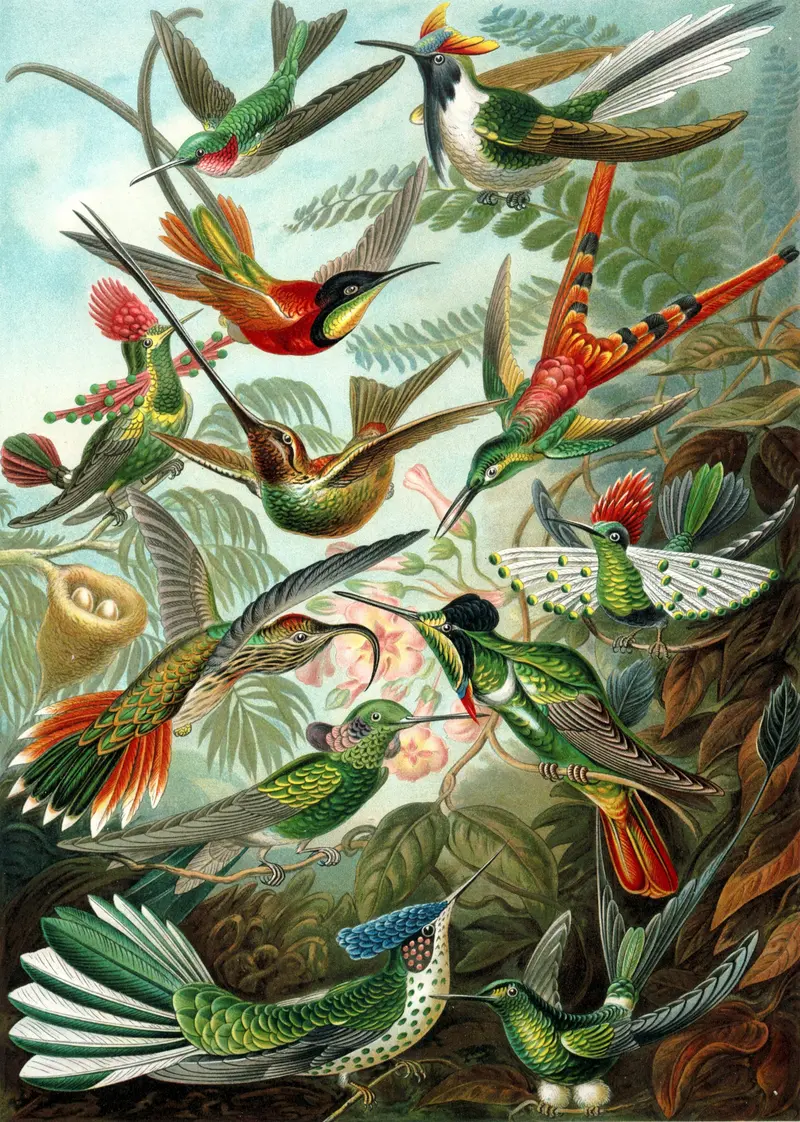
Trochilidae (Hummingbirds)
Ernst Haeckel
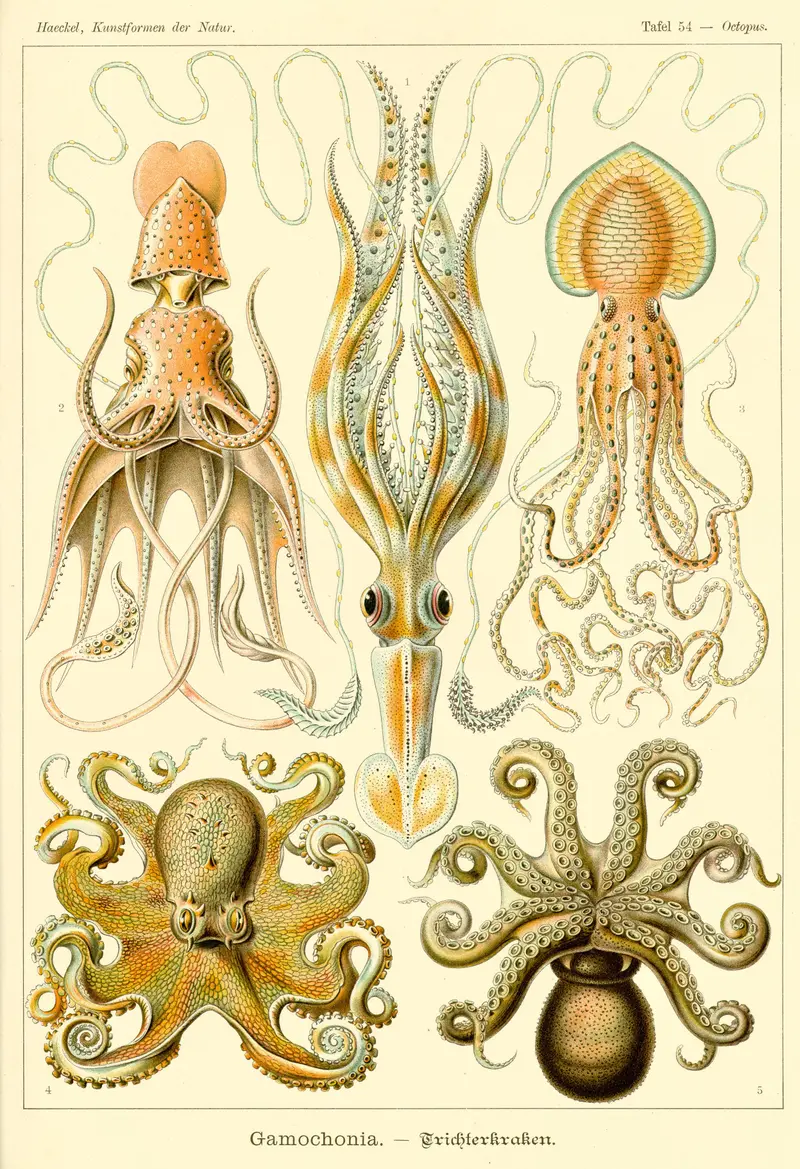
Gamochonia (Cephalopods)
Ernst Haeckel
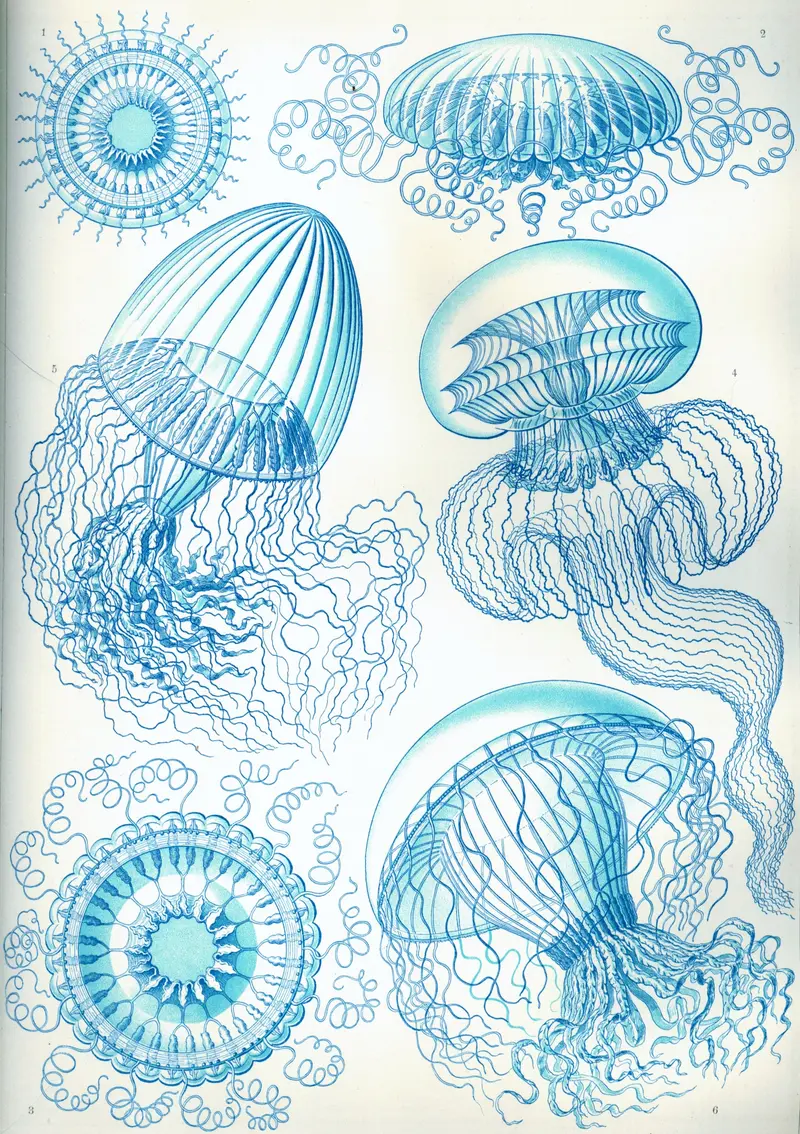
Leptomedusae (Jellyfish)
Ernst Haeckel
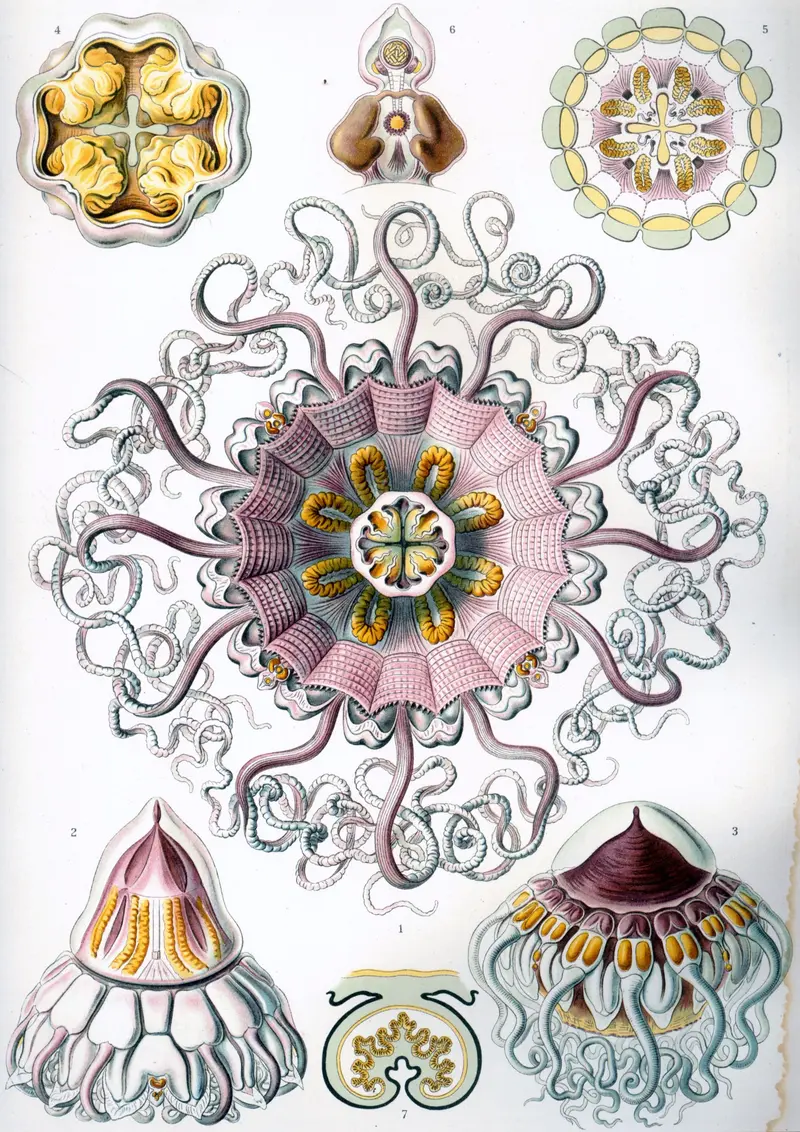
Peromedusae (Jellyfish)
Ernst Haeckel
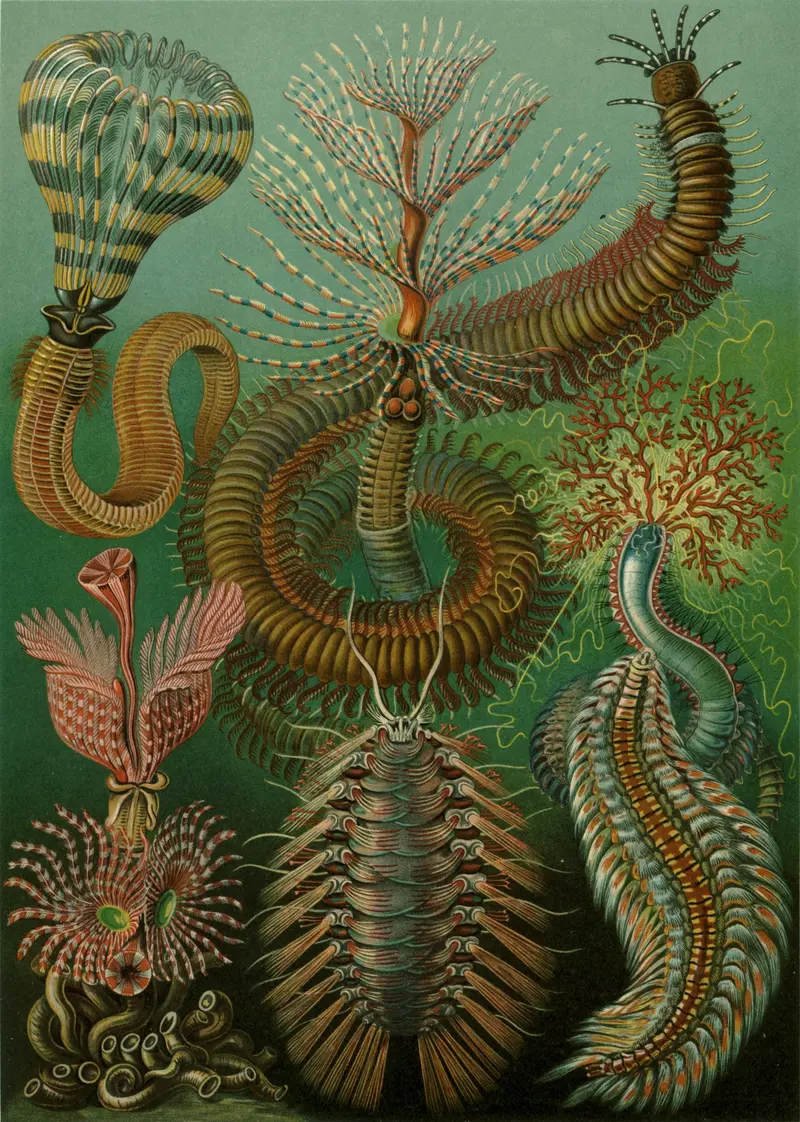
Chaetopoda (Bristle Worms)
Ernst Haeckel
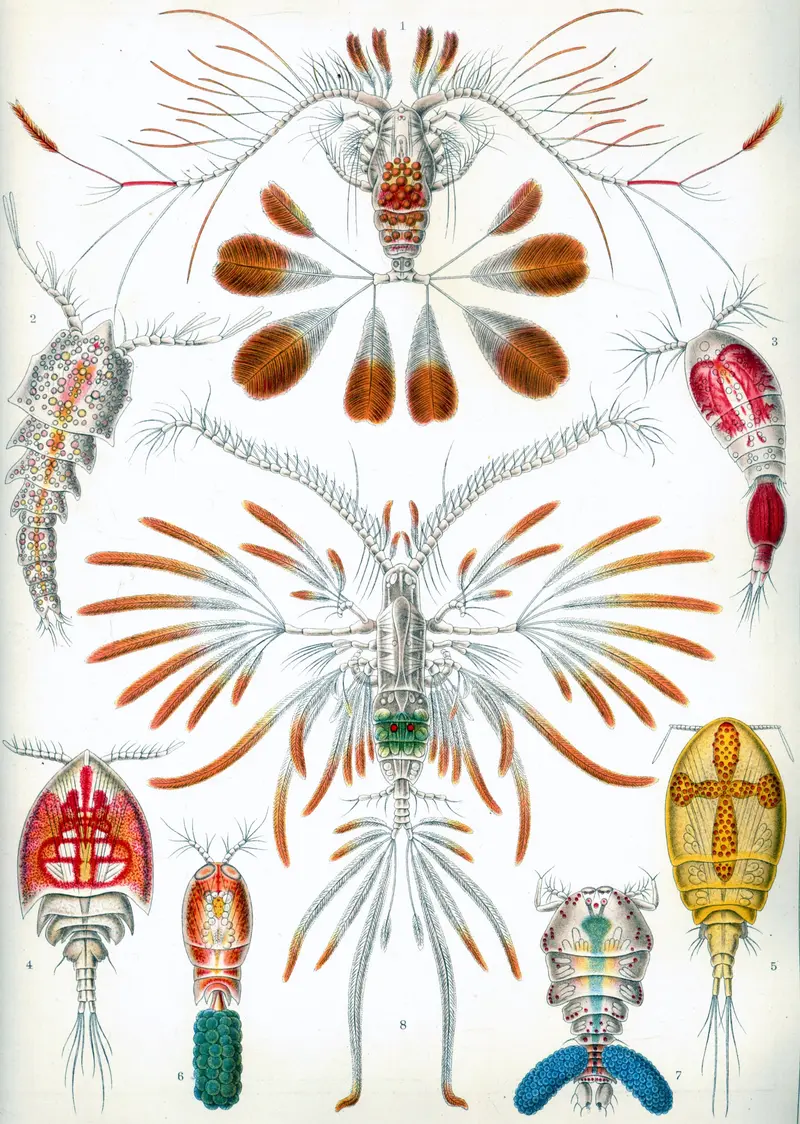
Copepoda (Copepods)
Ernst Haeckel





