
Laghouat mosque — History & Facts
The eye is drawn first to the sweep of blue arching overhead, framing a courtyard that seems to shimmer in the North African sun. The architecture is rendered with loose, confident strokes, but it is the interplay of color—lavender shadows, pale walls, and the sudden brilliance of green foliage—that gives the scene its life. The minaret rises at the center, crowned with a crescent, while the courtyard below bursts with leafy plants and a suggestion of flowers, their forms simplified into dabs of pigment.
The artist’s gaze lingers on the way light pools and bounces, turning the mosque’s white walls into a mosaic of cool and warm tones. This is not a static monument but a living place, caught in a moment of stillness and filtered through a painter’s memory of heat and color. Works like this, painted in the late 1920s, belong to a moment when European artists were captivated by North Africa’s architecture and light. Painters such as Albert Marquet traveled to Algeria and Morocco, drawn by the promise of clarity and the challenge of new palettes.
These scenes were rarely formal commissions; rather, they were painted for private delight or for a growing market of collectors fascinated by the so-called “Orient.” The date of this particular work’s documentation—12 August 2021—reminds us how such paintings continue to circulate and be rediscovered, their histories often fragmentary. Yet the freshness of the brushwork and the immediacy of the scene invite viewers to linger, searching for the coolness of shade and the echo of distant calls to prayer.
More Artworks by Albert Marquet
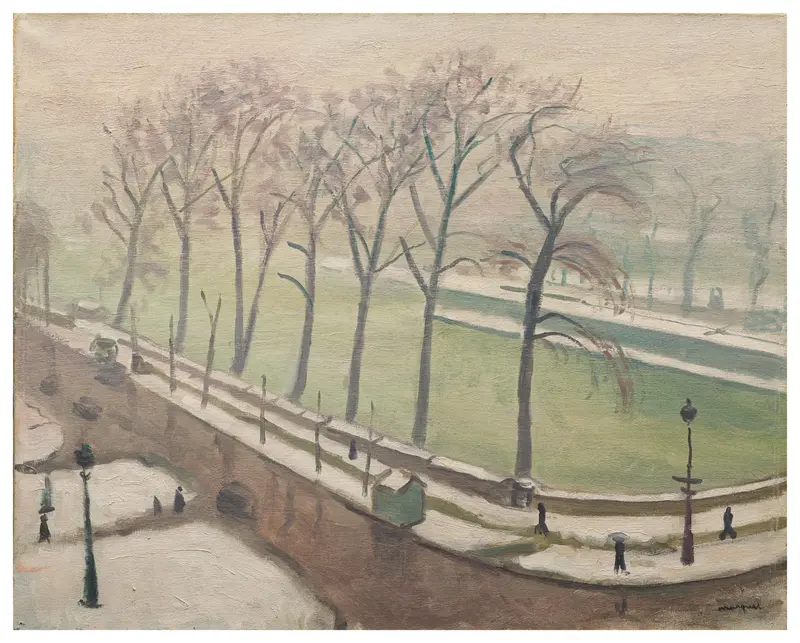
Pont-Neuf sous la neige
Albert Marquet

Le Port d’Alger
Albert Marquet
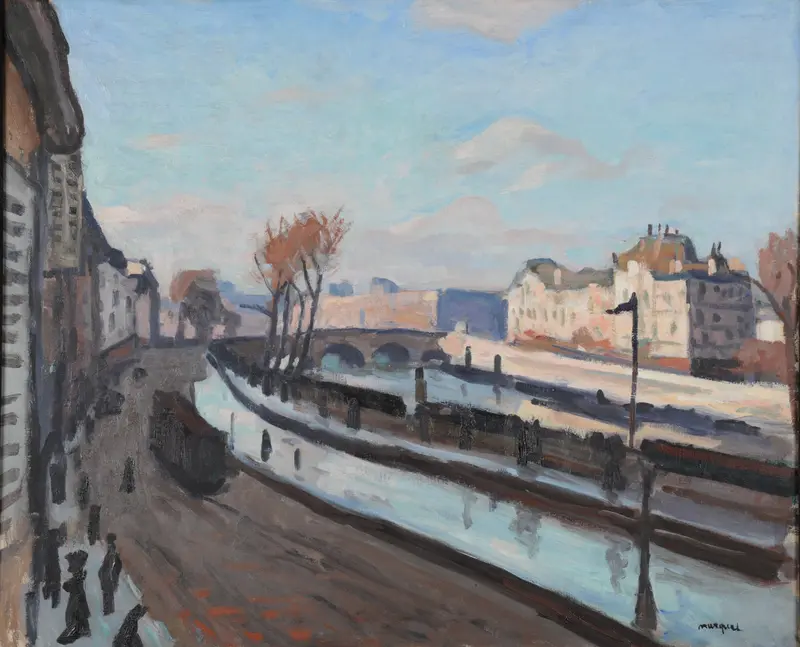
Le quai des Grands Augustins
Albert Marquet

Le jardin à l’Estaque
Albert Marquet
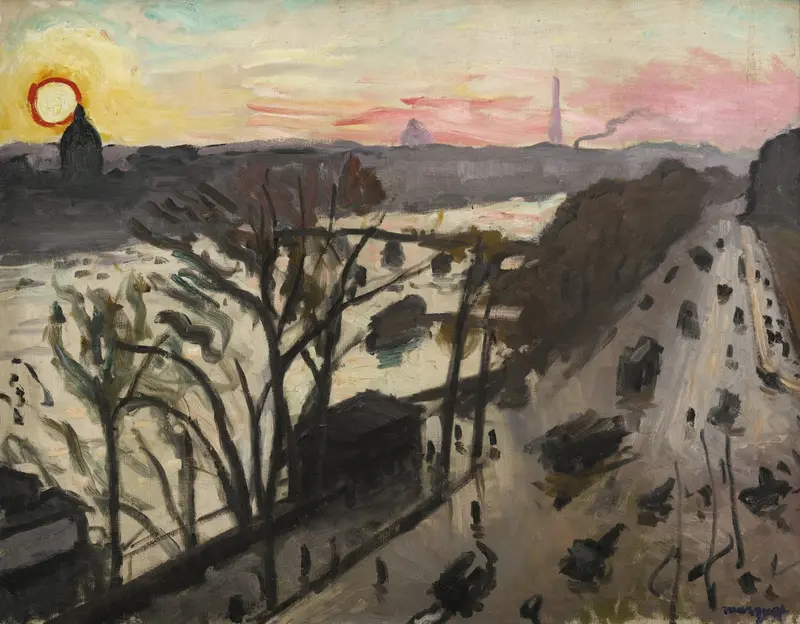
Paris, quai du Louvre, soleil d’hiver
Albert Marquet
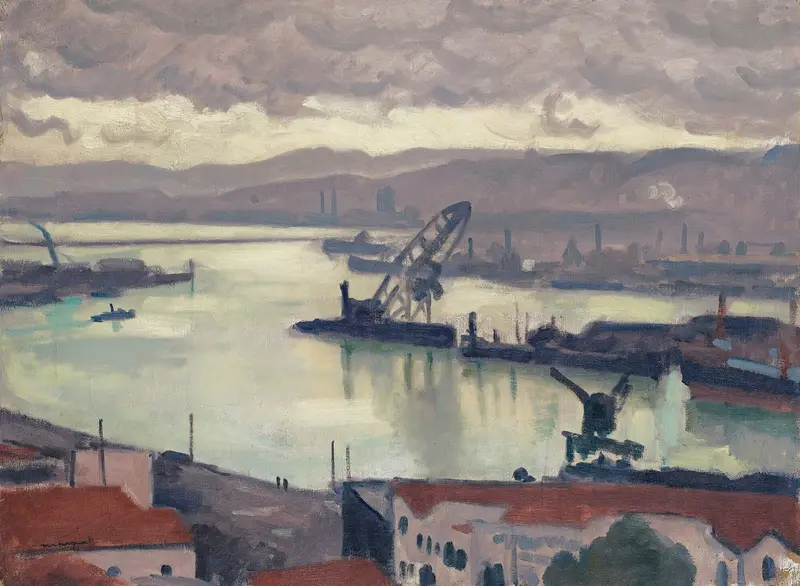
Alger, Temps Gris
Albert Marquet

Berge de la Seine à Méricourt
Albert Marquet
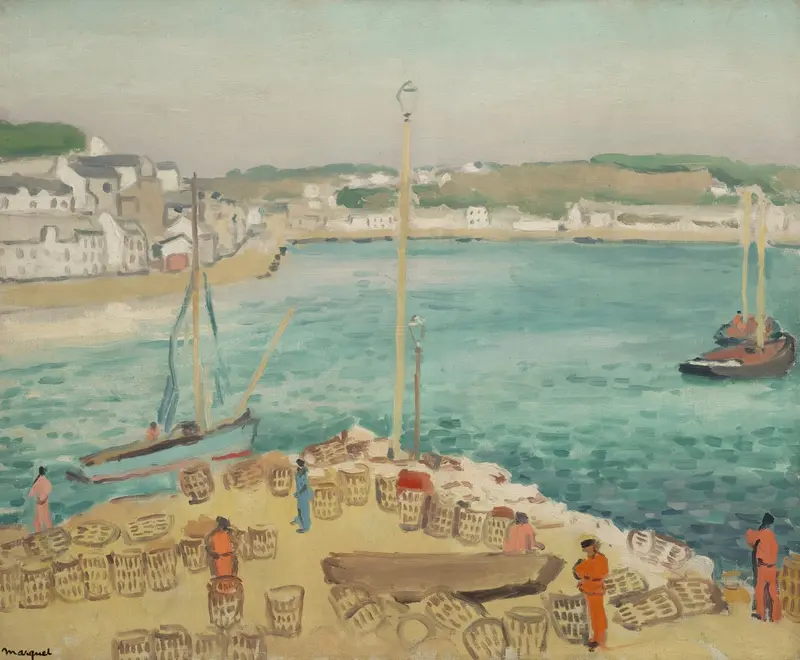
Audierne, les tonneaux
Albert Marquet
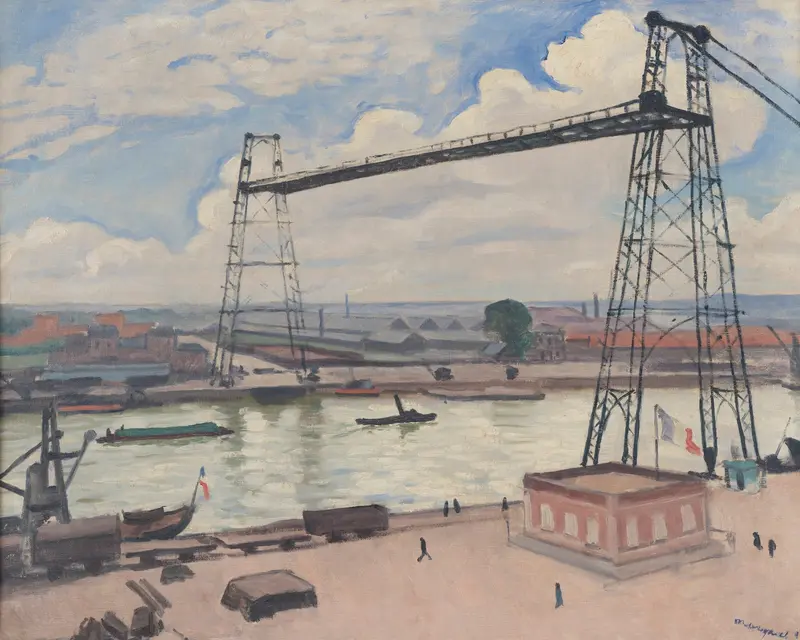
Rouen, le pont transbordeur
Albert Marquet
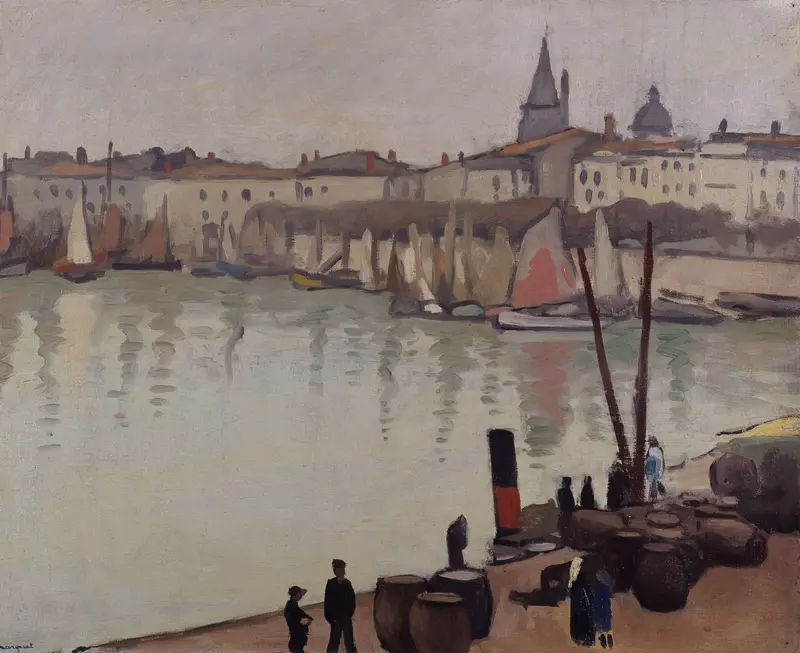
Port of La Rochelle
Albert Marquet





