
Lagoon; Noon — History & Facts
In Lagoon; Noon, color emerges not just as pigment, but as memory itself, whispering secrets of a moment suspended in tranquility. Look to the bottom left, where soft, muted blues and greens blend harmoniously, inviting your eyes to drift into the gentle lapping of the water. Notice how the light dances, capturing the reflection of the sky, creating a seamless connection between earth and air. The composition is masterful, with a delicate balance of warmth and coolness, pulling the viewer into a scene that feels both serene and elusive. Upon deeper inspection, the painting reveals layers of meaning, suggesting solitude amid nature's grandeur.
The horizon is almost indistinguishable, blurring the boundaries between reality and dream. This plays into the artist's intent, evoking feelings of nostalgia for moments lost while simultaneously suggesting a peaceful acceptance of the passage of time. The quietude is punctuated by a subtle tension, as if the viewer is invited to confront their own memories of stillness. In 1879, Whistler was residing in London, emerging as a key figure in the aesthetic movement.
His focus on color and form was revolutionary, aligning with a broader cultural shift towards impressionism. During this period, he sought to capture ephemeral beauty, often challenging conventional painting techniques and aesthetics. Lagoon; Noon encapsulates this transformative moment, reflecting not only Whistler's artistic evolution but also the changing tides of the art world.
More Artworks by James Abbott McNeill Whistler
Browse all →
Nocturne in Blue and Silver
James Abbott McNeill Whistler
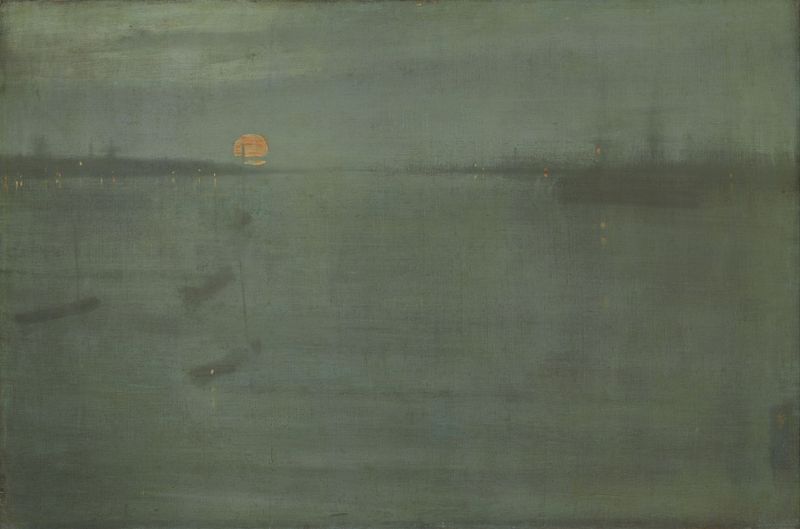
Nocturne: Blue and Gold–Southampton Water
James Abbott McNeill Whistler
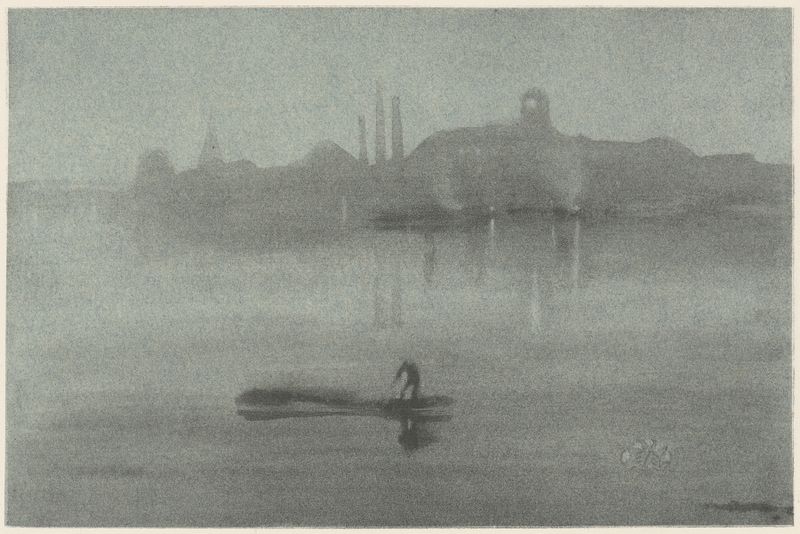
Nocturne
James Abbott McNeill Whistler
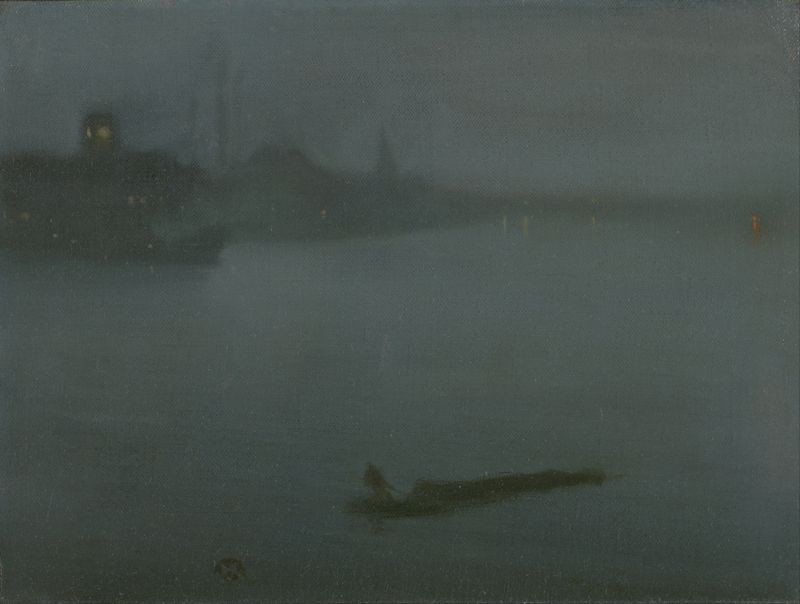
Nocturne in Blue and Silver
James Abbott McNeill Whistler
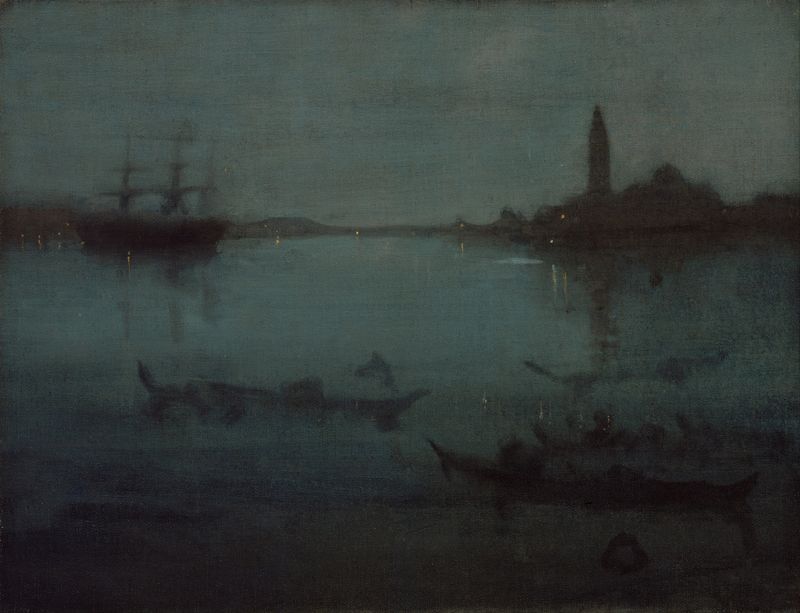
Nocturne in Blue and Silver- The Lagoon, Venice
James Abbott McNeill Whistler
Nocturne in Grey and Gold: Chelsea Snow
James Abbott McNeill Whistler
Nocturne: Black and Red—Back Canal, Holland
James Abbott McNeill Whistler
Old Battersea Bridge
James Abbott McNeill Whistler

Nocturne: Blue and Silver–Battersea Reach
James Abbott McNeill Whistler
Grey and Silver–Pier, Southend
James Abbott McNeill Whistler





