
Lamentation over the Dead Christ with Saints — History & Facts
When Sandro Botticelli painted Lamentation over the Dead Christ with Saints around 1490, Florence was in the grip of spiritual upheaval. The city’s mood was shifting under the influence of the fiery preacher Savonarola, whose sermons against luxury and corruption reverberated through the same streets Botticelli walked. This painting stands at a crossroads in the artist’s career, marking his turn from the decorative grace of earlier works toward a more somber, introspective vision—one that some scholars link to the city’s changing spiritual climate. At the heart of the panel, Christ’s lifeless body lies across the lap of the Virgin Mary, her hands raised in a silent gesture of grief, while Saints John the Evangelist and Mary Magdalene kneel in mourning.
Botticelli freezes the moment after the Crucifixion, when hope seems lost and only faith remains. The figures are tightly grouped, their sorrow mirrored in the downward sweep of their bodies and the subdued palette. The gold halos, delicate yet insistent, remind the viewer of the sacred nature of this suffering.
Unlike the theatrical lamentations of Giotto or the muscular drama of Mantegna’s versions, Botticelli’s scene is hushed, its emotion contained within graceful lines and a sense of inwardness. Little is known about the original commission or early history of Lamentation over the Dead Christ with Saints, and its medium—whether tempera or oil—remains a subject of scholarly debate. The painting’s restrained style and devotional intensity place it among Botticelli’s late works, when his art grew more meditative and severe. Over the centuries, the panel has been admired for its quiet dignity, though it has not achieved the fame of Botticelli’s mythological scenes.
Today, it stands as a testament to the artist’s response to the spiritual and artistic currents of late fifteenth-century Florence, inviting viewers to contemplate loss, hope, and the mystery of faith.
More Artworks by Sandro Botticelli
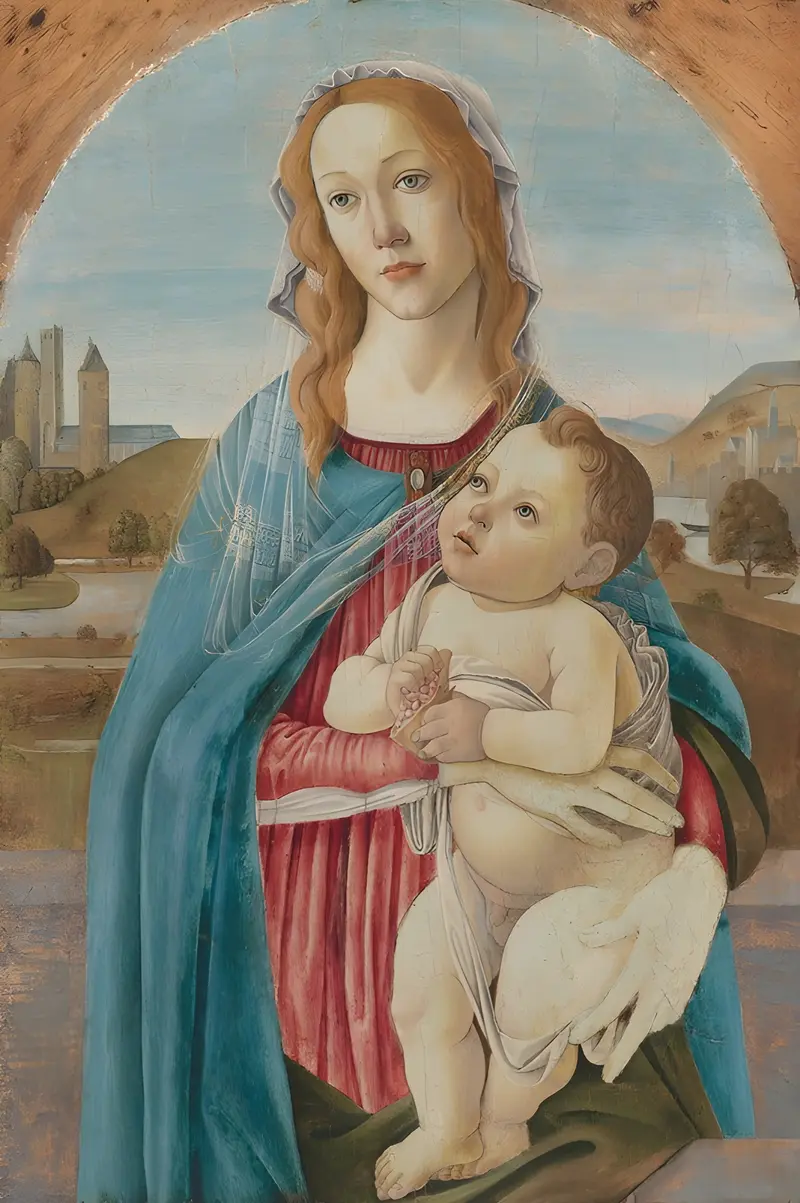
Virgin and Child
Sandro Botticelli
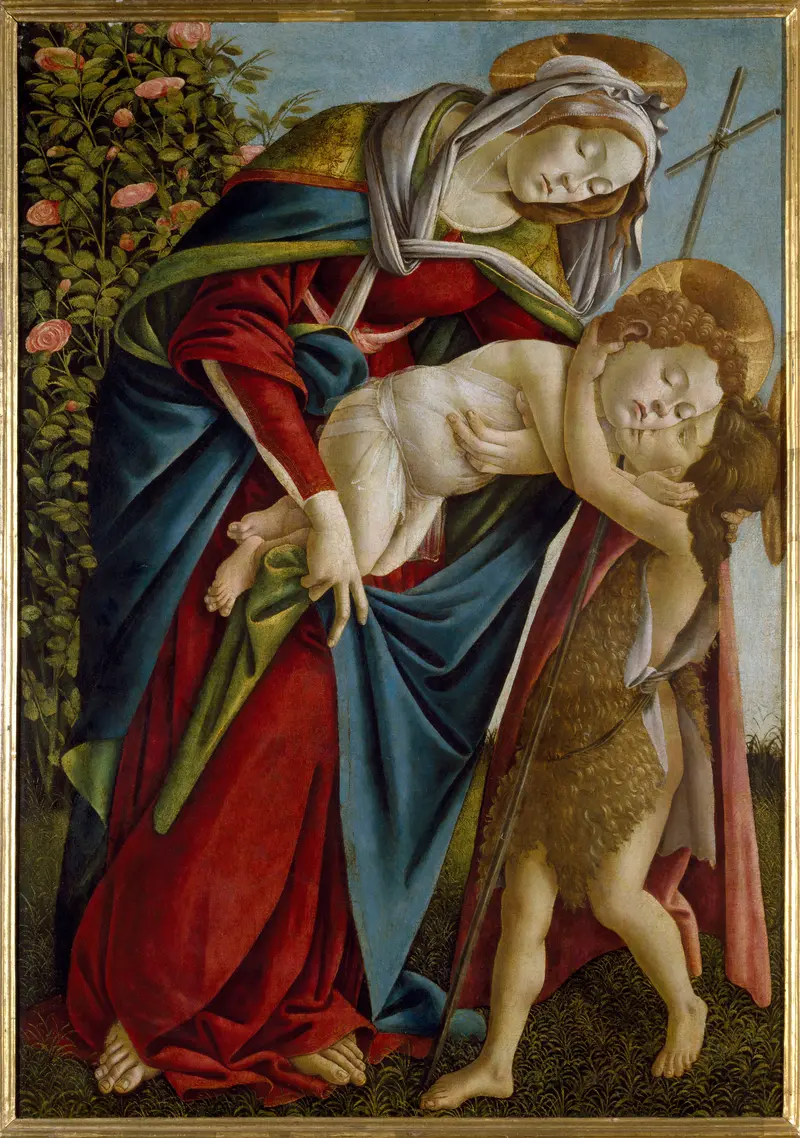
Madonna and Child and the Young St John the Baptist
Sandro Botticelli
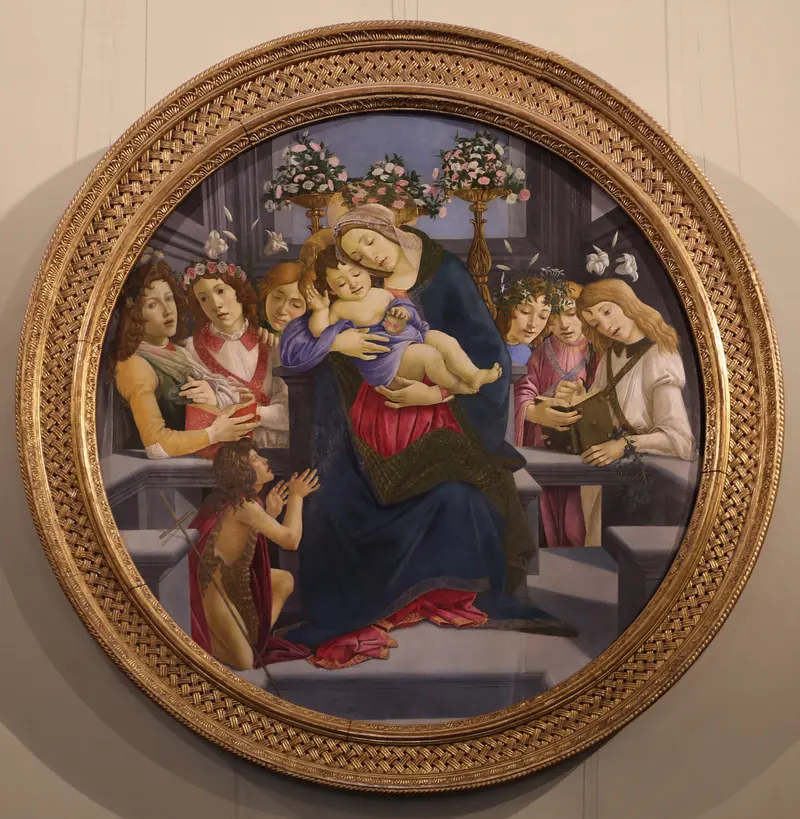
Madonna and Child with six angels and Saint John the Baptist as Child
Sandro Botticelli
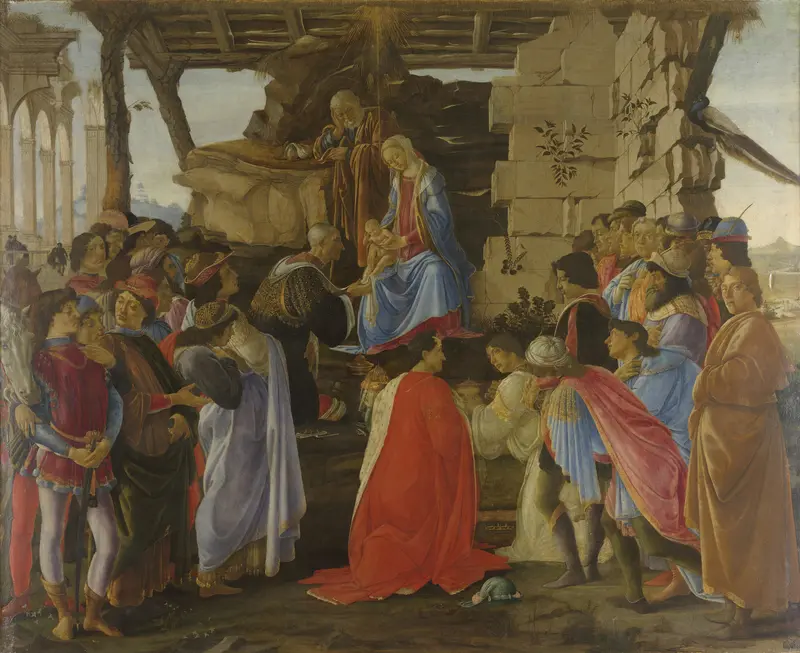
Adoration of the Magi
Sandro Botticelli

Virgin and Child with the Young Saint John the Baptist
Sandro Botticelli
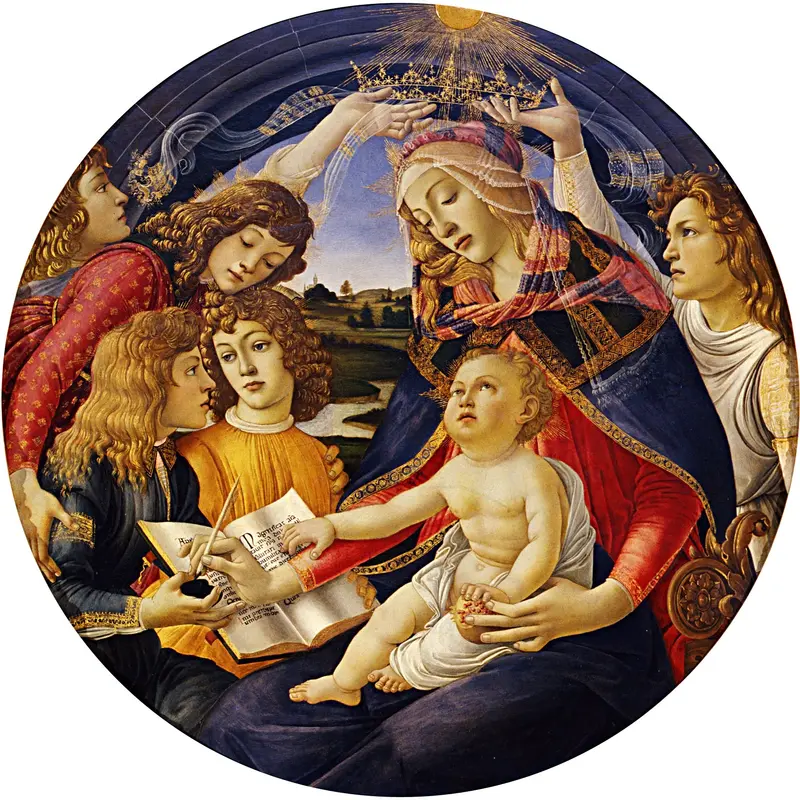
Madonna of the Magnificat
Sandro Botticelli
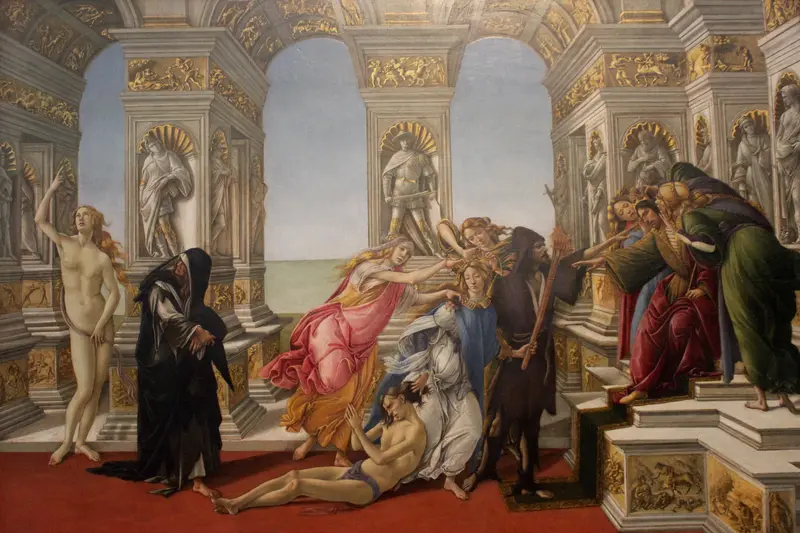
Calumny of Apelles
Sandro Botticelli
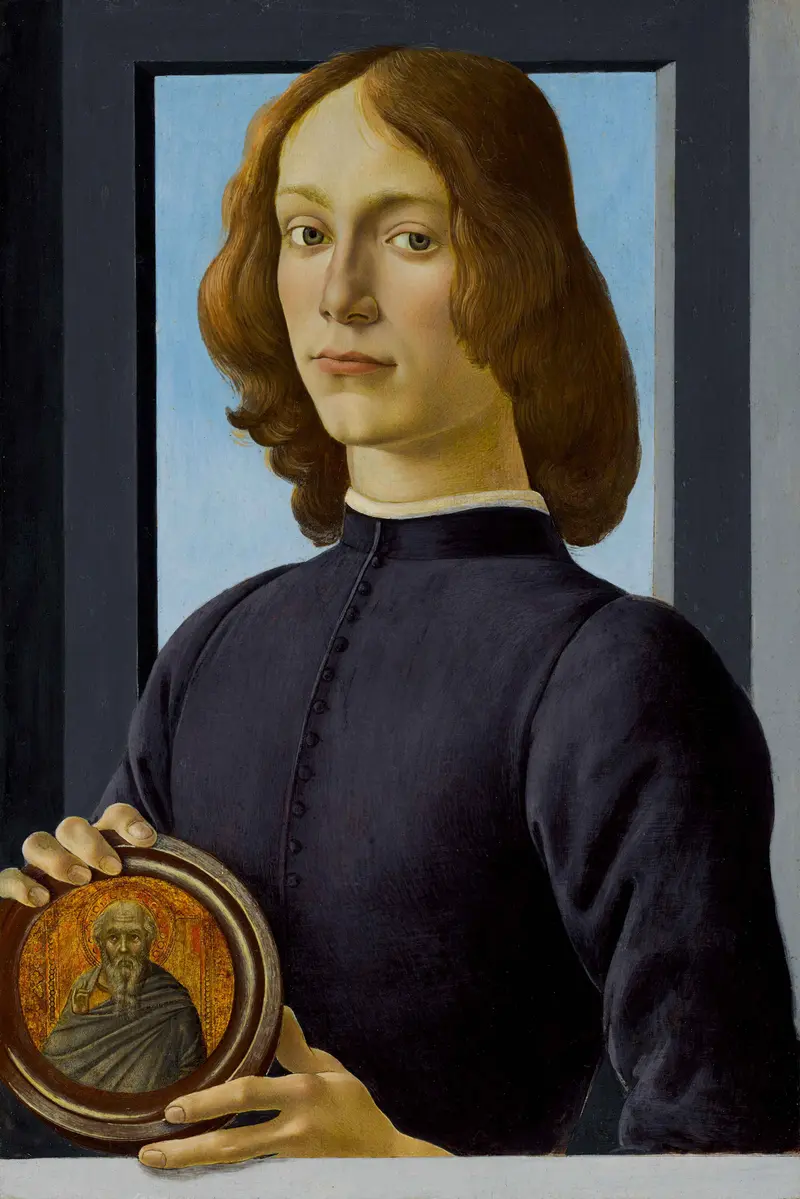
Portrait of a young man holding a roundel
Sandro Botticelli

The Trinity with Saint Mary Magdalene and Saint John the Baptist, the Archangel Raphael and Tobias
Sandro Botticelli
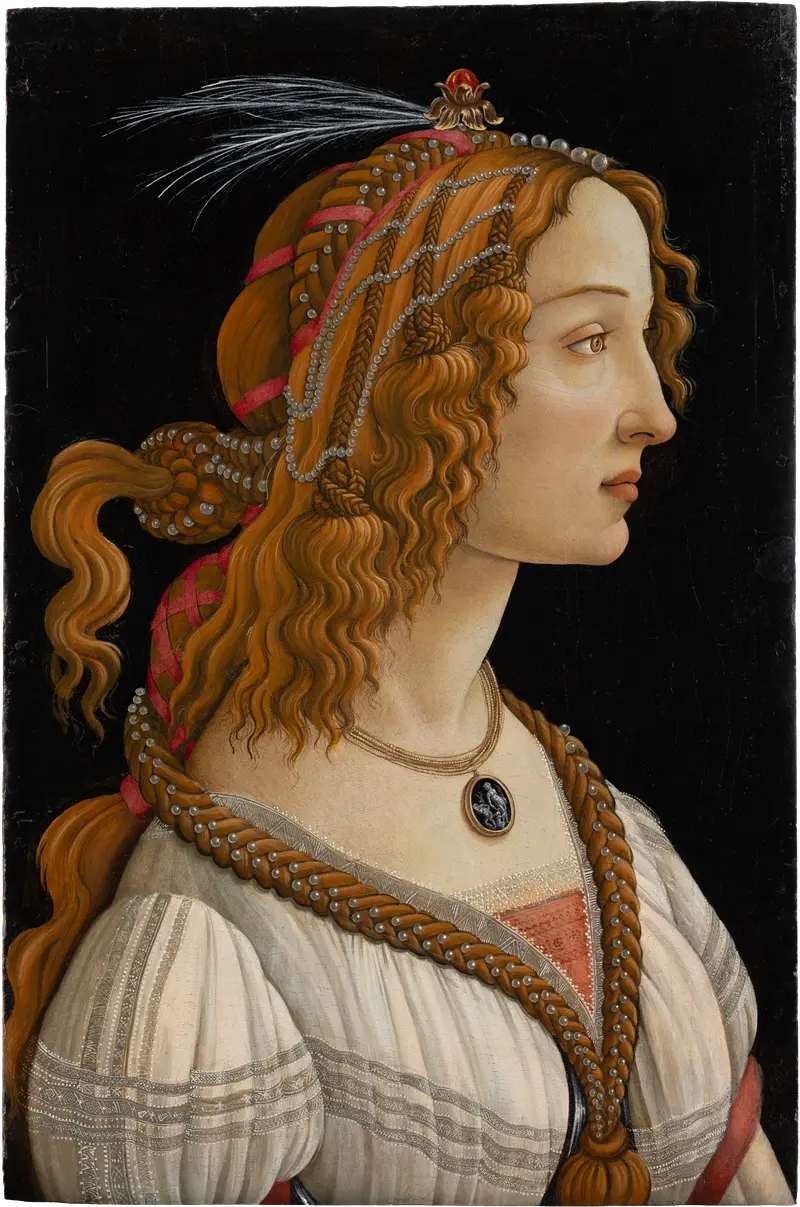
Idealized Portrait of a Lady (Portrait of Simonetta Vespucci as Nymph)
Sandro Botticelli





