
Landhuis met gracht en bomen — History & Facts
In the stillness of a serene landscape, silence clings like dew to the grass, hinting at emotions buried beneath the surface. Look to the center of the canvas where a stately house stands, surrounded by a gentle curve of the canal. Notice how the light dances off the water, illuminating the delicate reflections and creating an interplay between the solidity of the structure and the fluidity of the environment. The palette is rich with greens and subtle earth tones, evoking a sense of calm yet inviting a deeper exploration of the emotions intertwined within the scene. Beneath the serene facade, there lies a tension between man and nature.
The looming trees, their branches reaching protectively over the house, suggest a watchful presence, while the still water mirrors not just the physical world, but also the quiet contemplation of solitude. The absence of human figures amplifies the sense of isolation—this moment, while beautiful, hints at a poignant stillness, as if the landscape is holding its breath, waiting for something to unfold. In 1937, Alfred Ost was immersing himself in the tranquil beauty of his homeland in Belgium. This period saw a growing interest in realism and a departure from the turbulence of earlier artistic movements.
As society sought solace in serene landscapes, Ost captured this desire with precision, reflecting both the quietude of the environment and the emotional depths it inspired, effectively creating a dialogue between beauty and silence.
More Artworks by Alfred Ost
Browse all →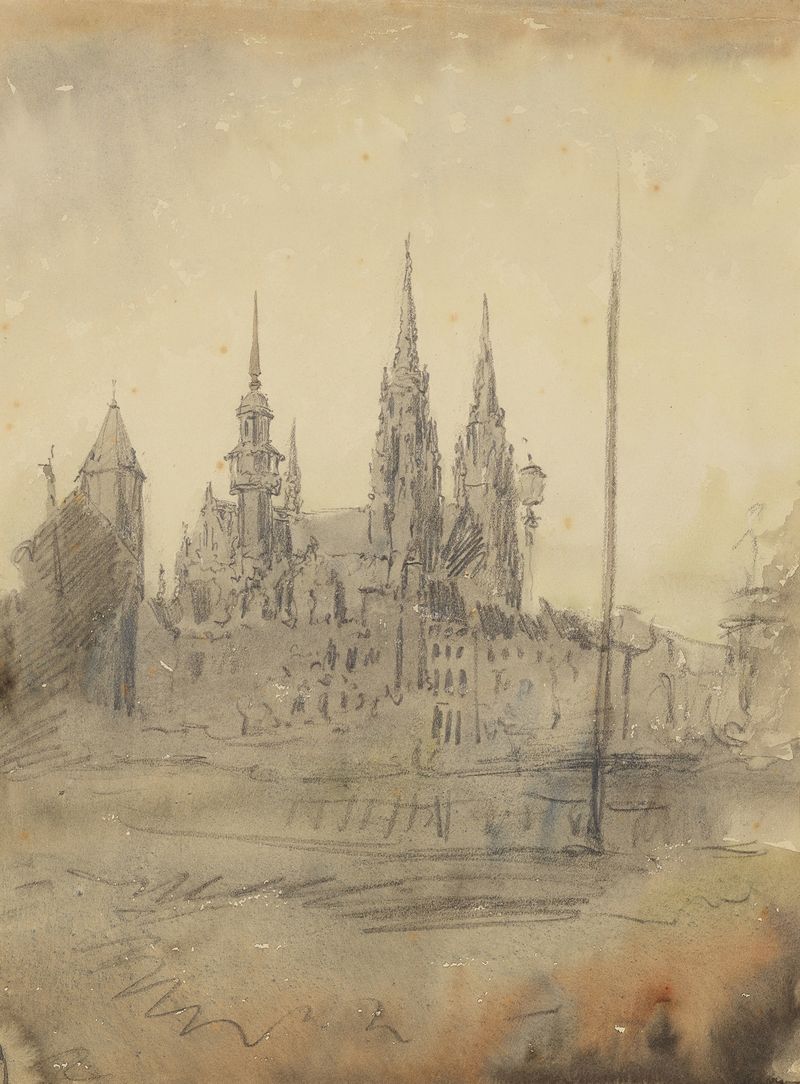
Oostende in de mist
Alfred Ost

Ypres Remember
Alfred Ost
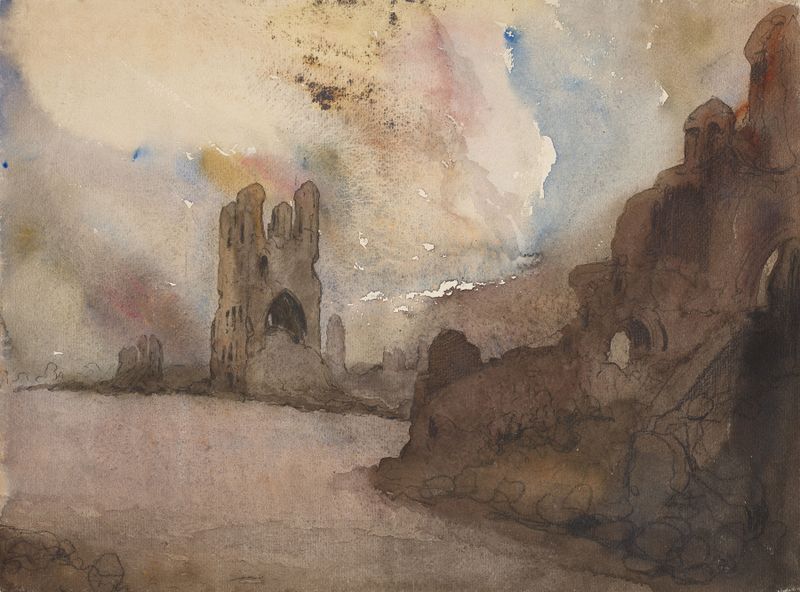
Ypres Remember
Alfred Ost
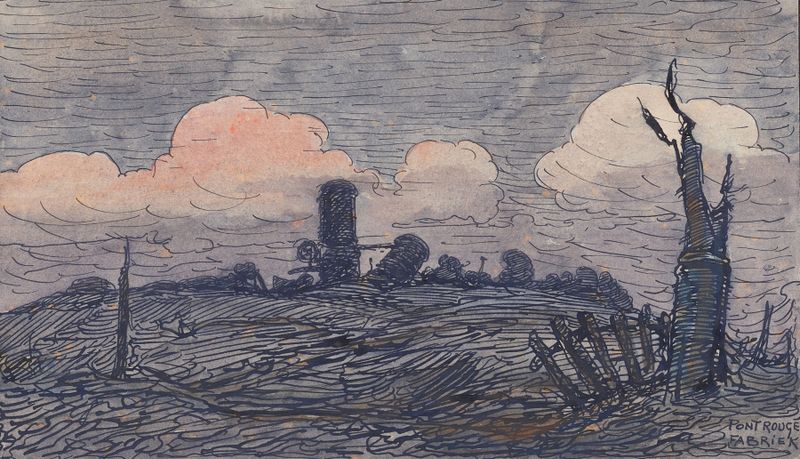
Ypres Remember
Alfred Ost

Bedevaarders op weg naar de Sint Salavtorkerk van Hakendover
Alfred Ost
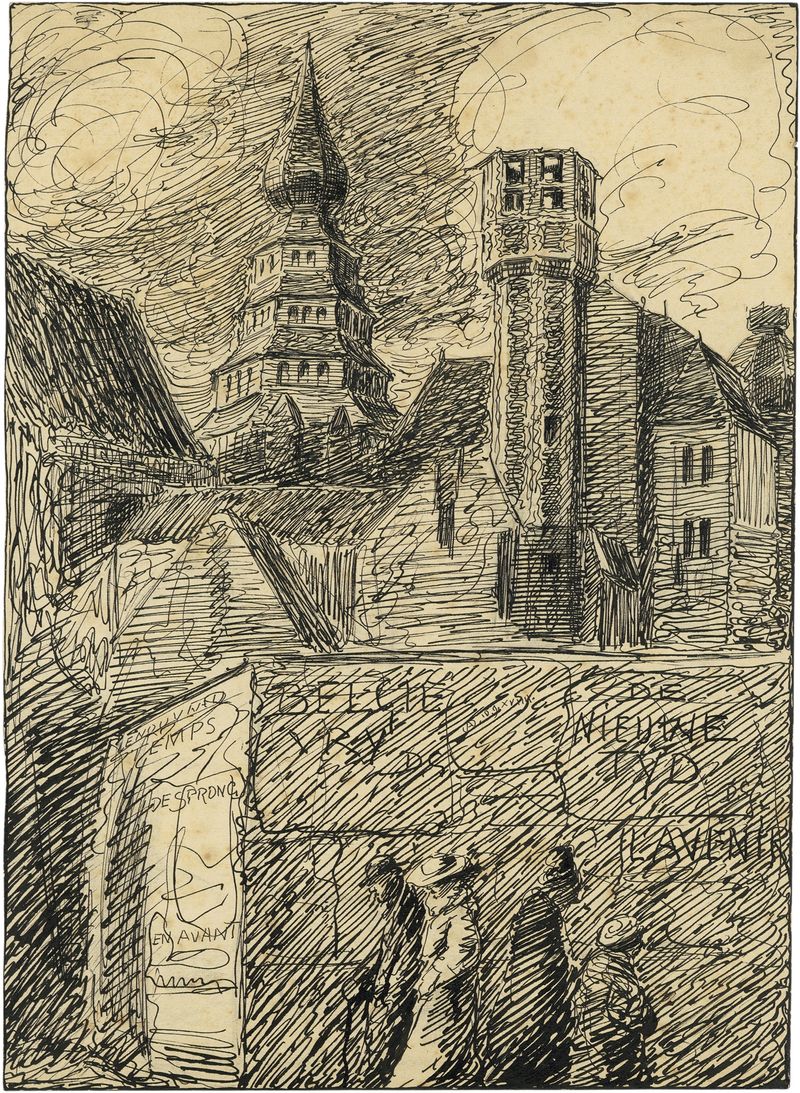
‘België vrij. De nieuwe tijd.’
Alfred Ost

Vierkantshoeve
Alfred Ost

Huis met rieten dak in een veld
Alfred Ost

Italiaanse kerk en bomen
Alfred Ost

Sint-Salvatorkerk in Hakendover – zijaanzicht
Alfred Ost





