
Landkaart van Engeland en Wales — History & Facts
Maps have the power to transform perception, inviting us to traverse the known and the unknown. Each stroke and line holds within it the promise of discovery and change. Focus first on the intricate details that make up the landscape of Landkaart van Engeland en Wales. The delicate etchings map the contours of the land, revealing valleys, rivers, and settlements, each meticulously rendered.
Notice how the delicate lines weave together, creating a tapestry that invites exploration and wonder. The tonal variations, from dark shadows to soft highlights, articulate not just geography but the essence of a nation poised on the brink of transformation. Hidden within these cartographic details lies a narrative of shifting identities and evolving landscapes. The absence of color draws attention to the starkness of the terrain, suggesting both the beauty and harshness of the British Isles.
This contrast between the familiar and the foreign speaks to the tumultuous period of the 17th century, as the realms of England and Wales began to redefine their borders, both physically and culturally. The map serves not only as a depiction but also as a reminder of the fluidity of place and identity. Created in 1644, this work emerges from the hand of Wenceslaus Hollar, a Czech artist who settled in England during a time of tremendous upheaval. The Civil War was reshaping the political landscape, while the art world was undergoing its own transformation, with growing interest in topography and naturalism.
Hollar's engravings captured this spirit of change, blending artistic skill with a burgeoning curiosity about the world, leaving an indelible mark on cartography and art alike.
More Artworks by Wenceslaus Hollar
Browse all →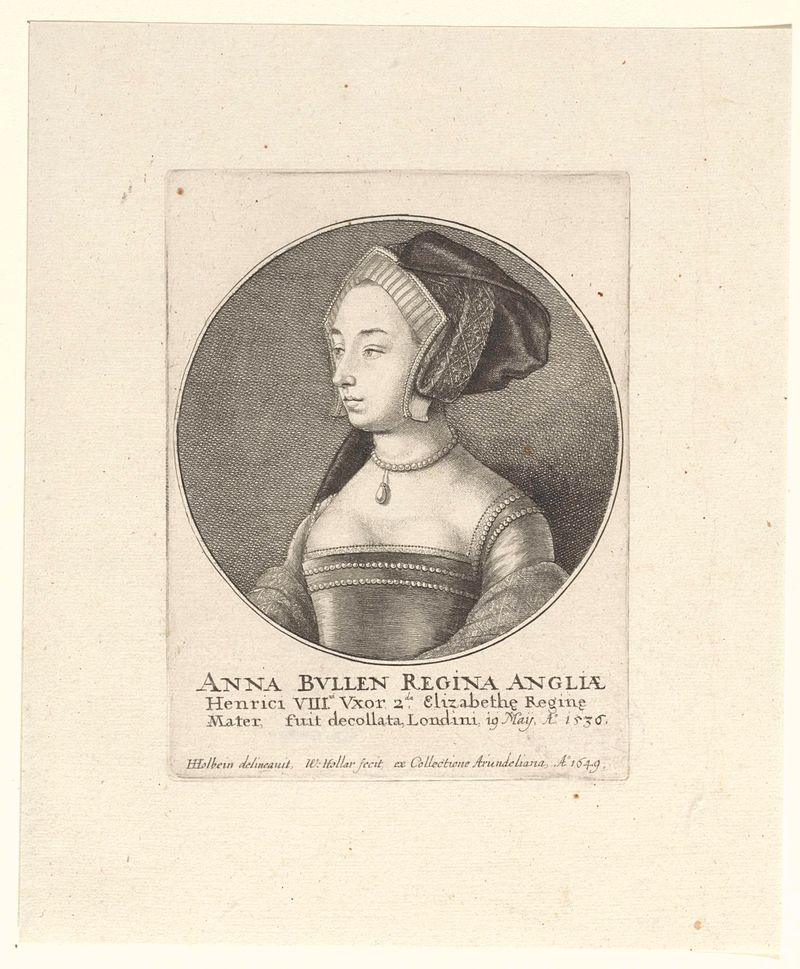
Portret van Anna Boleyn, koningin van Engeland
Wenceslaus Hollar
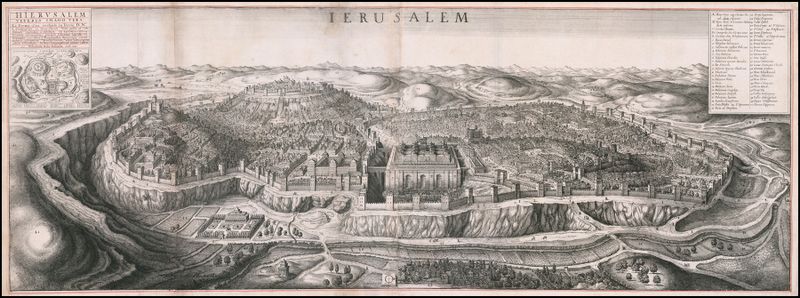
Bird’s eye view of Jerusalem
Wenceslaus Hollar
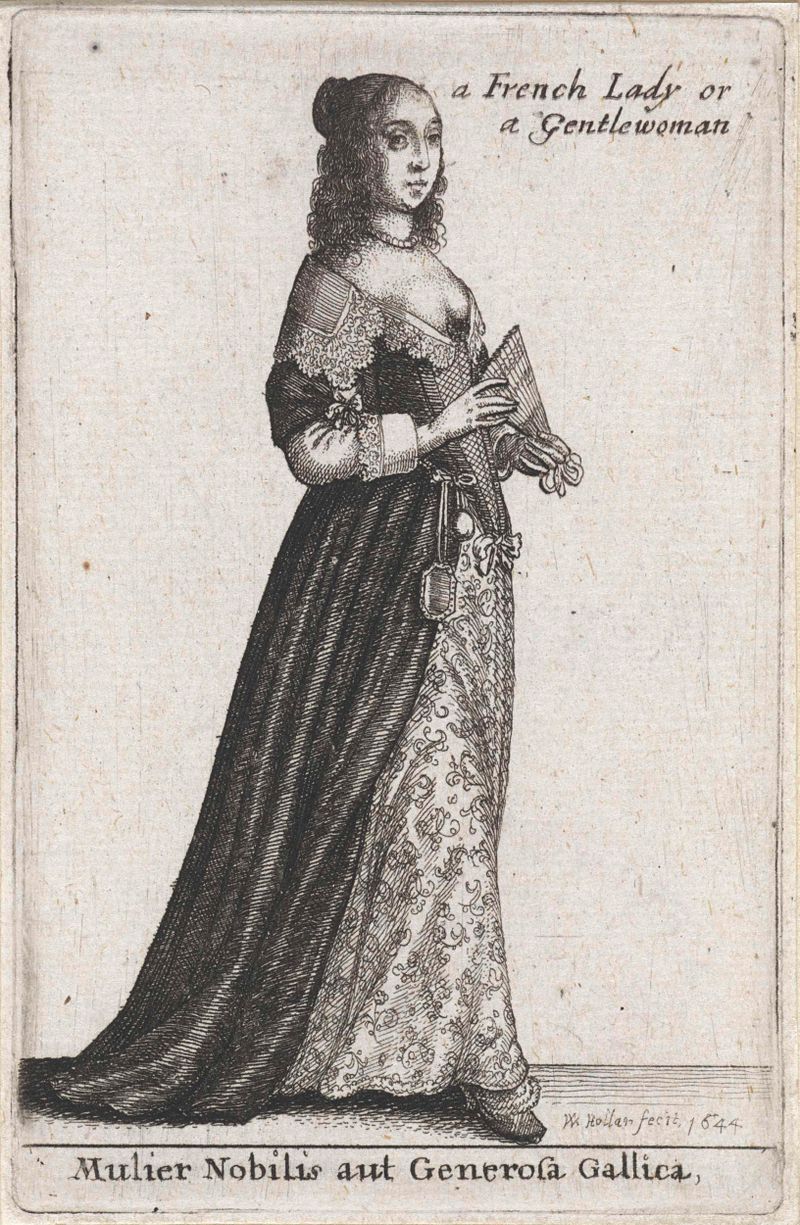
Mulier Nobilis aut Generosa Gallica / a French Lady or Gentlewoman
Wenceslaus Hollar
Titelprent voor: Ornatus Muliebris Anglicanus
Wenceslaus Hollar
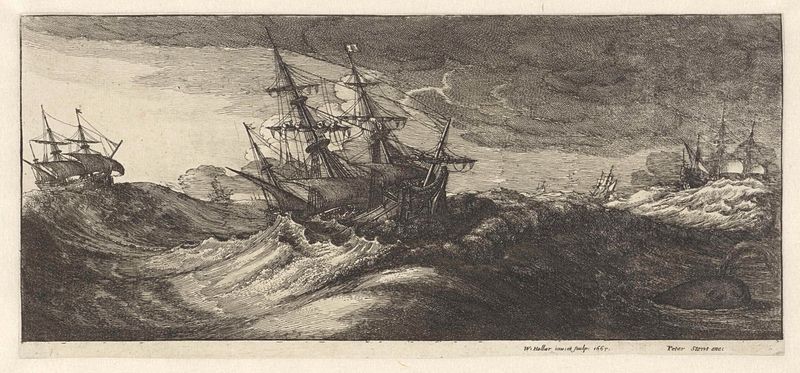
Oorlogsschepen en een walvis in een zeestorm
Wenceslaus Hollar
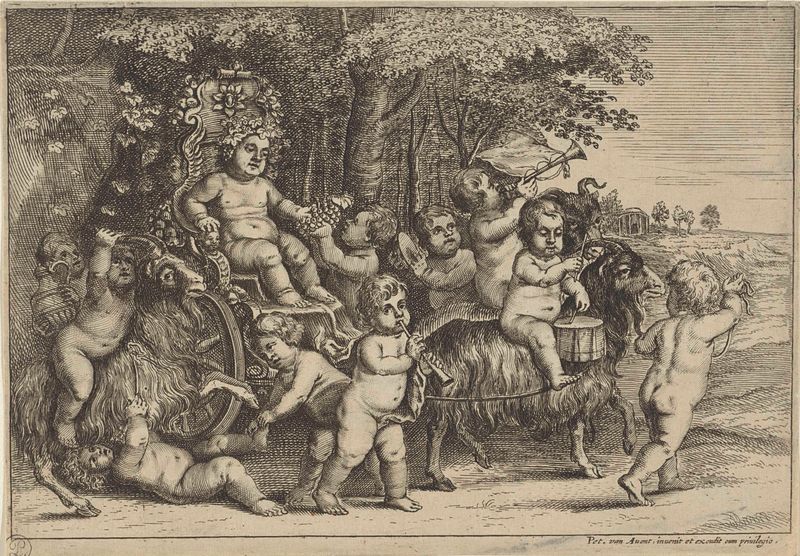
Optocht van bacchant en jongetjes op geiten
Wenceslaus Hollar
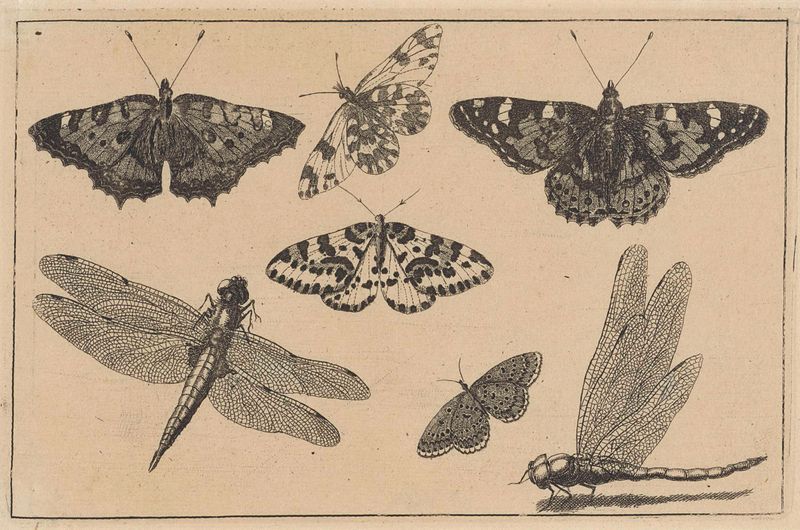
Twee libellen en vijf vlinders
Wenceslaus Hollar
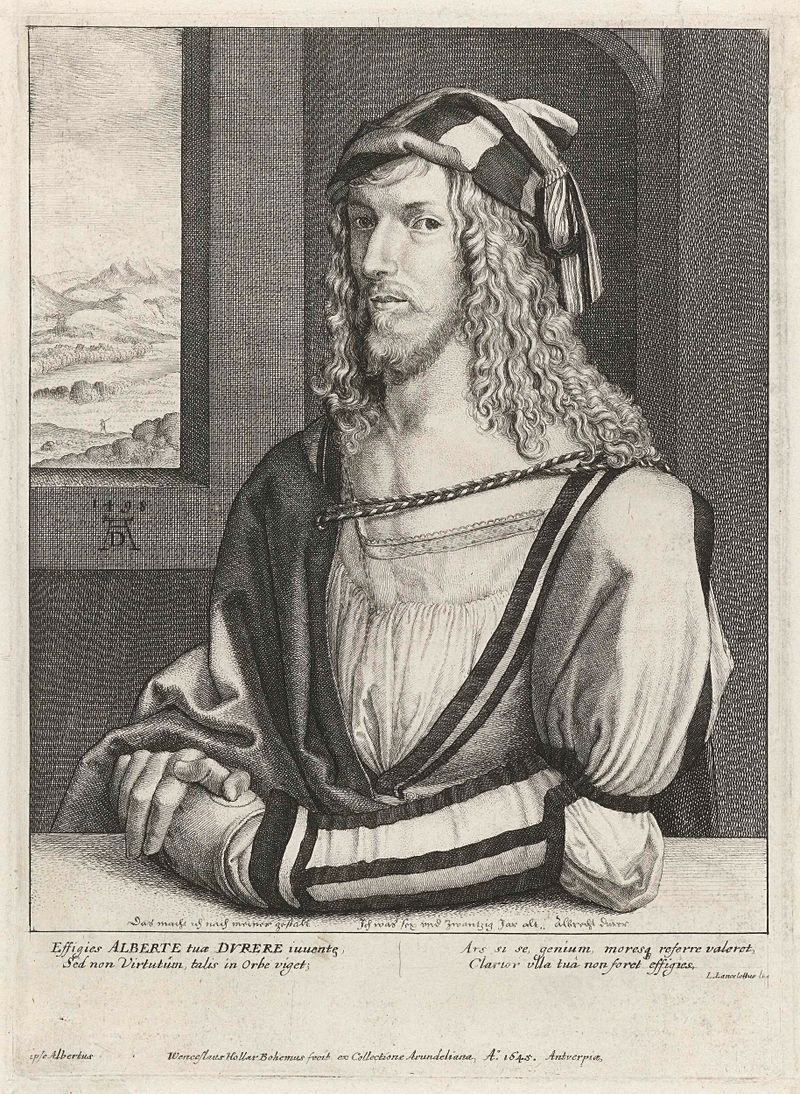
Portret van Albrecht Dürer
Wenceslaus Hollar
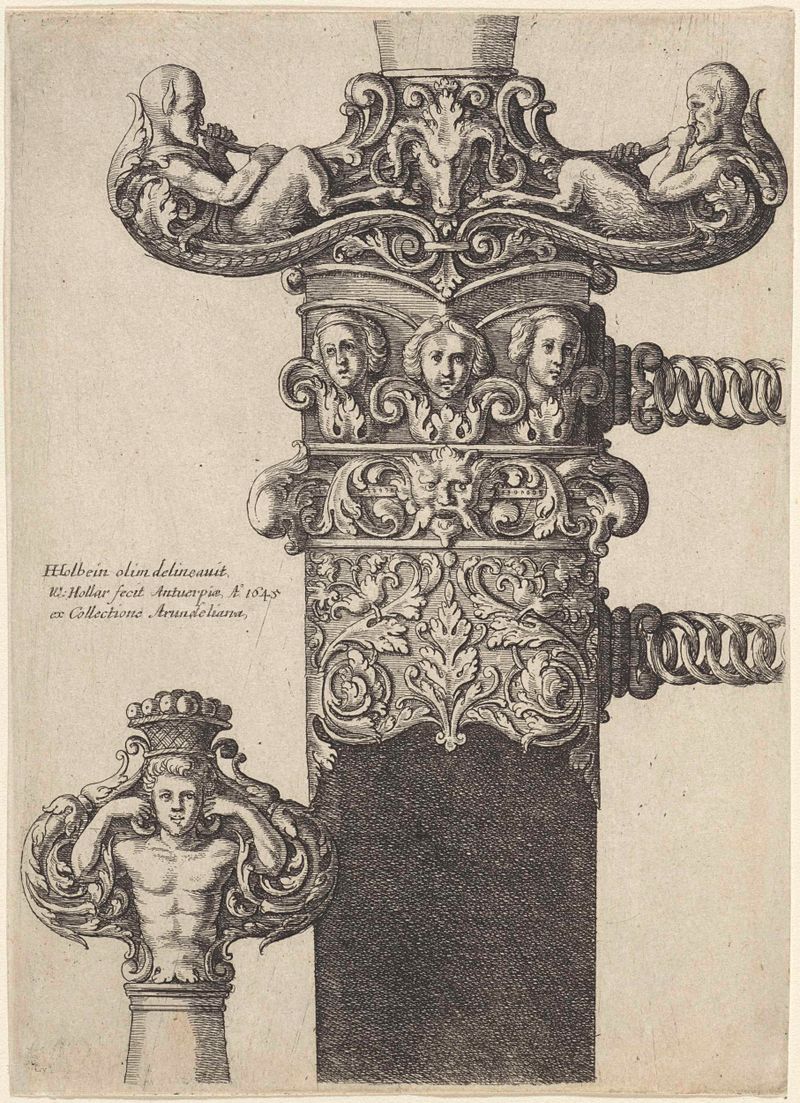
Ornamenteel ontwerp voor een dolk
Wenceslaus Hollar
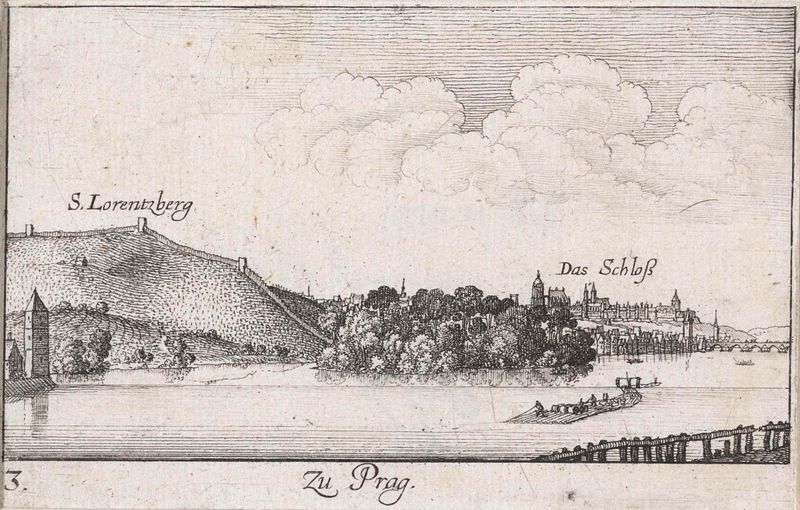
Gezicht op Praag vanaf de Moldau
Wenceslaus Hollar





