
Landscape — History & Facts
When did color learn to lie? In the subtle dance of hues within this artwork, an enigmatic transformation unfolds, questioning our perception of nature and reality itself. Look to the vast expanse of the canvas, where gentle gradients of blue and green blend seamlessly, evoking a serene landscape. The eye is drawn first to the horizon, where the sky softly meets the earth, the interplay of light rendered in delicate brushstrokes. Notice how the vibrant greens of the foreground contrast sharply with the cooler tones above, inviting a sense of depth while hinting at the emotional turbulence lying beneath the serene surface. As you explore further, the subtle diffusion of light reveals hidden layers of meaning—an illusion of tranquility that belies an underlying tension.
The muted, almost spectral quality of the colors suggests a fleeting moment caught between reality and imagination, urging the viewer to ponder the transient nature of beauty. Each stroke conveys a silent dialogue with the viewer, transforming the familiar into something hauntingly poignant. In 1910, Wilhelm Trübner created this piece amid a period of significant artistic exploration in Germany. The rise of modernism challenged traditional representations, as artists sought to convey emotion and experience through abstraction and innovative color use.
Trübner, rooted in both Impressionism and early Expressionism, was deeply engaged with the transformative power of art, reflecting the broader cultural shifts of his time.
More Artworks by Wilhelm Trübner
Browse all →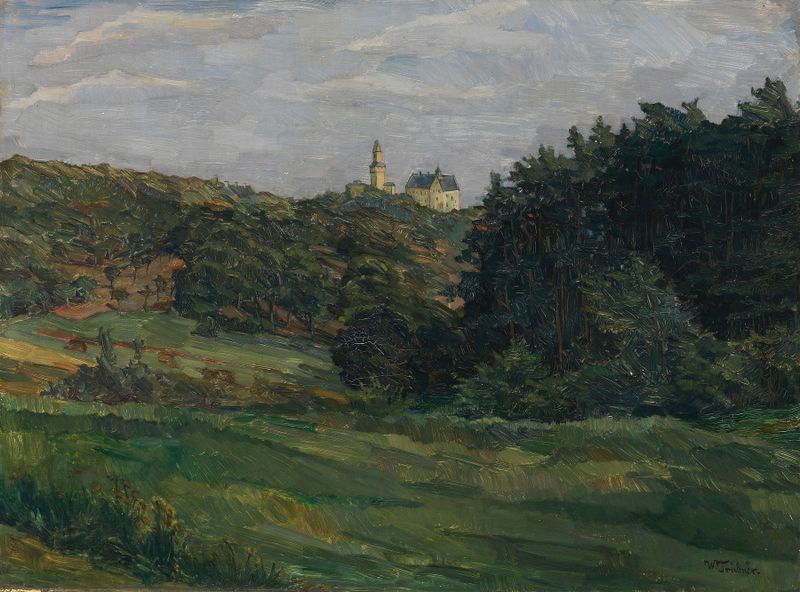
Burg Kronberg im Taunus
Wilhelm Trübner
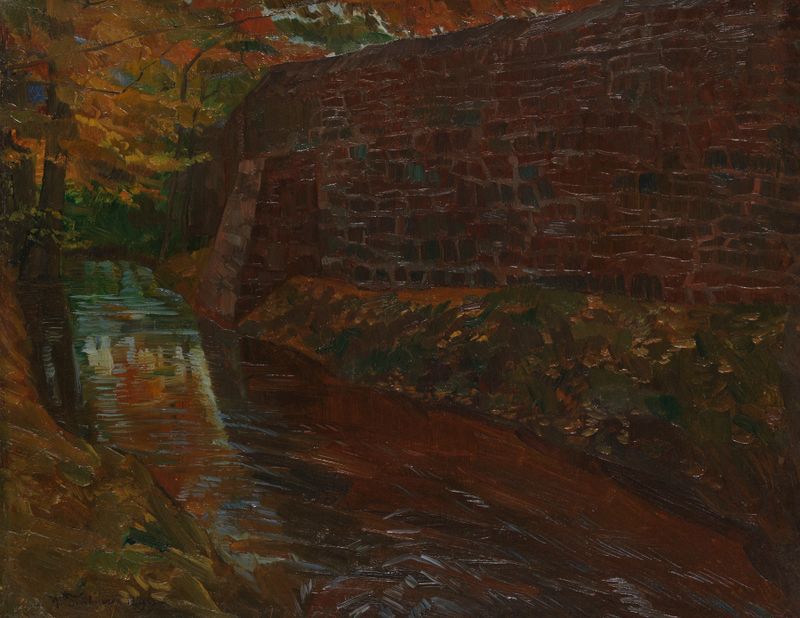
Parkmauer in Amorbach
Wilhelm Trübner

Garten einer Villa am Starnberger See
Wilhelm Trübner

A View of Frauenchiemsee
Wilhelm Trübner
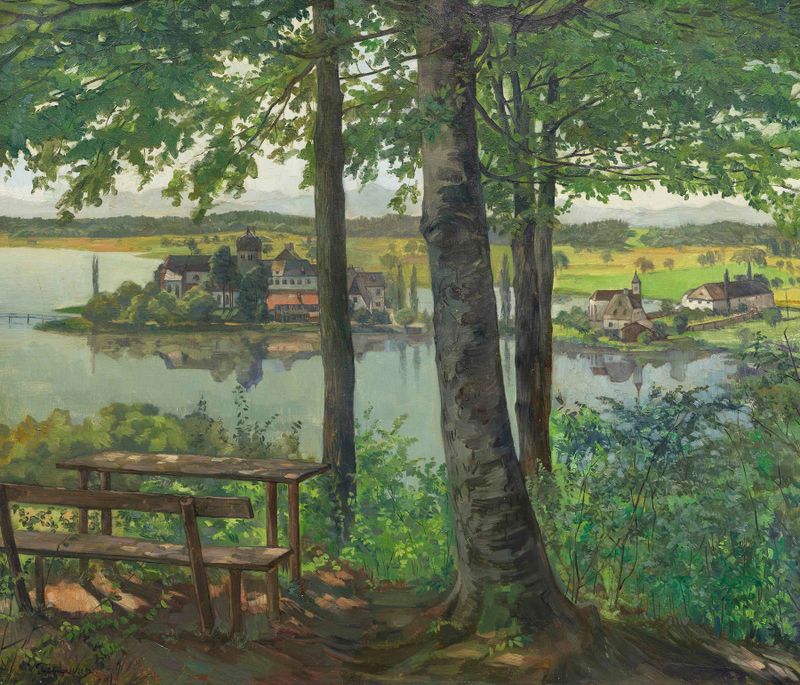
Aussicht auf Kloster Seeon
Wilhelm Trübner
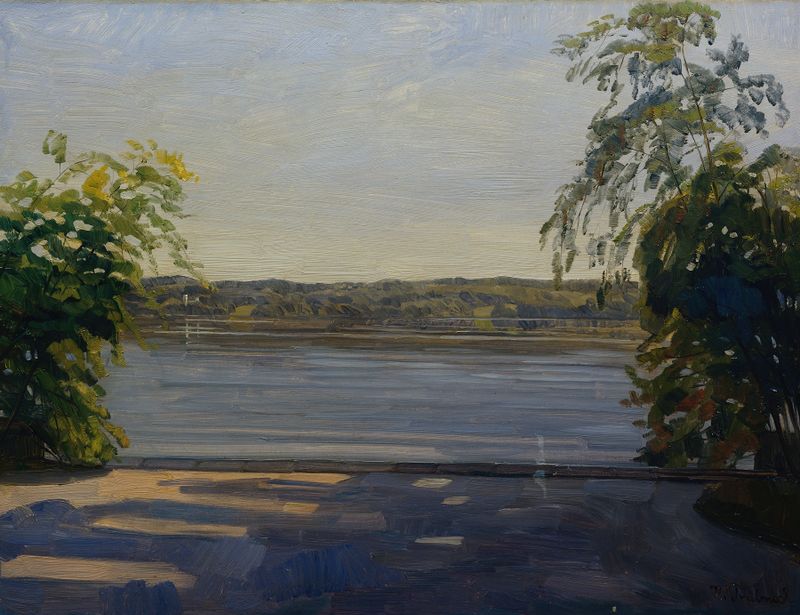
Starnberger See
Wilhelm Trübner
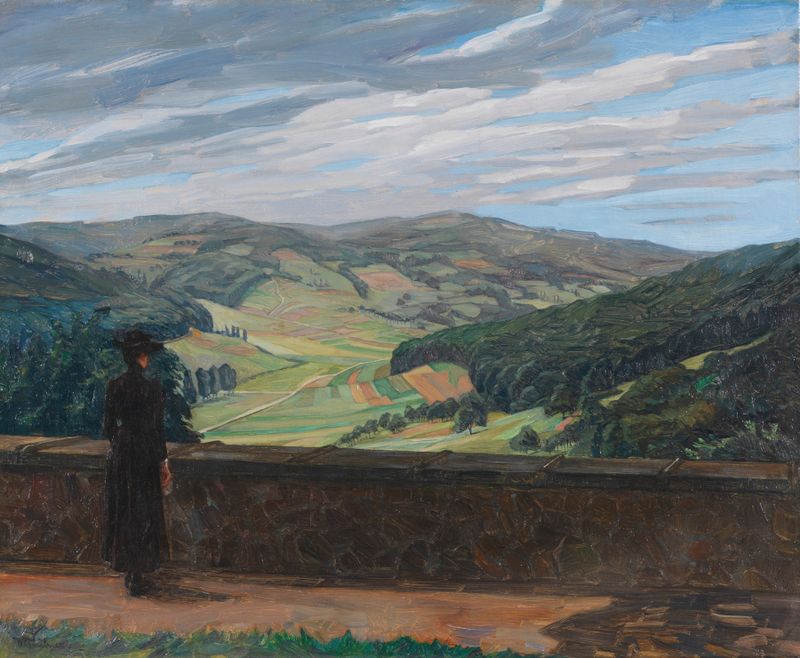
Blick in den Odenwald
Wilhelm Trübner
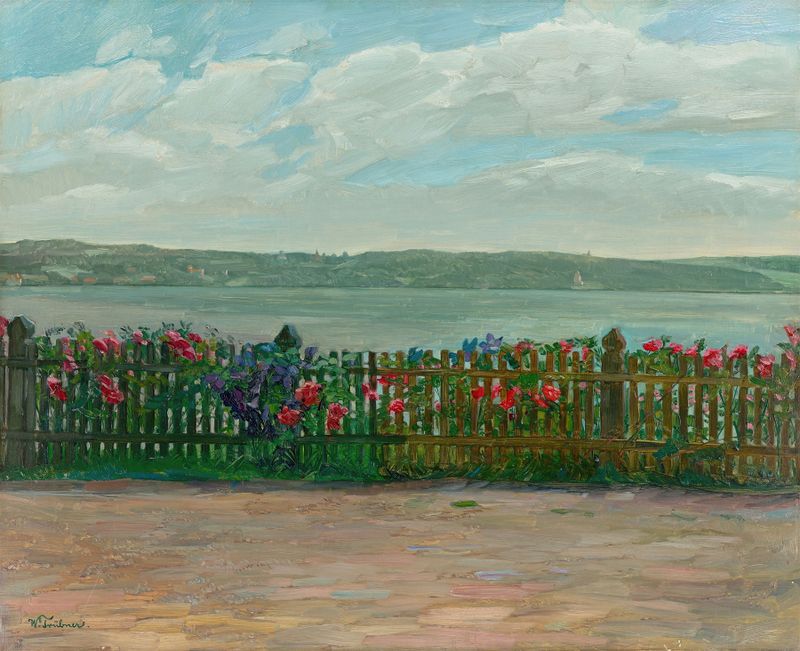
Rose fence with view of the Berg Castle at Lake Starnberg
Wilhelm Trübner
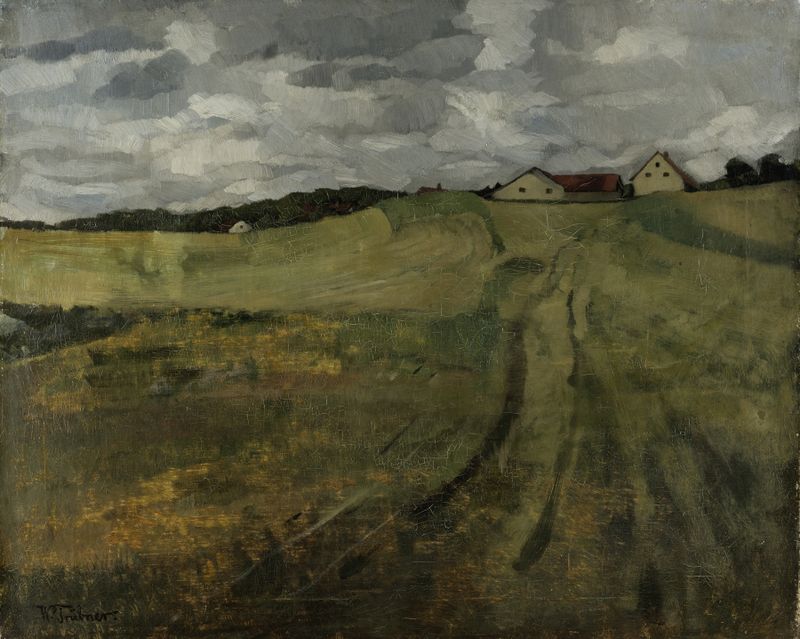
Stubble Field with Ascending Path near Wessling
Wilhelm Trübner
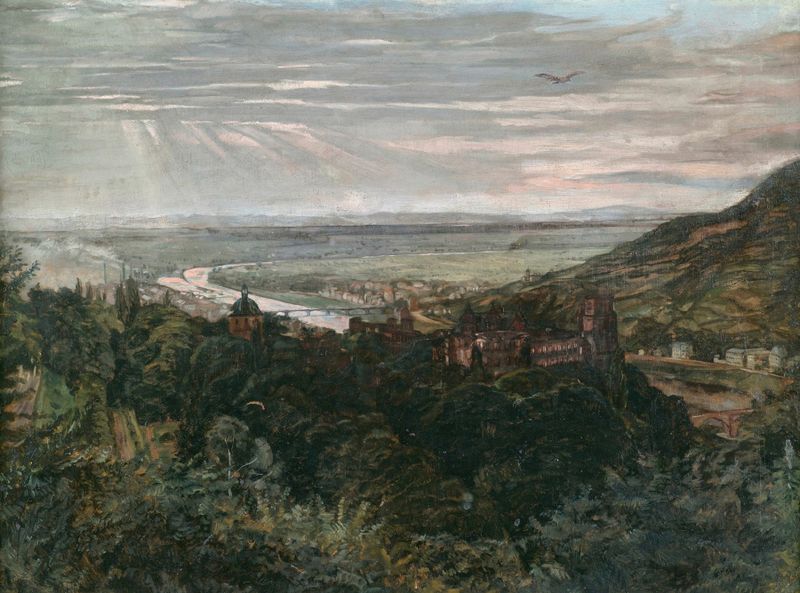
View of Heidelberg
Wilhelm Trübner





