
Landscape — History & Facts
Where does light end, and longing begin? In the stillness of a landscape, silence speaks volumes, inviting us to ponder the depths of nature's embrace. Look to the horizon where soft hues of lavender and gold melt into one another, drawing the eye toward an ethereal sky. The delicate brushstrokes create texture, while the gentle play of light across the undulating hills gives a sense of movement, as if nature breathes in rhythm with our own heartbeats. The foreground, painted in lush greens, invites you to wander closer, yet the distant trees remain tantalizingly out of reach, suggesting both comfort and a yearning for the unattainable. Upon closer inspection, one finds emotional tension nestled within the tranquil beauty—a contrast between the vibrancy of the earth and the coolness of the sky.
The flickers of light on the leaves whisper stories of fleeting moments, while the distant mountains loom like silent guardians, holding secrets that may never be revealed. This landscape speaks not just of a physical space, but also of an inner longing, a desire to escape into the serenity it promises yet understands to be elusive. In 1890, Jan Stanisławski was deeply immersed in the Symbolist movement, painting in Poland during a time of cultural and artistic awakening. He sought to convey emotional depth through the depiction of landscapes, which reflected not only personal sentiment but also a collective yearning for nature.
His work from this period showcases a transition toward capturing feelings rather than mere representation, illustrating his pivotal role in the evolution of Polish art.
More Artworks by Jan Stanisławski
Browse all →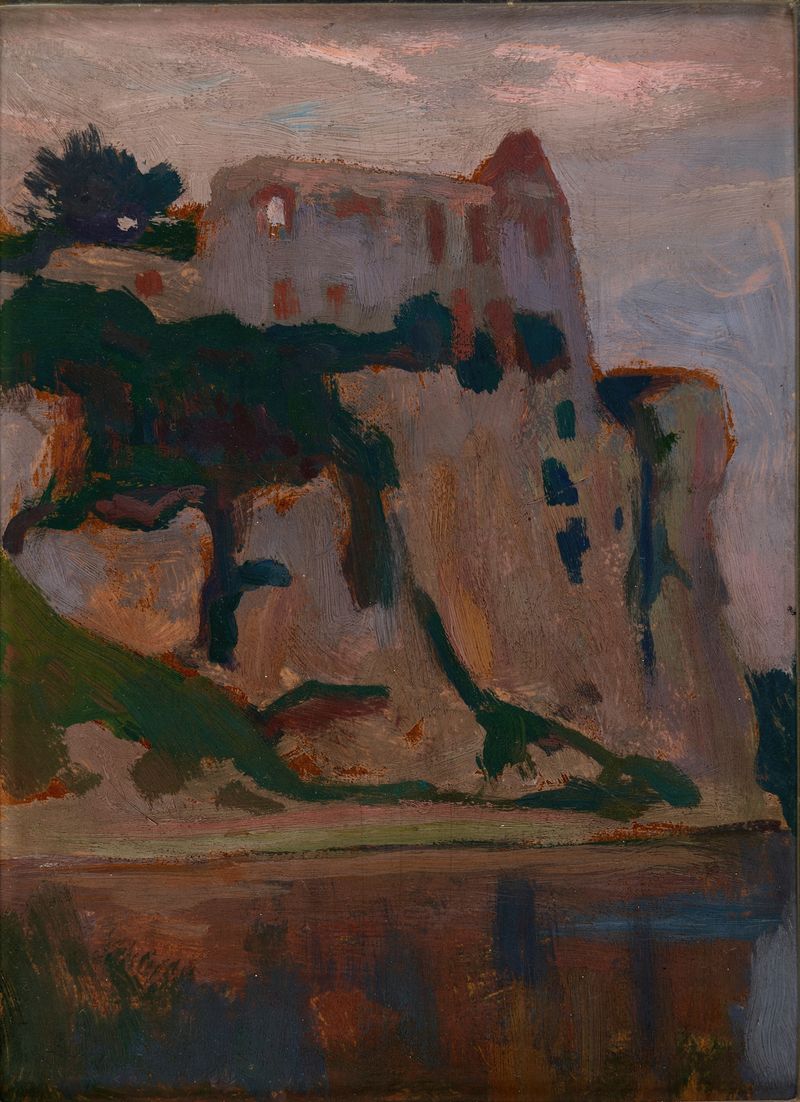
Tyniec at Dawn
Jan Stanisławski
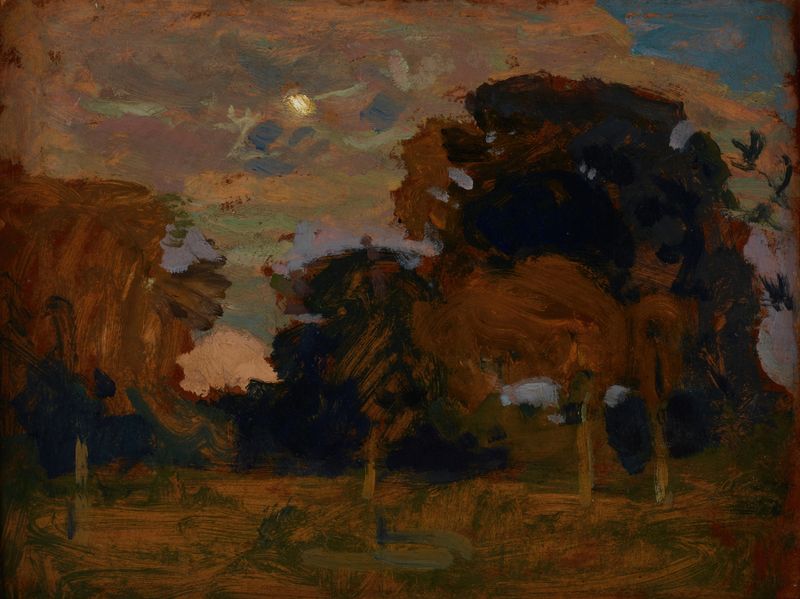
Moon in the Clouds
Jan Stanisławski
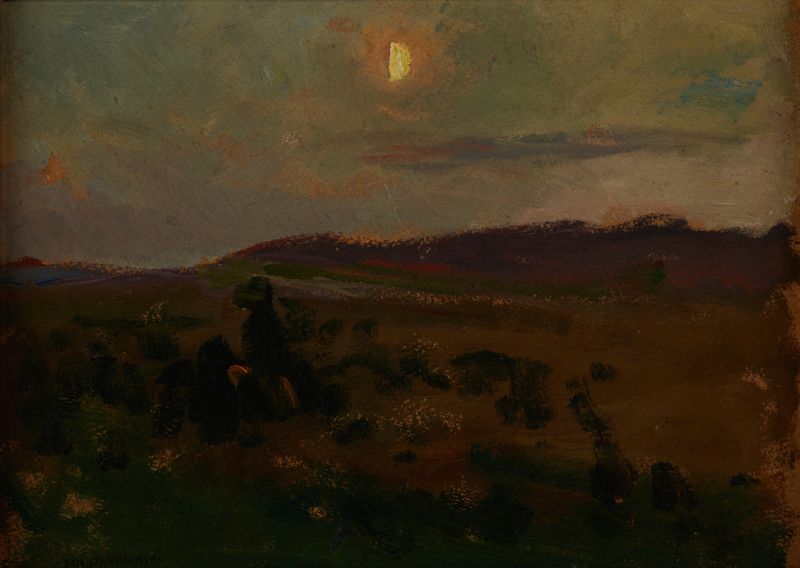
Moonrise
Jan Stanisławski
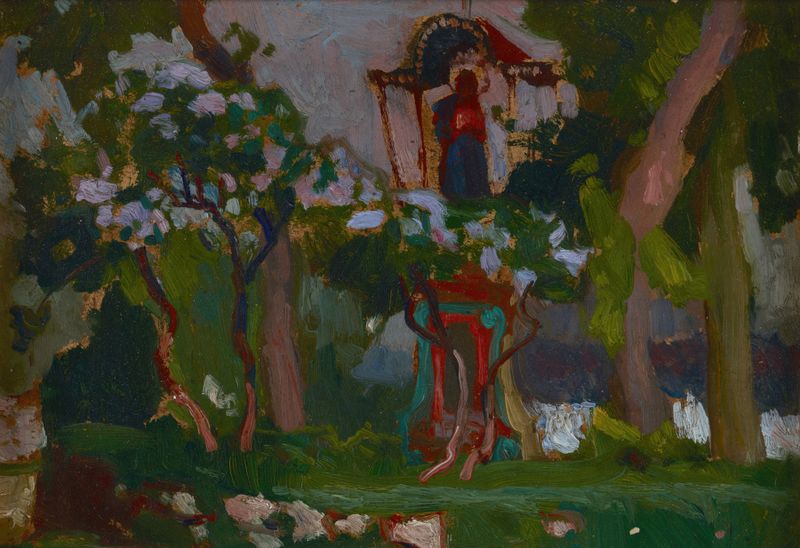
May
Jan Stanisławski
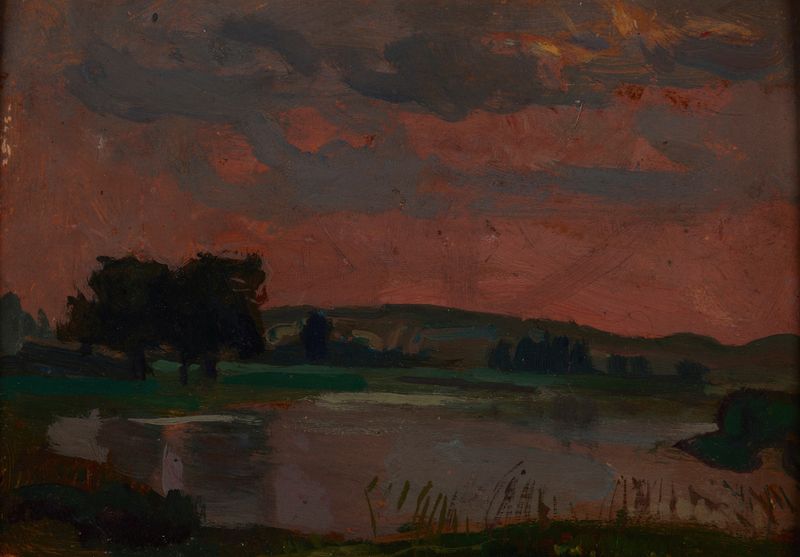
The Vistula in the Twilight
Jan Stanisławski
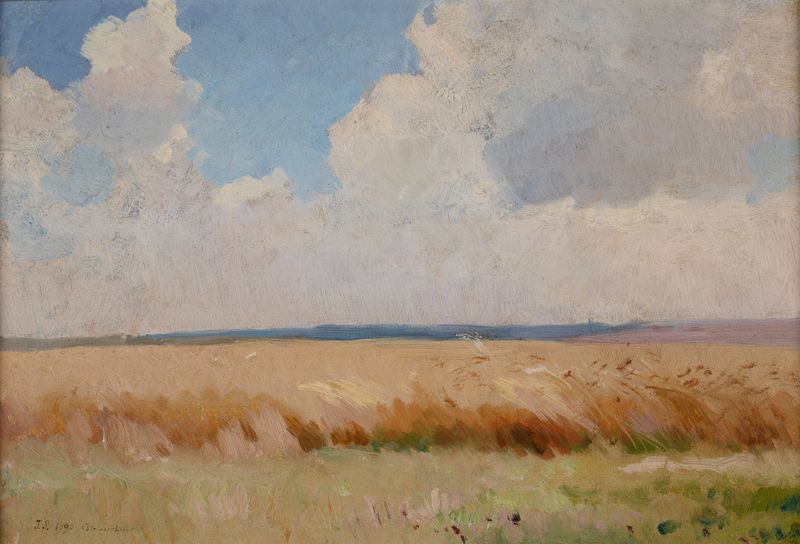
Field at Białocerkiew (Bila Tserkva)
Jan Stanisławski
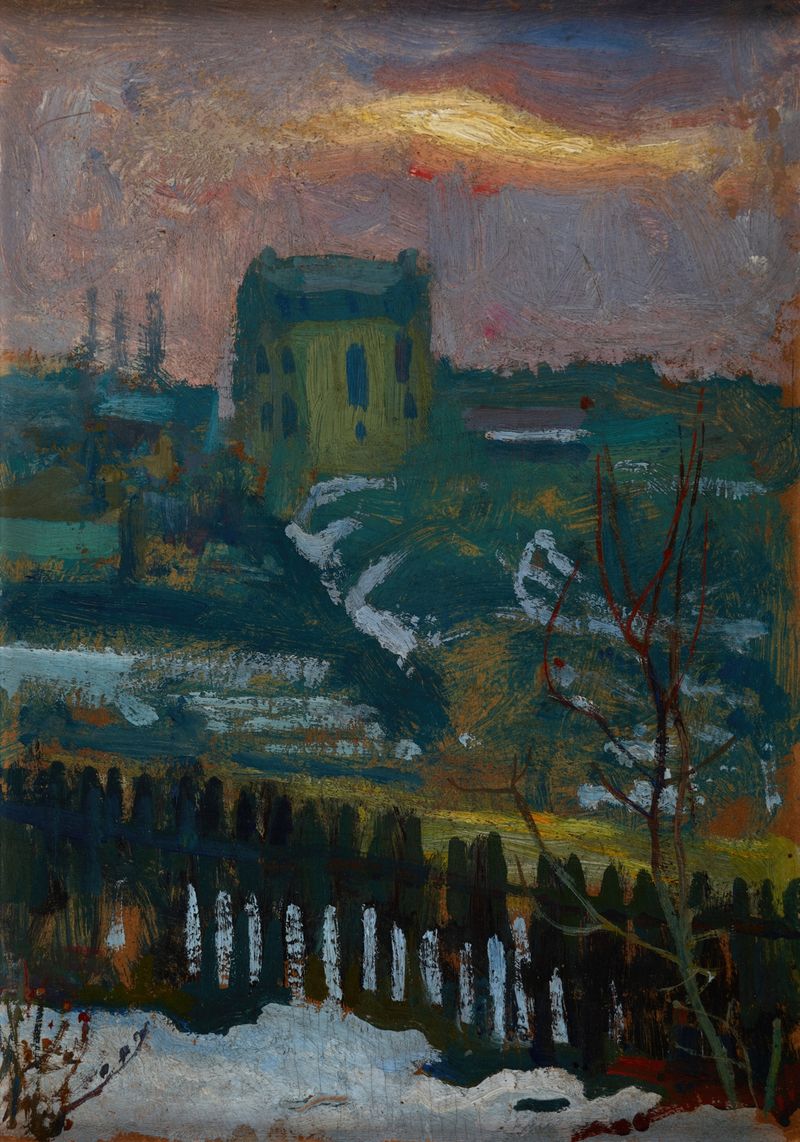
House in Winter
Jan Stanisławski
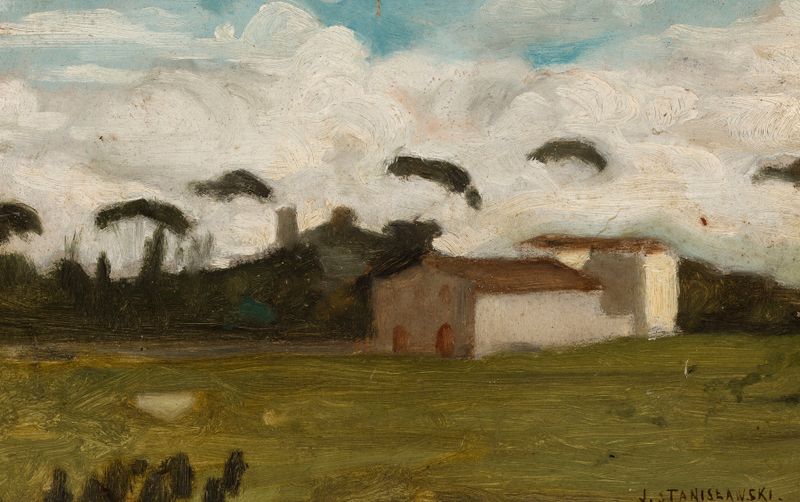
Landscape
Jan Stanisławski
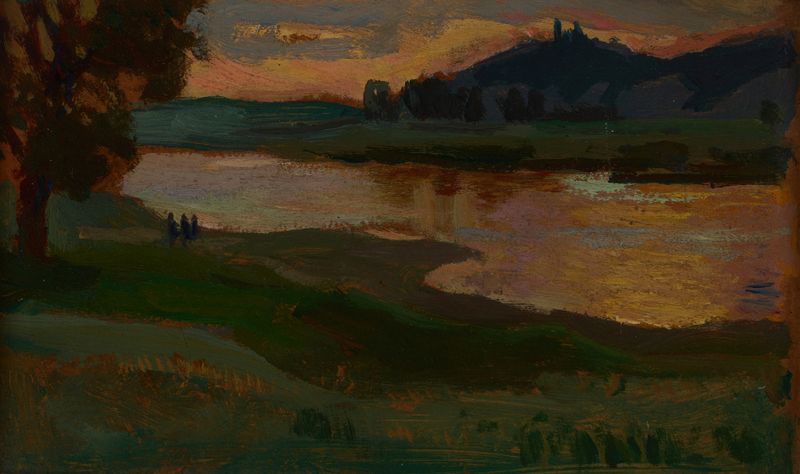
Bielany at Dusk
Jan Stanisławski
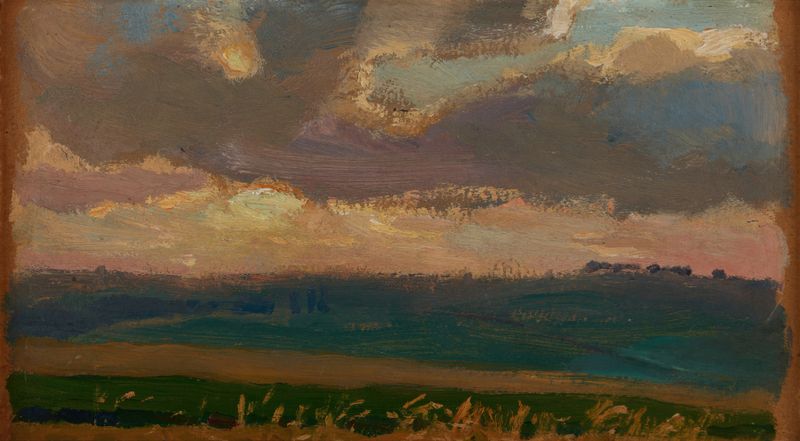
Fields at Proszowice
Jan Stanisławski





