
Landscape — History & Facts
In the quiet embrace of the natural world, a legacy unfolds in colors and shapes, beckoning us to reflect on the passage of time. Look closely at the horizon, where gentle hues of green and soft blues merge, inviting your gaze to roam across the undulating hills. The brushwork is both expressive and deliberate, creating a textured surface that breathes life into the landscape. Notice how light dances upon the foliage, casting playful shadows that suggest a moment suspended in time.
The layered strokes evoke a sense of depth, drawing us into a scene that feels both familiar and sublime. The contrast between the vibrant colors and the subtle, muted tones speaks to the duality of memory and forgetfulness. The richness of the foreground suggests vitality, while the more subdued background hints at the transience of beauty. Each stroke captures not just the essence of the land but also the fleeting nature of experience—the trees bearing silent witness to the changes that time brings.
This tension between permanence and impermanence forms the heart of the work. Created between 1897 and 1901, during a period of artistic exploration in Poland, the painter sought to articulate a unique vision that blended impressionistic techniques with national identity. Stanisławski was deeply influenced by the natural surroundings of his homeland, and this piece reflects both personal introspection and broader cultural themes. As he navigated the evolving art world, this landscape became a testament to his dedication to capturing the spirit of the land and its legacy.
More Artworks by Jan Stanisławski
Browse all →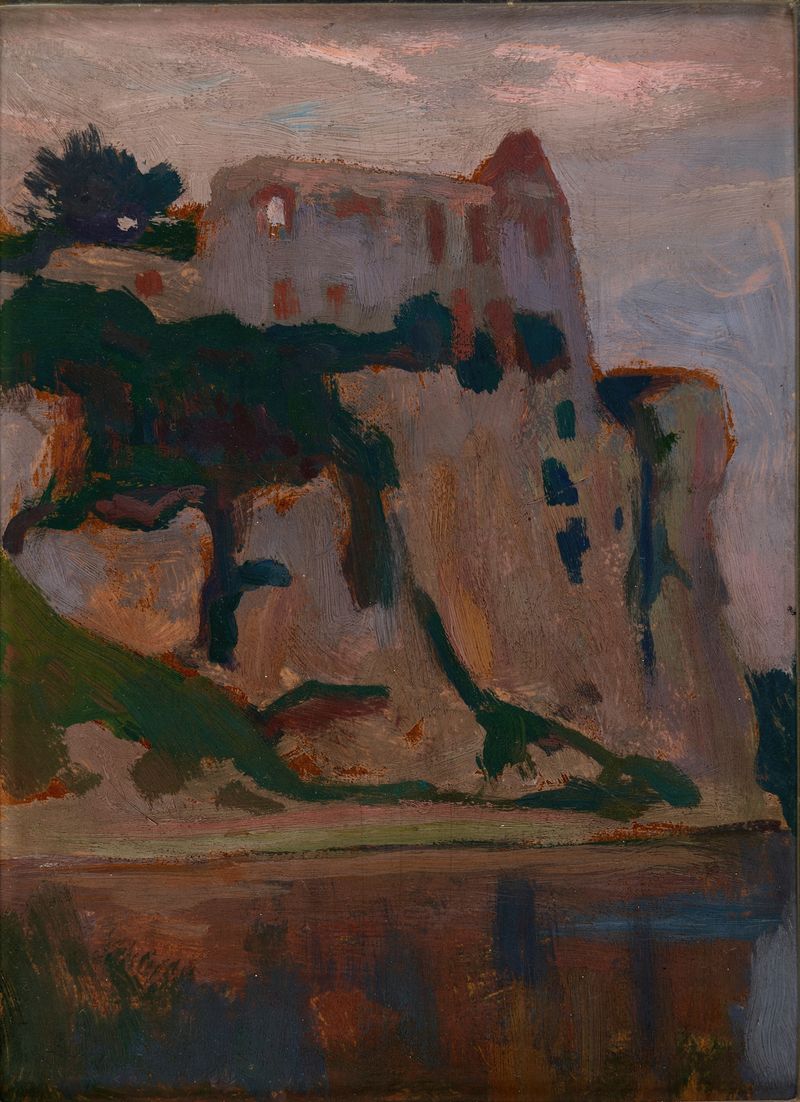
Tyniec at Dawn
Jan Stanisławski
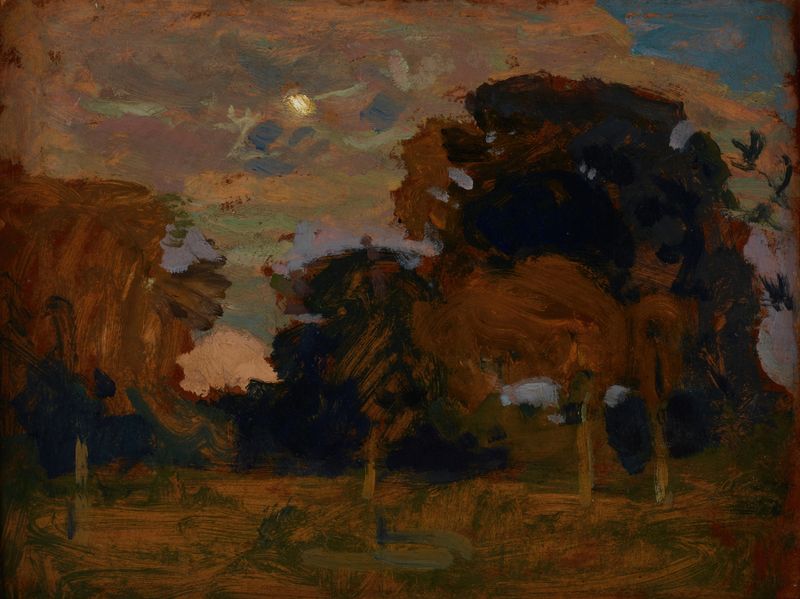
Moon in the Clouds
Jan Stanisławski
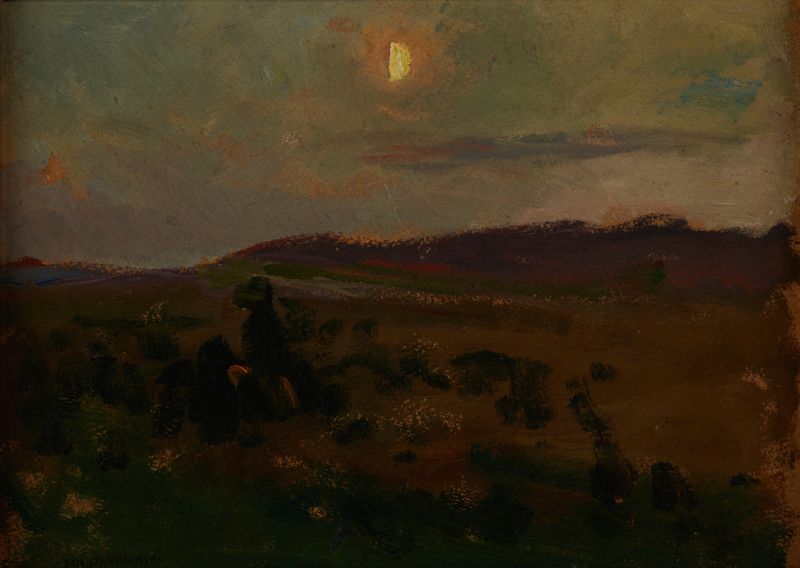
Moonrise
Jan Stanisławski
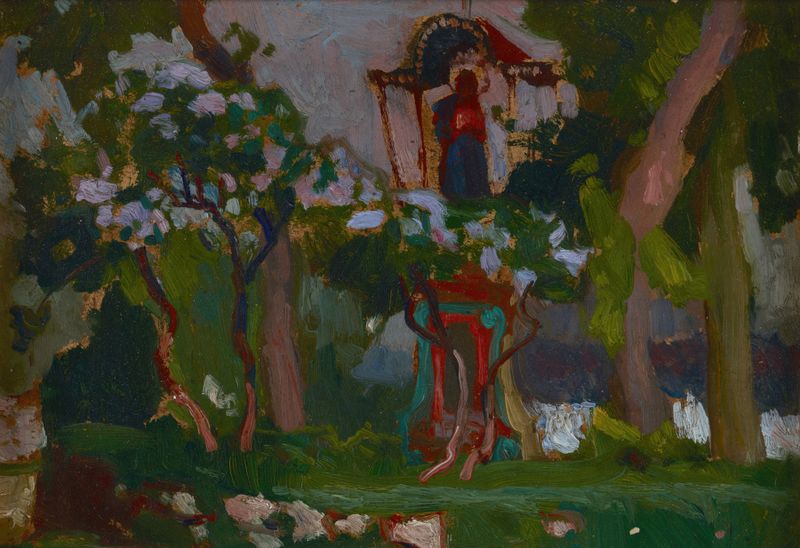
May
Jan Stanisławski
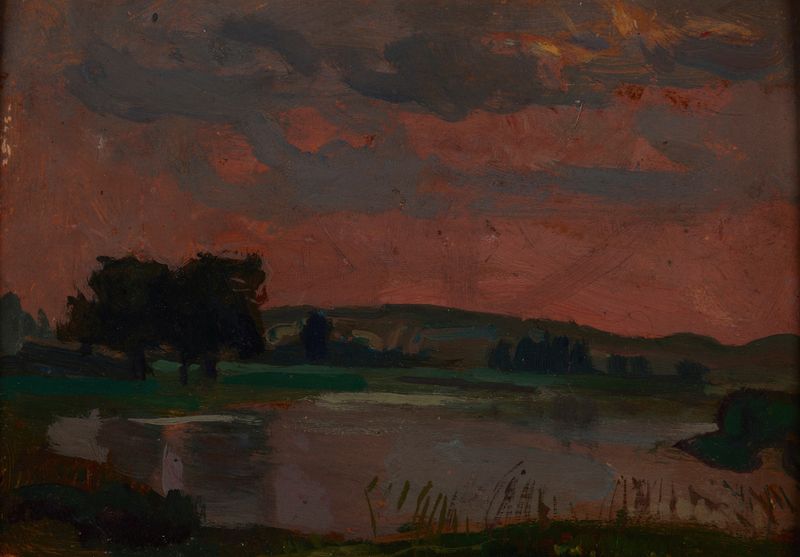
The Vistula in the Twilight
Jan Stanisławski
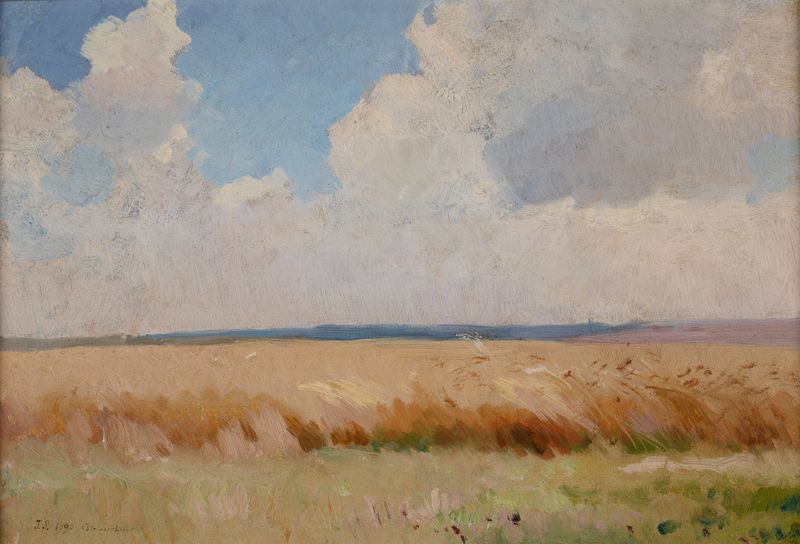
Field at Białocerkiew (Bila Tserkva)
Jan Stanisławski
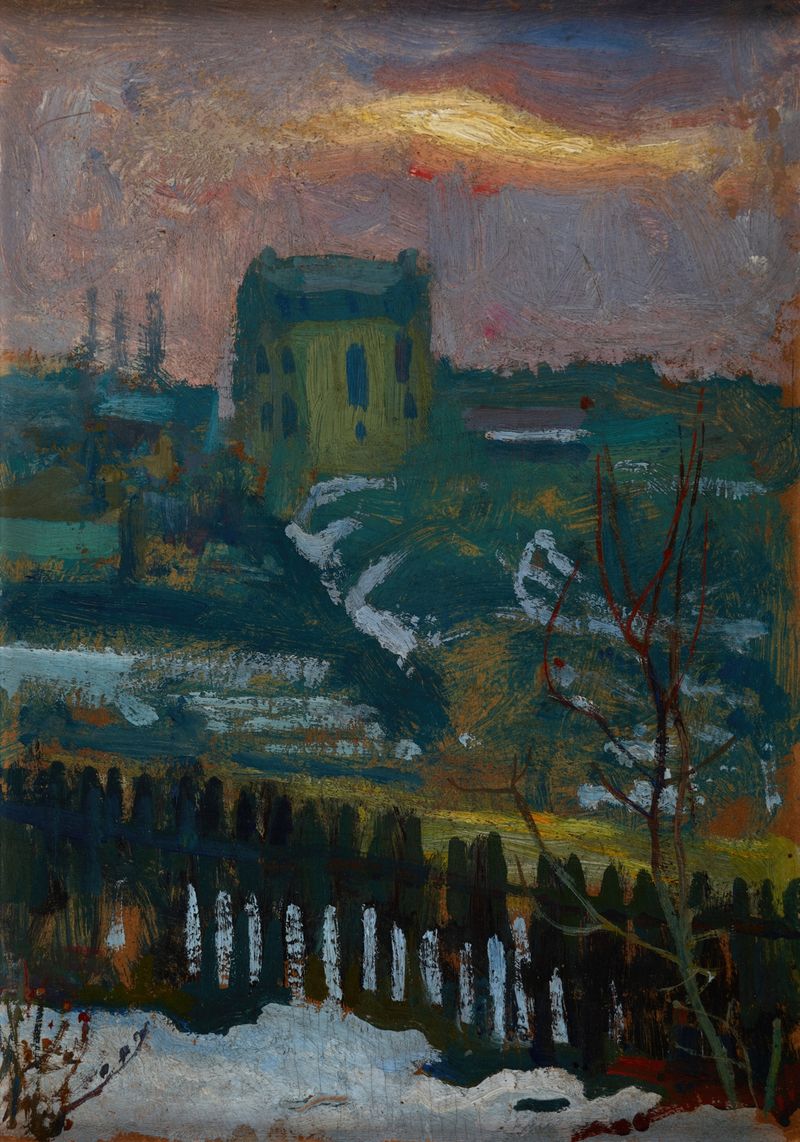
House in Winter
Jan Stanisławski
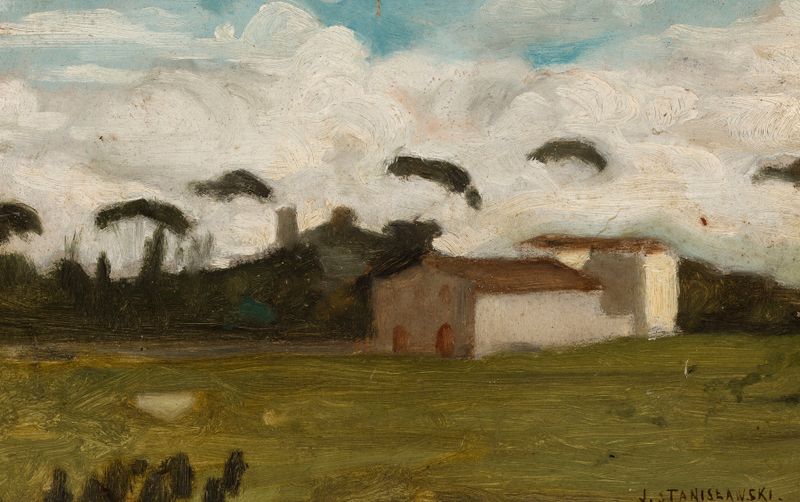
Landscape
Jan Stanisławski
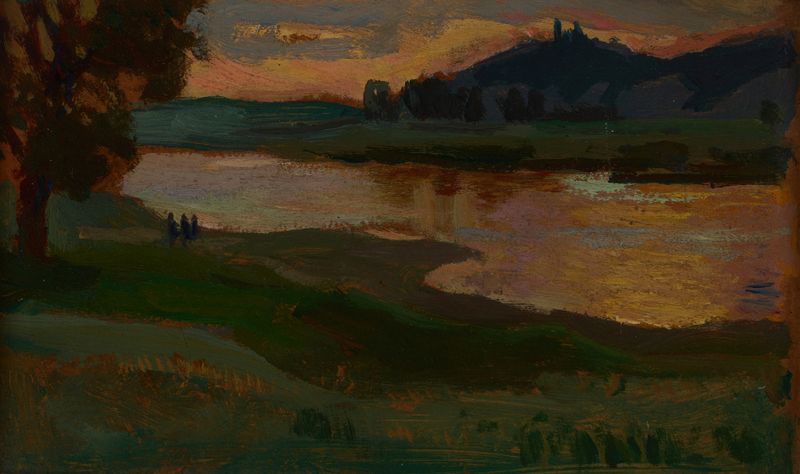
Bielany at Dusk
Jan Stanisławski
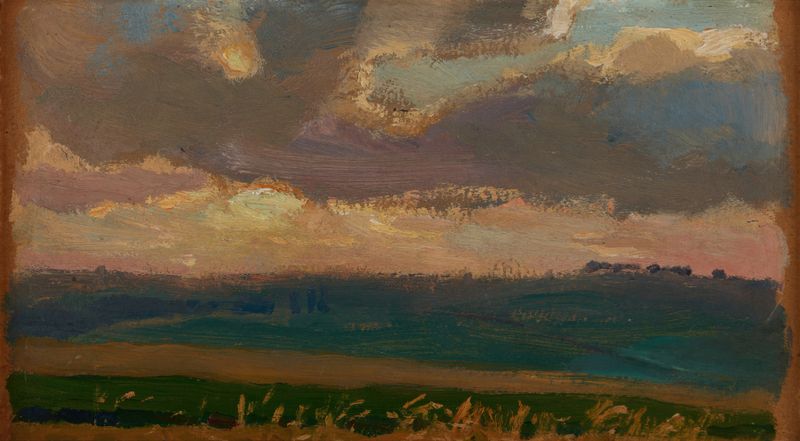
Fields at Proszowice
Jan Stanisławski





