
Landscape — History & Facts
What if beauty was never meant to be finished? In the realm of art, truths are born from brushstrokes, transforming the tangible into the ephemeral. Look to the right at the delicate interplay of greens and browns that intertwine in the landscape's rolling hills. The artist masterfully contrasts the vibrant foliage with the soft, muted sky, suggesting an impending change, perhaps a storm or twilight. Notice how the light falls upon the treetops, capturing a fleeting moment that speaks to both serenity and unease.
The soft texture of the paint creates a sense of movement, inviting viewers to step into this tranquil yet dynamic space. In this artwork, the tension between the permanence of the landscape and the transience of nature's beauty is palpable. The majestic trees stand as silent witnesses to time, their sturdy trunks juxtaposed with the delicate wisps of cloud that hint at impermanence. Each stroke carries a whisper of nostalgia, as if recalling a moment that is both cherished and fleeting, encouraging viewers to reflect on their own experiences of beauty in the relentless passage of time. In 1899, Stanisławski painted this piece during a time of personal exploration and the rise of the Young Poland movement, which sought to blend traditional and modern influences in art.
Living in a period of cultural awakening, he found inspiration in the landscapes of his homeland, capturing the essence of natural beauty while navigating the complexities of identity and expression.
More Artworks by Jan Stanisławski
Browse all →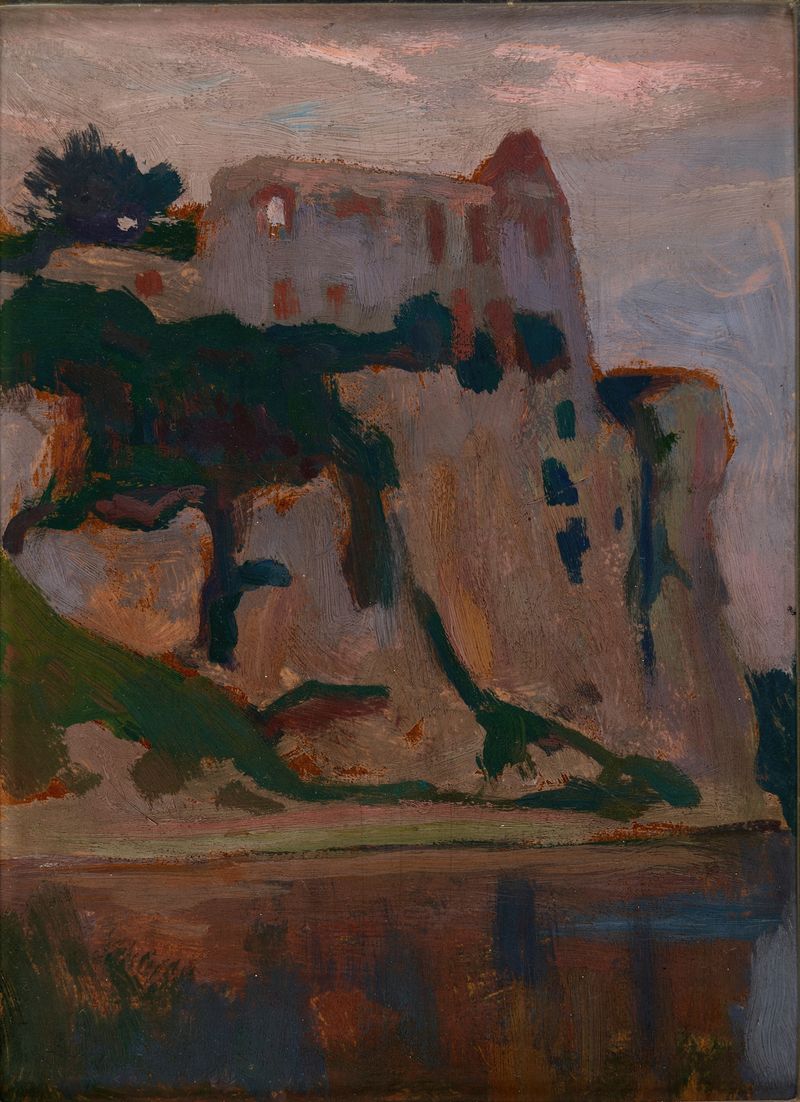
Tyniec at Dawn
Jan Stanisławski
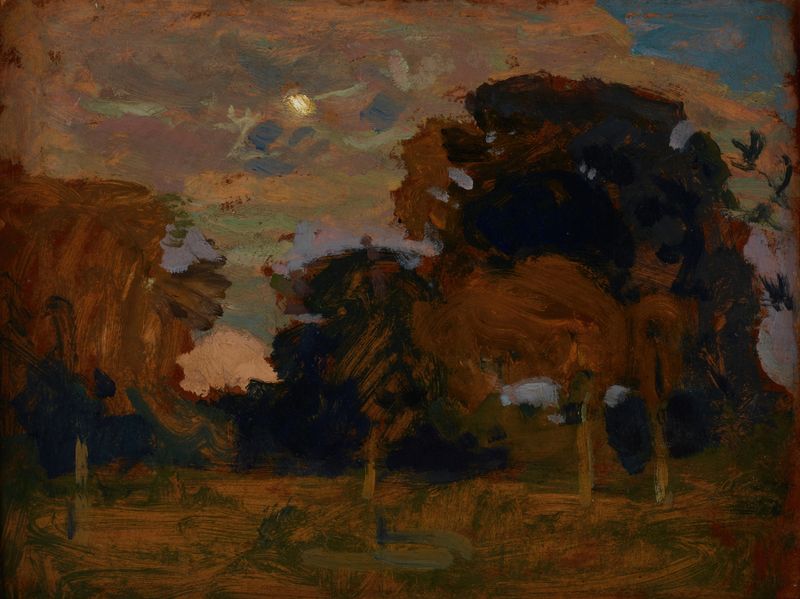
Moon in the Clouds
Jan Stanisławski
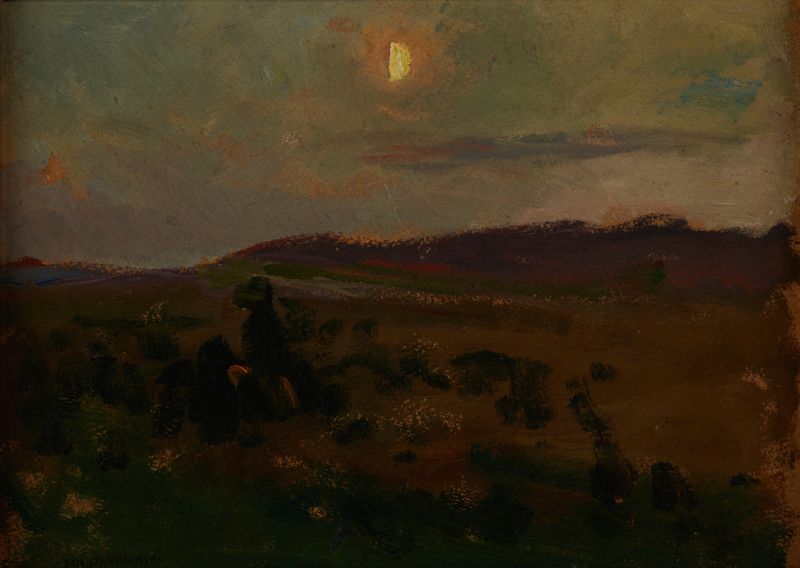
Moonrise
Jan Stanisławski
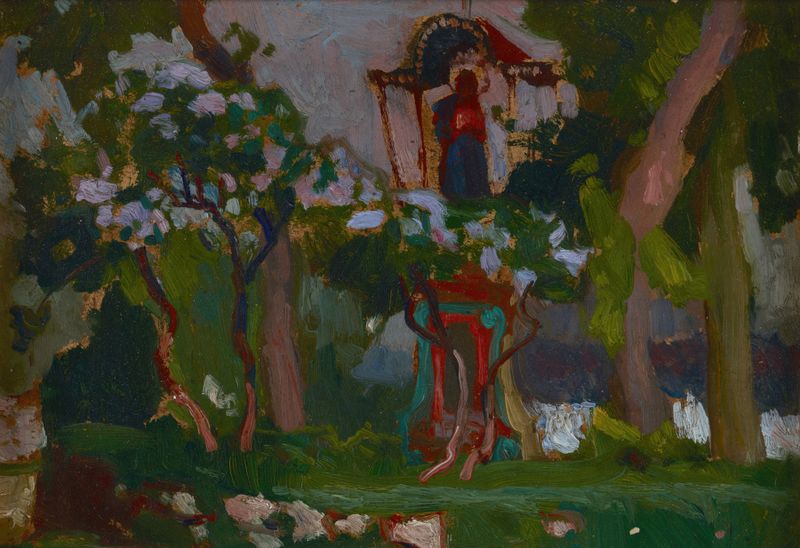
May
Jan Stanisławski
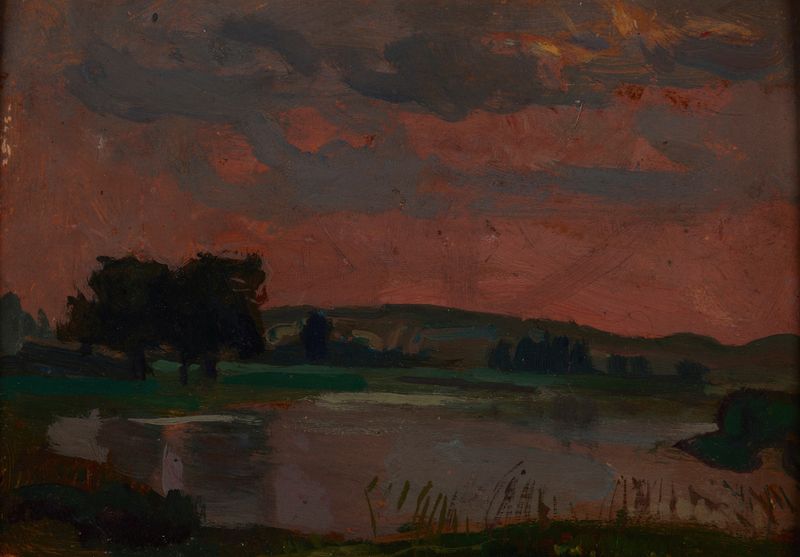
The Vistula in the Twilight
Jan Stanisławski
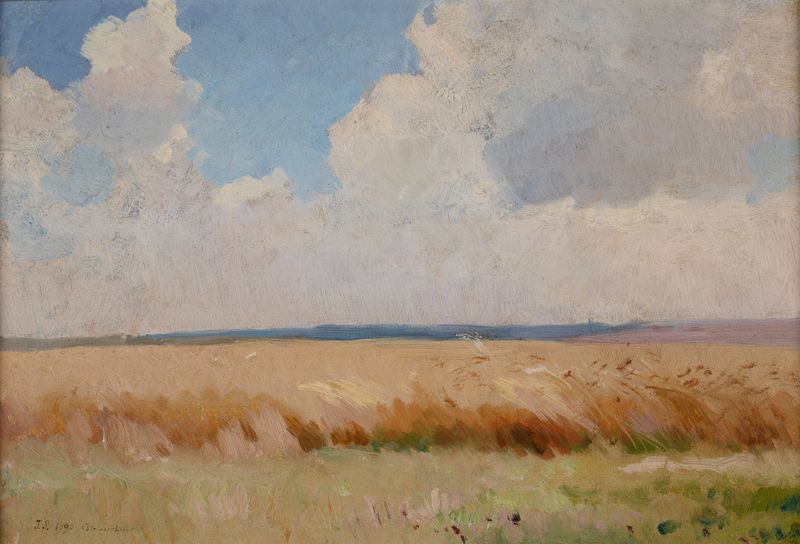
Field at Białocerkiew (Bila Tserkva)
Jan Stanisławski
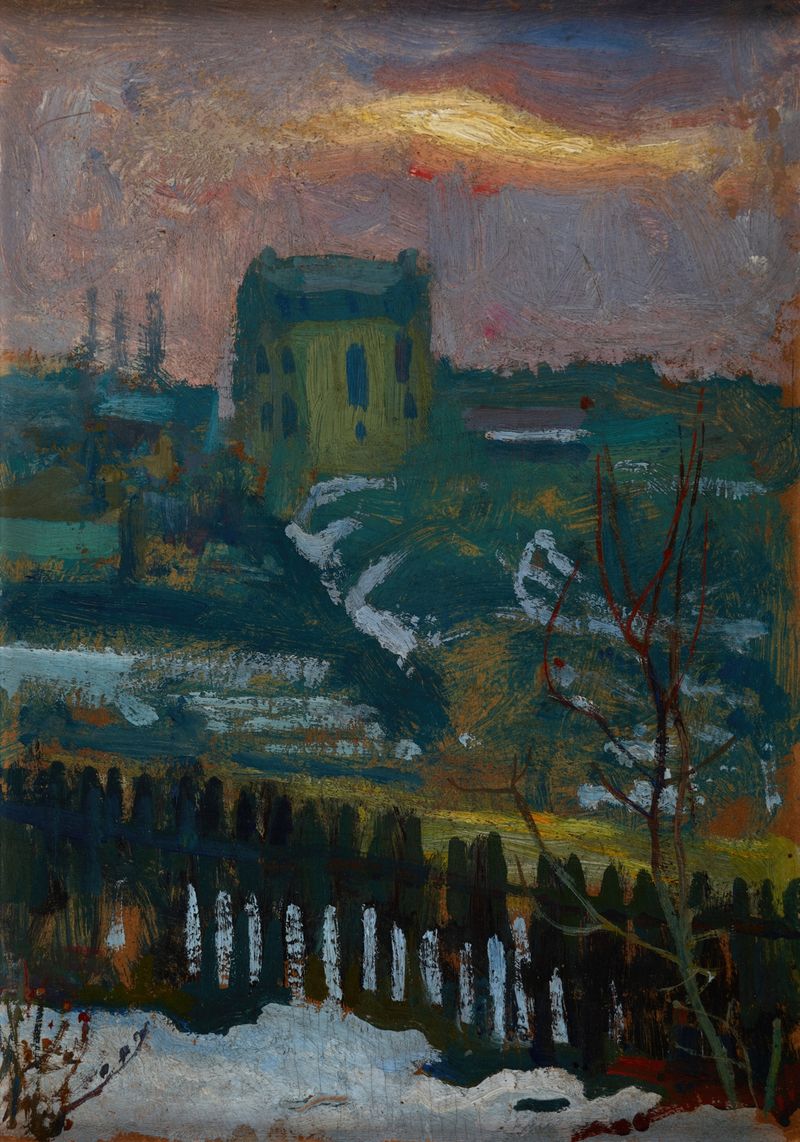
House in Winter
Jan Stanisławski
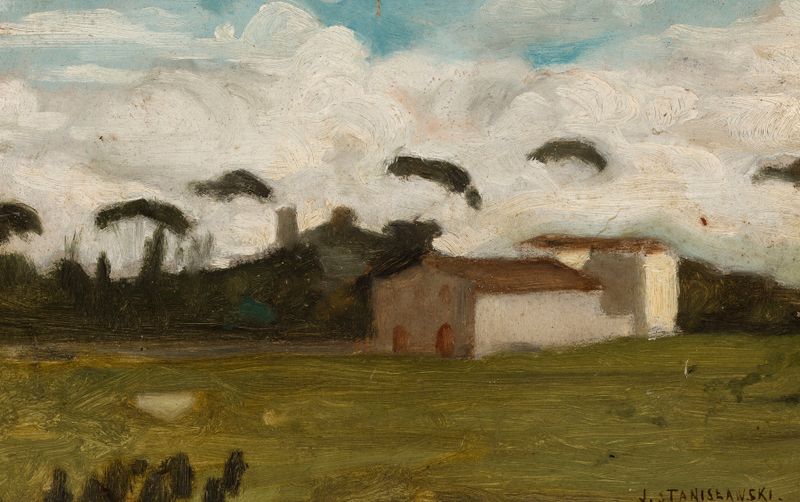
Landscape
Jan Stanisławski
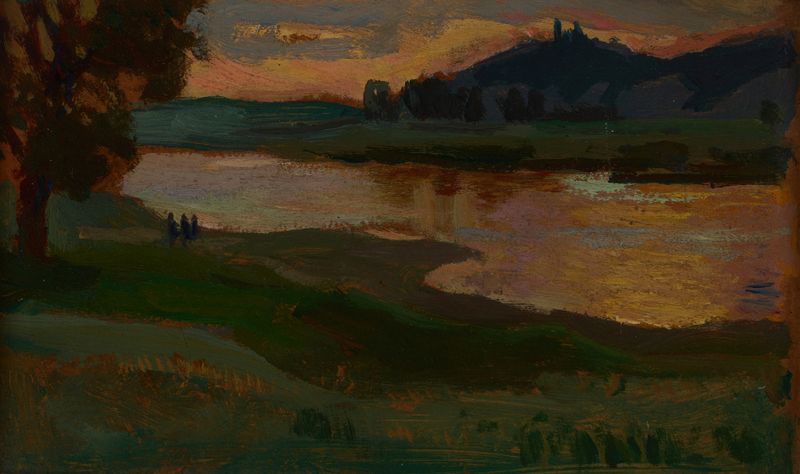
Bielany at Dusk
Jan Stanisławski
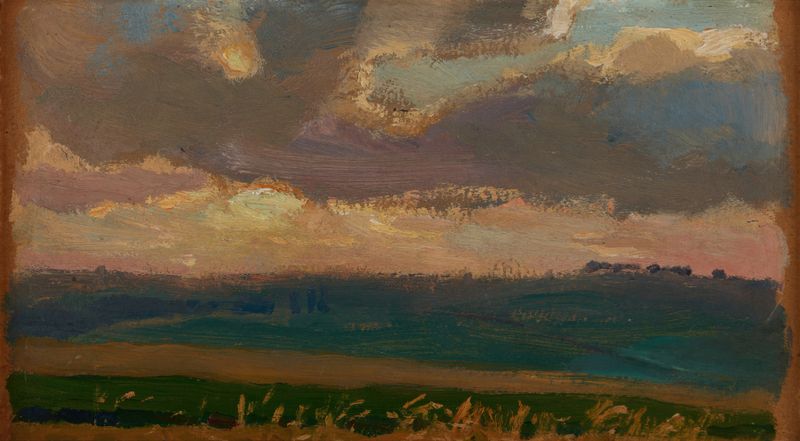
Fields at Proszowice
Jan Stanisławski





