
Landscape — History & Facts
Can beauty exist without sorrow? The interplay of light and shadow in this landscape suggests a complex relationship between joy and grief, inviting the viewer into a realm where nature reveals its duality. Look to the left, where a soft golden hue bathes the gentle hills, illuminating the lush greenery that seems to cradle a hidden sadness. Notice how the brushwork contrasts the vibrant foreground with the darker, looming clouds in the distance, hinting at an impending storm. The artist’s choice of muted colors merges with bright splashes, creating a tension that resonates throughout the canvas, drawing your eye deeper into the heart of the scene. Yet, it is in the subtle details that deeper meanings emerge.
The solitary tree, bent but resilient against the wind, symbolizes endurance amidst loss, while the winding path guides the viewer’s journey, suggesting both hope and uncertainty. Each stroke captures the fleeting nature of beauty—anchored in the present yet overshadowed by the weight of unseen sorrow. In 1905, the artist created this piece during a period marked by personal reflections and changes in the art world. He was navigating the transition from academic traditions to a more emotional and introspective approach in art.
The rise of modernism was beginning to redefine artistic expression, and this landscape embodies that shift—blending the natural world with the complexities of human feeling, which would come to define his work.
More Artworks by Jan Stanisławski
Browse all →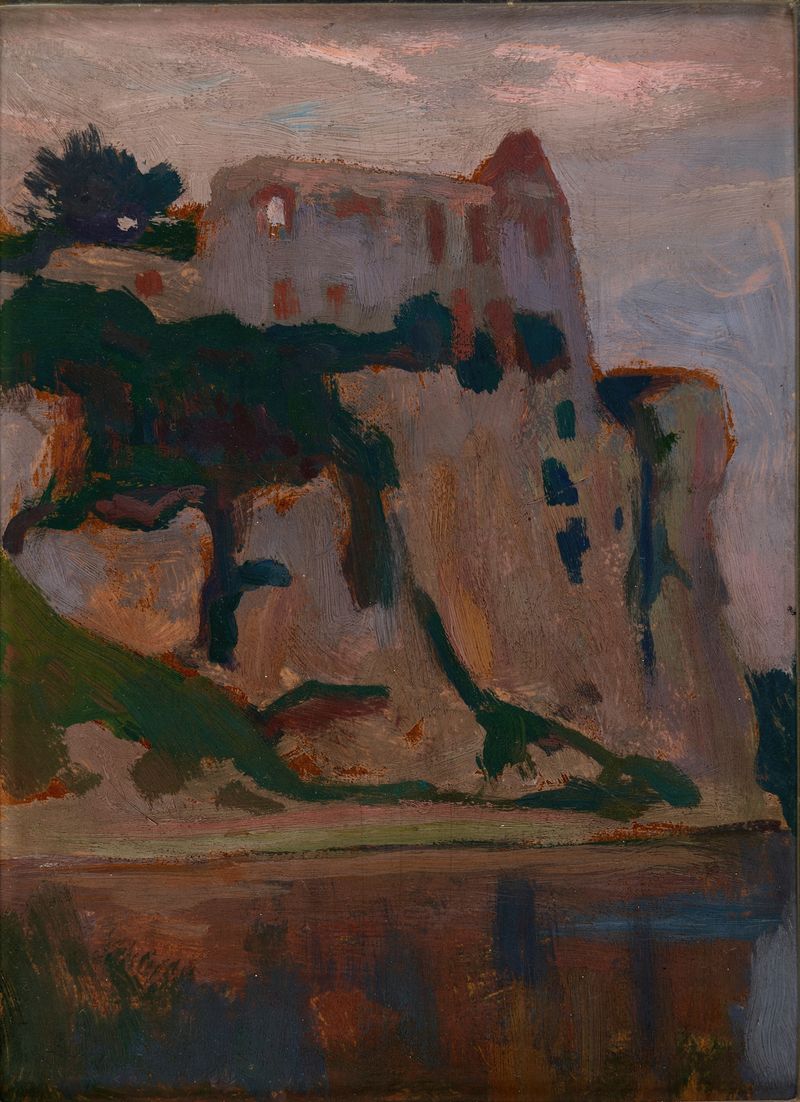
Tyniec at Dawn
Jan Stanisławski
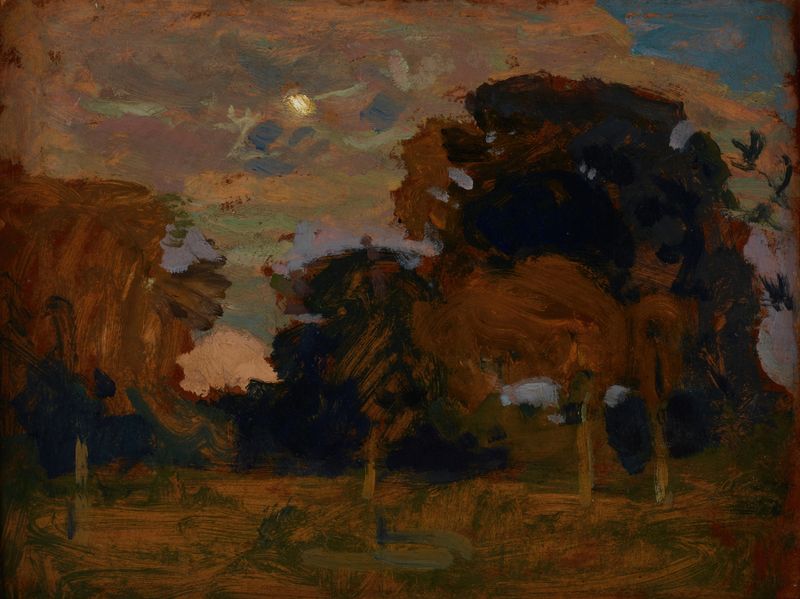
Moon in the Clouds
Jan Stanisławski
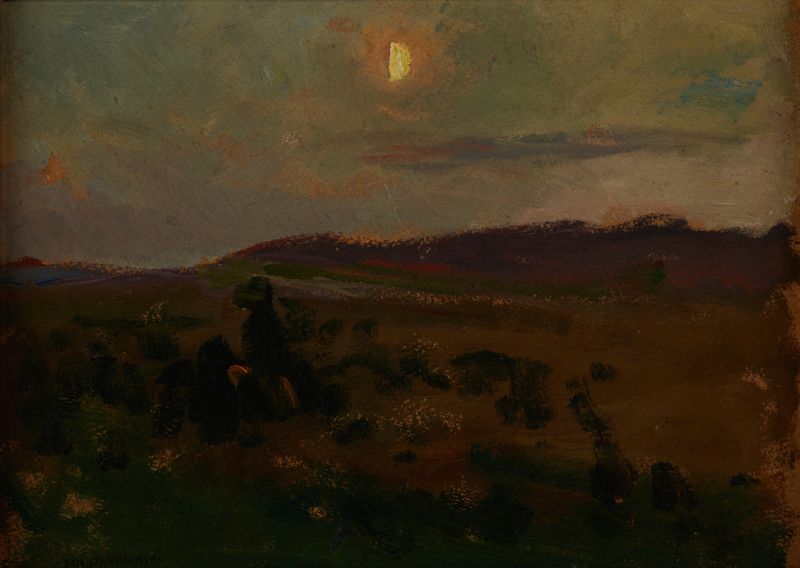
Moonrise
Jan Stanisławski
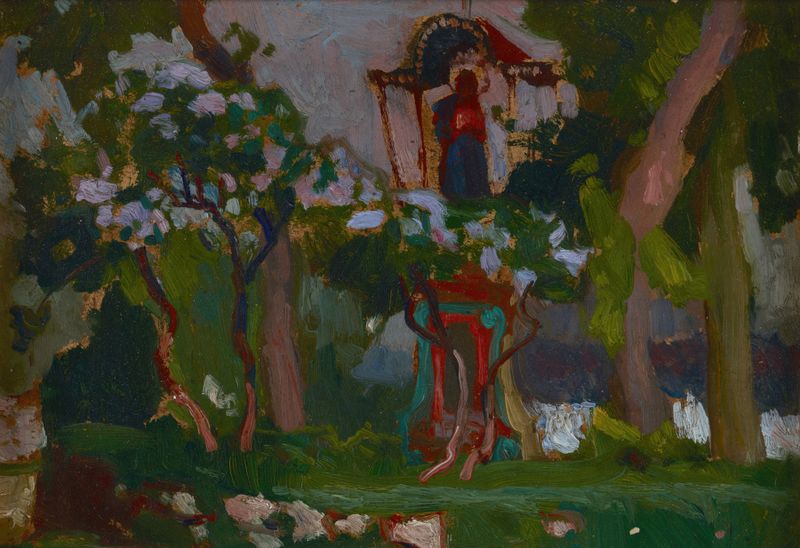
May
Jan Stanisławski
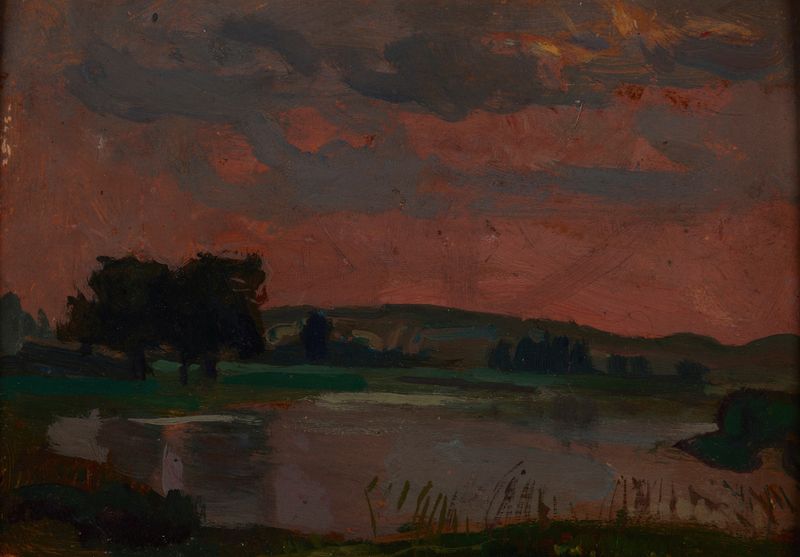
The Vistula in the Twilight
Jan Stanisławski
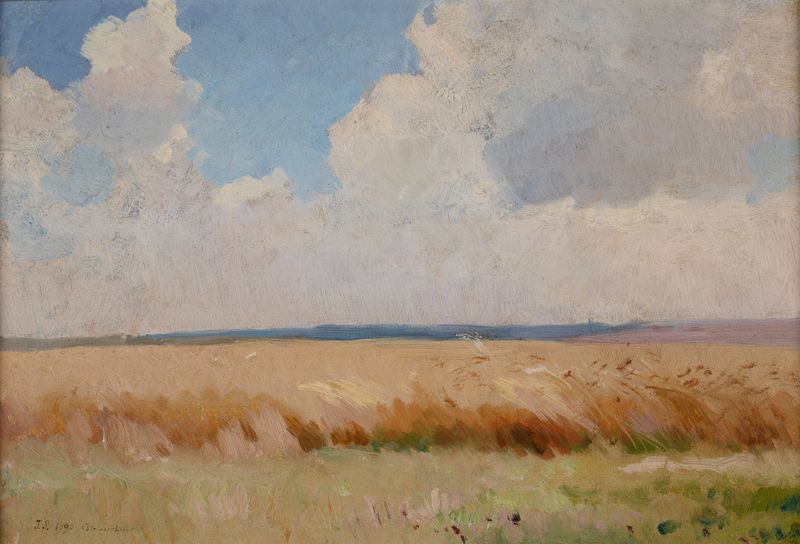
Field at Białocerkiew (Bila Tserkva)
Jan Stanisławski
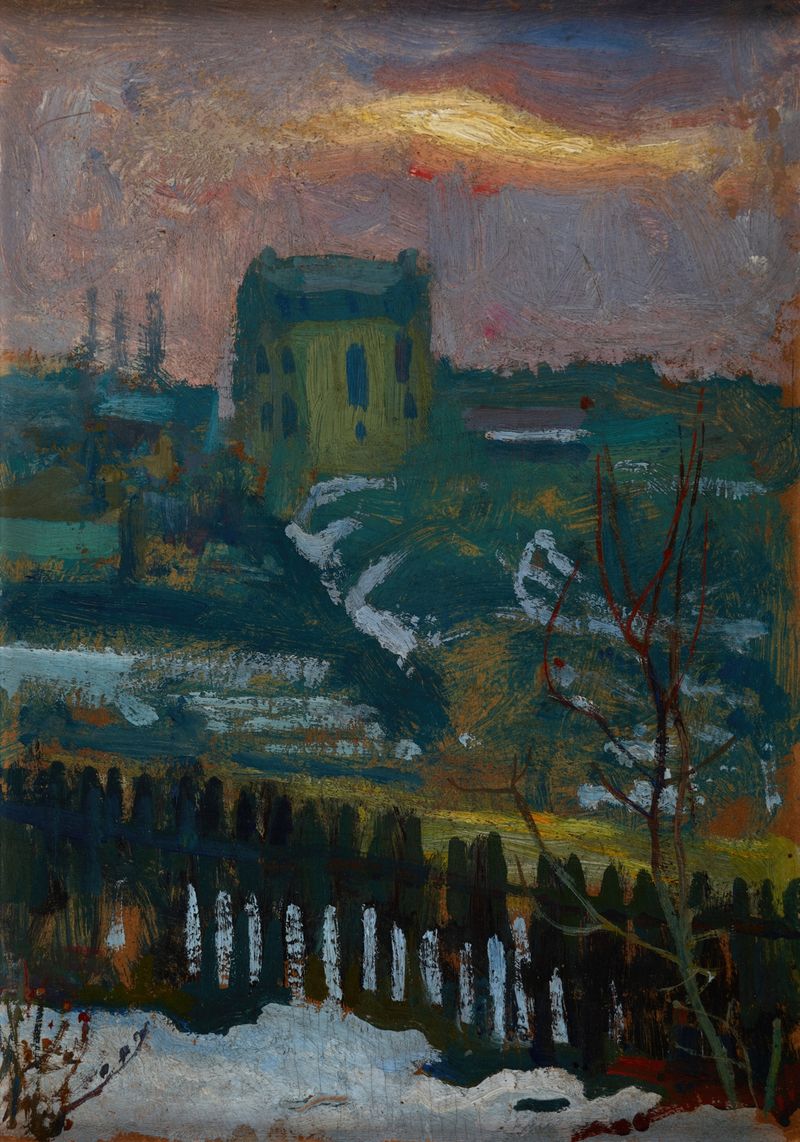
House in Winter
Jan Stanisławski
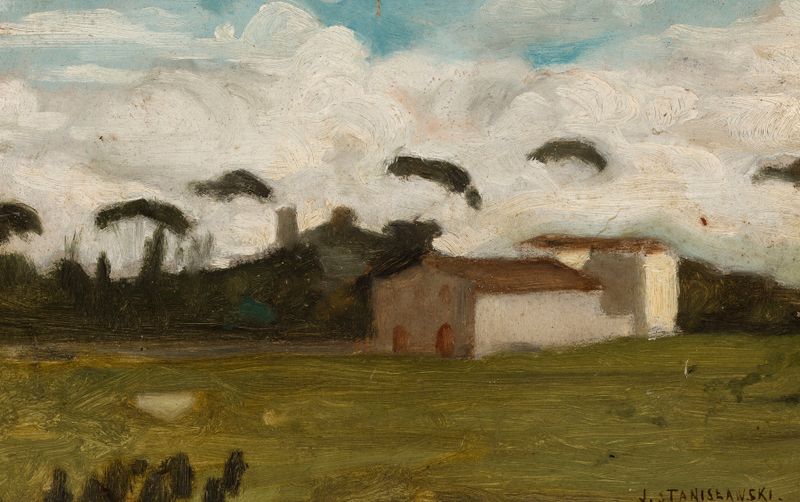
Landscape
Jan Stanisławski
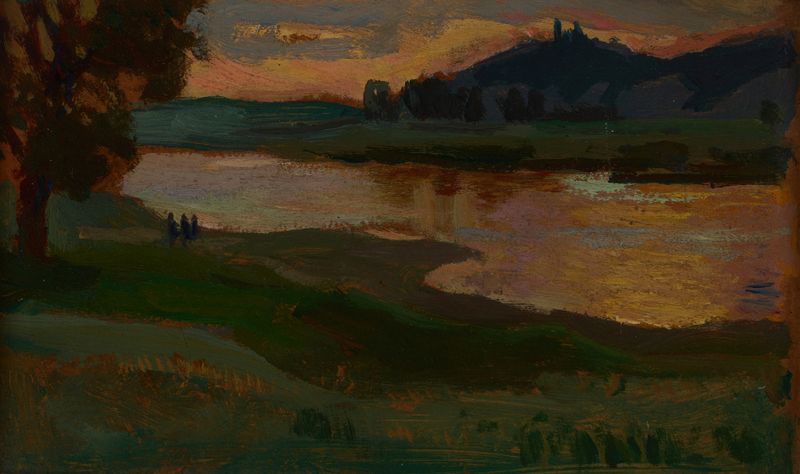
Bielany at Dusk
Jan Stanisławski
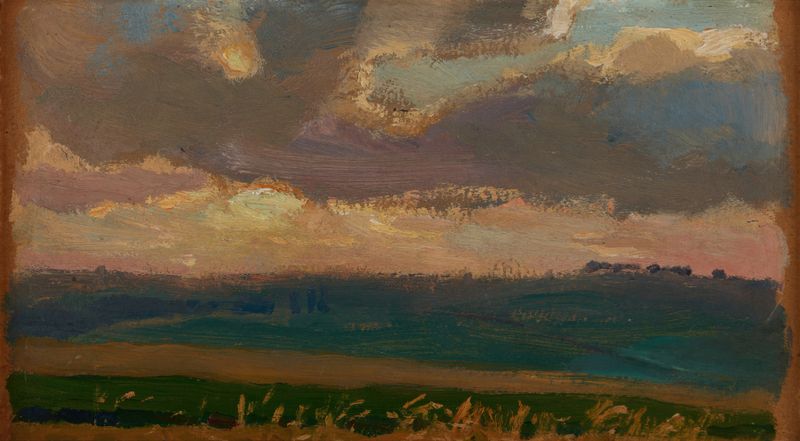
Fields at Proszowice
Jan Stanisławski





