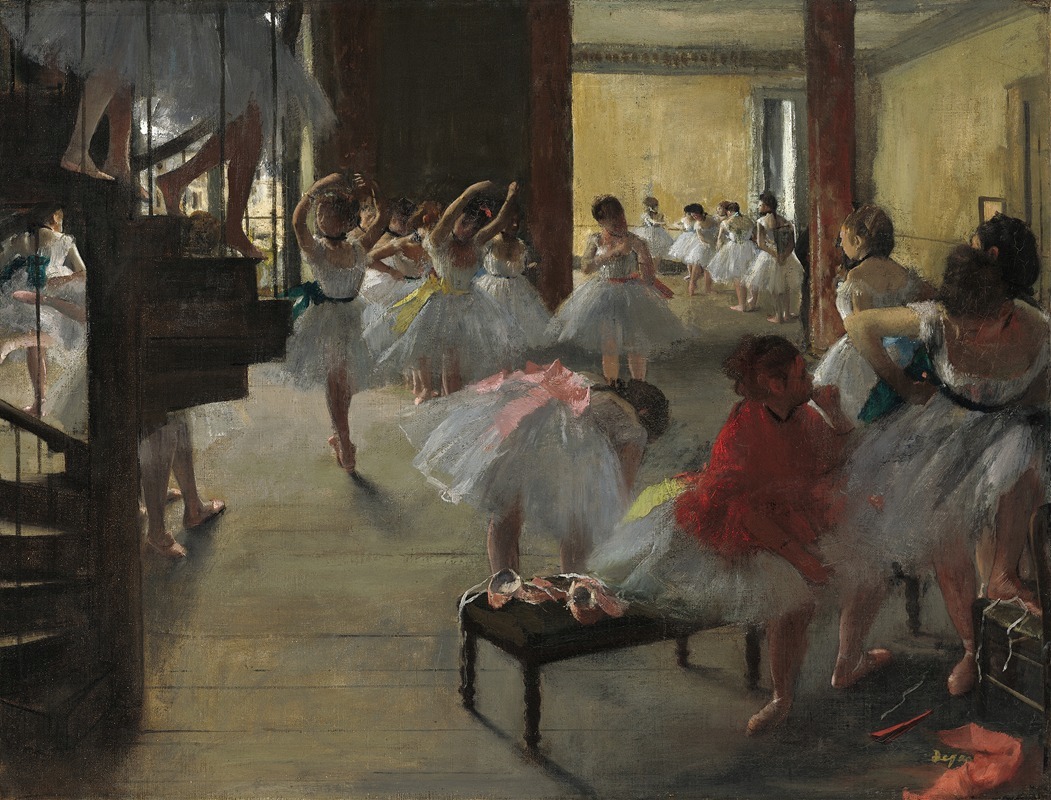
Landscape — History & Analysis
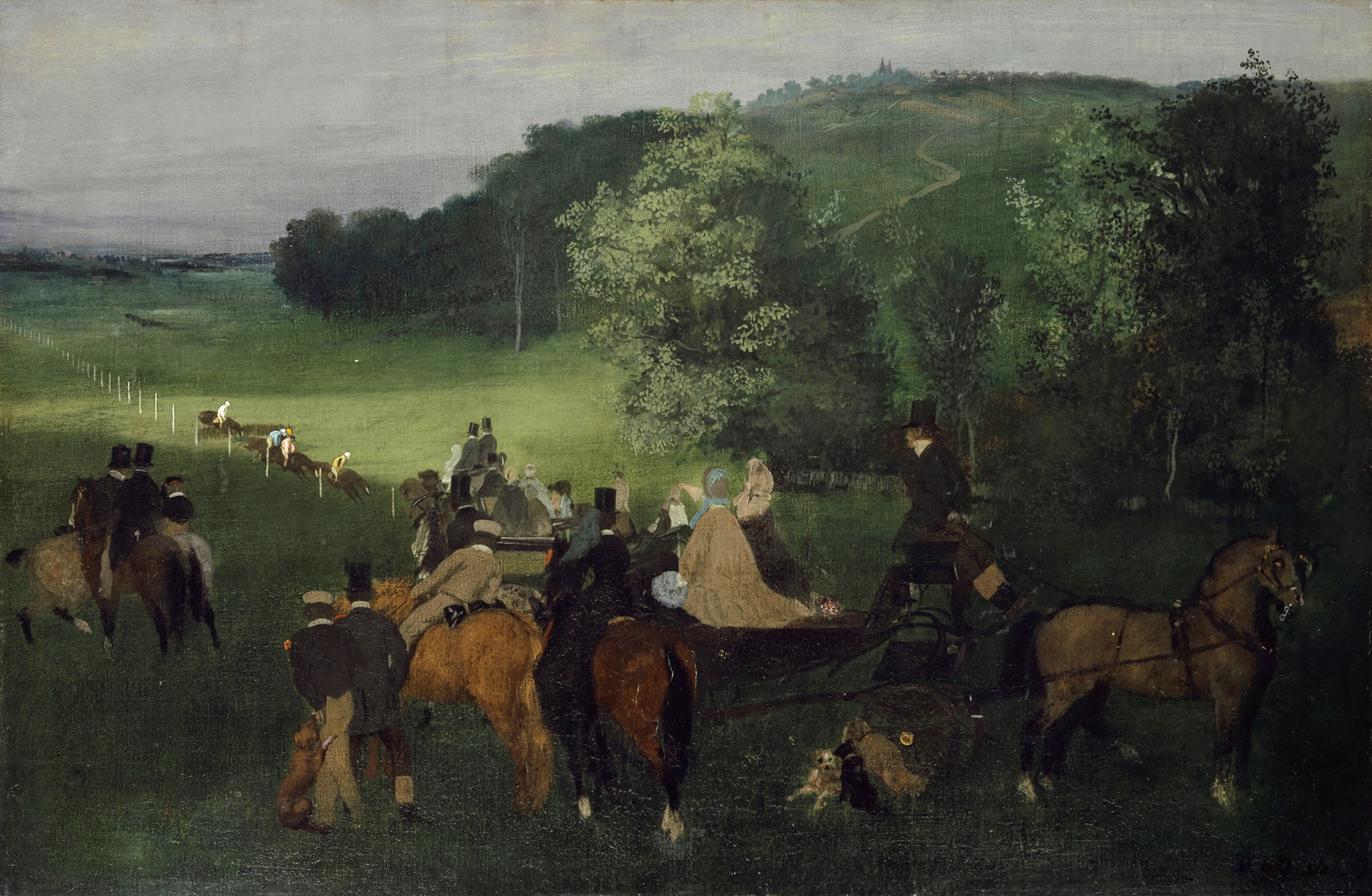
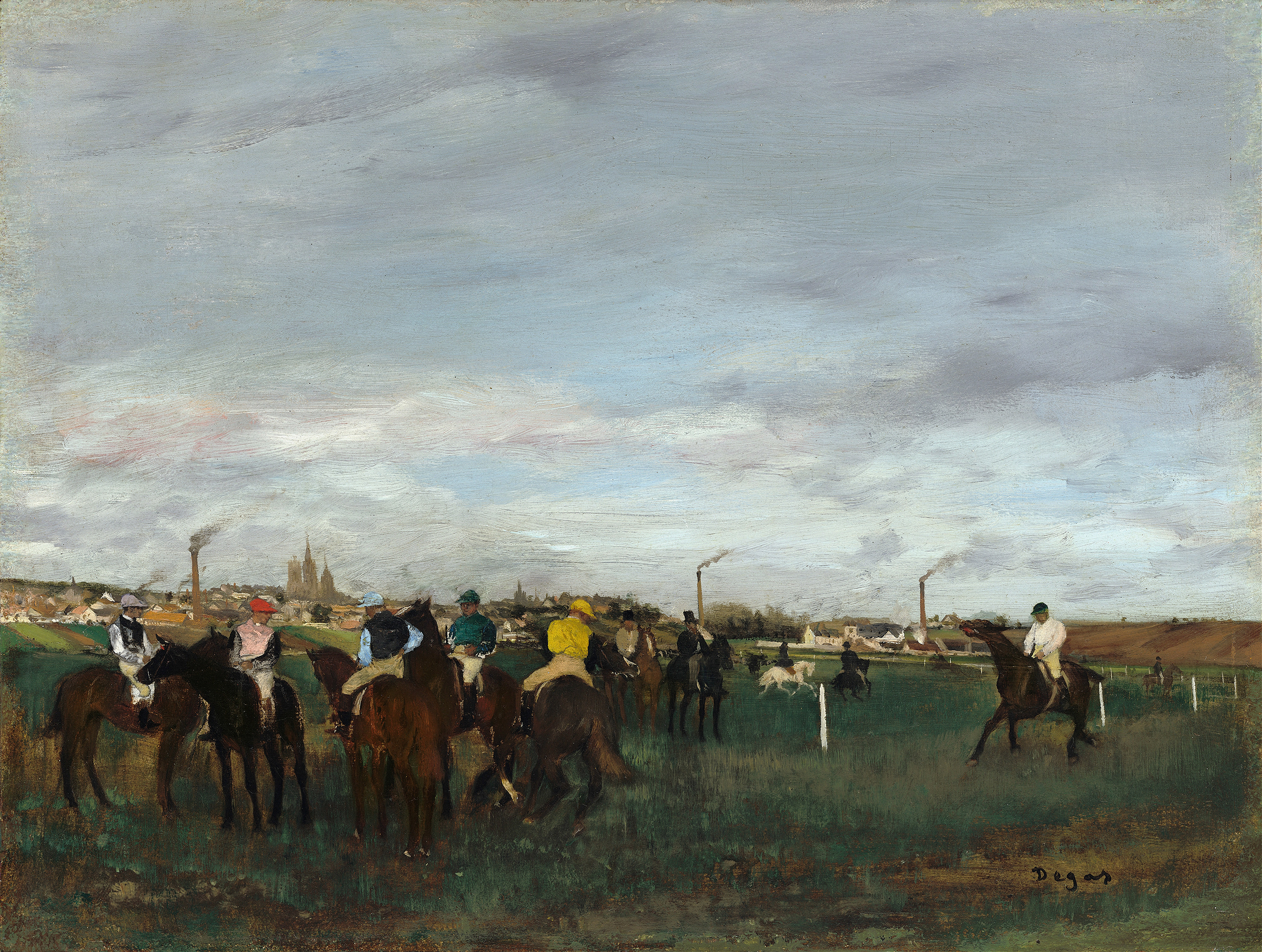
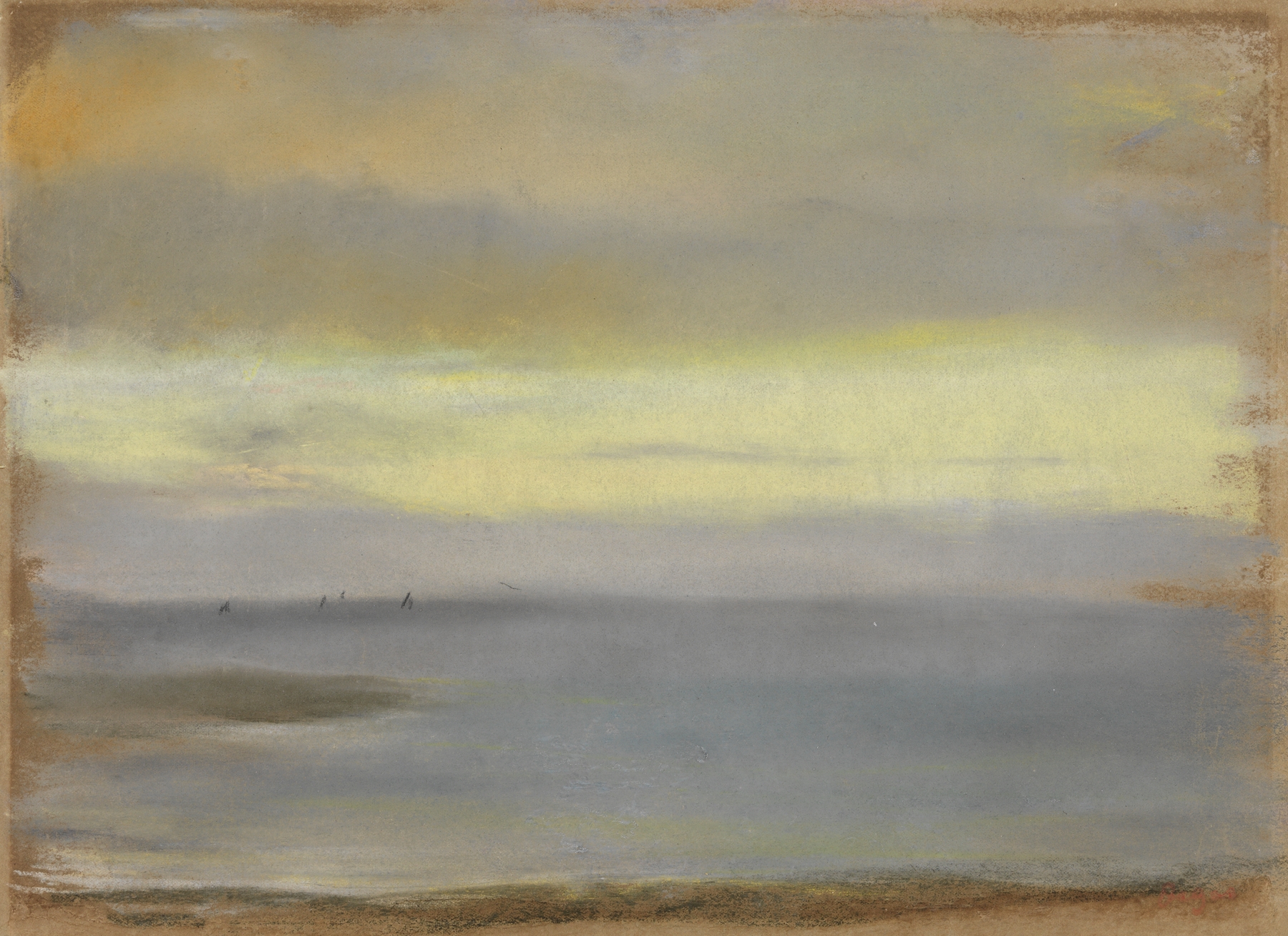
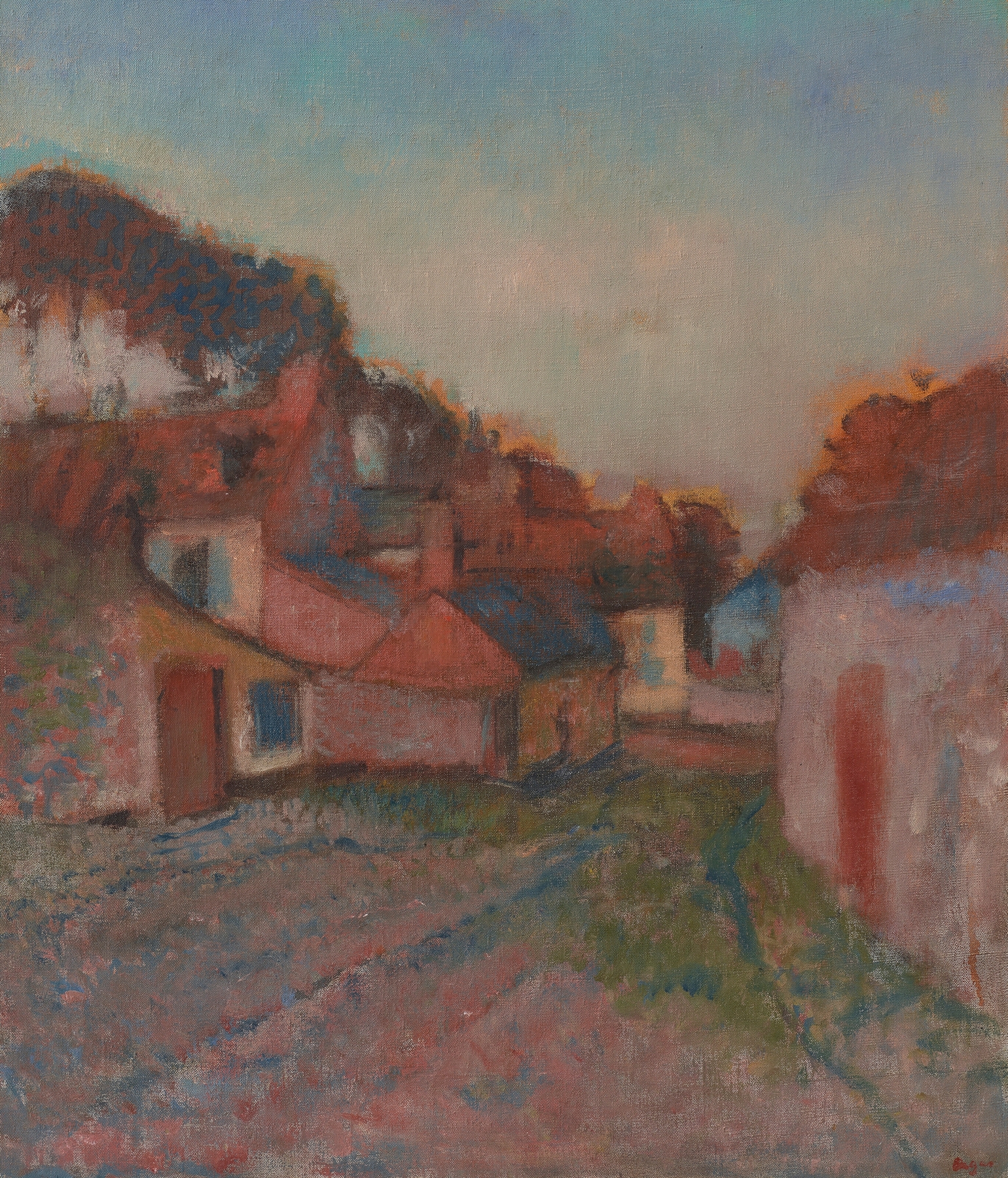
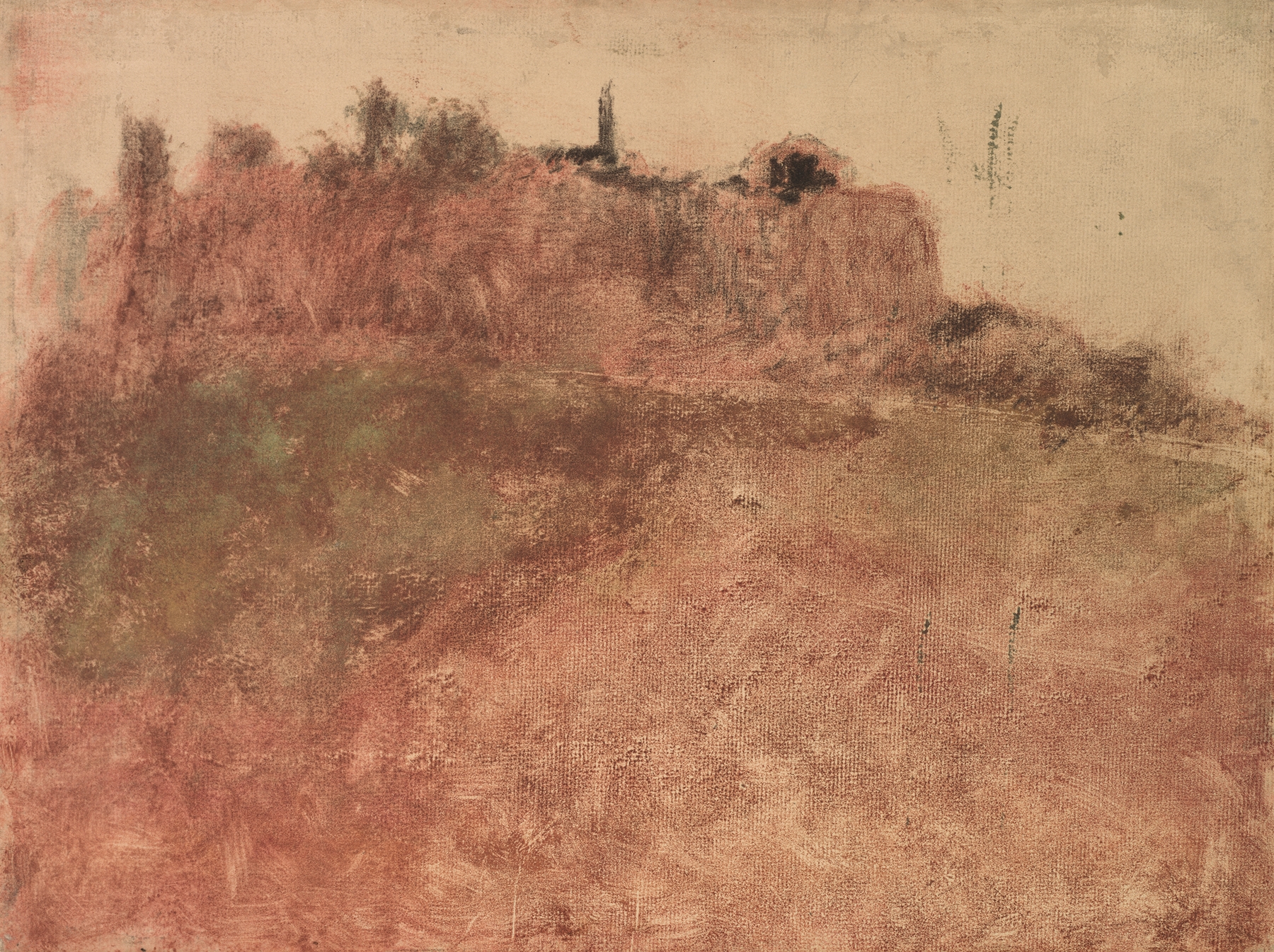
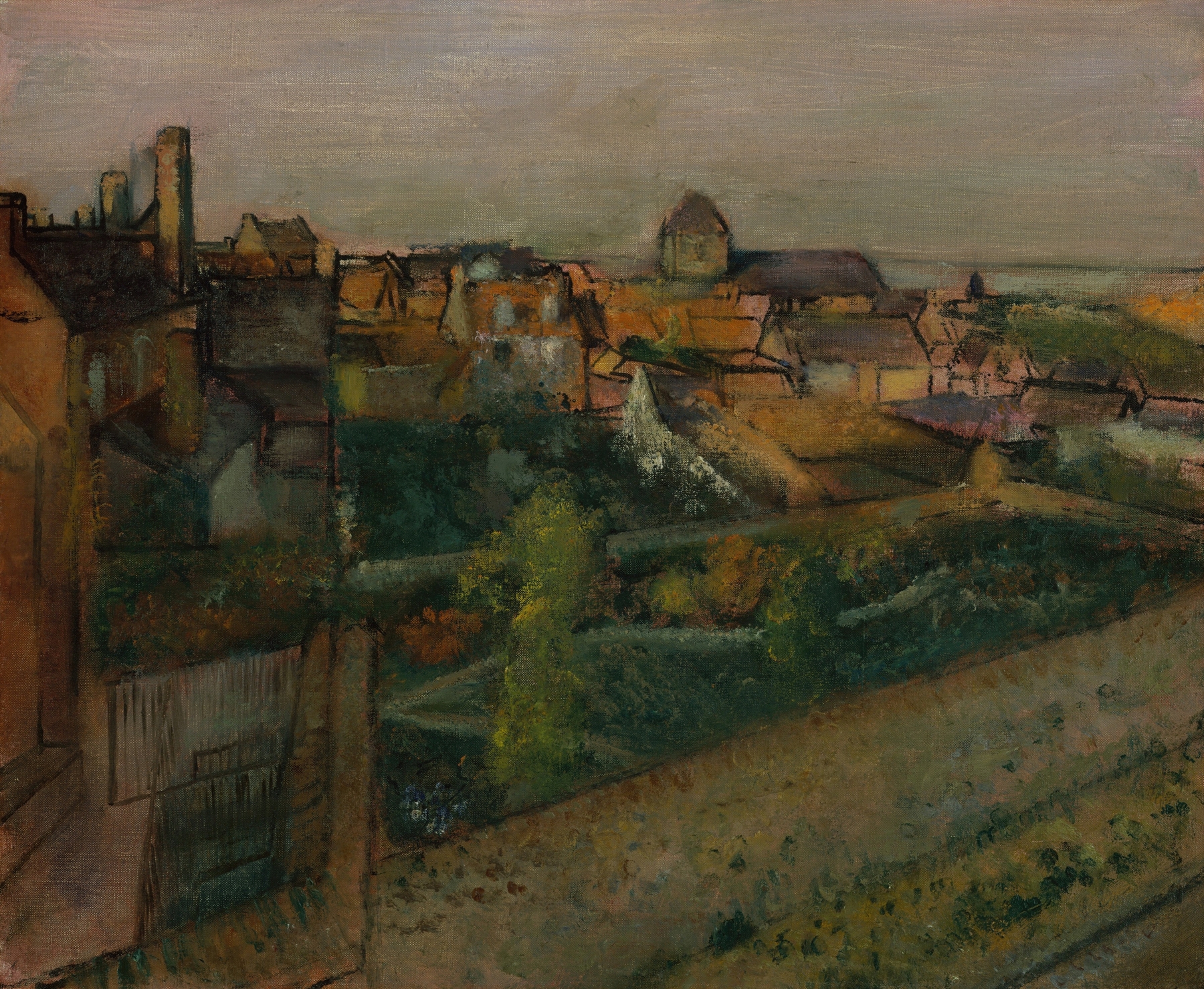
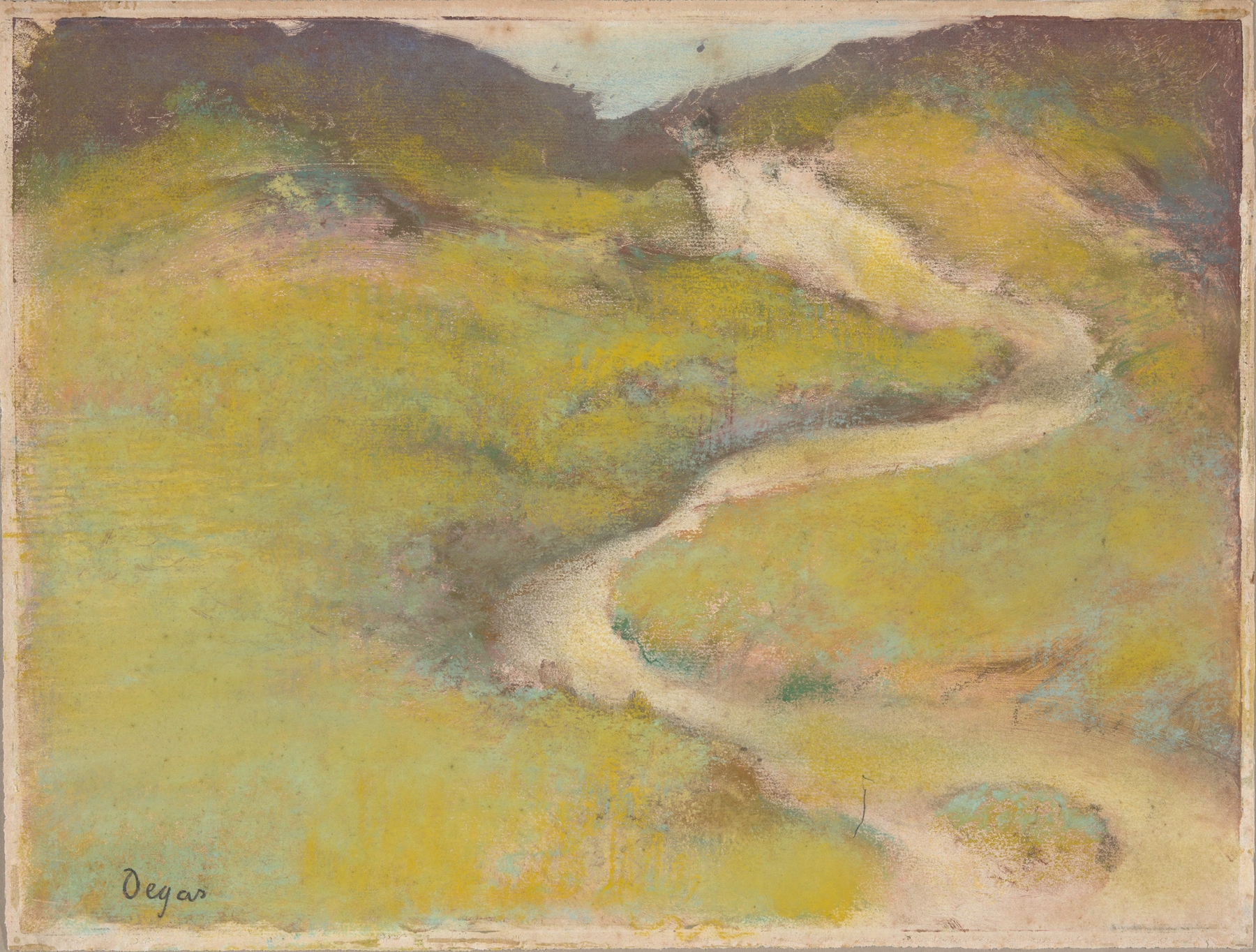
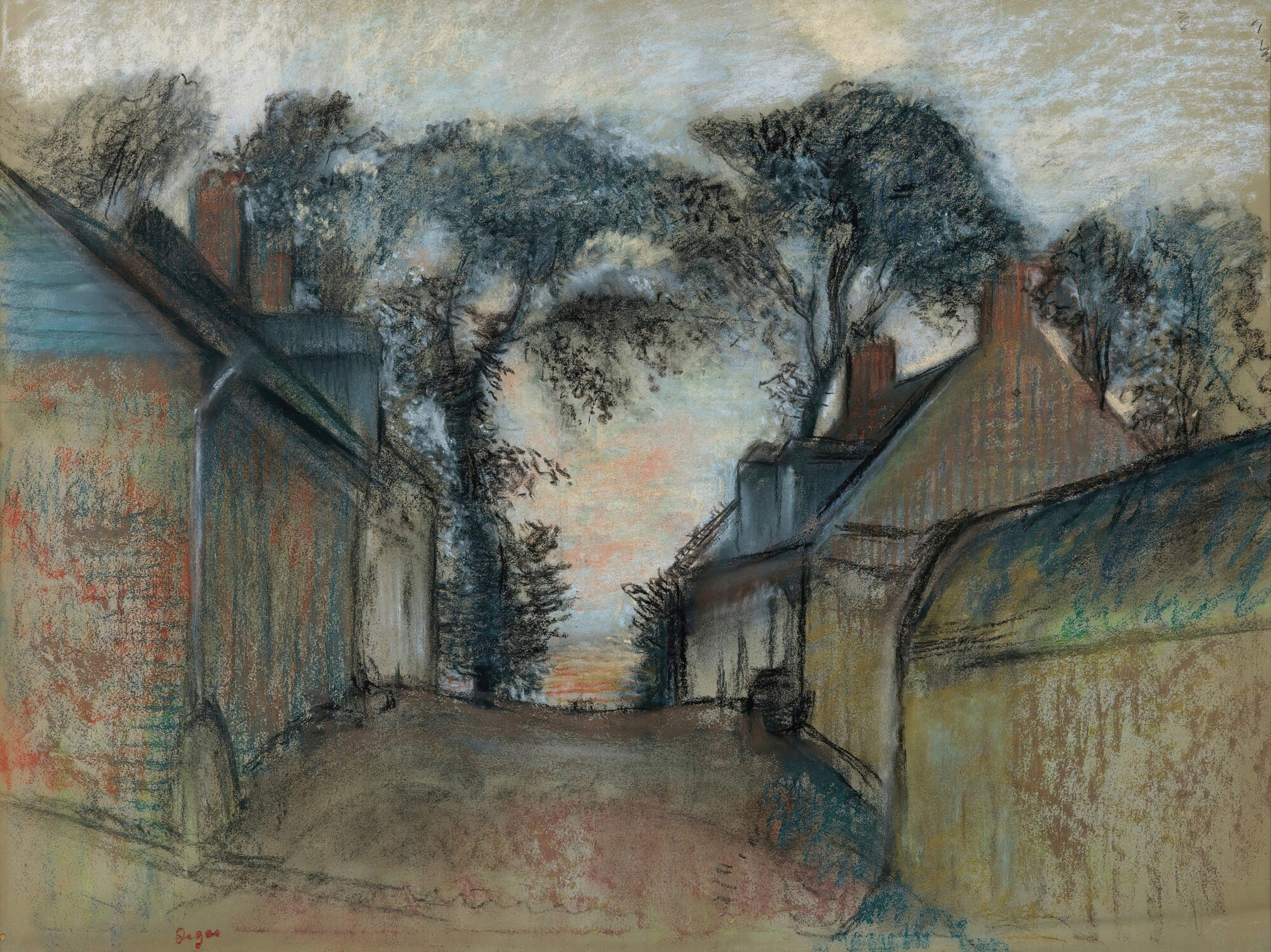
“Between color and silence, truth hides.” In the depths of a canvas, rebirth emerges, cloaked in vibrant hues and muted tones, inviting the viewer to contemplate the unseen. Look to the bottom left, where bold strokes of deep green intertwine with splashes of sunflower yellow, creating the lush undergrowth of this serene landscape. As your gaze meanders across the canvas, notice how the gentle gradient of sky blue at the top seamlessly merges into the warm earth tones below, evoking a tranquil harmony. The careful layering of paint speaks to the artist's mastery, allowing each element to breathe while contributing to an overall sense of vitality.
Within this pastoral scene lies a juxtaposition of stillness and movement. The trees stand tall and steadfast, yet the soft swirls of the grass suggest a whisper of wind, hinting at life just beyond the frame. The interplay of light and shadow serves as a metaphor for rebirth, illustrating the passage of time and the cycles of nature. Each brushstroke is a testament to the fragility of existence, encapsulating moments both fleeting and eternal.
In 1892, the artist created this work amidst a period of exploration and transition in the world of art. Living in Paris, he was influenced by the evolving Impressionist movement, and his focus began to shift towards capturing the essence of landscapes rather than just figures. This painting reflects that evolution, presenting a fresh perspective that emphasizes nature's beauty while mirroring his own journey of rediscovery during a time of great change.