
Landscape — History & Facts
In the stillness of a moment captured, time stretches and bends, inviting us to reflect on what endures amidst the relentless passage of life. Look to the horizon, where a soft, golden light spills across the landscape, infusing the scene with warmth and nostalgia. The viewer's gaze is drawn to the vibrant interplay of oranges and yellows in the foliage, which seems to whisper stories of seasons past. Notice how the brushstrokes fluidly capture the curves of the hills, while the tranquil water below mirrors the sky’s delicate hues, creating a harmonious balance that speaks to the eternal cycle of nature. Amidst this serene panorama, subtle contrasts emerge.
The lush greenery and the shimmering water evoke a sense of abundance, yet the distant mountains loom with an air of permanence, hinting at the inexorable march of time. Each element in the composition not only illustrates the beauty of the natural world but also reflects the transient moments that define our existence — a reminder of both the joy and sorrow that accompanies change. In 1873, Jasper Francis Cropsey painted this landscape during a period when the Hudson River School was at its peak, celebrating the American wilderness. Living in a time when the country was undergoing rapid industrialization, Cropsey sought to preserve the essence of nature through his work, emphasizing the need for reflection on the past even as the world around him transformed.
More Artworks by Jasper Francis Cropsey
Browse all →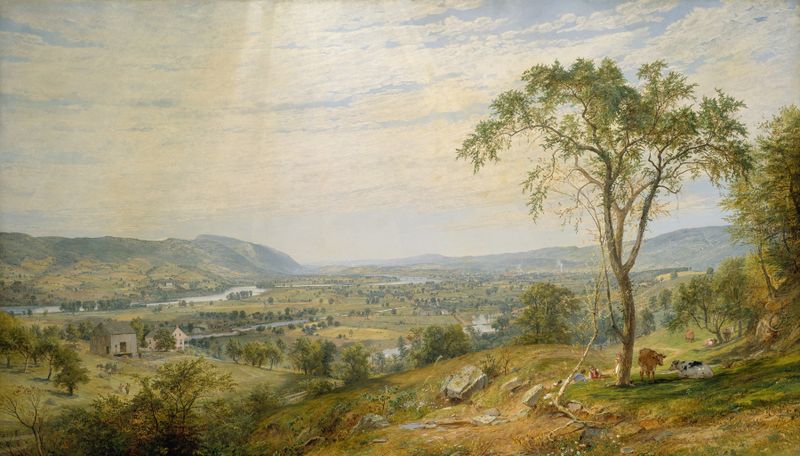
The Valley of Wyoming
Jasper Francis Cropsey
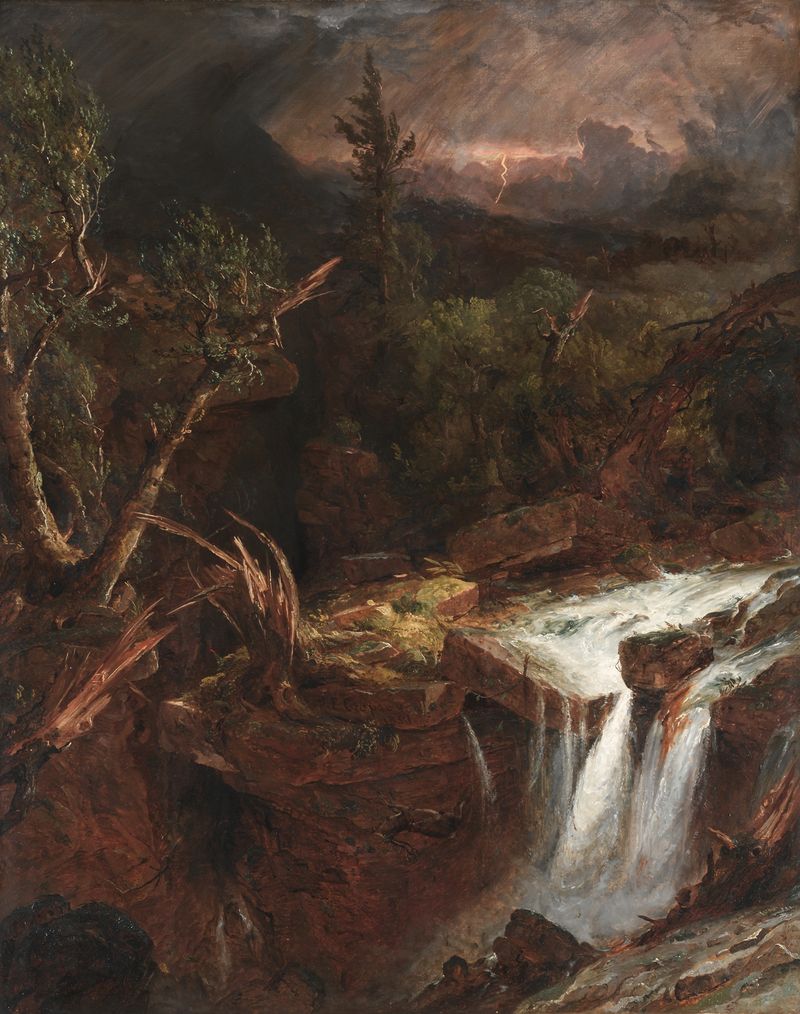
The Clove – A Storm Scene in the Catskill Mountains
Jasper Francis Cropsey
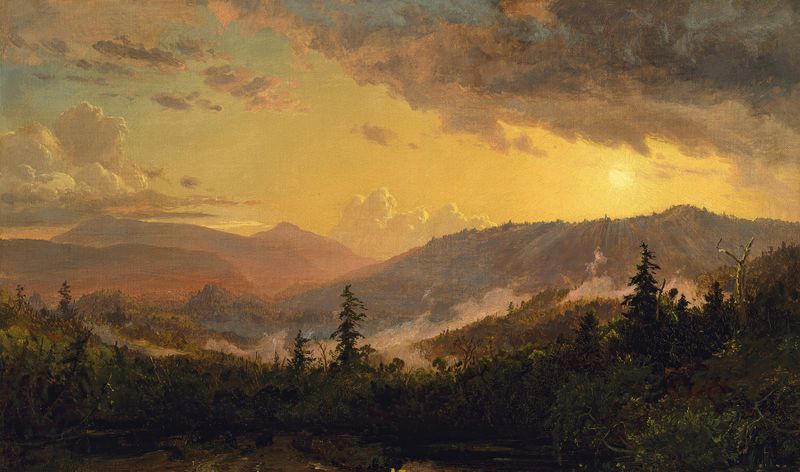
Sunset after a Storm in the Catskill Mountains
Jasper Francis Cropsey
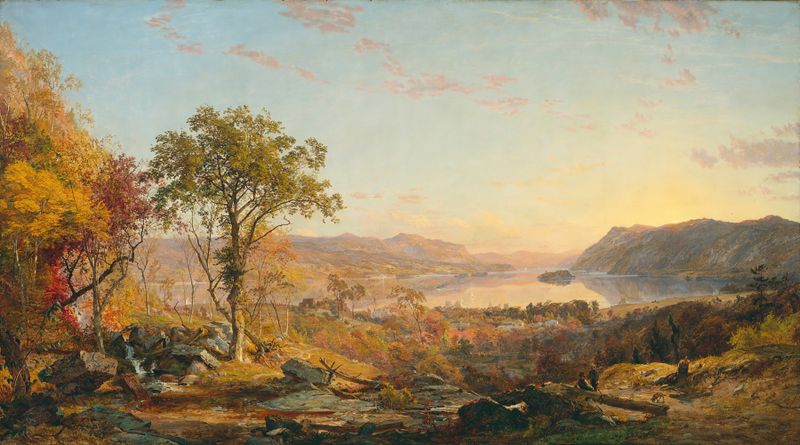
Indian Summer
Jasper Francis Cropsey

Autumn On The River
Jasper Francis Cropsey
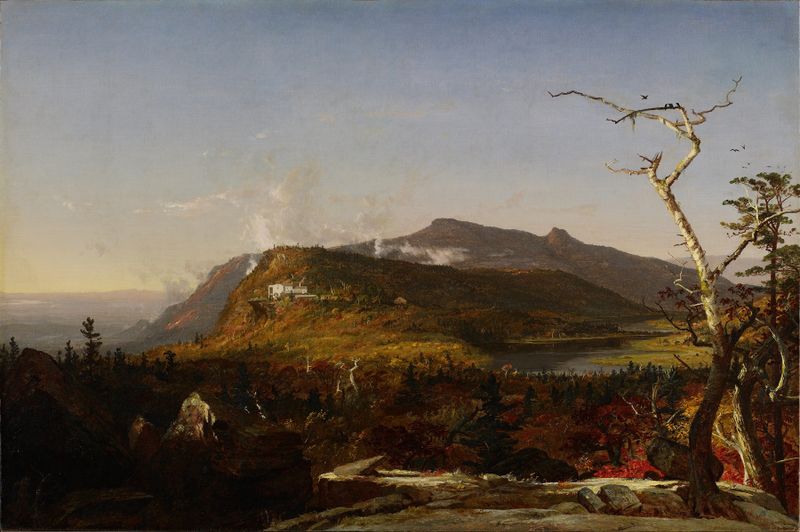
Catskill Mountain House
Jasper Francis Cropsey
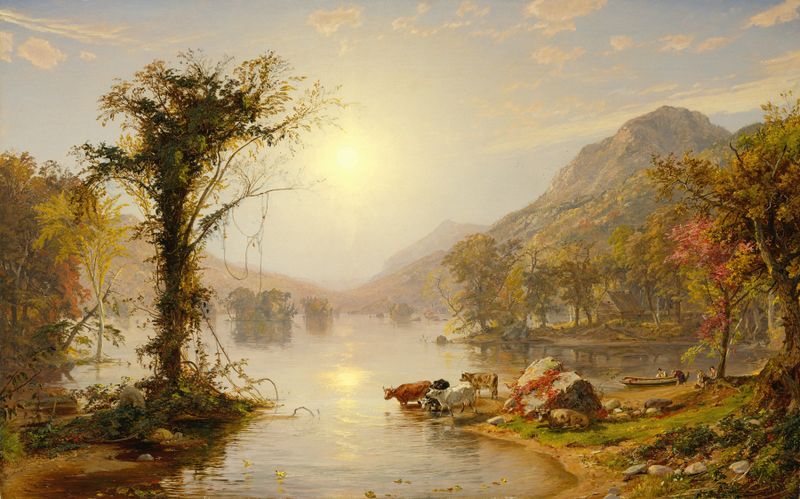
Autumn on Greenwood Lake
Jasper Francis Cropsey
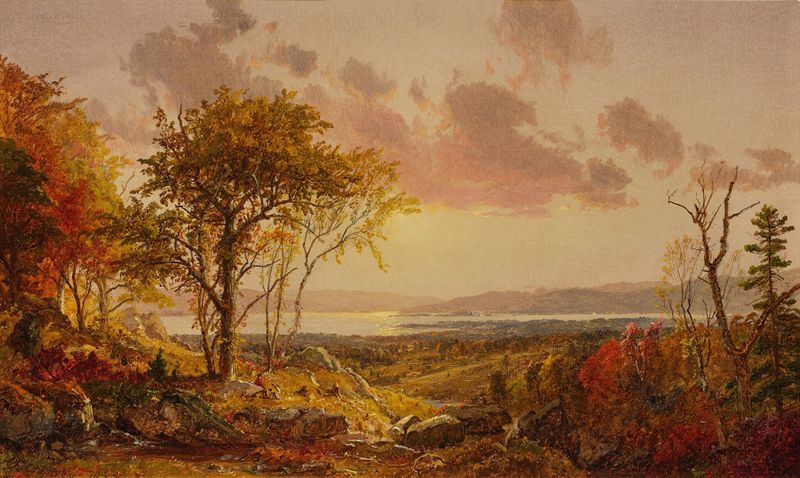
A Distant View of the Hudson River in the Fall
Jasper Francis Cropsey
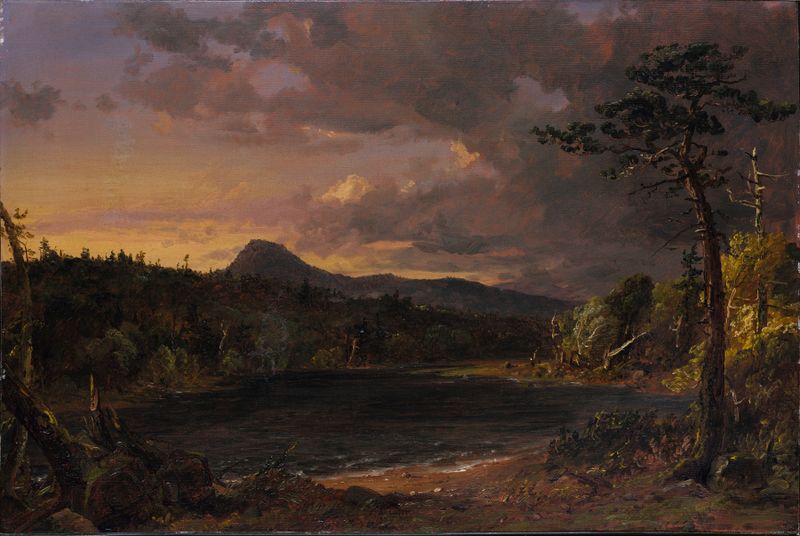
Catskill Creek
Jasper Francis Cropsey

Autumn on the Lake
Jasper Francis Cropsey





