
Landscape — History & Facts
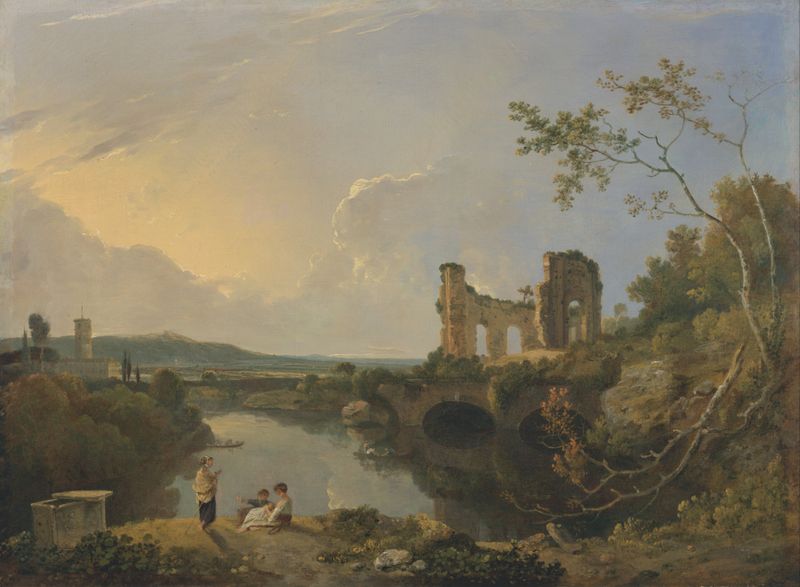
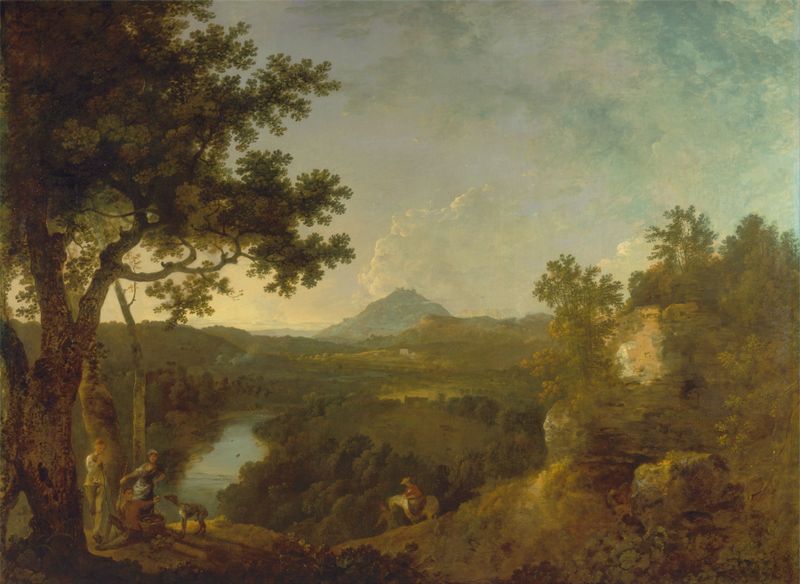
Who listens when art speaks of silence? In the stillness of Landscape, a quiet dialogue unfolds between nature and the viewer, whispering tales of legacy and time. Look to the horizon where gentle hills stretch under a soft, muted sky, painted in shades of green and azure. The brushwork, fluid yet deliberate, captures the serene beauty of the landscape—rich textures evoke the rustling of leaves and the calm of a secluded glen. Notice how the dappled light filters through the trees, illuminating patches of earth while casting others into shadow, creating a delicate interplay between presence and absence. Upon closer inspection, the serenity of the scene belies deeper themes of transience and harmony with nature.
The subtle contrasts between light and dark symbolize the dualities of existence—life’s vibrancy wrapped in the inevitability of decay. The slight path winding through the foliage invites contemplation, suggesting a journey both physical and introspective, a search for meaning within the quiet embrace of the earth. Created between 1758 and 1782, this work emerged during Richard Wilson's time in Wales, where he was influenced by the Romantic ideals of nature's sublime power. As he navigated his place in the evolving landscape of British art, Wilson sought to establish a distinct voice, bridging the gap between classical traditions and the burgeoning appreciation for the natural world.
His legacy endures, shaping how we perceive the interplay of landscape and emotion.
More Artworks by Richard Wilson
Browse all →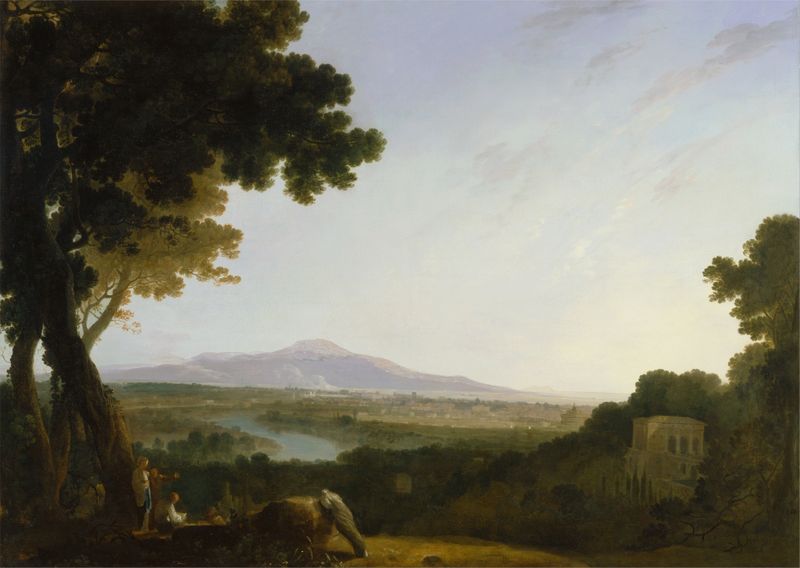
Rome from the Villa Madama
Richard Wilson
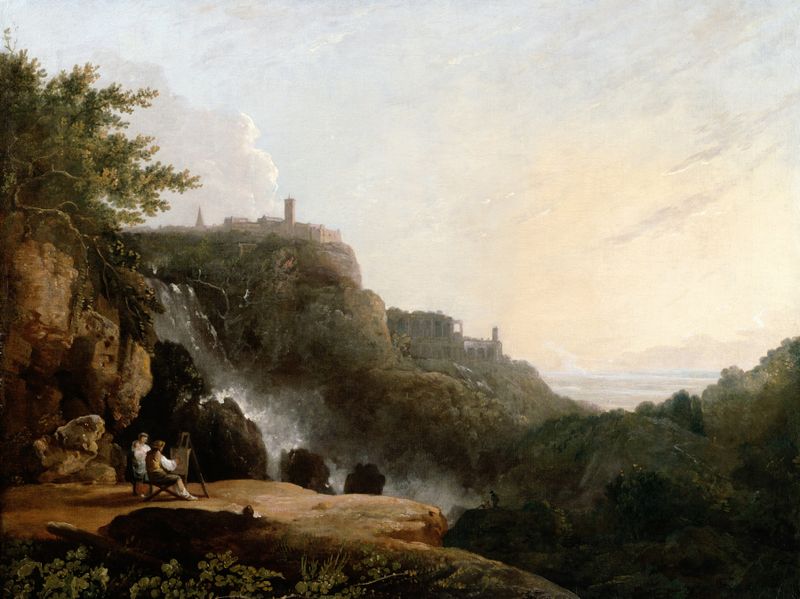
View of Tivoli- the Cascatelle and the ‘Villa of Maecenas’
Richard Wilson
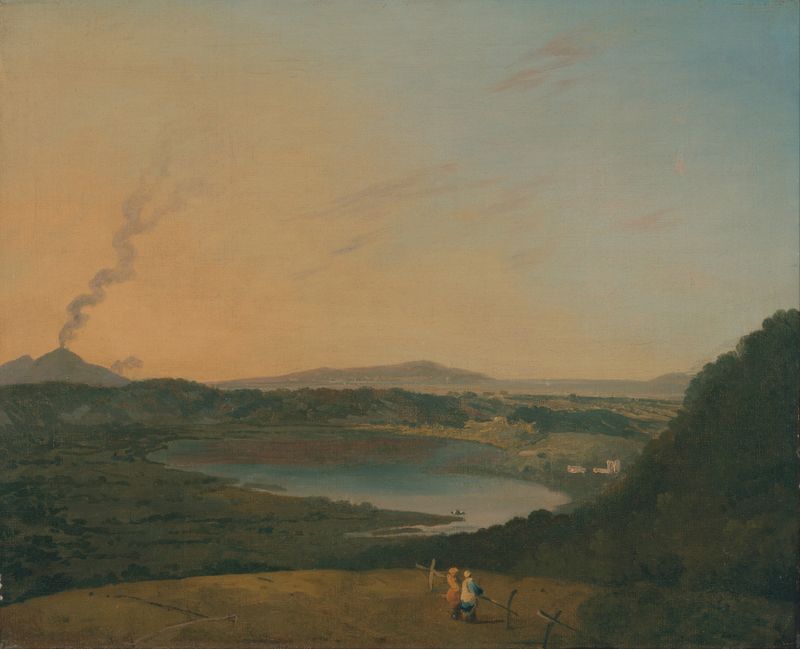
Lago d’Agnano with Vesuvius in the distance
Richard Wilson
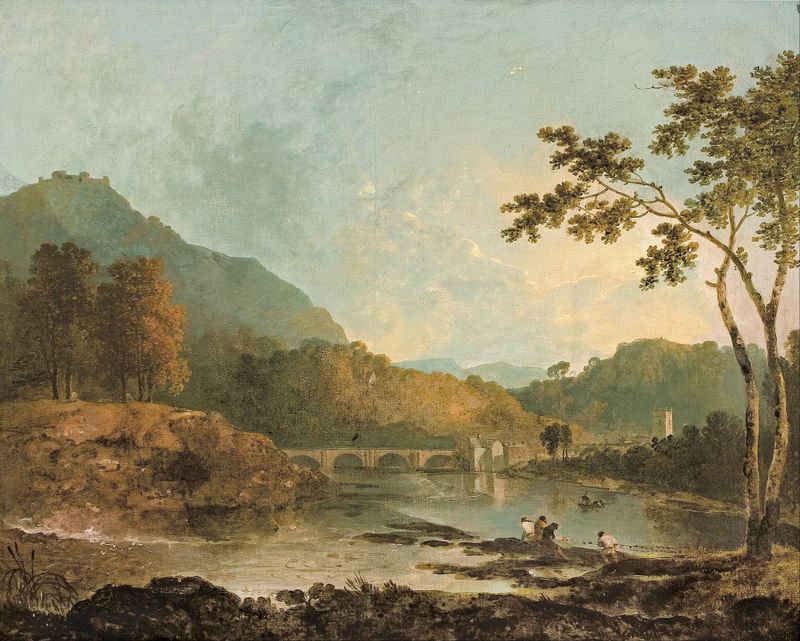
Dinas Bran from Llangollen
Richard Wilson
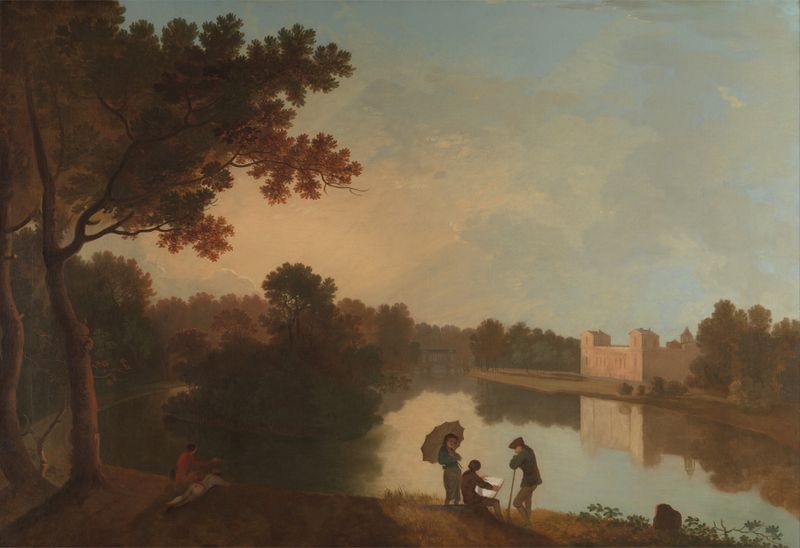
Wilton House from the Southeast
Richard Wilson
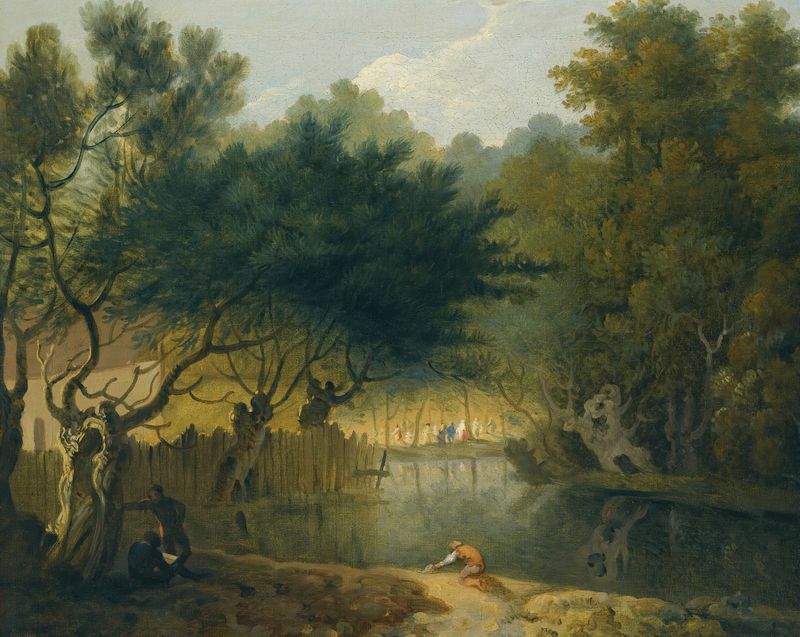
A View Of St. James’s Park, London
Richard Wilson
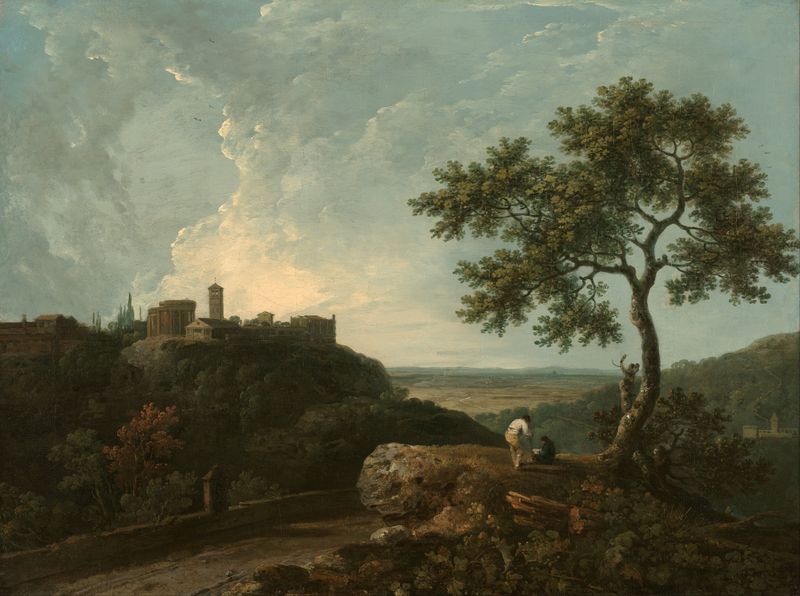
Tivoli- The Temple of the Sybil and the Campagna
Richard Wilson
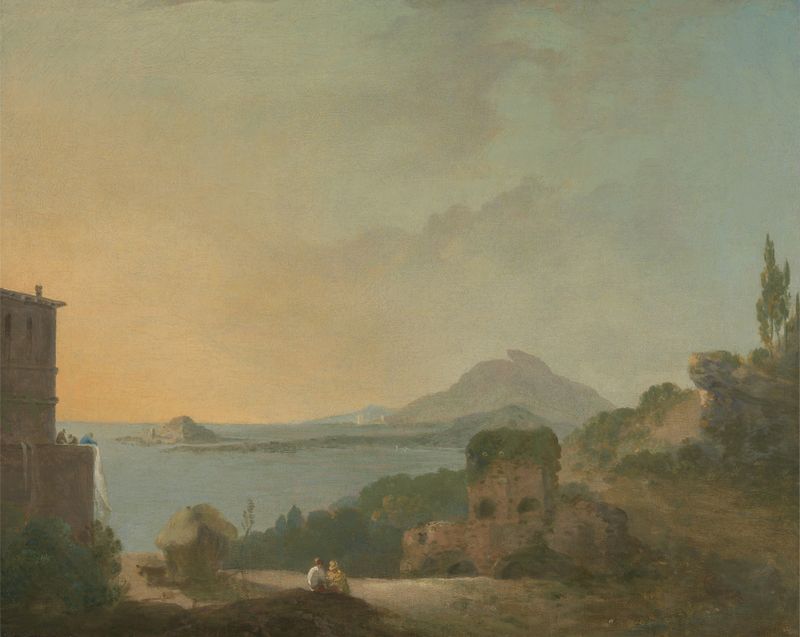
Cicero’s Villa and the Gulf of Pozzuoli
Richard Wilson
Italian Landscape (Morning)
Richard Wilson
View near Wynnstay, the Seat of Sir Watkin Williams-Wynn, BT.
Richard Wilson





