
Landscape — History & Facts
The stillness of nature is a gentle awakening, a moment captured where every stroke translates tumultuous energy into serene beauty. Look to the foreground, where lush greenery spills across the canvas, weaving a tapestry of vibrant greens and soft browns. Notice how the light filters through the foliage, illuminating patches of ground that pulse with life. The sky above, awash in delicate hues of blue and orange, hints at dawn, suggesting both an ending and a new beginning.
This balance of color creates depth, inviting the eye to wander deeper into the landscape's embrace. Within this tranquil scene, contrasts emerge. The dynamic brushwork suggests movement, as if the trees sway in a whispering breeze, invoking the spirit of awakening that stirs within nature. The interplay of light and shadow not only depicts depth but also evokes a sense of time, the quiet transition from night to day.
These small details reflect the artist's profound understanding of how nature breathes, intertwining chaos and calm into a harmonious whole. Created in 1857, this piece emerged during a period of personal exploration for Diaz, amidst a resurgence of interest in plein air painting. Living in France, he was influenced by the Romantic movement, which celebrated the sublime beauty of the natural world. During this time, he sought to express both emotion and reality through his landscape compositions, positioning himself as a significant figure among his contemporaries in the evolving narrative of 19th-century art.
More Artworks by Narcisse-Virgile Diaz de La Peña
Browse all →
Forest Scene
Narcisse-Virgile Diaz de La Peña
Vieux Troncs De Hêtres
Narcisse-Virgile Diaz de La Peña
A Vista through Trees; Fontainebleau
Narcisse-Virgile Diaz de La Peña
Vue d’une clairière
Narcisse-Virgile Diaz de La Peña

Pond in the Woods
Narcisse-Virgile Diaz de La Peña
Mare dans une lande
Narcisse-Virgile Diaz de La Peña
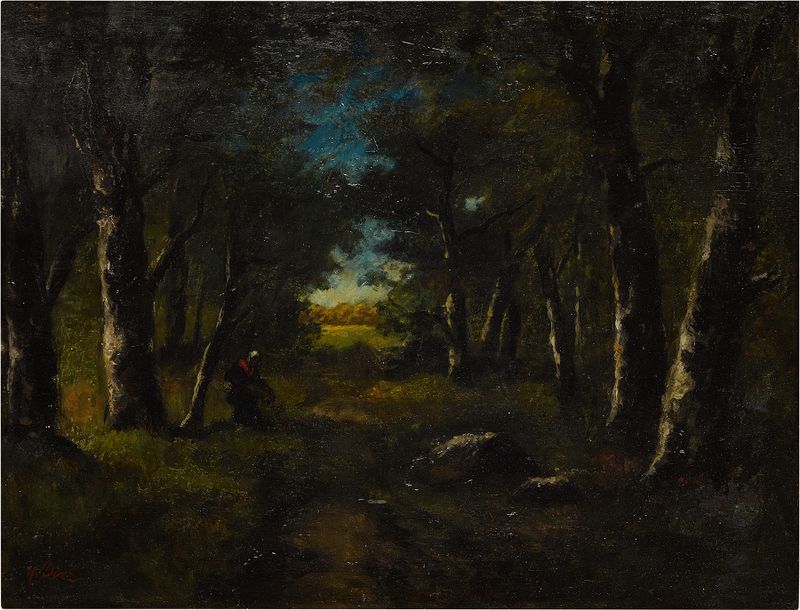
Foraging in the Forest
Narcisse-Virgile Diaz de La Peña
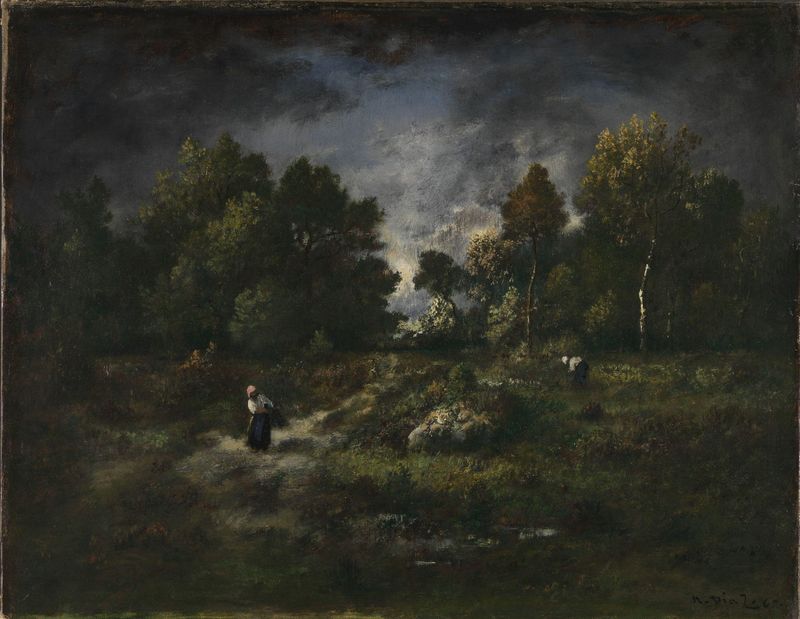
Faggot Gatherers in a Wooden Landscape
Narcisse-Virgile Diaz de La Peña
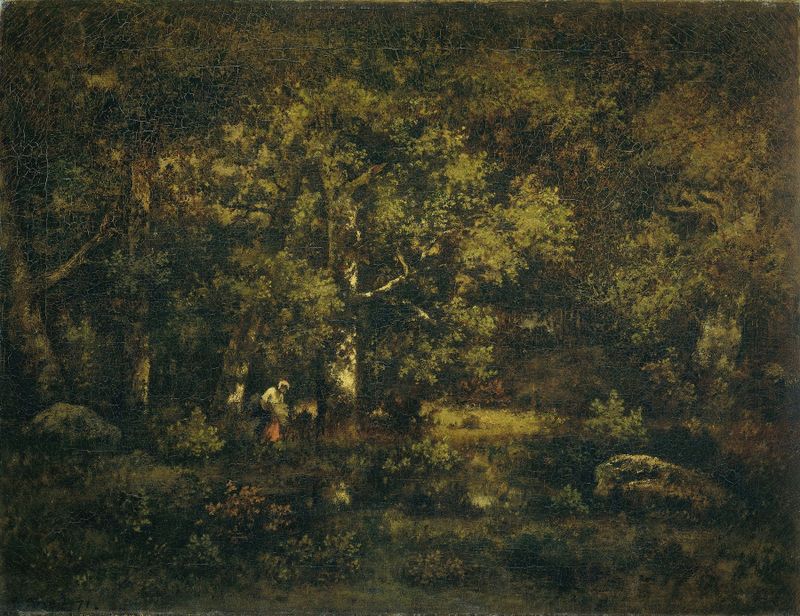
The Forest of Fontainebleau
Narcisse-Virgile Diaz de La Peña

Sous-bois
Narcisse-Virgile Diaz de La Peña





