
Landscape — History & Facts
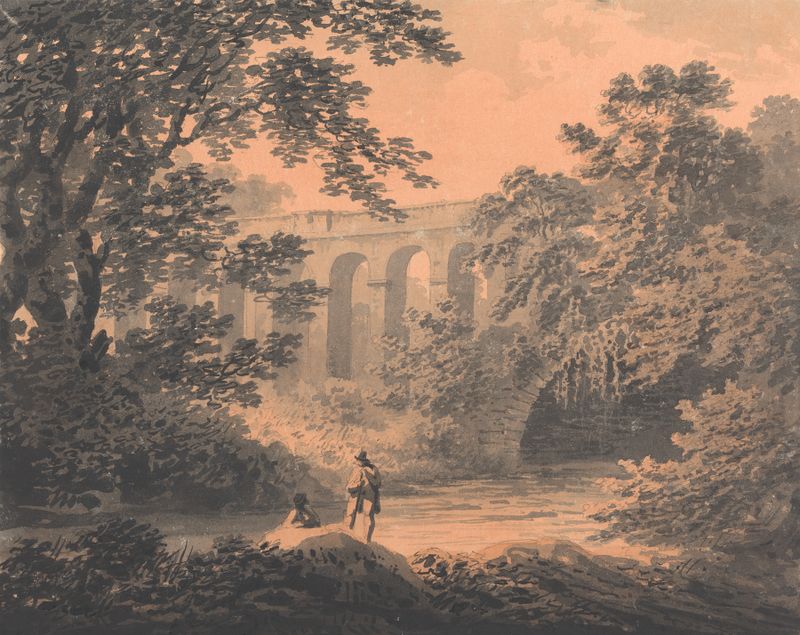
Could beauty survive in a century of chaos? The question hangs in the air, echoing through the valleys and hills presented in the serene expanse of this landscape. Look to the horizon, where soft, rolling hills meet a gentle sky painted in muted pastels. The delicate brushwork invites you to trace the contours of the land, guiding your gaze toward the interplay of light and shadow that brings depth to the scene. Notice how the vibrant greens of the grass contrast with the subtle browns of the earth, while wisps of clouds seem to dance above, hinting at a moment caught between stillness and motion.
Each stroke embodies the artist’s reverence for nature, capturing the essence of a landscape that flourishes even amid uncertainty. Within this tranquil portrayal lie layers of meaning. The harmonious blend of colors suggests a realm untouched by the tumult of the outside world, yet the very act of transformation is palpable. The serenity of the landscape holds a tension against the backdrop of an era marked by industrial upheaval and societal change.
The painting invites contemplation on the fragility of beauty, evoking a sense of longing for a simpler existence that may soon be lost to the encroaching chaos of modernity. Created between 1762 and 1783, this work emerged during a period of significant transition in both William Gilpin's life and the broader art world. As a key figure in the early landscape movement, he sought to elevate nature through picturesque aesthetics, advocating for a deeper appreciation of the English countryside. His experiences in the rapidly changing landscape of England shaped this vision, capturing the essence of beauty that endures despite the world's upheavals.
More Artworks by William Gilpin
Browse all →
Bridgnorth Bridge, Shropshire
William Gilpin
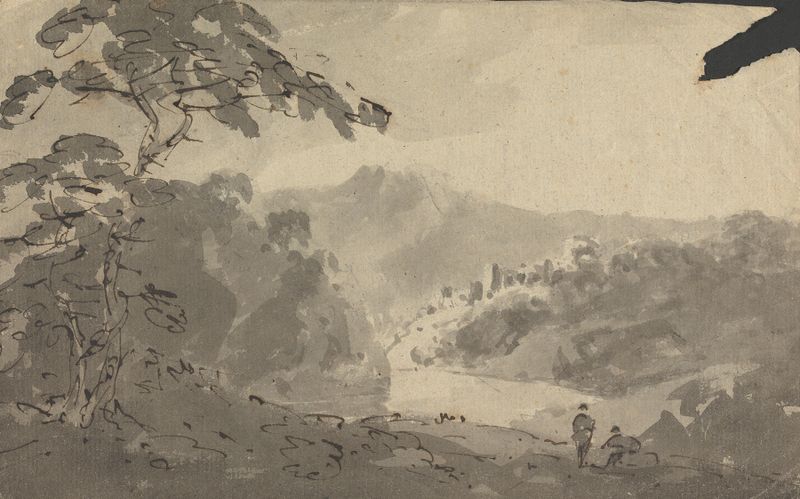
Two Men Looking Into Landscape with Castle, River and Mountain Scene
William Gilpin
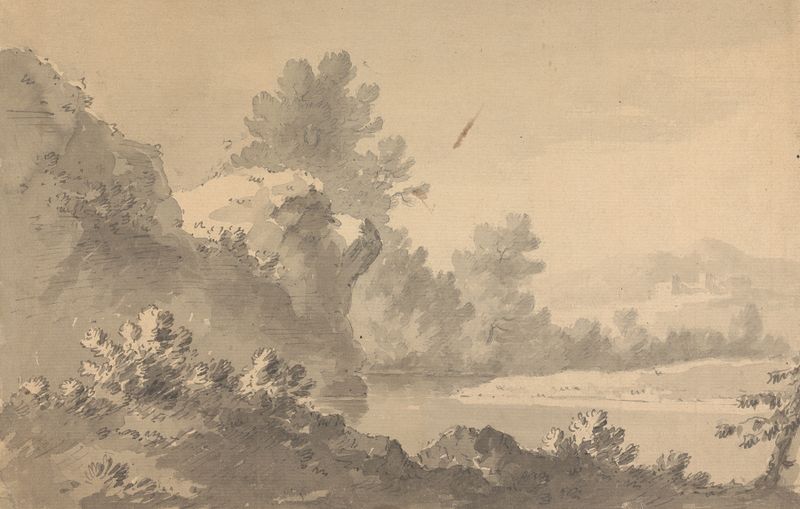
River Landscape with Castle in the Distance
William Gilpin
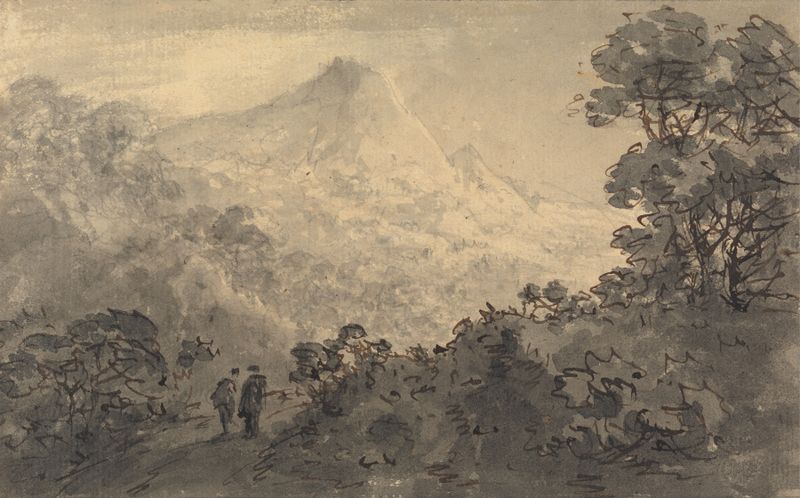
Snowdon
William Gilpin

Hilly Landscape
William Gilpin
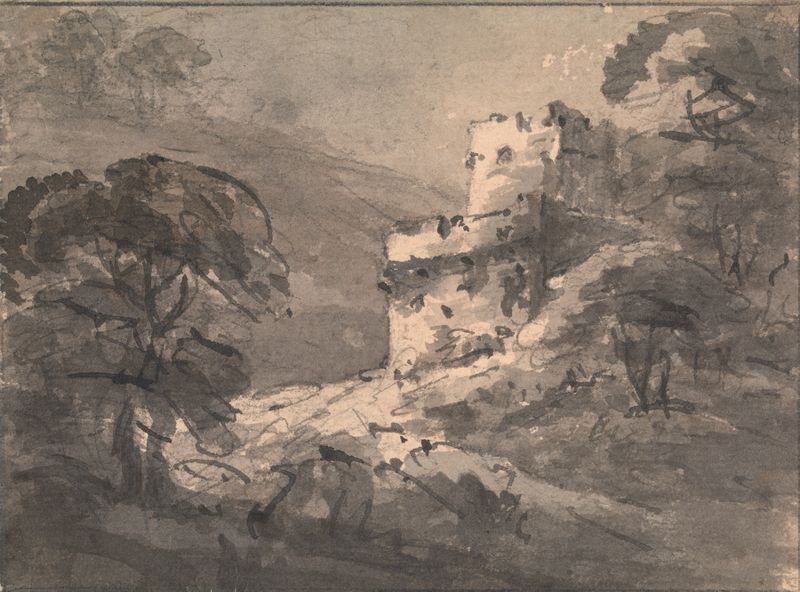
Landscape with a Ruined Castle on the Right
William Gilpin

Mountainous Landscape with Trees – High Crags to the Right
William Gilpin

View of Castle Ruin
William Gilpin
Bridge on the Malton Road from York
William Gilpin

Landscape with Two Trees and Castle
William Gilpin





