
Landscape — History & Facts
Time, like a brushstroke, is captured in this tranquil landscape, inviting contemplation of what lies beyond the immediate view. Look to the left at the gentle slope of an emerald hill, dappled with soft sunlight that dances through the leaves. The artist’s use of lush greens and subtle browns creates a rich tapestry, grounding the viewer in nature’s embrace. Notice how the horizon stretches into a soft blur, merging the earth and sky, evoking a sense of infinite possibility.
The delicate handling of light infuses the entire scene with a dreamlike quality, inviting you to step into this serene moment. Within this idyllic composition, contrasts abound. The vividness of the foreground bursts with life, while the distant mountains rest in muted tones, hinting at the passage of time and the weight of history. This dichotomy reflects a deeper tension, as the vibrant flora thrives in the present, yet the fading background reminds us of the impermanence of all things.
Each brushstroke speaks to a fleeting moment that is both cherished and ephemeral, inviting reflection on the nature of existence. Narcisse Virgile Diaz de la Peña painted Landscape around 1867, during a time when the Impressionist movement was gaining momentum in France. Straddling the line between Romanticism and Impressionism, he sought to capture the beauty of nature with an innovative approach to color and light. As he explored the evolving artistic landscape, his work began to embody the very essence of fleeting moments, resonating with the broader transformations in the art world around him.
More Artworks by Narcisse Virgile Diaz de la Peña
Browse all →
Pond in the Woods
Narcisse Virgile Diaz de la Peña

Le Malefice
Narcisse Virgile Diaz de la Peña

Landscape with Figures
Narcisse Virgile Diaz de la Peña

Nymph Tormented by Cupid
Narcisse Virgile Diaz de la Peña

Venus Disarming Cupid
Narcisse Virgile Diaz de la Peña

Education of Cupid
Narcisse Virgile Diaz de la Peña
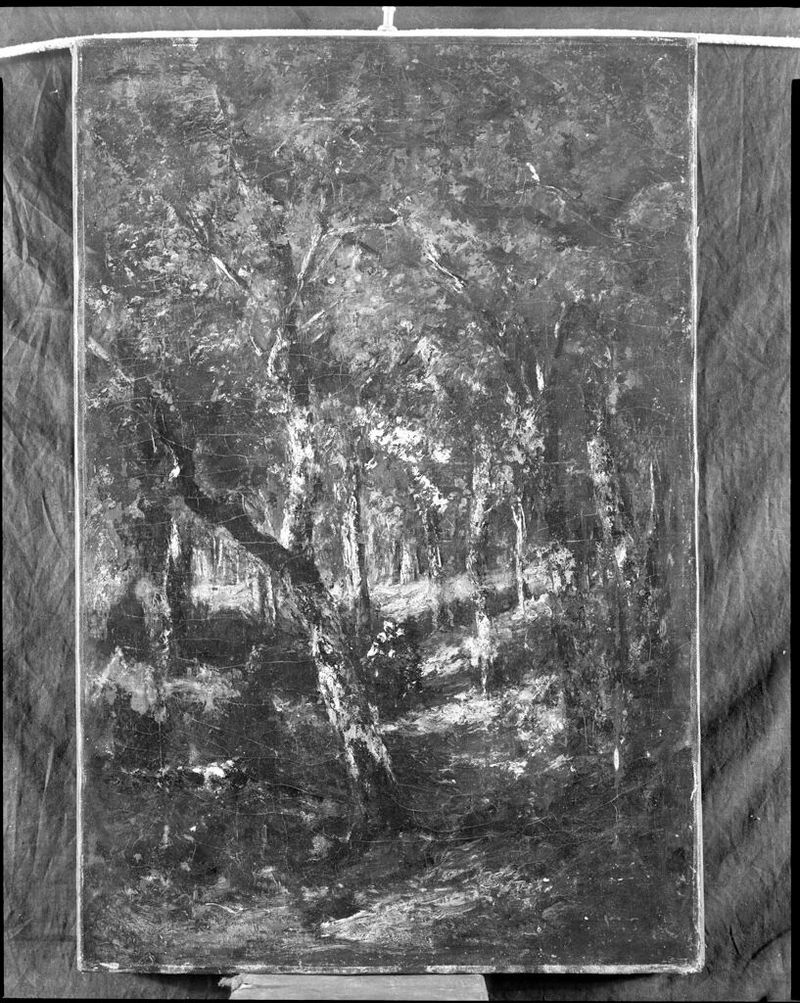
Forest Landscape
Narcisse Virgile Diaz de la Peña
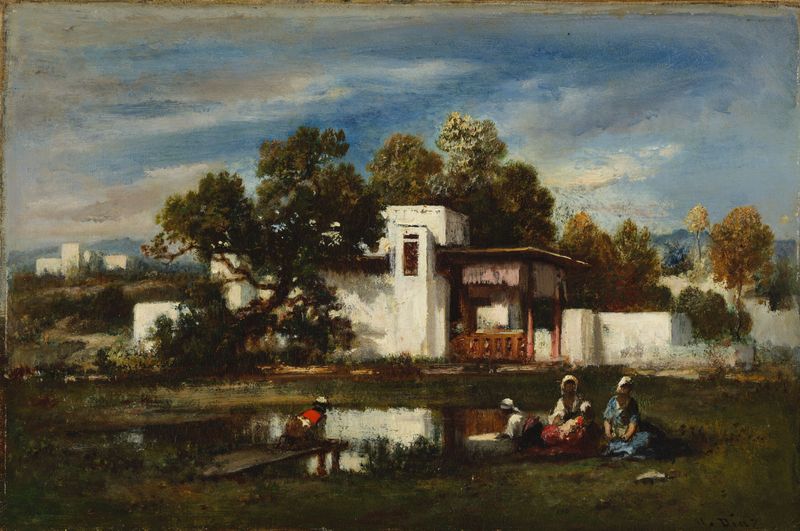
Landscape with Figures
Narcisse Virgile Diaz de la Peña

Three Girls in a Wood
Narcisse Virgile Diaz de la Peña

Three Little Girls
Narcisse Virgile Diaz de la Peña





