
Landscape — History & Facts
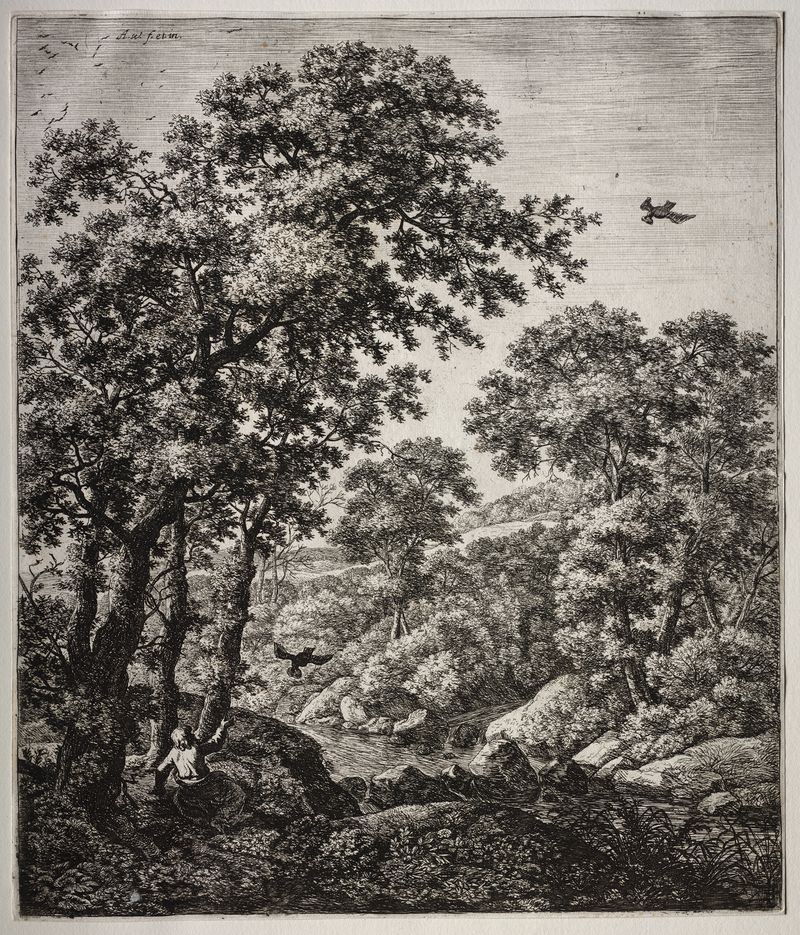
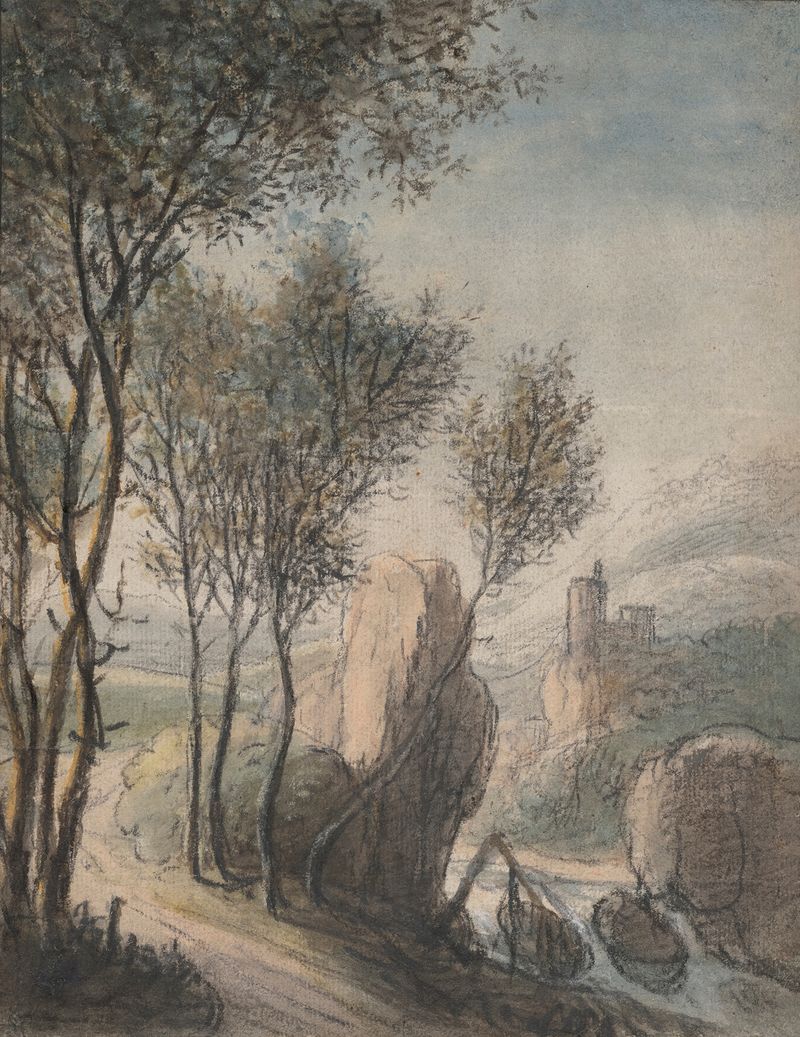
Can beauty exist without sorrow? In Landscape, the artist beckons us to ponder the duality of nature, where every serene vista whispers of the unseen struggles beneath its surface. Look to the foreground, where a gentle brook meanders through a vibrant meadow, its crystalline waters reflecting the soft glow of the setting sun. Notice how the warm hues of amber and gold are juxtaposed with the cooler blues and greens of the distant hills, creating a harmonious yet complex palette. The interplay of light and shadow dances across the canvas, inviting the eye to explore every nook and cranny, revealing a world alive with possibility. Yet, beneath this tranquil surface lies an undercurrent of tension.
The twisted branches of a gnarled tree stand sentinel at the edge of the scene, its weathered bark a testament to past storms. Meanwhile, wisps of clouds threaten the horizon, hinting at a shift—nature's unpredictable temperament. This subtle dichotomy reflects life's inherent contradictions, where moments of beauty often coexist with traces of pain, reminding us that transformation requires both light and shadow. During an undetermined period in his career, the artist immersed himself in the study of landscapes, drawn to the interplay of nature's colors and forms.
As the Romantic movement burgeoned in Europe, he found himself amidst a growing appreciation for the sublime in nature. While the specifics of this work's creation remain elusive, it is clear that Landscape resonates with the ethos of that era, embodying a quest for deeper understanding through the lens of beauty and transformation.
More Artworks by Antonie Waterloo
Browse all →
Gezicht op het dorp Soest
Antonie Waterloo

Hagar comforted by the Angel
Antonie Waterloo

Waldbach, der über Felsen stürzt, über die eine Holzbrücke führt
Antonie Waterloo
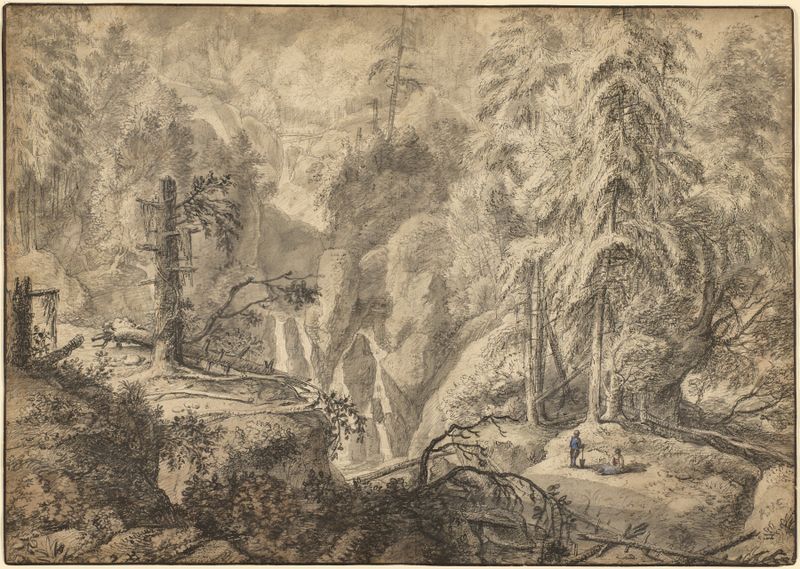
Mountain Landscape, Peasants in a Clearing near a Waterfall
Antonie Waterloo
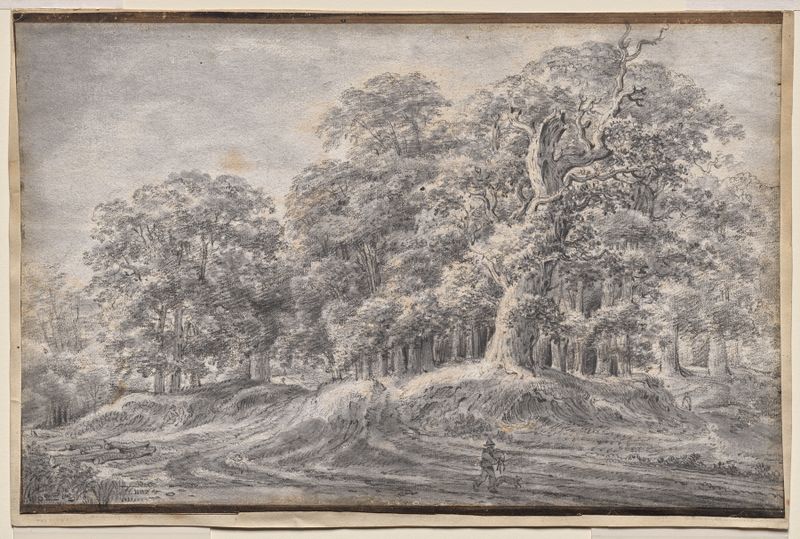
A Track on the Edge of a Wood with a Peasant Carrying Sheep
Antonie Waterloo
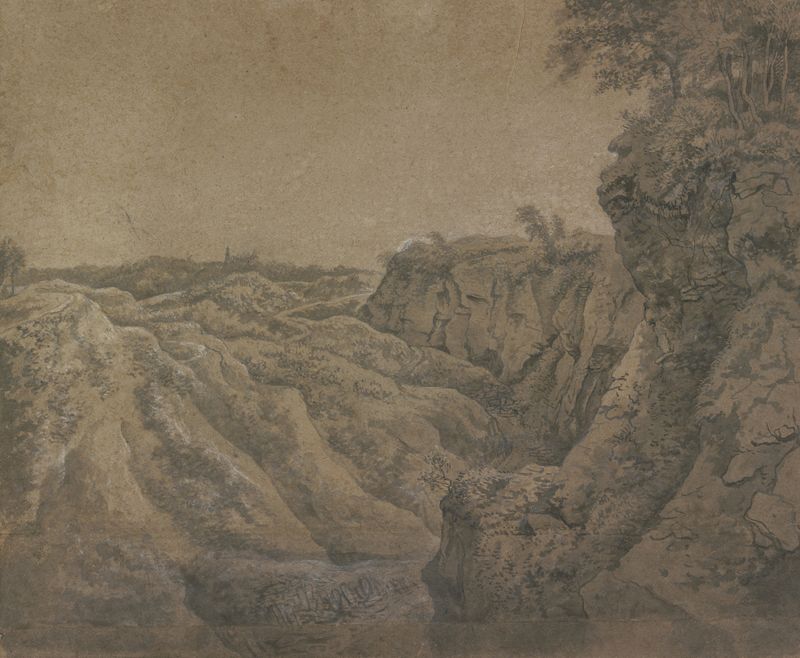
Landscape with a View of Bentheim Castle in the far Distance
Antonie Waterloo
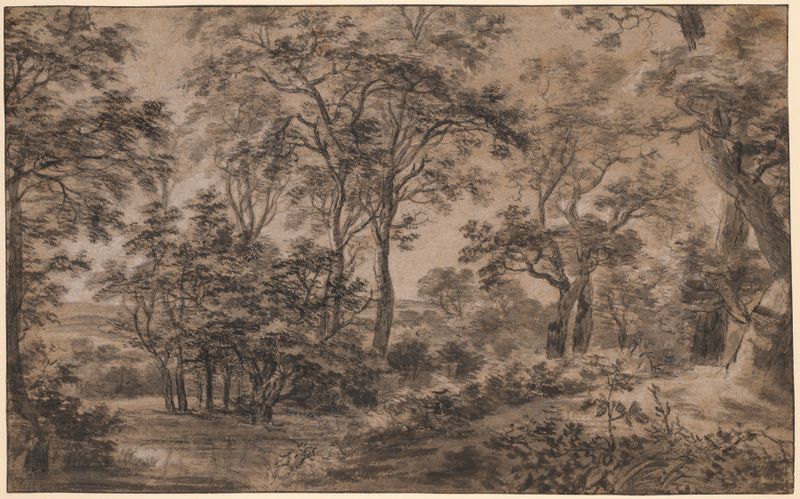
Wooded Landscape
Antonie Waterloo
Elijah Fed by the Ravens
Antonie Waterloo
River Landscape with a Castle in the Distance
Antonie Waterloo

Trees and cottages in hilly landscape
Antonie Waterloo





