
Landscape — History & Facts
In the delicate strokes of the canvas, one finds a profound reflection on rebirth, where nature’s glory conceals the scars of its tumultuous past. Look to the horizon, where gentle hills rise beneath a sky painted in soft pastels, capturing the tender embrace of dawn. The artist's meticulous attention to detail draws the eye first to the shimmering brook winding through the verdant landscape, its water glistening under the newfound light. Notice how the golden rays illuminate the foliage, casting a warm glow that contrasts with the cooler tones of the shaded areas, creating a harmony that speaks to the cycle of renewal. Within this tranquil scene lies a deeper narrative of resurrection; the juxtaposition of the vibrant life against the darker shadows hints at the struggles faced during transformation.
The carefully rendered trees, with their robust trunks, symbolize resilience, while the delicate wildflowers blooming at their base whisper of hope. Each element coalesces into a reminder that beauty often emerges from hardship, and the landscape itself is a testament to the enduring spirit of nature. In 1835, Karl Friedrich Lessing painted this work during a time when the Romantic movement was flourishing, emphasizing emotional depth and the sublime in nature. Living in Germany, he was influenced by the shifting artistic landscape that sought to capture not just visual beauty, but also the profound emotions stirred by the natural world.
This painting reflects that sentiment, showcasing both the picturesque and the poignant.
More Artworks by Karl Friedrich Lessing
Browse all →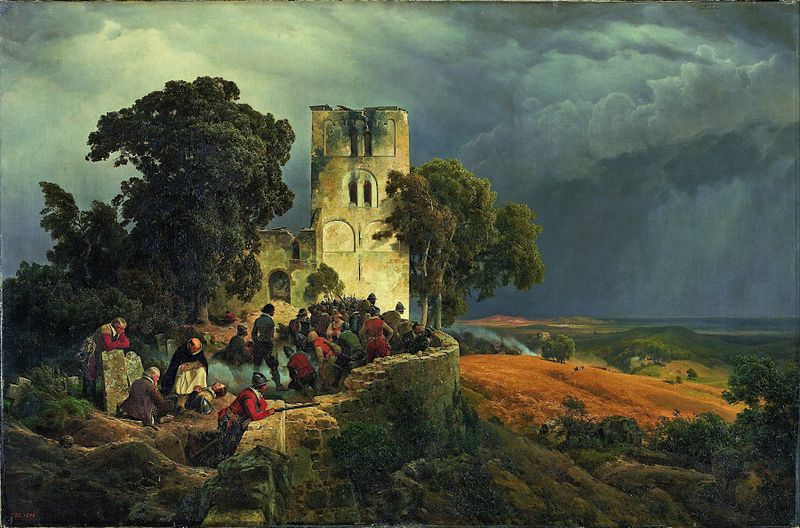
The Siege (Defense of a Church Courtyard During the Thirty Years’ War)
Karl Friedrich Lessing

The Thousand-Year-Old Oak
Karl Friedrich Lessing

Das Bodetal im Harz
Karl Friedrich Lessing
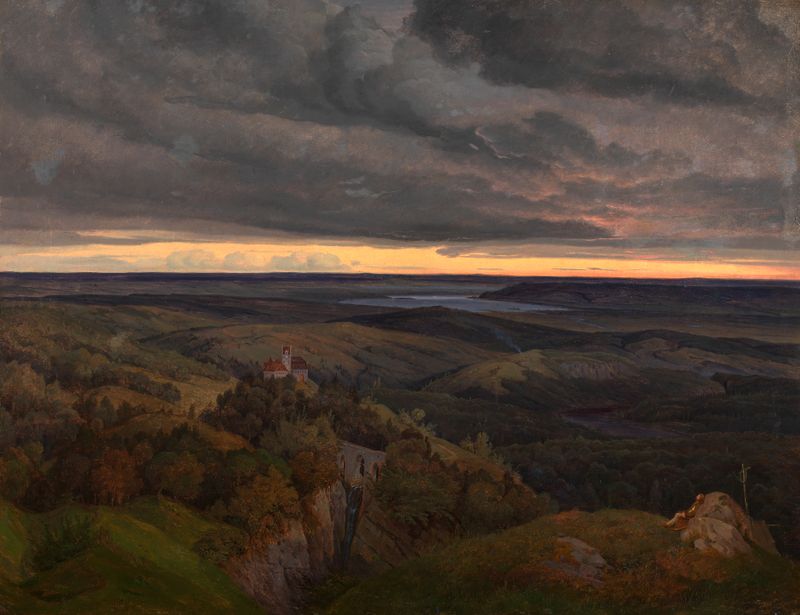
Eifellandschaft
Karl Friedrich Lessing
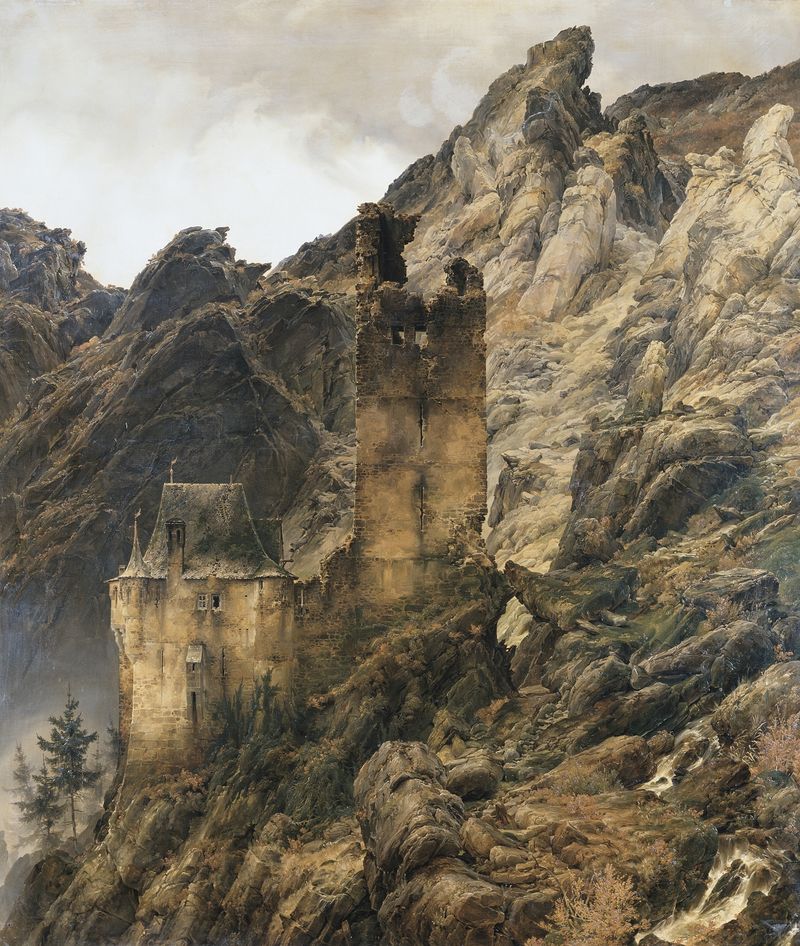
Rocky Landscape, Gorge with Ruins
Karl Friedrich Lessing
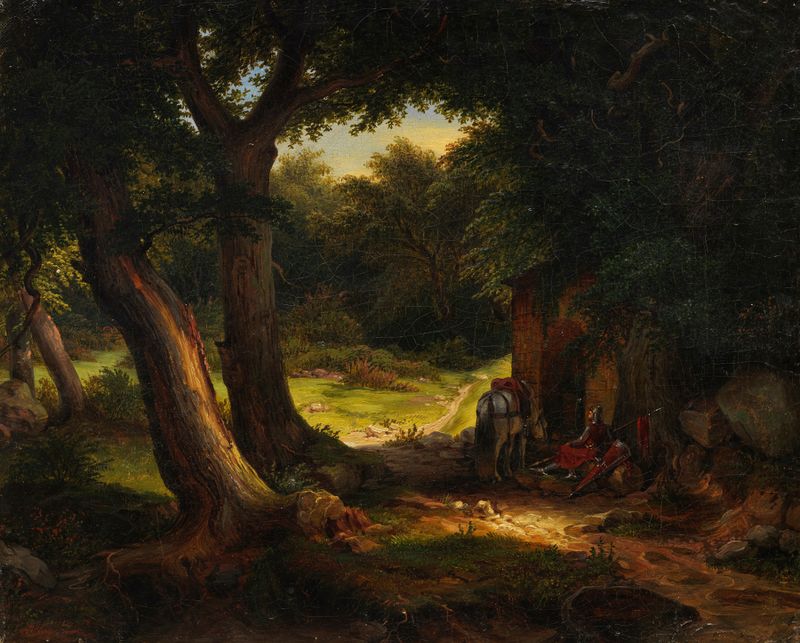
Eichenwald mit einem am Brunnen rastenden Kreuzritter
Karl Friedrich Lessing
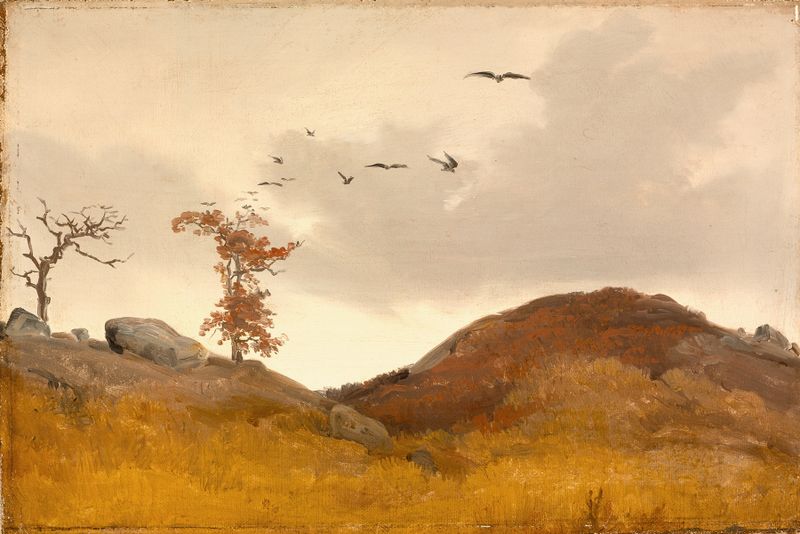
Landscape with Crows
Karl Friedrich Lessing
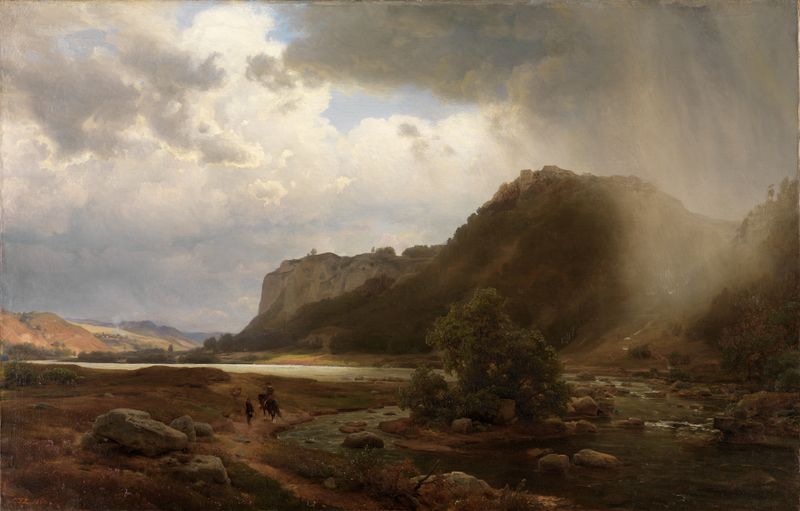
Flußlandschaft
Karl Friedrich Lessing
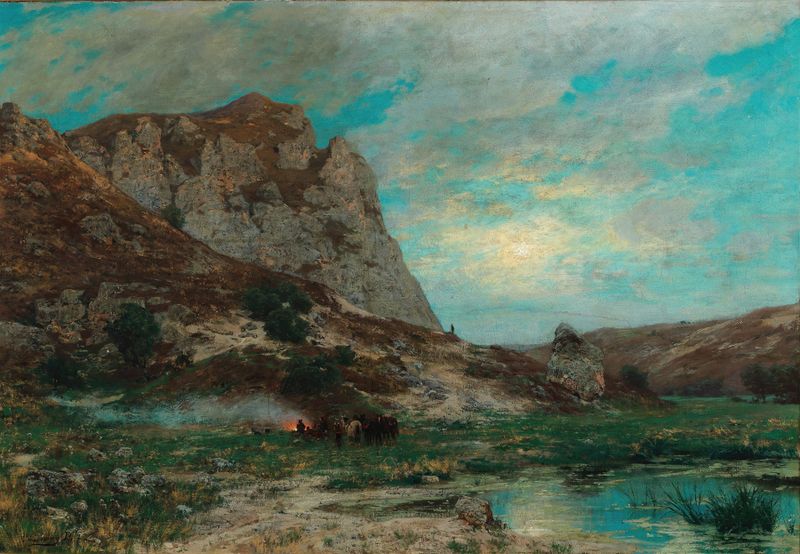
Soldaten bei der Rast
Karl Friedrich Lessing

Landscape from the Eifel mountains
Karl Friedrich Lessing





