
Landscape — History & Facts
In the realm of dreams, landscapes unfold not just as places but as emotions waiting to be explored. Look closely at the sweeping horizon, where vibrant hues of green and gold meld into one another. The rich textures of the foliage invite your eyes to wander across the canvas, while the soft play of light illuminates the distant peaks. Near the center, the gentle curve of a river reflects the sky’s pastel tones, creating a serene focal point that anchors the entire composition.
The artist’s meticulous brushwork captures the essence of nature's beauty, blending reality with fantasy. Delve deeper into the subtle contrasts within the lush scenery: the stark clarity of the clouds against the warm earth tones speaks to the duality of tranquility and turbulence. Notice how the vibrant foliage symbolizes life’s exuberance, while the distant mountains evoke an air of mystery and contemplation. This interplay invites viewers to reflect upon their own journeys, merging personal dreams with the universal longing for connection with nature. In 1865, Church painted this piece during a period of personal and artistic evolution.
Residing in the Hudson River Valley, he was deeply influenced by the Romantic movement, which emphasized the beauty and sublimity of the natural world. Against a backdrop of societal change and the burgeoning American identity, this painting stands as a testament to his skill in capturing not just the physical landscape, but the emotional landscapes within us all.
More Artworks by Frederic Edwin Church
Browse all →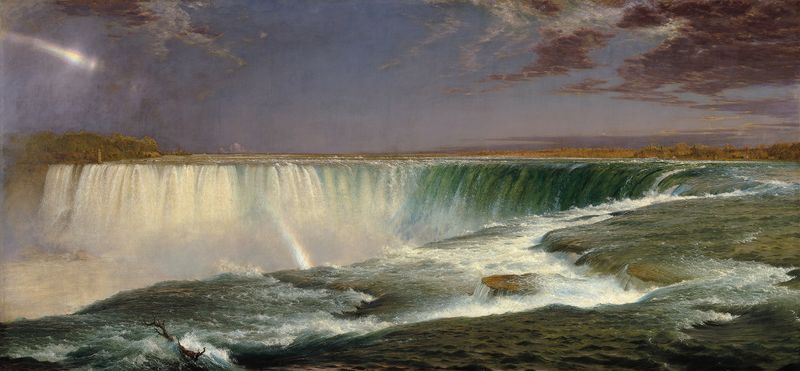
Niagara
Frederic Edwin Church
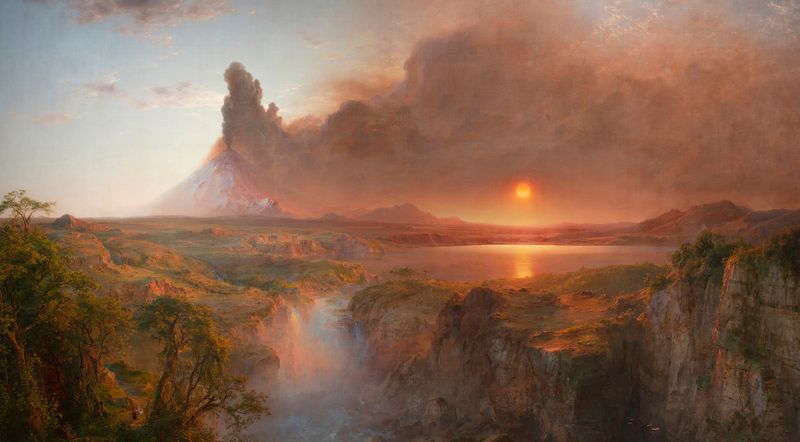
Cotopaxi
Frederic Edwin Church
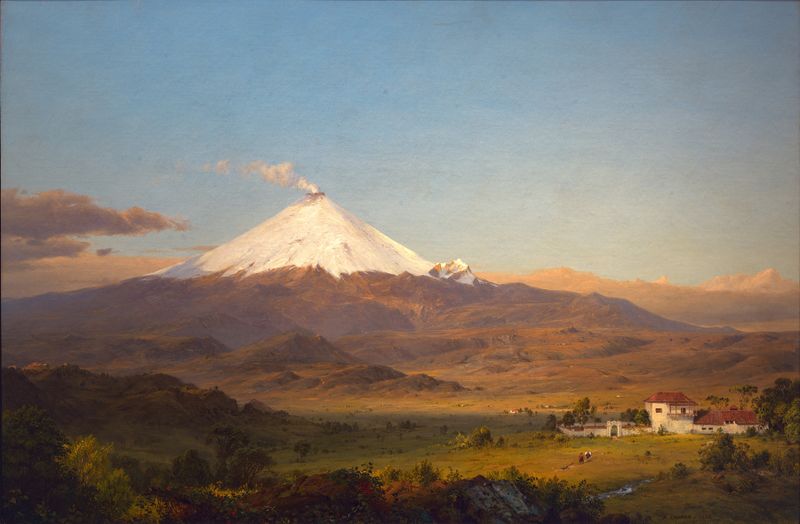
Cotopaxi
Frederic Edwin Church
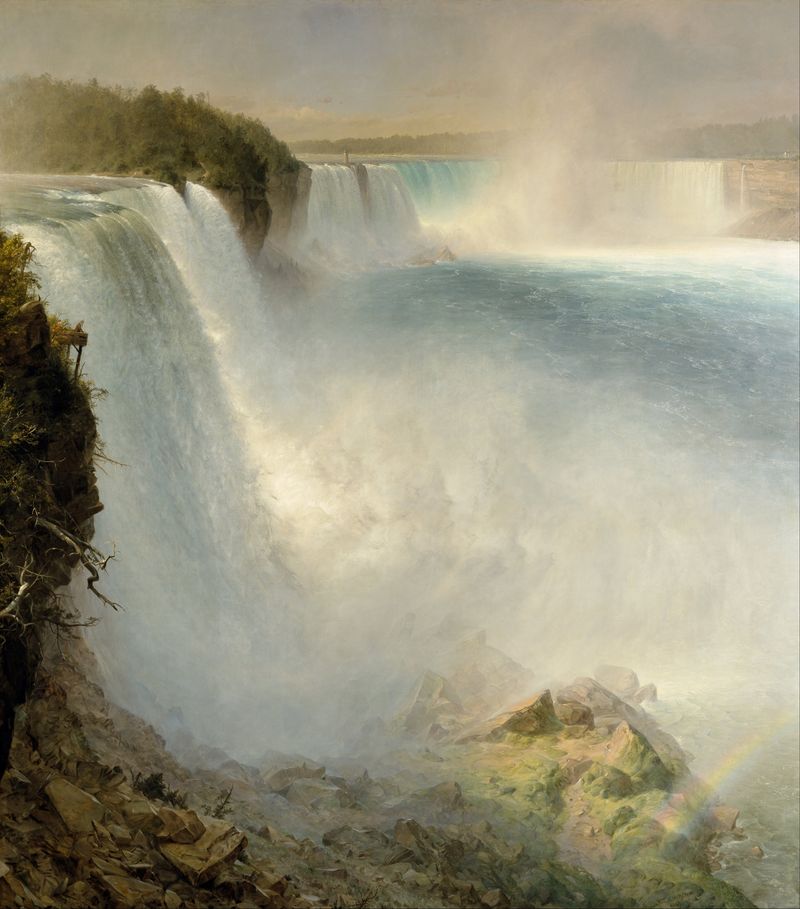
Niagara Falls, from the American Side
Frederic Edwin Church
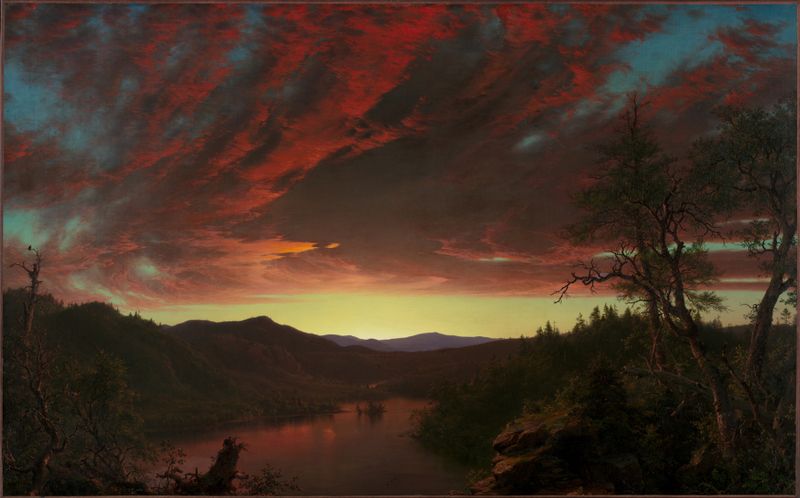
Twilight in the Wilderness
Frederic Edwin Church
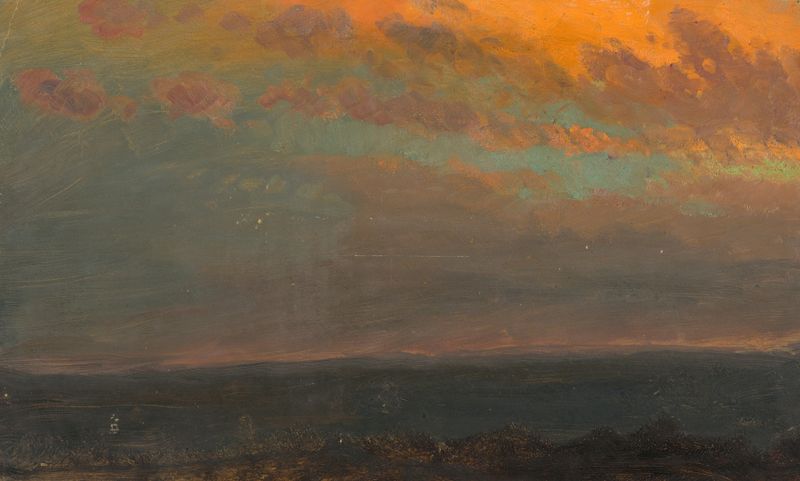
Hudson Valley at Sunset
Frederic Edwin Church
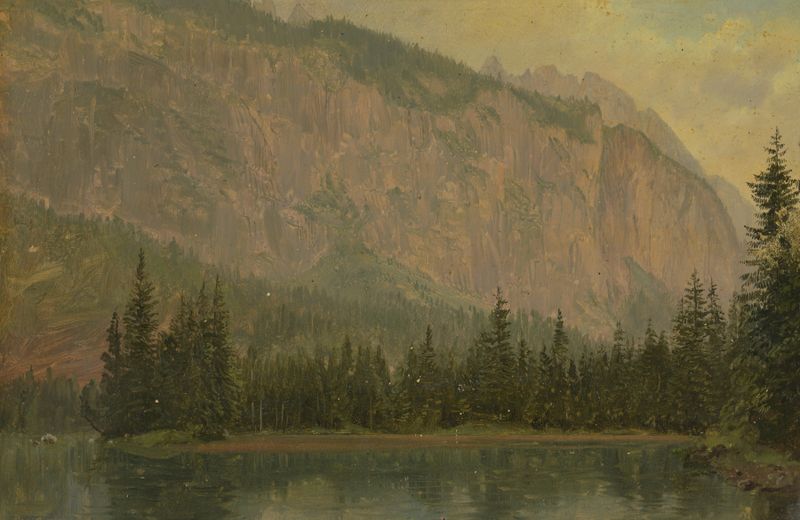
The Hintersee, near Berchtesgaden, Bavaria
Frederic Edwin Church
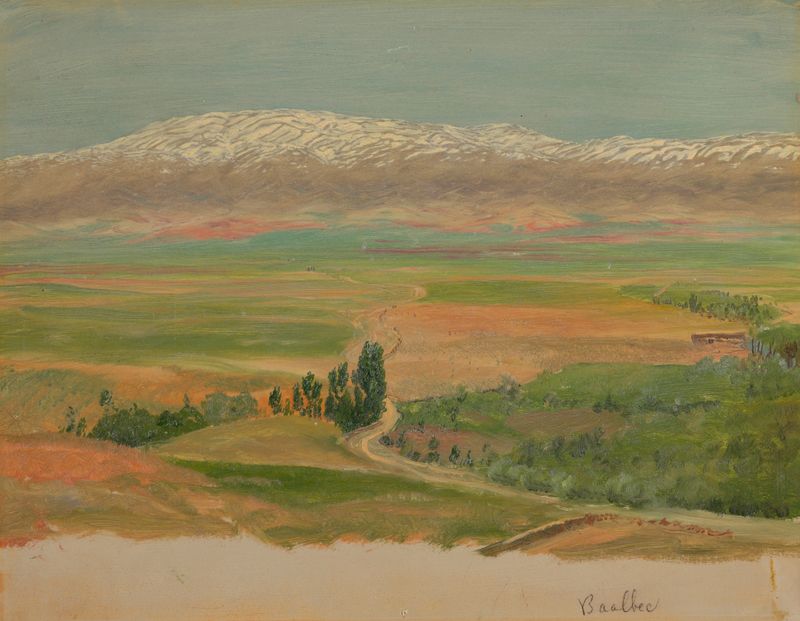
Mountains near Baalbec
Frederic Edwin Church
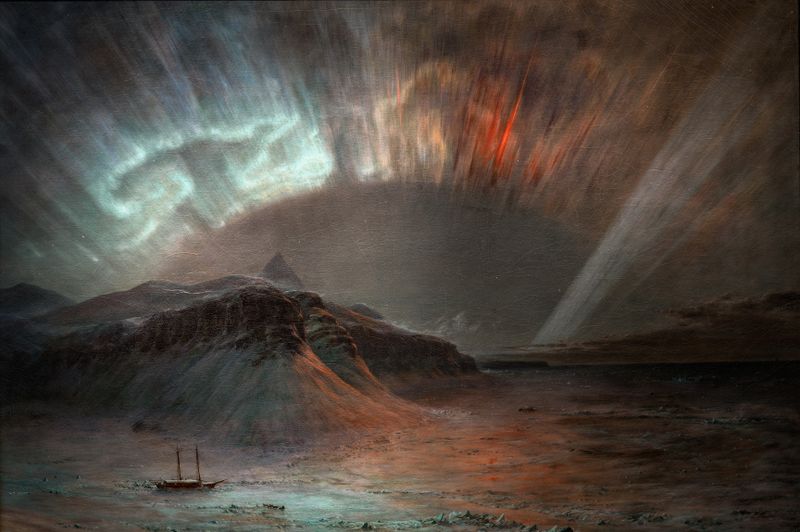
Aurora Borealis
Frederic Edwin Church
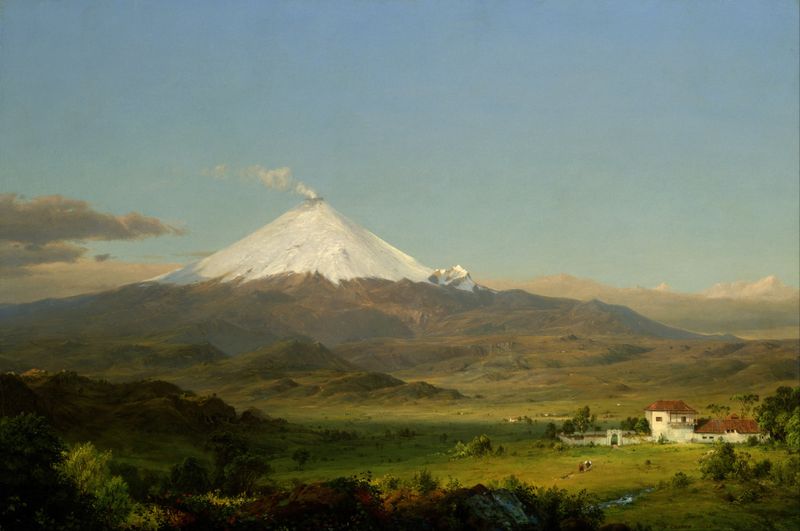
Cotopaxi
Frederic Edwin Church





