Landscape — History & Facts
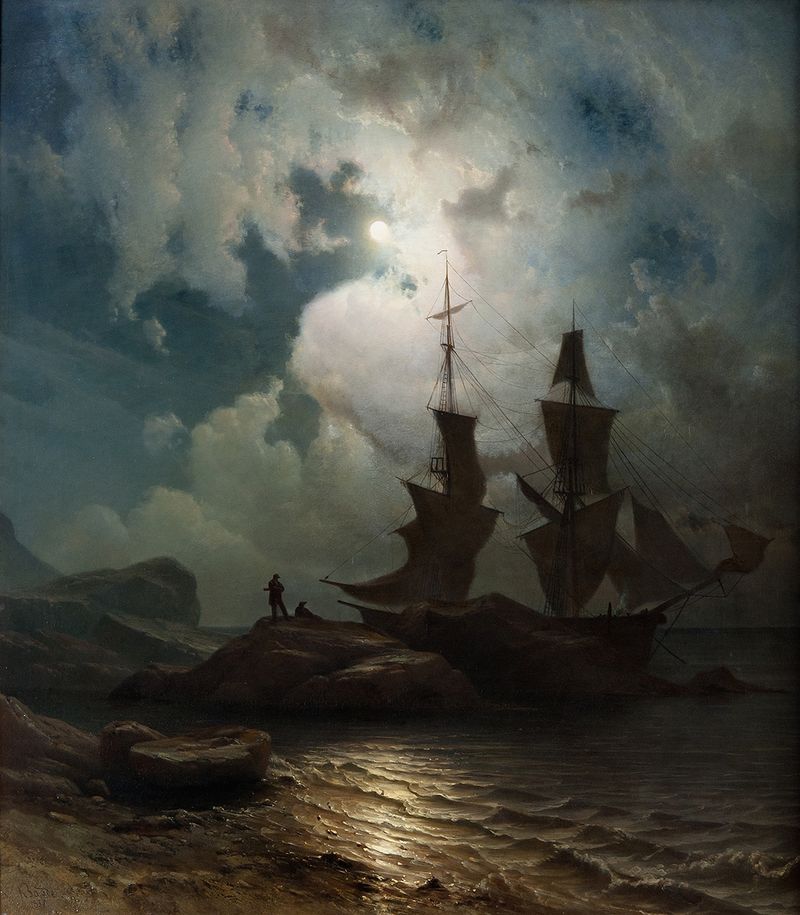
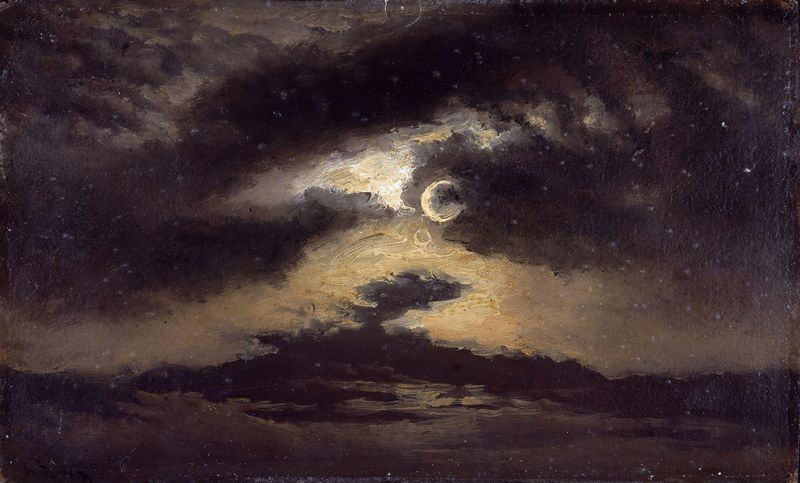
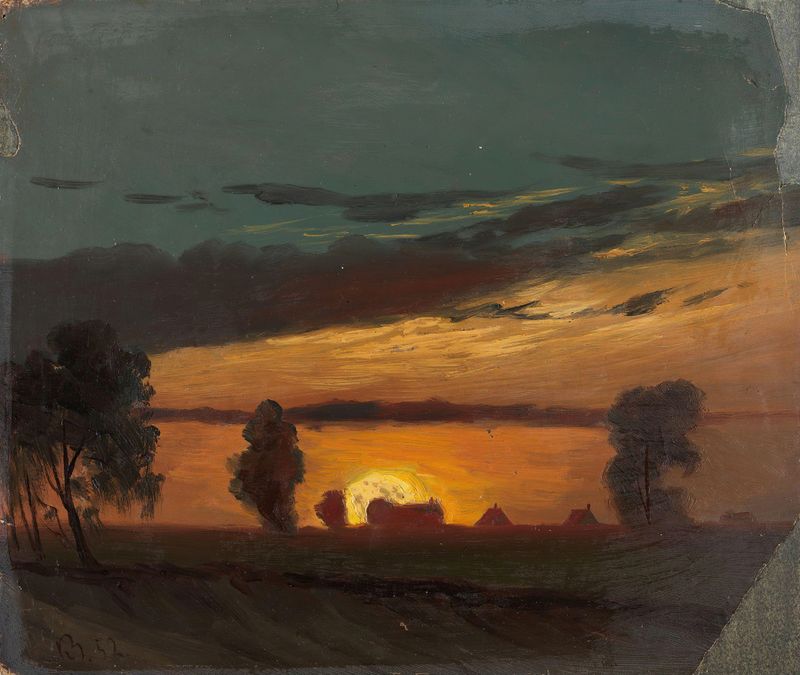
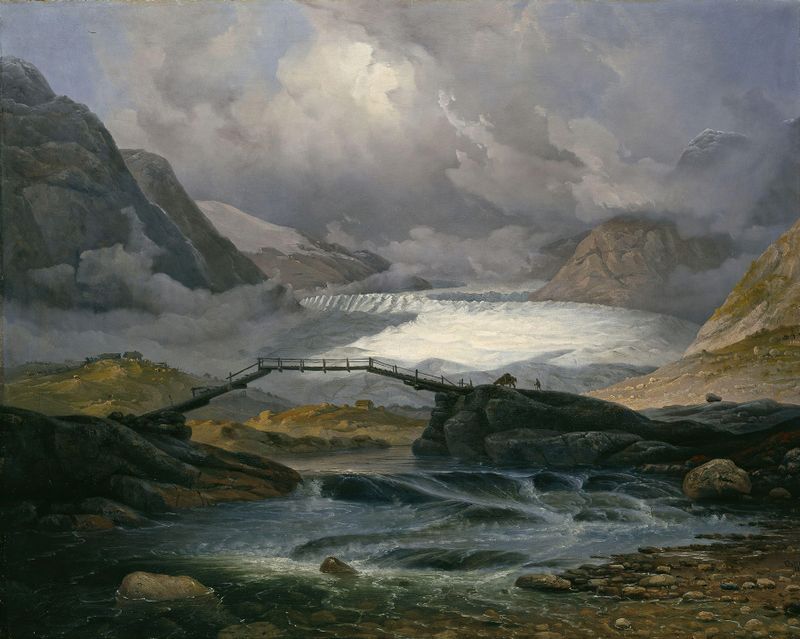
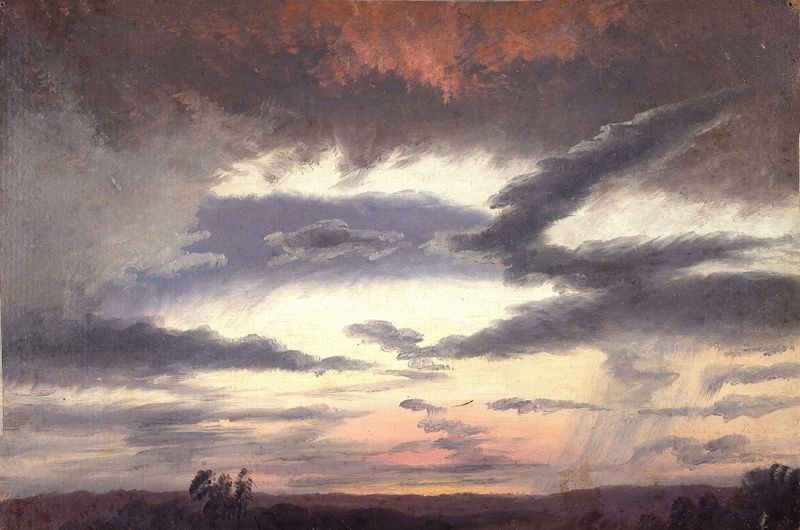
Can paint confess what words never could? In the swirling chaos of nature, a dialogue unfolds, inviting the viewer to listen for the unspoken truths nestled within the landscape. Look to the center of the canvas, where tumultuous clouds gather, their darkened hues contrasting sharply with streaks of vibrant light piercing through. The undulating hills in the foreground seem to pulse with life, their rich greens and browns invoking a sense of vibrancy amidst the storm. Notice how Baade’s brushwork captures movement, the strokes both chaotic and deliberate, creating a mesmerizing tension that draws the eye across the composition. Within this tumult lies a profound emotional landscape.
The interplay between light and shadow symbolizes the dualities of existence: chaos and calm, fear and hope. The juxtaposition of the serene countryside and the brewing tempest suggests an imminent transformation, echoing the unpredictability of life itself. Each brushstroke holds an energy that pulsates with potential, urging us to confront our own internal storms. Knud Baade created Landscape during a time when he was deeply engaged with the Romantic movement's themes, likely in the 19th century.
His works often reflected the struggles between nature’s beauty and its ferocity, as he sought to convey the sublime. Living in Norway, a land of dramatic landscapes, he was influenced by both the local scenery and the broader artistic currents of his time, navigating a period marked by a growing appreciation for the emotional depth found in nature.