
Landscape — History & Facts
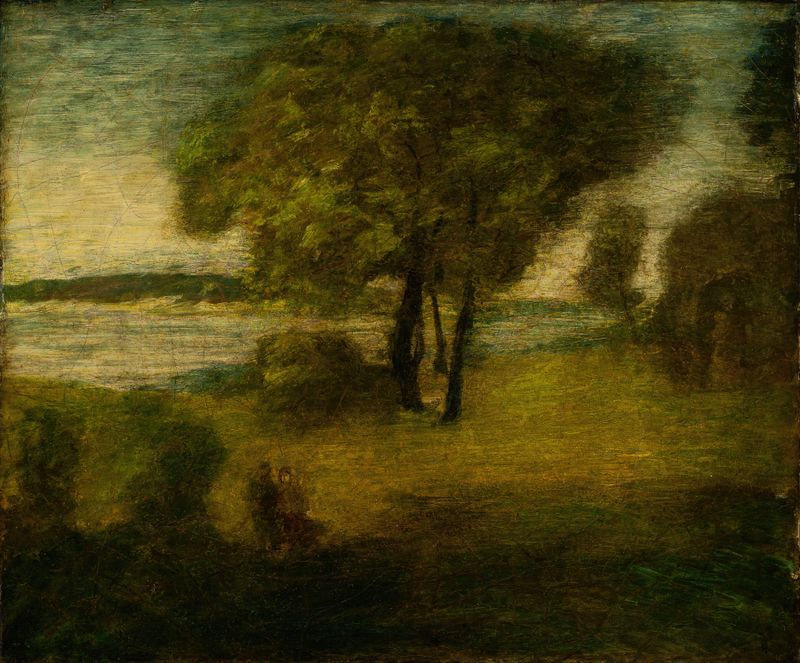
What secret hides in the quiet of the canvas? In the stillness of Landscape, the viewer is invited to ponder the intricate beauty woven into the depths of nature's embrace. Look to the foreground where a gentle rise of earth meets a serene body of water, its surface reflecting a tapestry of muted blues and greens. Notice how the brushstrokes are both vigorous and tender, capturing the movement of the grass and the whisper of the breeze. The soft transition from light to dark draws the eye inward, urging one to explore the hidden nuances of this world, from the textured foliage to the distant horizon where light plays coyly with shadow. As you linger, deeper meanings emerge: the contrast between the vibrant and the subdued suggests a delicate balance of life and stillness.
The interplay of light hints at the passage of time, revealing the beauty in both the ephemeral and the eternal. The subtle hints of shadow evoke an emotional tension, whispering of secrets held within the landscape—a reminder that nature, while beautiful, can also harbor mystery and solitude. Created during a period of introspection in Ryder’s life, this work emerged between 1897 and 1898, when the artist was particularly captivated by themes of nature and spirituality. Working in his studio in New York, he drew inspiration from the surrounding countryside, intertwining personal reflection with the broader movements of American art that were experimenting with impressionistic and romantic techniques.
More Artworks by Albert Pinkham Ryder
Browse all →
The Toilers of the Sea
Albert Pinkham Ryder
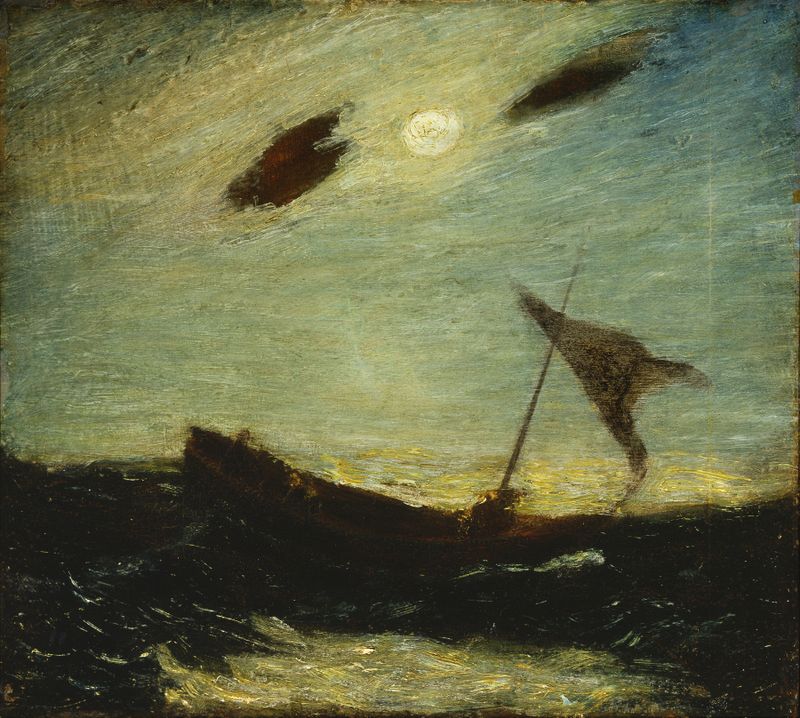
Moonlight
Albert Pinkham Ryder

The Lorelei
Albert Pinkham Ryder

With Sloping Mast And Dipping Prow
Albert Pinkham Ryder

The Temple of the Mind
Albert Pinkham Ryder

Moonlight Marine
Albert Pinkham Ryder

The Lovers’ Boat
Albert Pinkham Ryder

Harvest
Albert Pinkham Ryder

Under a Cloud
Albert Pinkham Ryder
The River
Albert Pinkham Ryder





