
Landscape at Saint-André, Near Marseilles — History & Facts
Did the painter know this moment would outlive them? In the embrace of the Provencal sun, a vivid longing for eternity pulses through the colors and contours of the landscape, capturing a moment both fleeting and timeless. Look to the left at the verdant hills rolling gently under the azure sky. Gauguin's brushstrokes dance with energy, using a palette of vibrant greens and rich ochres that radiate warmth. Notice how the houses, nestled against the landscape, seem to gather the sunlight, their soft, earthy tones grounding the scene in reality while the sky above bursts with a riot of blue, mirroring the vibrancy of life itself.
The horizon line extends infinitely, inviting the viewer to step into the breath of this serene tableau. In this painting, contrasts emerge. The tension between the bright sky and the earth beneath speaks to the dichotomy of aspiration and belonging. The gentle undulations of the landscape echo a yearning for connection—both to the land and to something beyond it.
Meanwhile, the solitude of the scene whispers of a deeper contemplation, as if each brushstroke is a meditation on time and existence, urging us to reflect on what we leave behind in our pursuit of beauty. Created in the mid-1860s, this work marks a formative period for the artist, who was grappling with his identity as a painter amidst a burgeoning art movement. Gauguin was exploring Impressionism, yet beginning to carve his own path, laying the groundwork for the symbolism that would later define his career. At this time, Europe was undergoing rapid change, and the tranquil essence of this landscape stands in stark contrast to the swirling currents of modernity encroaching upon the artist's world.
More Artworks by Paul Gauguin
Browse all →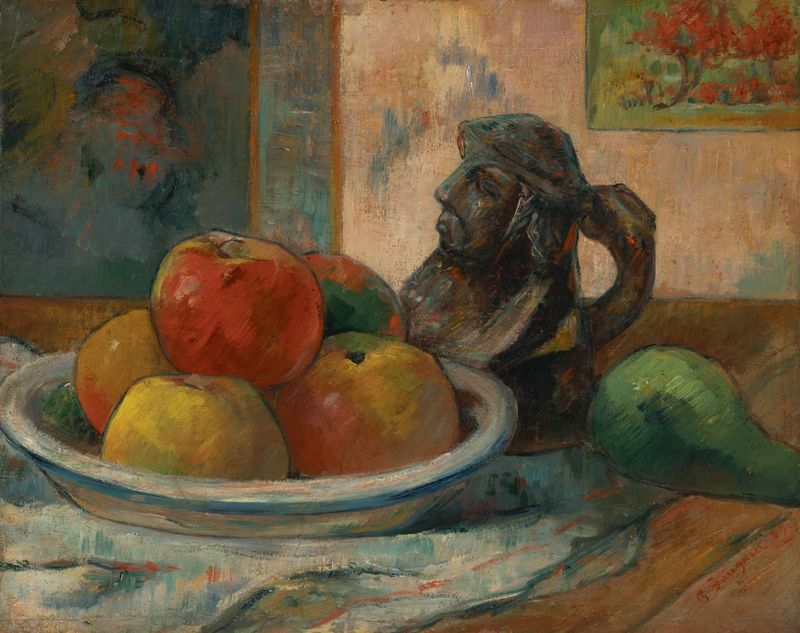
Still Life with Apples, a Pear, and a Ceramic Portrait Jug
Paul Gauguin
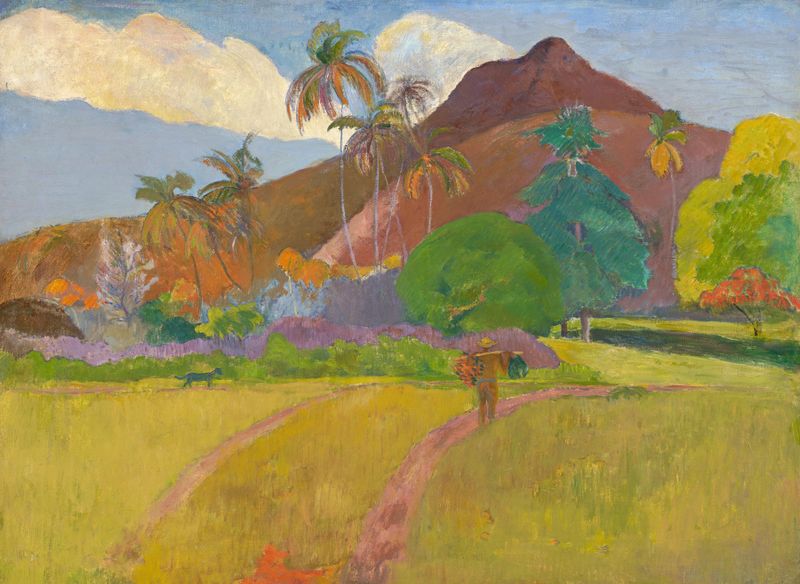
Tahitian Landscape
Paul Gauguin

Landscape near Pont-Aven
Paul Gauguin

No te aha oe riri (Why Are You Angry?)
Paul Gauguin
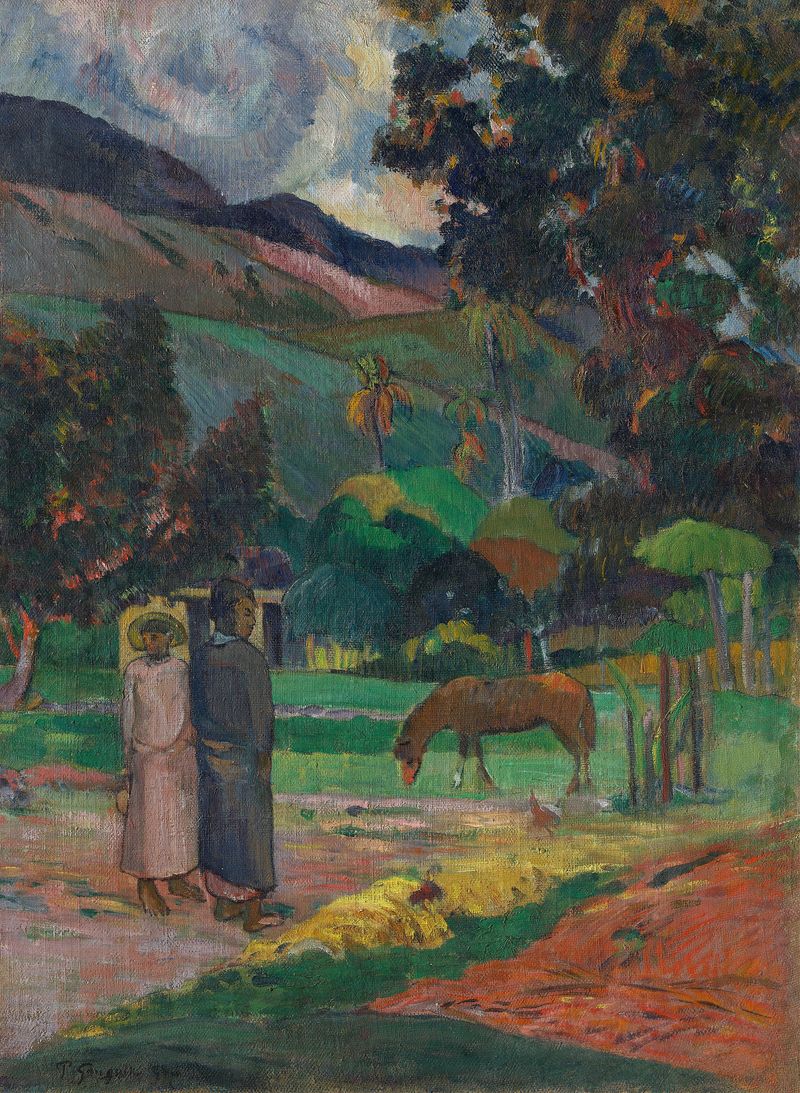
Tahitian Landscape
Paul Gauguin
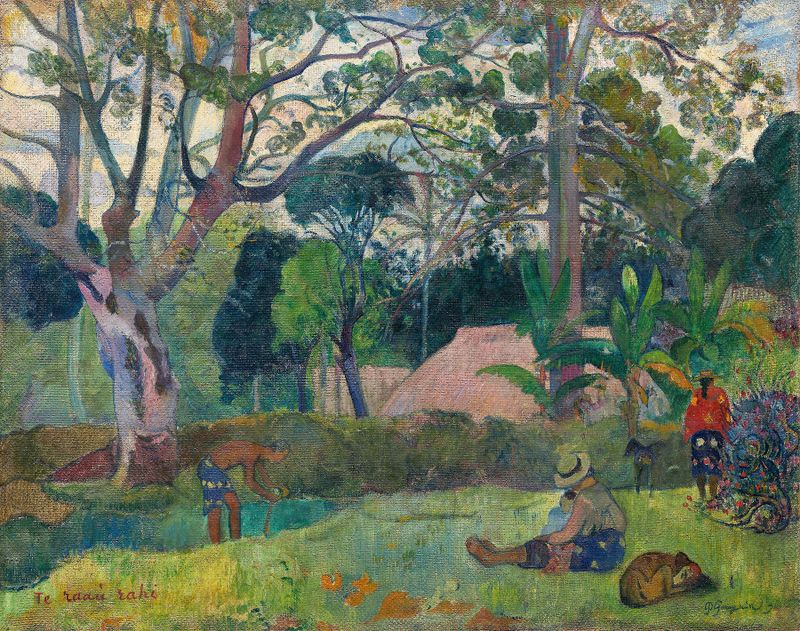
Te raau rahi (The Big Tree)
Paul Gauguin

Landscape at Le Pouldu
Paul Gauguin

Landscape of Brittany
Paul Gauguin

Poèmes Barbares
Paul Gauguin
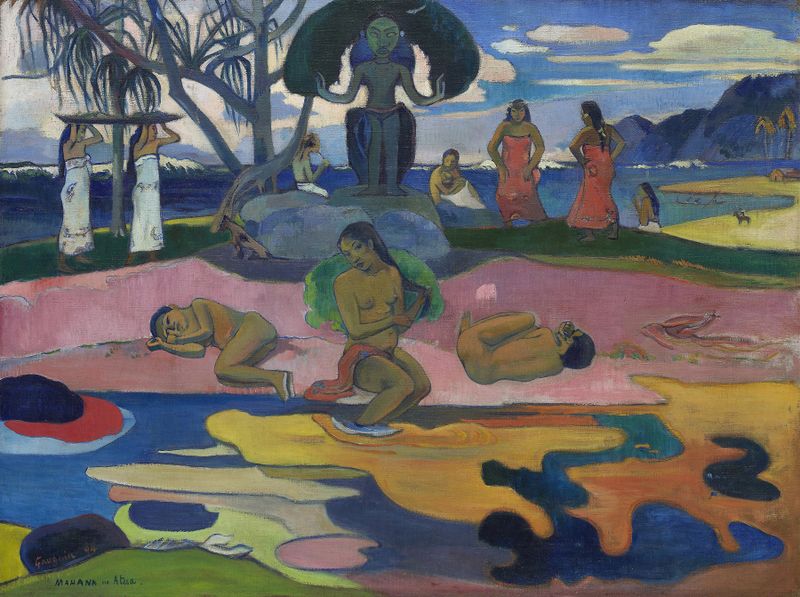
Mahana no atua (Day of the God)
Paul Gauguin





