Landscape at the Vistula — History & Analysis
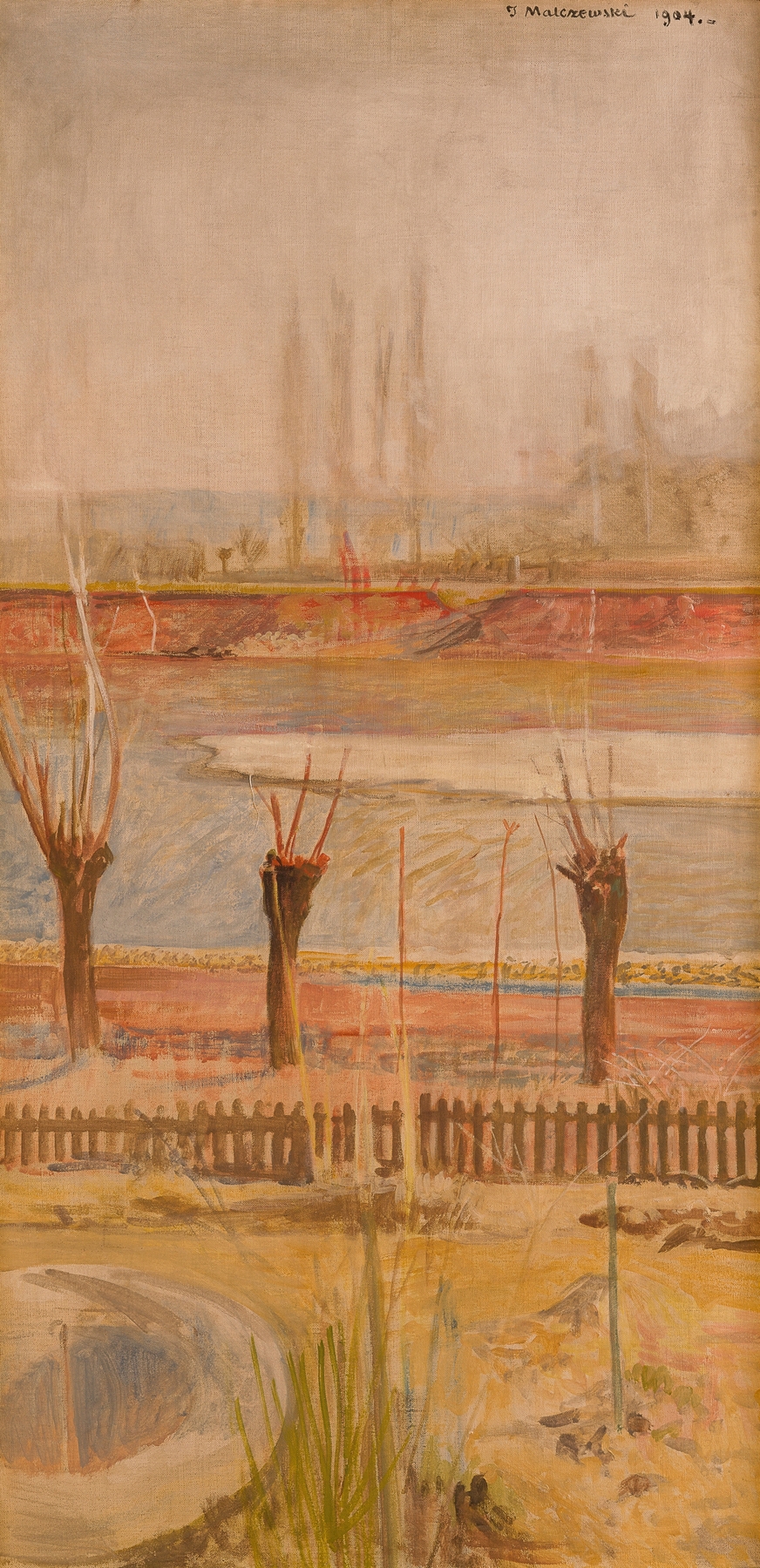
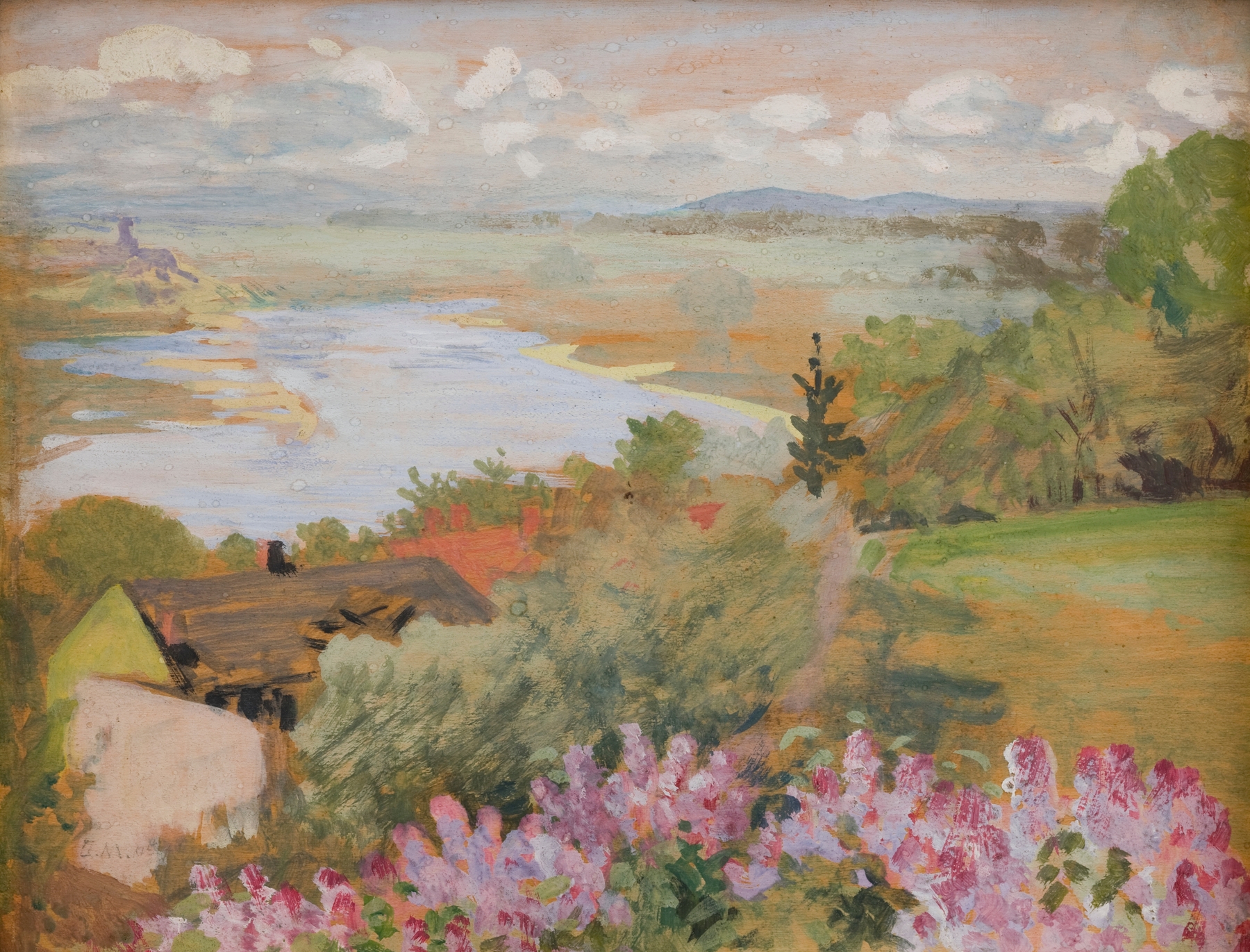
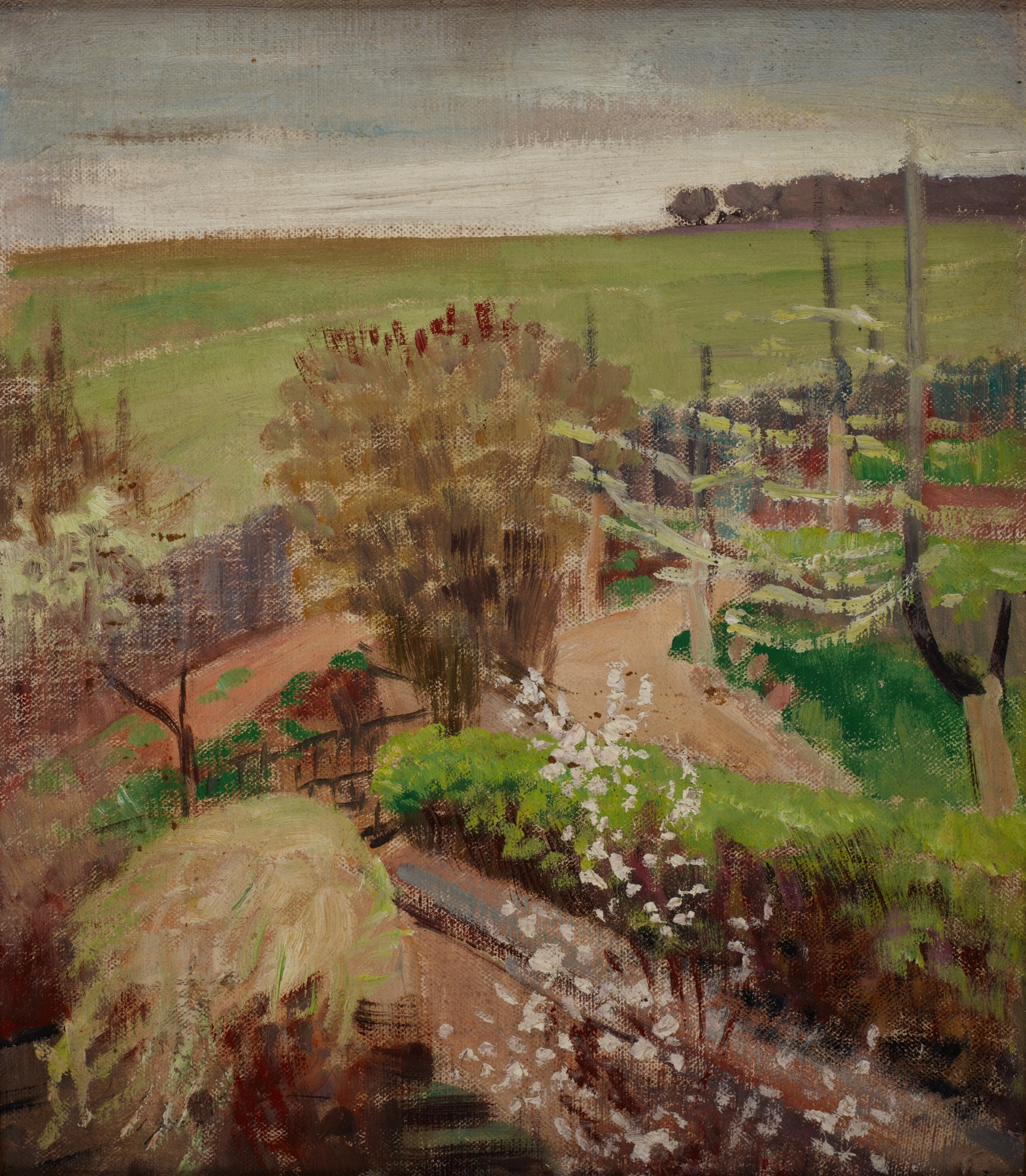
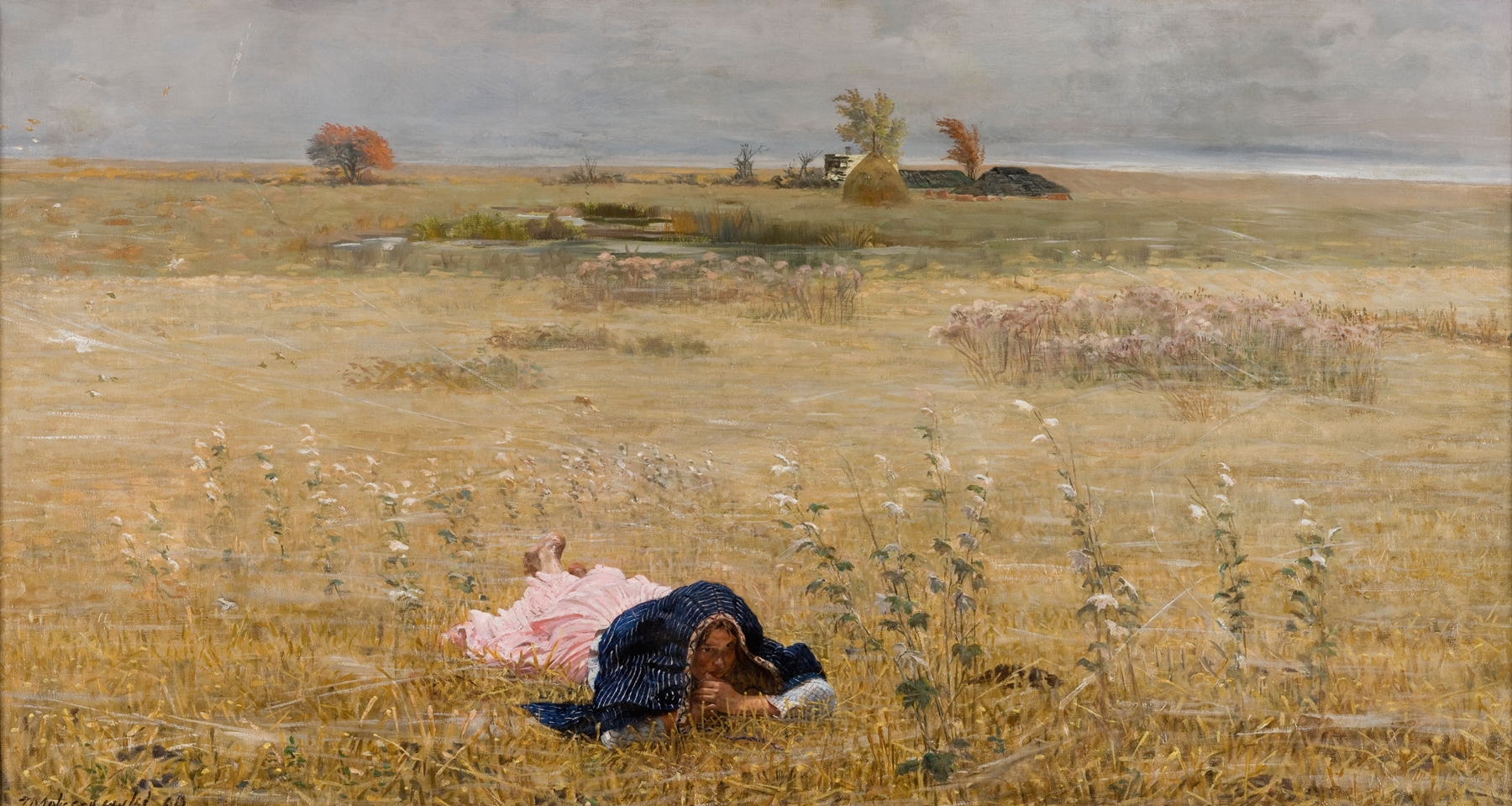
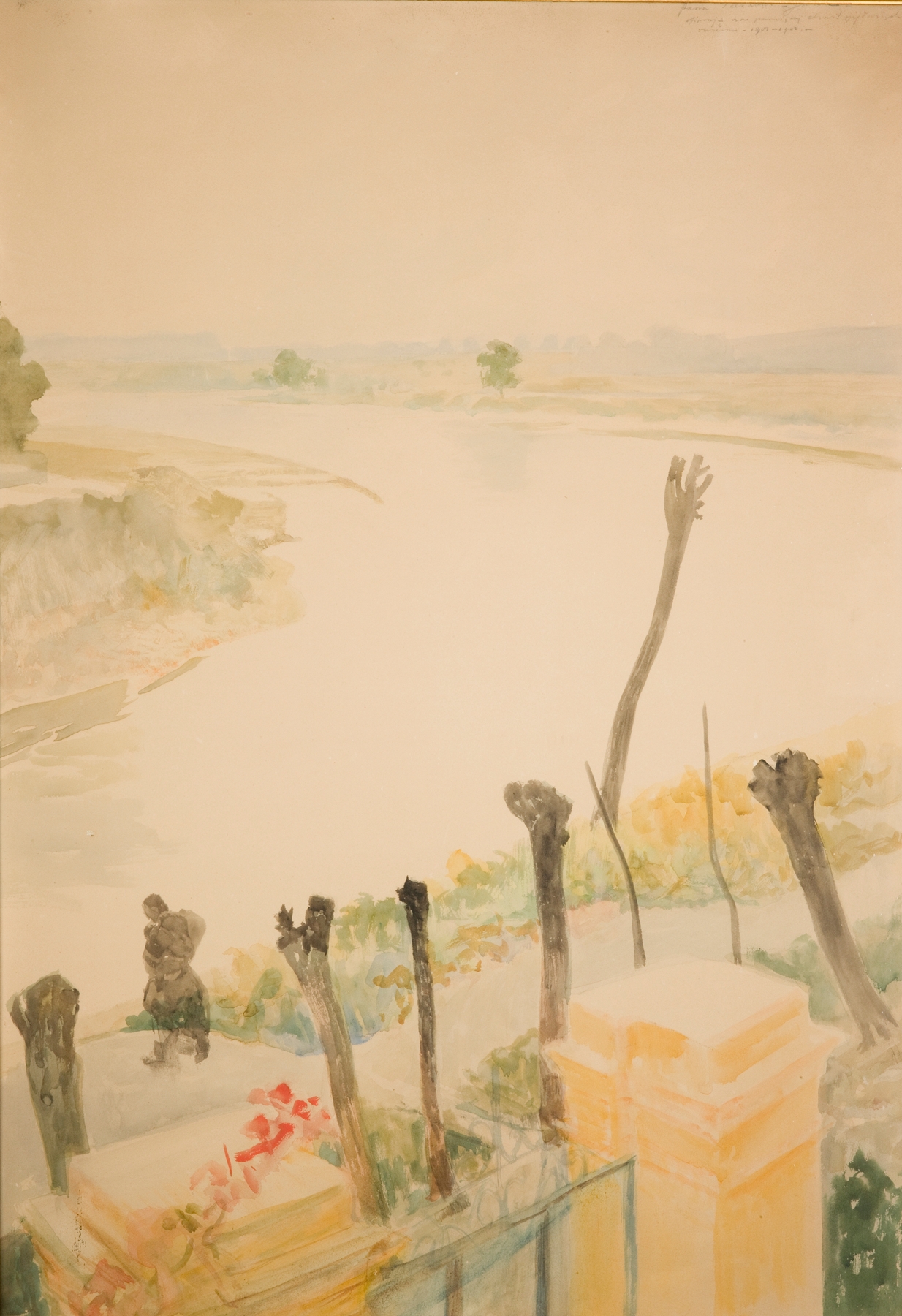
Did the painter know this moment would outlive them? As Landscape at the Vistula unfurls, it invites us into a realm where nature's grandeur contrasts starkly with the shadows of human emotion—echoes of madness linger amidst the serene beauty. Look at the bottom left of the canvas, where the river glistens under a pallid sky, revealing the textured strokes that dance like whispers of wind. The water draws the eye, flowing towards the horizon, while the lush greens and ochres frame this tranquil scene. Notice how light cascades through the trees, casting intricate patterns upon the ground, and how the brushwork ebbs and flows, invoking a sense of movement that belies the stillness of the moment.
Each color choice invokes both calmness and unease, inviting contemplation. Within this pastoral serenity lies an undercurrent of tension. The play of light is not merely a celebration of nature but hints at the madness and chaos that often accompany human existence. The figures, seemingly at ease, communicate an unsettling disconnect, foreshadowing the psychological turmoils prevalent in Malczewski’s time. The juxtaposition of the idyllic landscape against these evocations of emotional turbulence deepens our understanding of the artist's subjective reality.
Painted between 1903 and 1907, the artist found himself in a period of personal and artistic transformation. Living in Poland, he was influenced by the social and political upheavals that permeated Europe. During these years, symbolism in art was gaining traction, reflecting internal struggles and existential themes. This work embodies that spirit, capturing both the beauty of the natural world and the complex intricacies of the human psyche.