
Landscape at woods — History & Facts
Could a single brushstroke hold eternity? In Landscape at Woods, the viewer is drawn into a world where nature’s tranquility and the passage of time intertwine, creating an illusion that transcends the canvas. Look to the horizon, where soft, muted greens fade into a gentle blue sky. Notice how the light dances across the varied textures of trees, their leaves a spectrum of rich yellows and deep olives. The foreground invites your gaze to linger on the delicate interplay of shadow and light, revealing the artist's masterful use of chiaroscuro, which enhances the dimensionality of the scene.
Each stroke feels deliberate, yet spontaneous, allowing the lush landscape to breathe with life. Within this serene setting lies a deeper commentary on the fleeting nature of beauty. The enchanted woods evoke nostalgia, whispering of moments lost yet eternally captured in paint. The layers of atmosphere created by the soft blending of colors suggest a transient harmony, while the steadiness of the trees stands in stark contrast to the ephemerality of the moment.
This duality calls into question the concept of permanence and the human yearning to freeze time. Frederic Edwin Church painted Landscape at Woods in 1870 during a period characterized by the height of the Hudson River School movement. At this time, he was deeply engaged in exploring themes of sublime beauty in nature, reflecting the Romantic ideals prevalent in American art. His work emerged against the backdrop of industrialization, as he sought to capture the untouched landscapes before they faded away, making this piece both a celebration and a lament for the natural world.
More Artworks by Frederic Edwin Church
Browse all →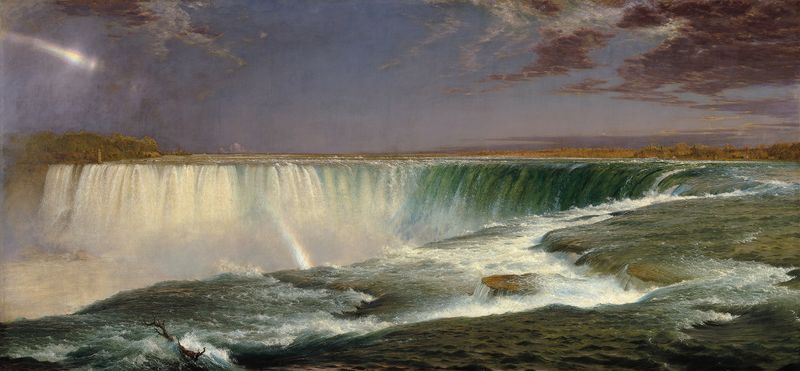
Niagara
Frederic Edwin Church
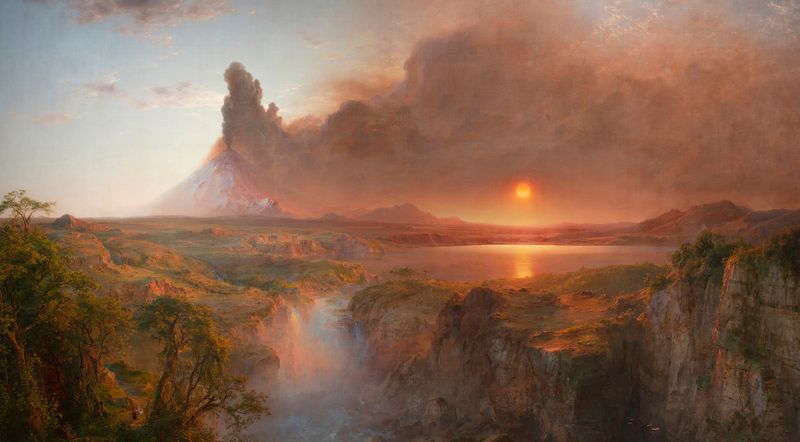
Cotopaxi
Frederic Edwin Church
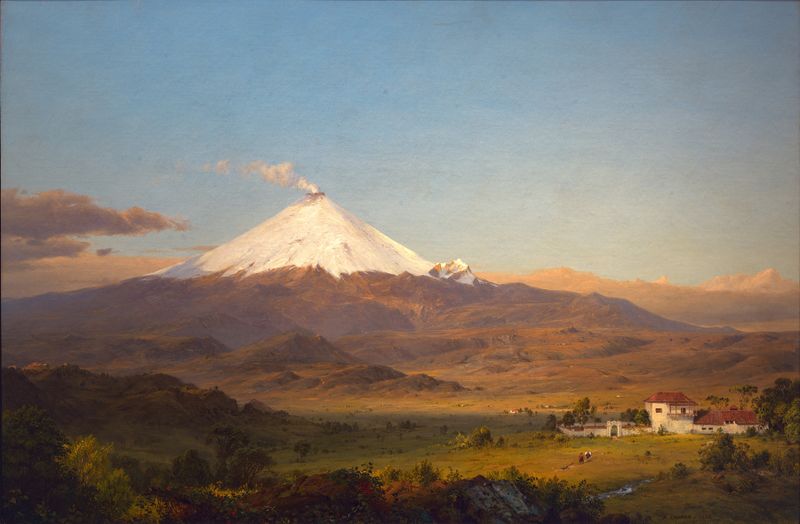
Cotopaxi
Frederic Edwin Church
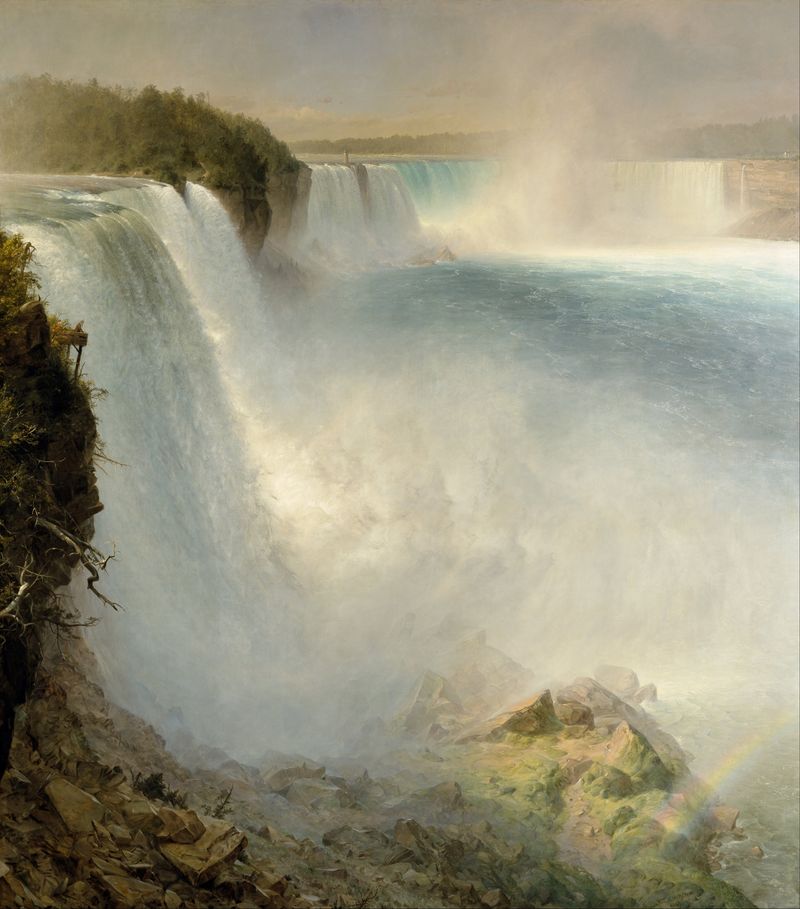
Niagara Falls, from the American Side
Frederic Edwin Church
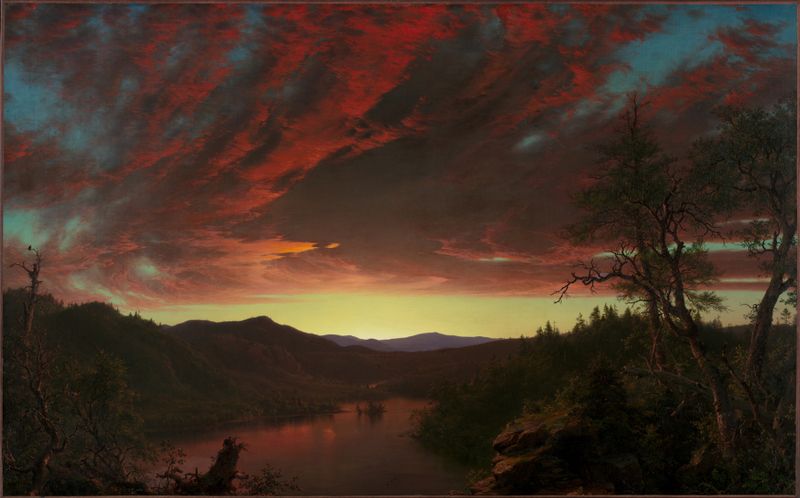
Twilight in the Wilderness
Frederic Edwin Church
Hudson Valley at Sunset
Frederic Edwin Church
The Hintersee, near Berchtesgaden, Bavaria
Frederic Edwin Church
Mountains near Baalbec
Frederic Edwin Church
Aurora Borealis
Frederic Edwin Church
Cotopaxi
Frederic Edwin Church





