
Landscape below the Low Tatras — History & Facts
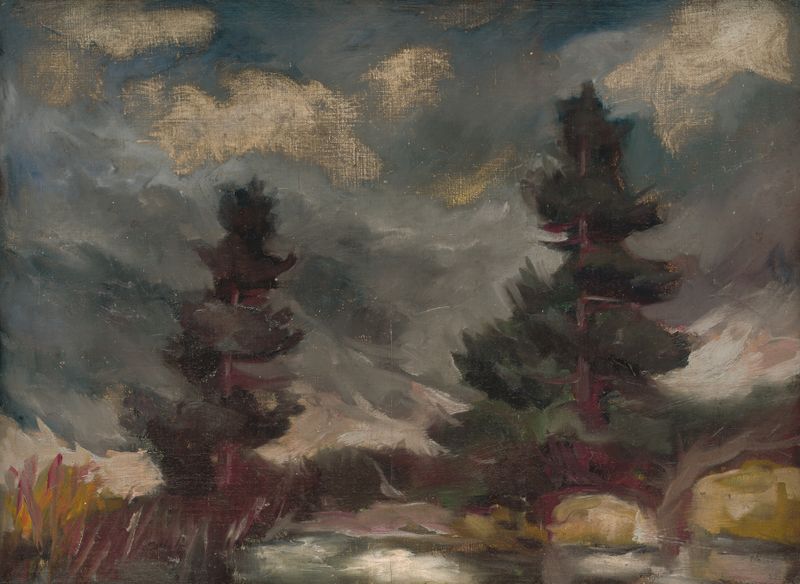
What if silence could speak through light? In Landscape below the Low Tatras, this question resonates, inviting the viewer to contemplate the profound stillness intertwined with nature's grandeur. Focus first on the horizon where the majestic mountains rise, bathed in a soft, golden hue. The delicate play of light effortlessly caresses the contours of the landscape, creating a tangible sense of serenity. Notice how the gentle brushstrokes blend hues of green and blue in the foreground, dotted with patches of vivid wildflowers that seem to dance silently in the breeze.
The composition draws your eye across the canvas, guiding you from the tranquil valleys to the towering peaks, evoking a sense of expansive peace. Within this serene setting, there lies a quiet tension between the permanence of the mountains and the fleeting beauty of the flowers. The contrast of light and shadow adds depth, suggesting the passage of time—an echo of life’s transient moments. The muted color palette evokes a sense of nostalgia, reminding us of nature’s ability to hold both stillness and vitality within its embrace.
Each detail, from the wispy clouds to the gentle slope of the land, whispers secrets of the earth, inviting introspection. In 1932, during his time in Hungary, Zolo Palugyay painted this work amidst a Europe grappling with the aftermath of World War I. The art world was shifting, with modernism gaining ground, yet Palugyay found solace in the traditional landscapes of his homeland. This piece reflects his desire to capture the beauty of rural life, serving as both a refuge and a testament to the enduring spirit of nature against a backdrop of social unrest.
More Artworks by Zolo Palugyay
Browse all →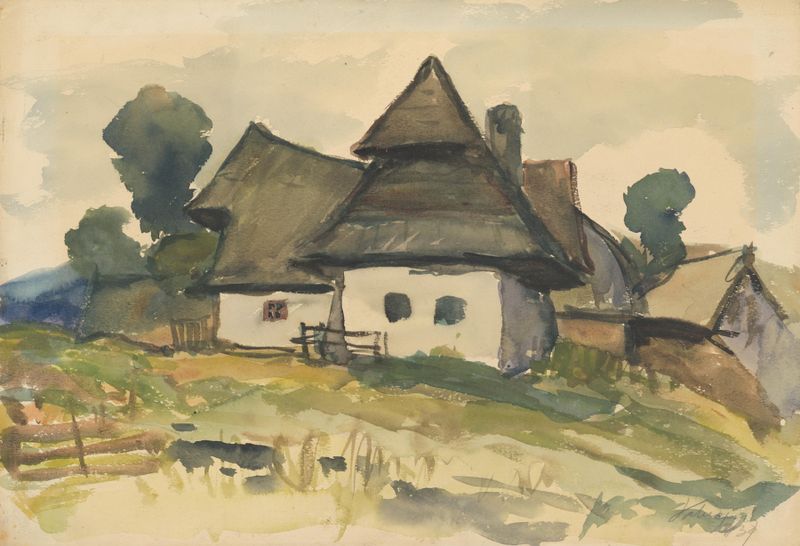
Dedinský motív
Zolo Palugyay
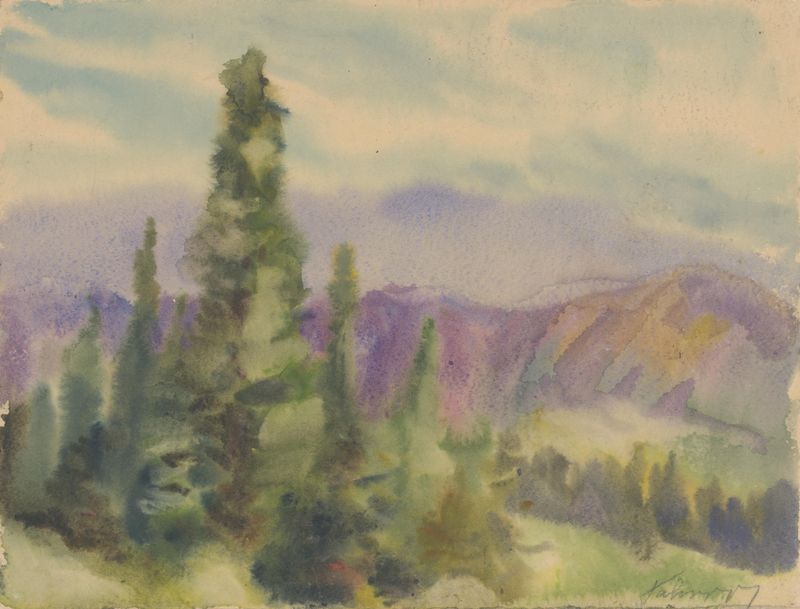
Motif from Liptov Mountains
Zolo Palugyay
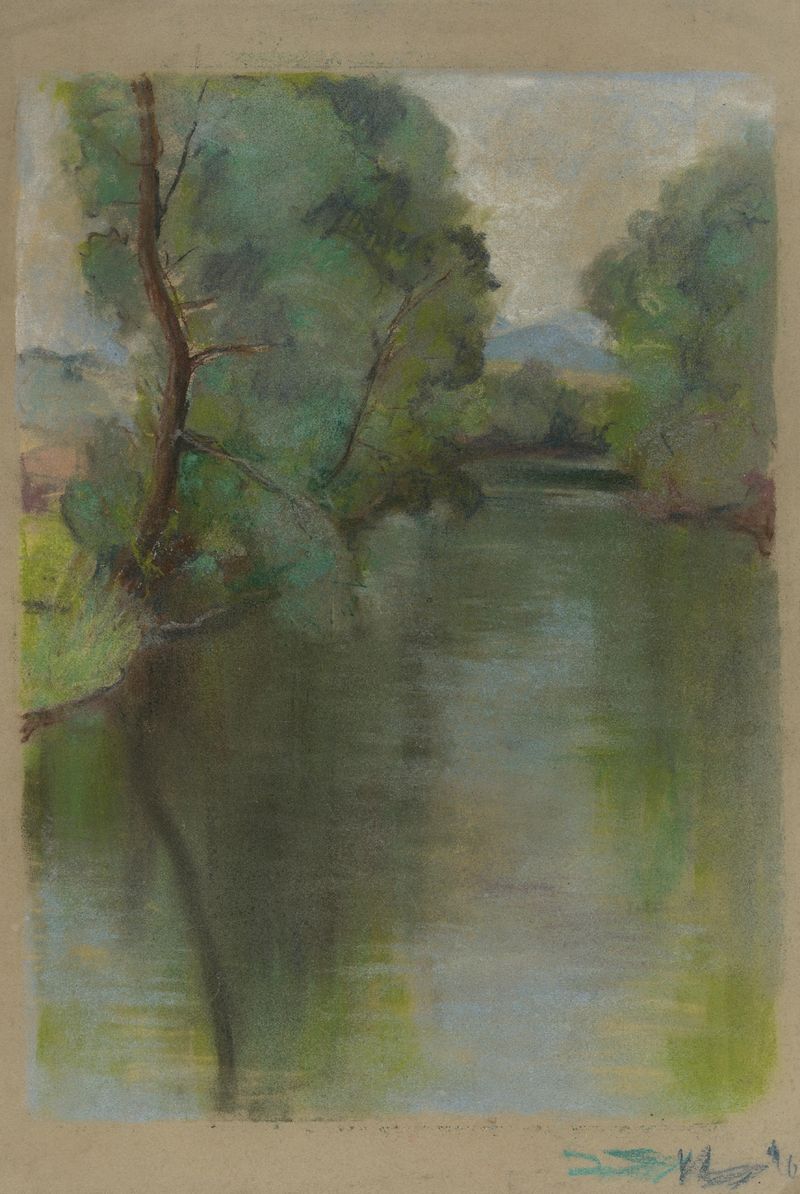
Silent River
Zolo Palugyay
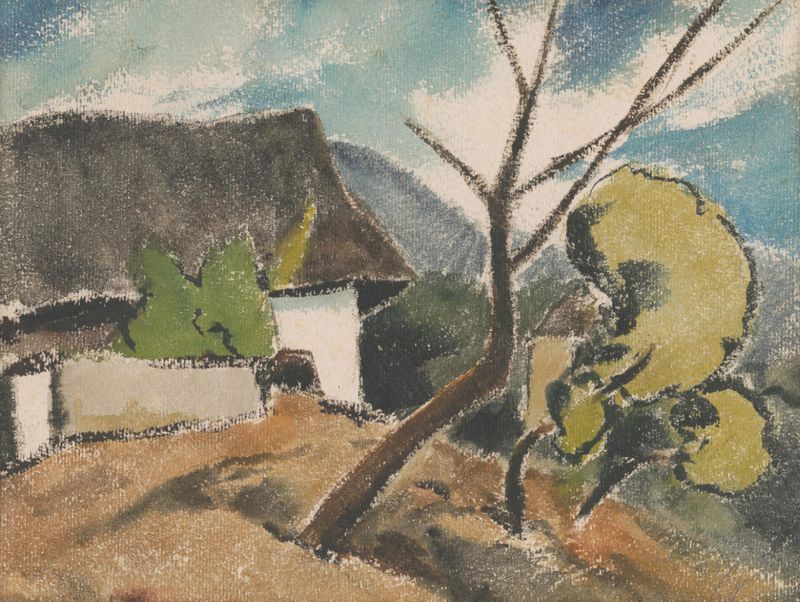
Oravská chalupa
Zolo Palugyay
Modré chalupy
Zolo Palugyay
Mountain Landscape with Snowy Peaks
Zolo Palugyay
Three Trees on a Plain
Zolo Palugyay
Horská krajina
Zolo Palugyay
Tatra Landscape
Zolo Palugyay
Spring Landscape
Zolo Palugyay





