
Landscape Capriccio with Tomb of the Horatii and Curiatii, and the Villa of Maecenas at Tivoli — History & Facts
Can beauty exist without sorrow? In Richard Wilson’s Landscape Capriccio with Tomb of the Horatii and Curiatii, and the Villa of Maecenas at Tivoli, this question echoes through the verdant hills and crumbling ruins, where longing intertwines with the landscape itself. Look to the horizon, where the gentle curves of the hills meet an expansive sky, painted in soft hues of blue and white. Notice how the interplay of light and shadow creates depth, illuminating the tomb of the Horatii and Curiatii nestled among lush greenery. The villa, perched elegantly in the background, draws the eye with its classical architecture—a reminder of human achievement amidst the passage of time.
Each brushstroke reveals Wilson's mastery in capturing the essence of nature’s beauty, marrying it with the remnants of history. Yet, there’s a tension woven into this idyllic scene. The crumbling tomb hints at lost grandeur, evoking a sense of melancholy as it stands in stark contrast to the vibrant vitality of the surrounding landscape. The viewer is left to ponder the stories etched into the ancient stones, a bittersweet reminder of glory and sacrifice.
This juxtaposition of life and decay invites an exploration of nostalgia, as if the landscape yearns for the tales it once held. Wilson painted this landscape during a period marked by the Romantic movement's growing influence in the late 18th century, while he was based in London. The artist was deeply engaged with the sublime, reflecting a fascination with nature's majesty and humanity's fragility. This painting emerges from a time when artists began to embrace emotional depth in their work, exploring themes that resonate beyond mere representation—capturing the essence of longing amidst the beauty of the world.
More Artworks by Richard Wilson
Browse all →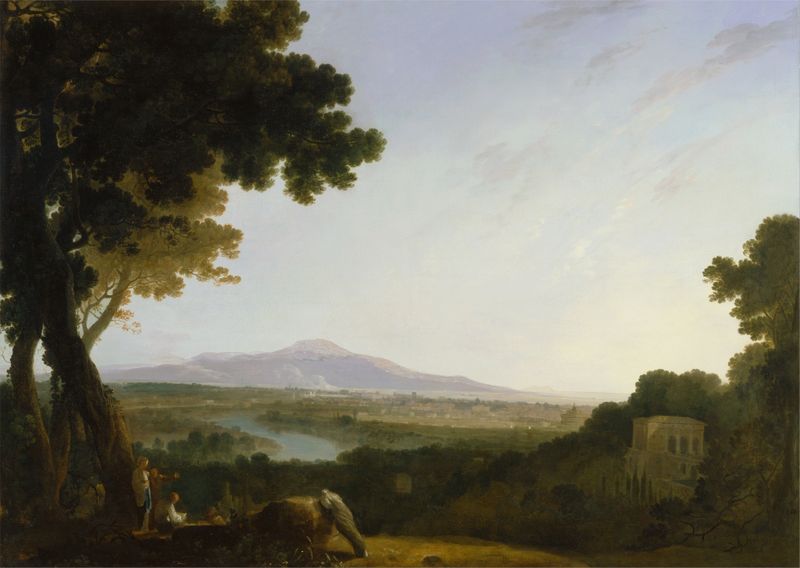
Rome from the Villa Madama
Richard Wilson
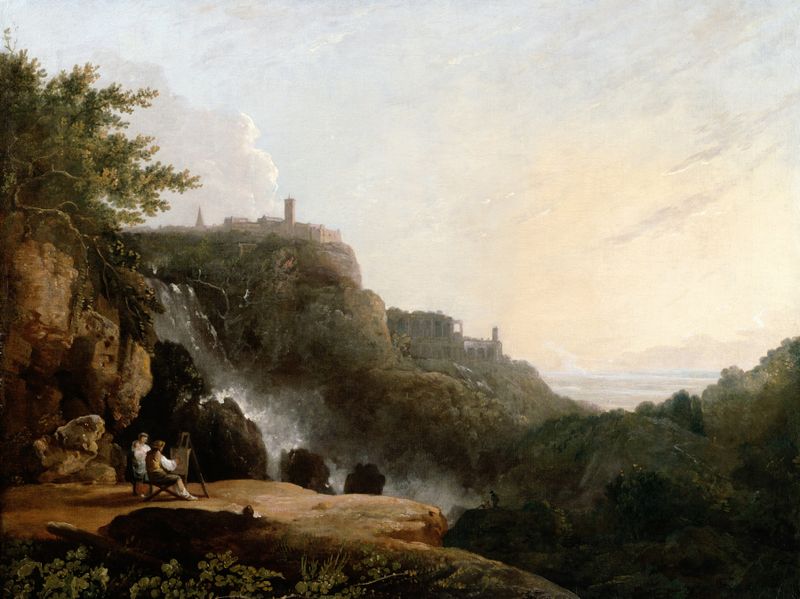
View of Tivoli- the Cascatelle and the ‘Villa of Maecenas’
Richard Wilson
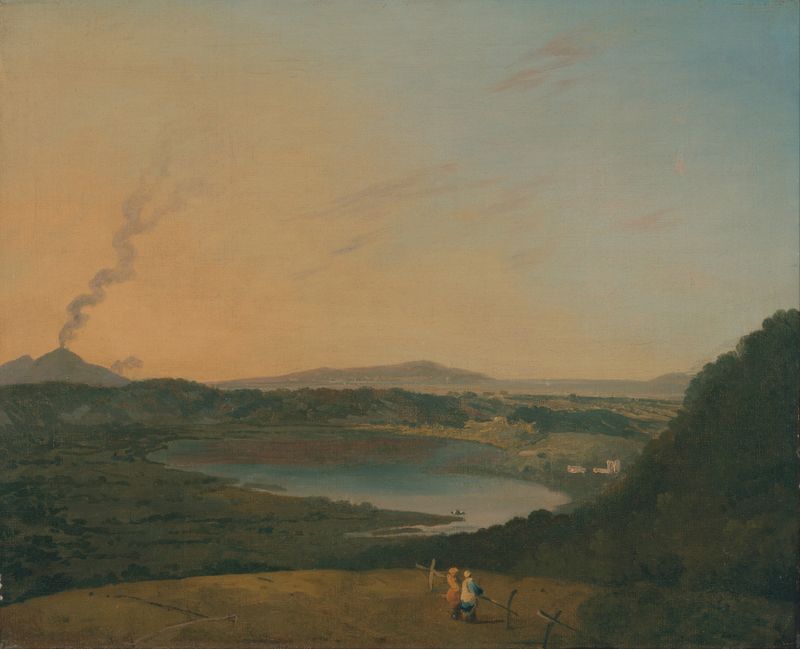
Lago d’Agnano with Vesuvius in the distance
Richard Wilson
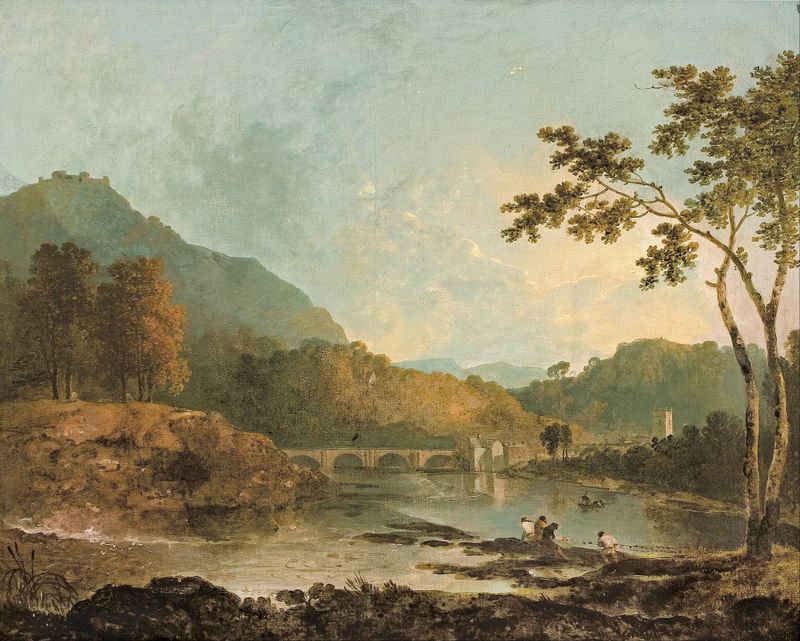
Dinas Bran from Llangollen
Richard Wilson
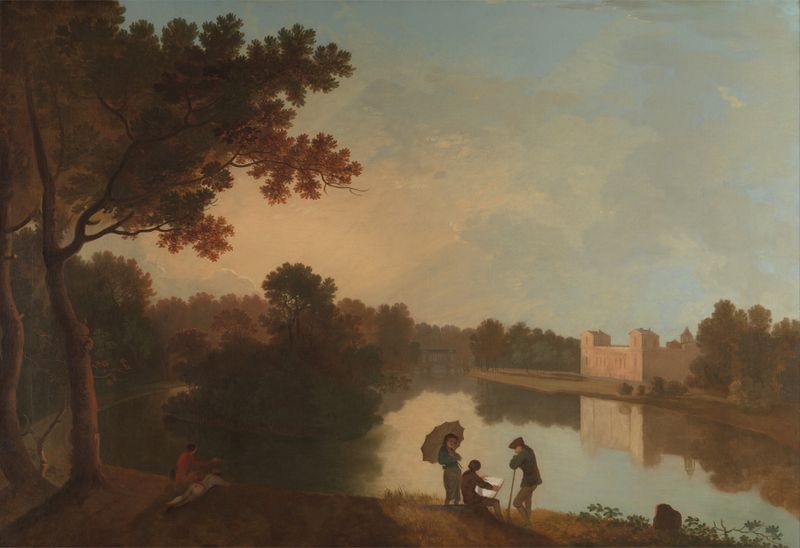
Wilton House from the Southeast
Richard Wilson
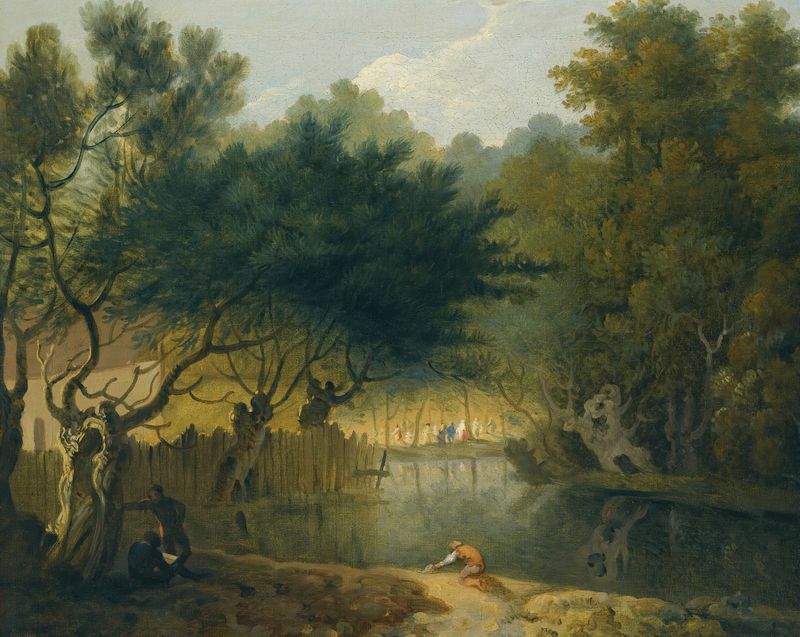
A View Of St. James’s Park, London
Richard Wilson
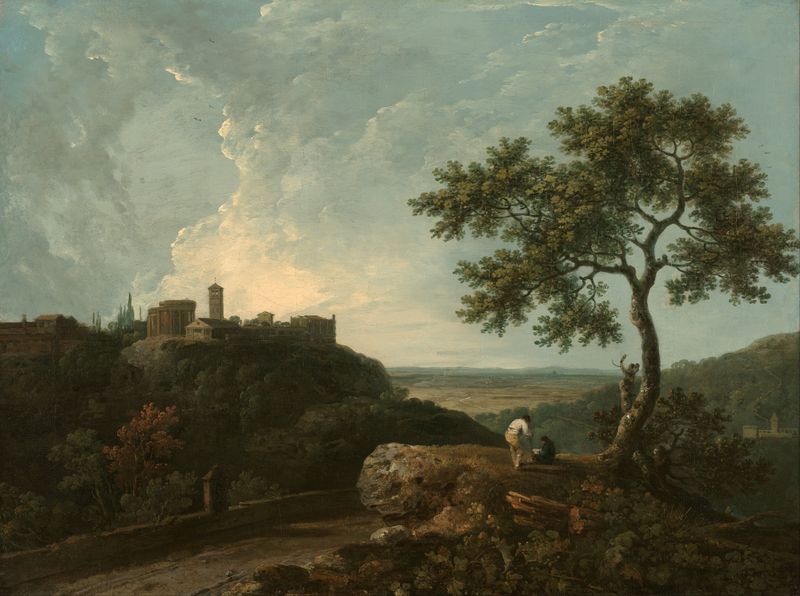
Tivoli- The Temple of the Sybil and the Campagna
Richard Wilson
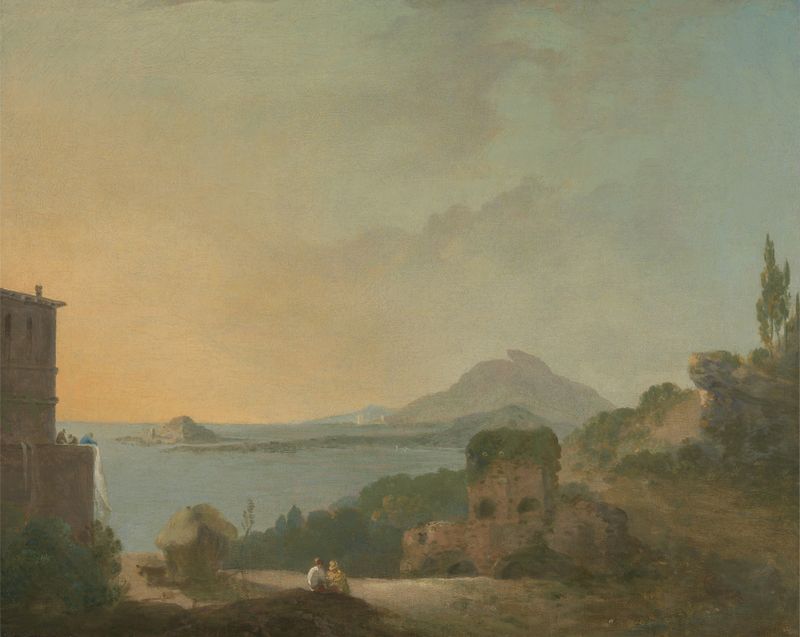
Cicero’s Villa and the Gulf of Pozzuoli
Richard Wilson
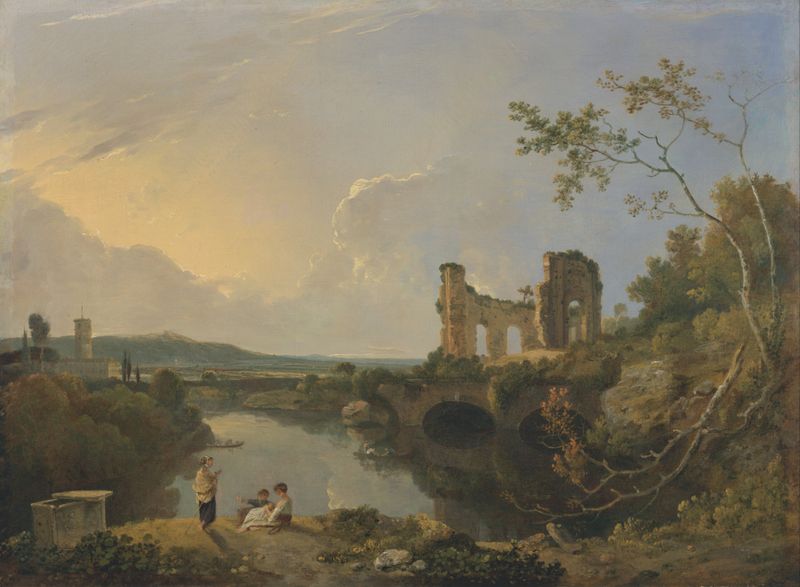
Italian Landscape (Morning)
Richard Wilson
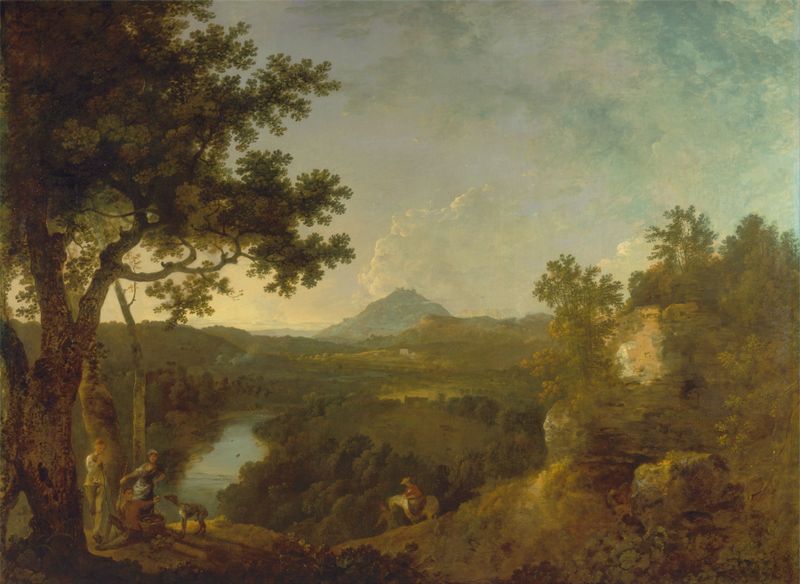
View near Wynnstay, the Seat of Sir Watkin Williams-Wynn, BT.
Richard Wilson





