
Landscape from Bystra — History & Facts
Is this a mirror — or a memory? In Julian Falat’s Landscape from Bystra, we are drawn into an expansive view that captures both the beauty of nature and the weight of legacy. The painting speaks to the heart of what it means to remember, to reflect upon places that shape our identity. Focus on the foreground, where the vibrant greens of the meadow embrace the soft blues of the distant mountains. The brushwork conveys movement, as if the grass is whispering secrets to the wind.
Notice how the light cascades across the scene, illuminating patches of wildflowers that stand resilient against the backdrop of towering peaks. The composition balances the serenity of nature with a sense of longing, each stroke a testament to the passage of time. Delve deeper into the painting's emotional landscape, where the interplay of light and shadow suggests a dialogue between nostalgia and hope. The gentle undulations of the hills may symbolize the ups and downs of memory, while the contrasting colors evoke a sense of warmth against the coolness of fading recollections.
In this juxtaposition, Falat captures the essence of legacy, inviting viewers to ponder their own connections to the past. After 1918, Falat created this work amidst a tumultuous period in Europe, grappling with the aftermath of World War I. Living in Poland, he was influenced by the shifting landscape of his homeland and the broader movement of Impressionism that sought to capture fleeting moments. This painting reflects both a personal and collective narrative, one rooted in the beauty of nature and the stories it holds.
More Artworks by Julian Falat
Browse all →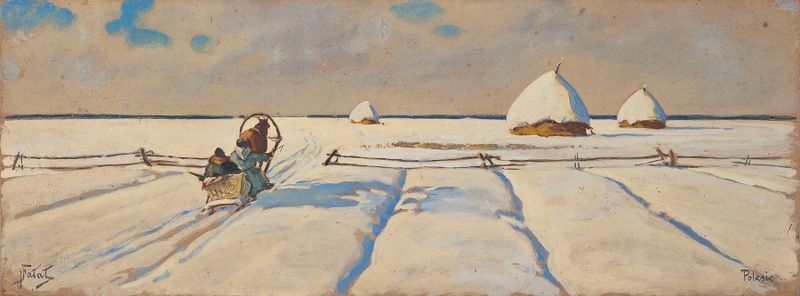
Sleigh in a snowy field – Polesia
Julian Falat
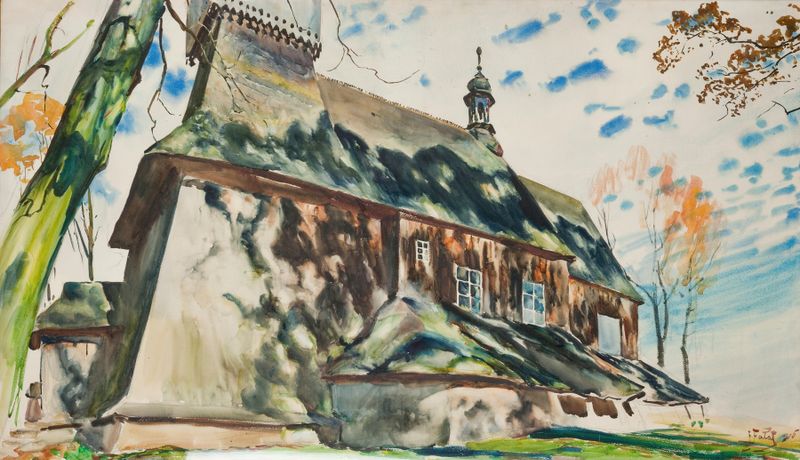
Church in Osiek
Julian Falat
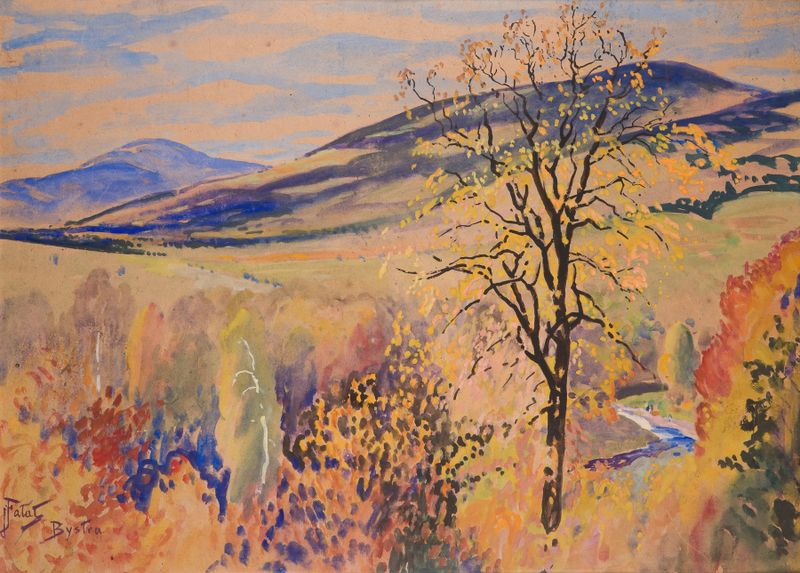
Pejzaż jesienny z Bystrej
Julian Falat
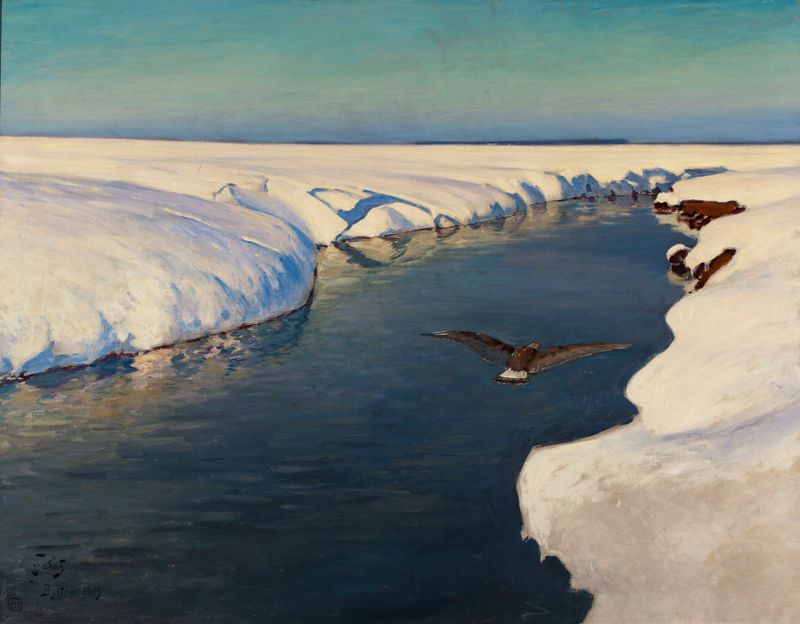
Winter landscape with a river and a bird
Julian Falat
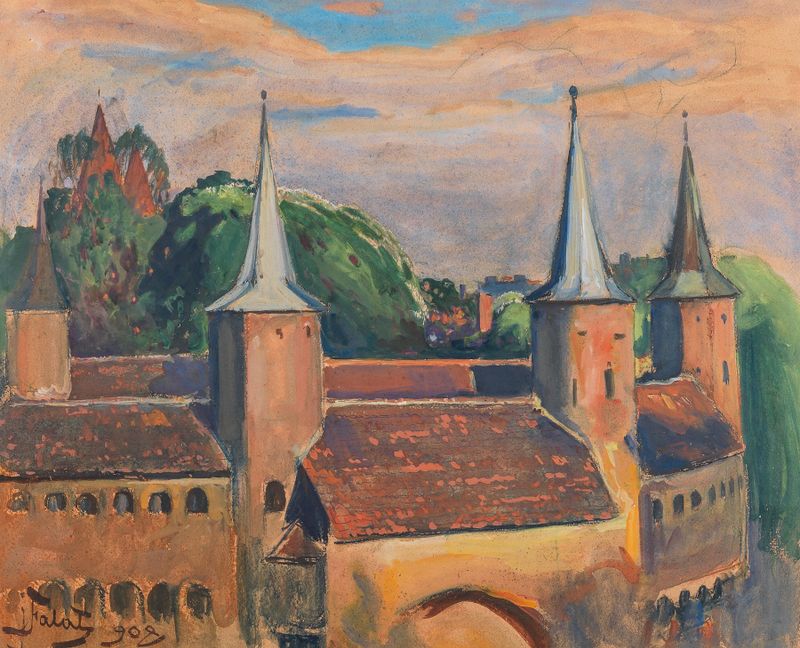
The Kraków Barbican
Julian Falat
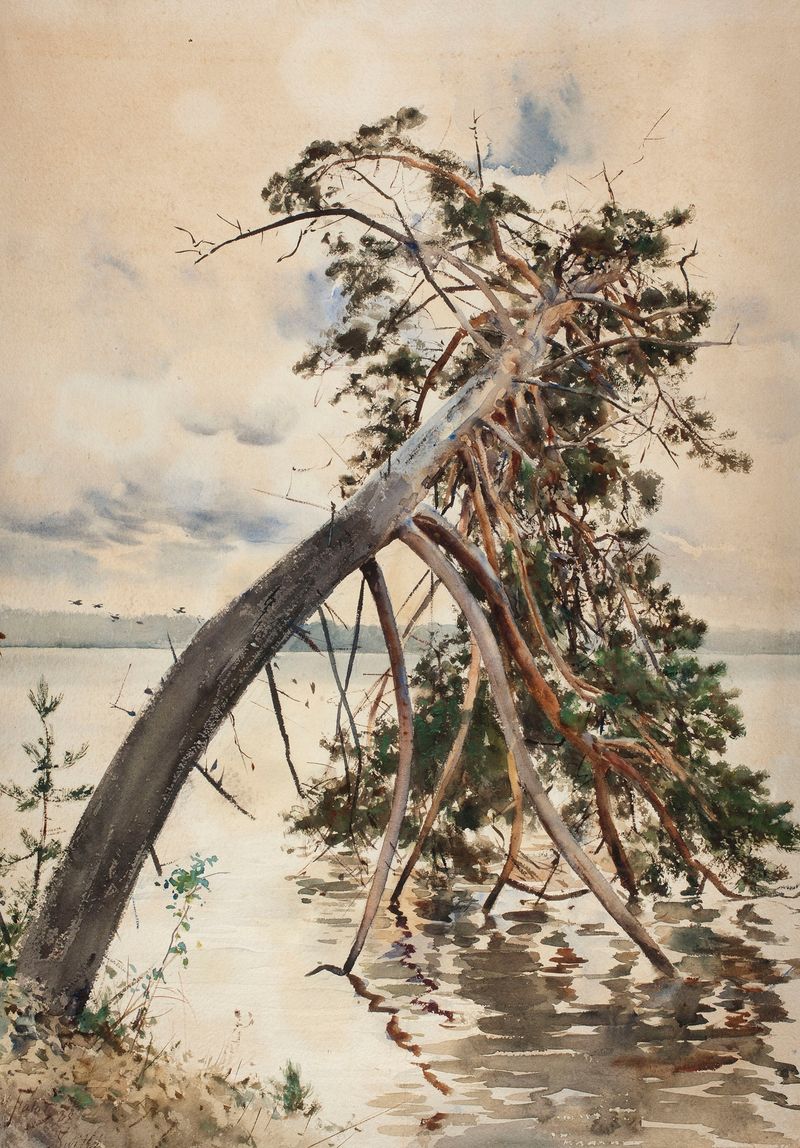
Świteź
Julian Falat
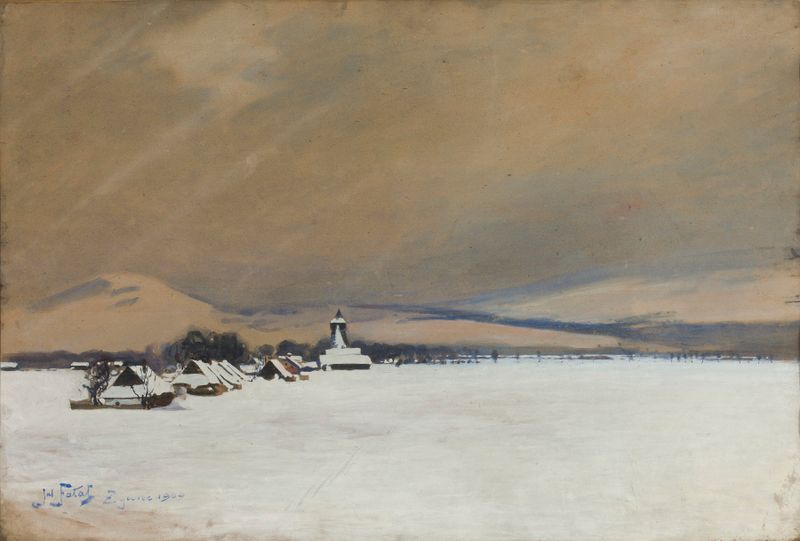
Winter landscape from Żywiec
Julian Falat
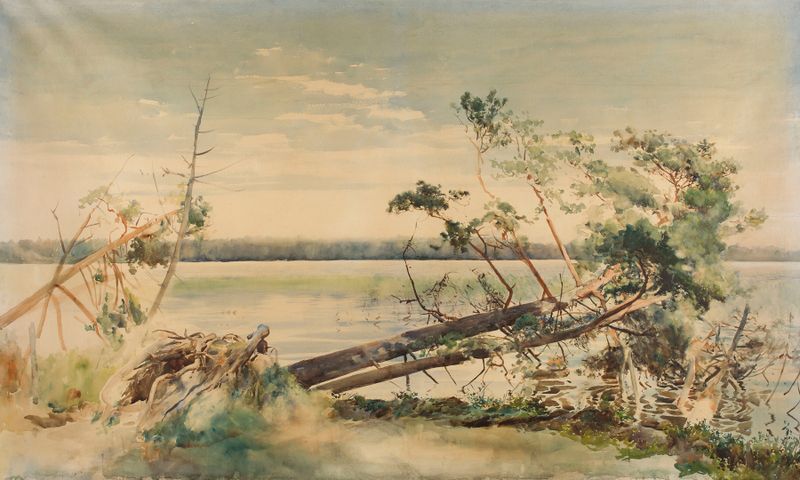
Świteź
Julian Falat
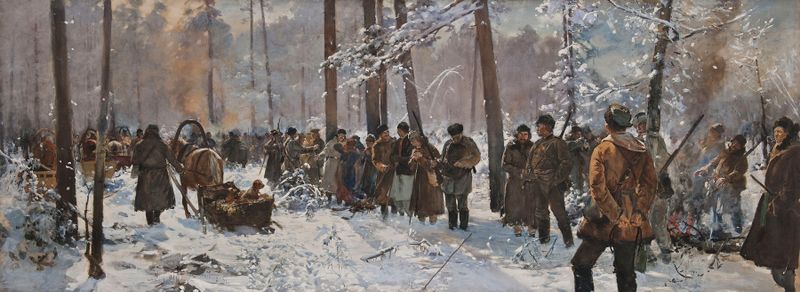
Battue at a hunt in Nieśwież
Julian Falat
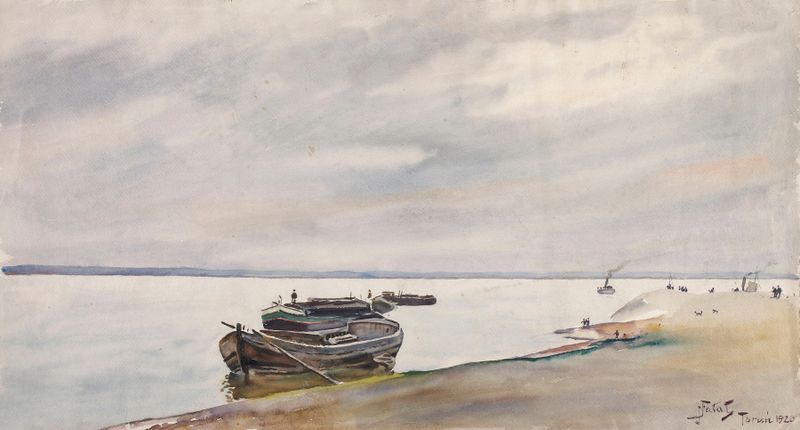
Boats and steamship on the Vistula near Toruń
Julian Falat





