
Landscape from Sanary — History & Facts
What if beauty was never meant to be finished? In the quiet embrace of Landscape from Sanary, serenity unfolds, inviting the viewer to linger in a moment of perfect stillness. Look to the foreground, where soft greens and blues create a gentle interplay of light and shade. The brushstrokes evoke a sense of movement, as if the landscape breathes under a warm sun. Notice how the horizon line draws your gaze skyward, leading you into the vast expanse of tranquil atmosphere, punctuated by wisps of clouds that float lazily overhead.
The harmonious balance of color and form serves to distort the boundary between land and sky, inviting you to lose yourself in this idyllic scene. As you delve deeper, consider the contrast between the calmness of the landscape and the hint of tension evoked by the looming cliffs in the background. This juxtaposition speaks to the duality of existence, where serenity coexists with the unknowable depths of nature. Each brushstroke reveals a whisper of emotion, suggesting that beauty, while serene, may also conceal complexities beneath its surface. In 1924, at a time when the world was grappling with the aftermath of conflict and shifting artistic paradigms, Pankiewicz painted this work in France, where he sought refuge in the tranquil coastal town of Sanary-sur-Mer.
The artist was influenced by the post-impressionist movement and his travels, capturing not just a physical landscape but an emotional sanctuary amidst the chaos of the era.
More Artworks by Józef Pankiewicz
Browse all →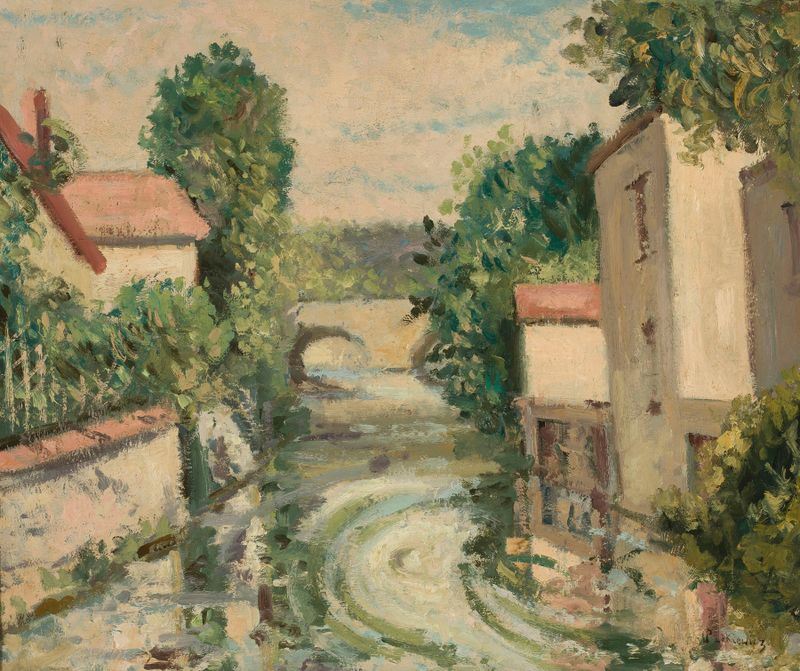
Landscape
Józef Pankiewicz

Cab in the Rain
Józef Pankiewicz
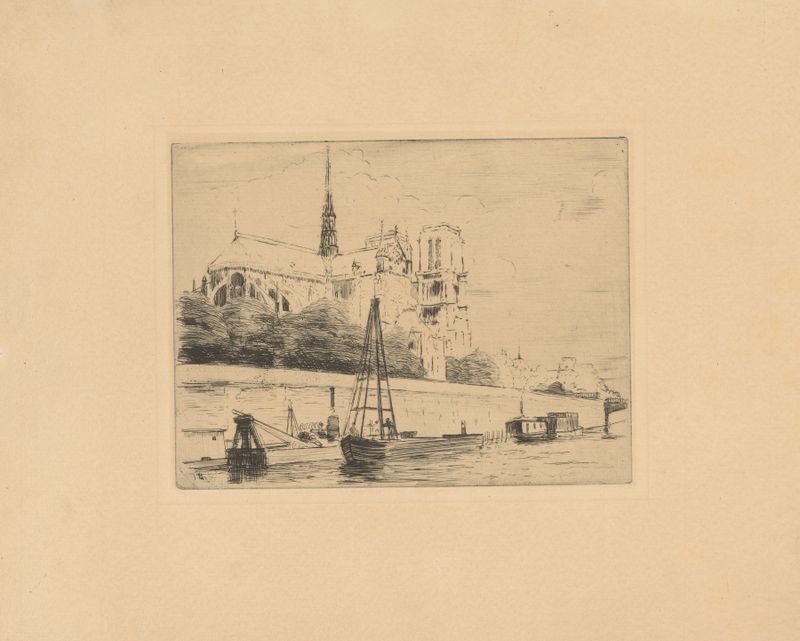
Notre Dame Cathedral in Paris
Józef Pankiewicz
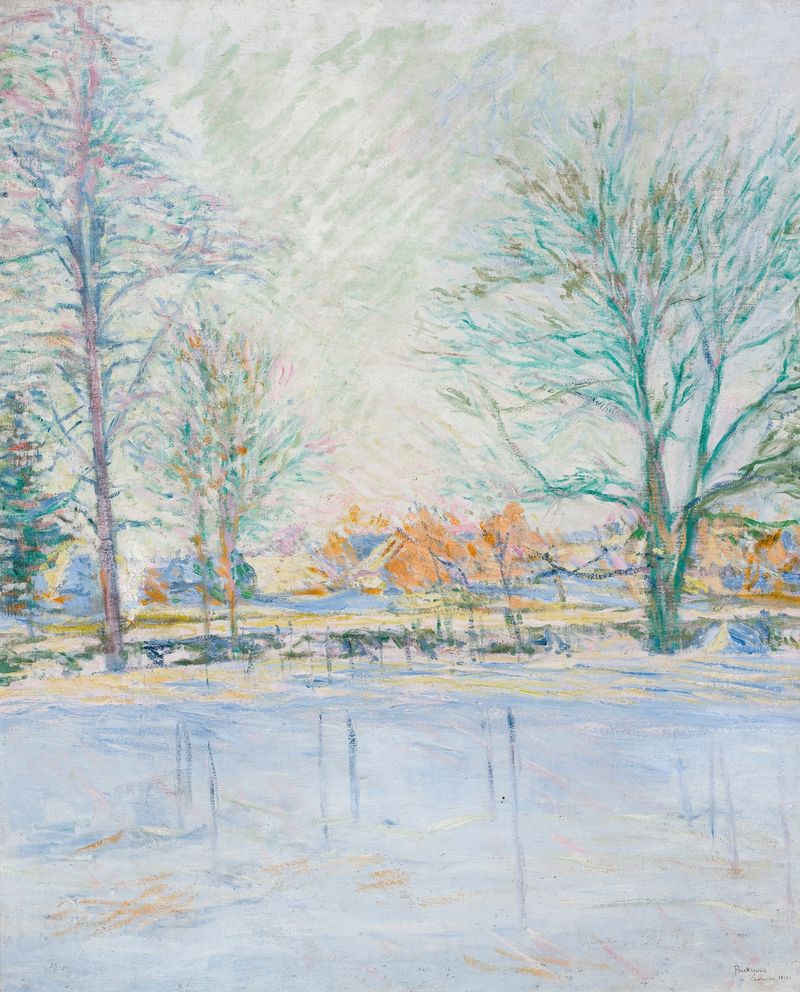
Landscape from Czarnolas
Józef Pankiewicz
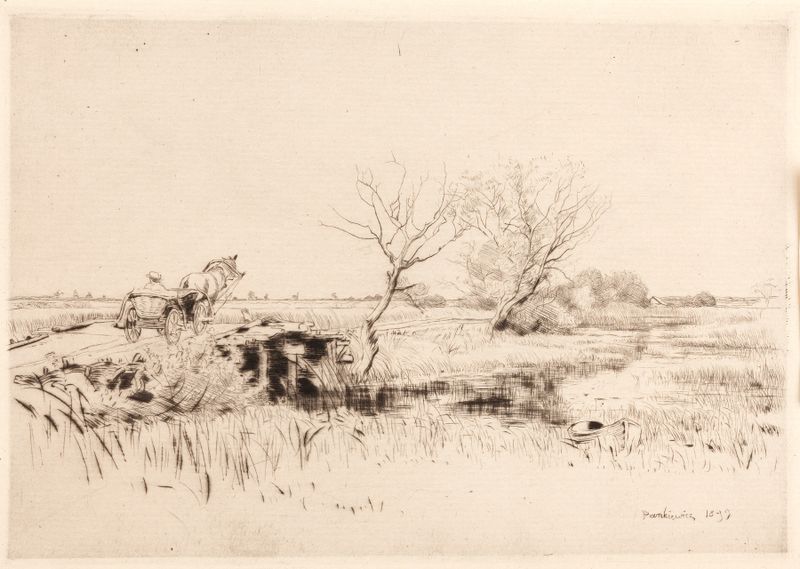
Pińsk Channel in Polesie I
Józef Pankiewicz
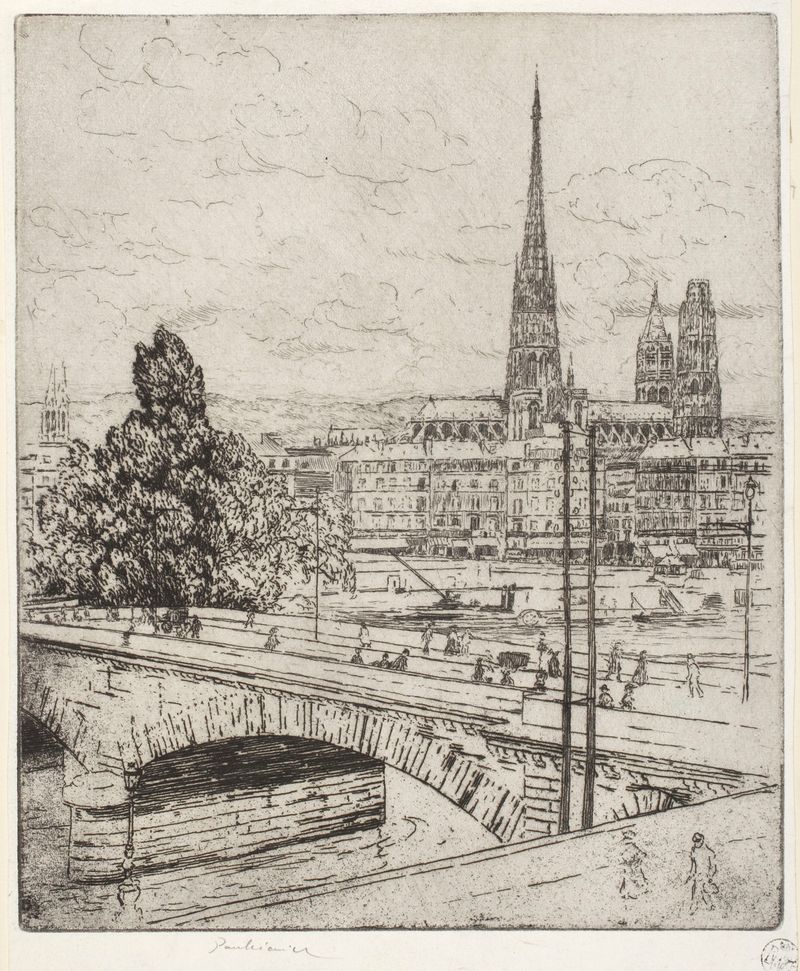
Pont Corneille in Rouen
Józef Pankiewicz
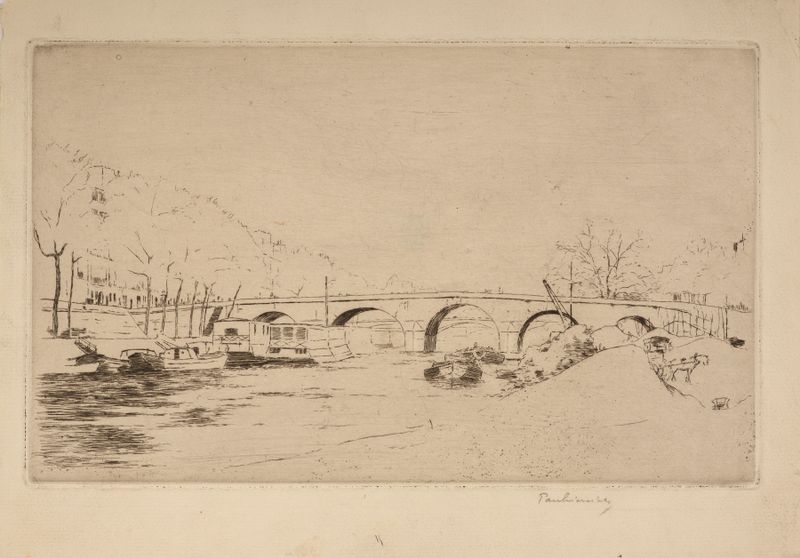
Pont Marie in Paris
Józef Pankiewicz

Rouen – portal from the Church of St Maclou
Józef Pankiewicz
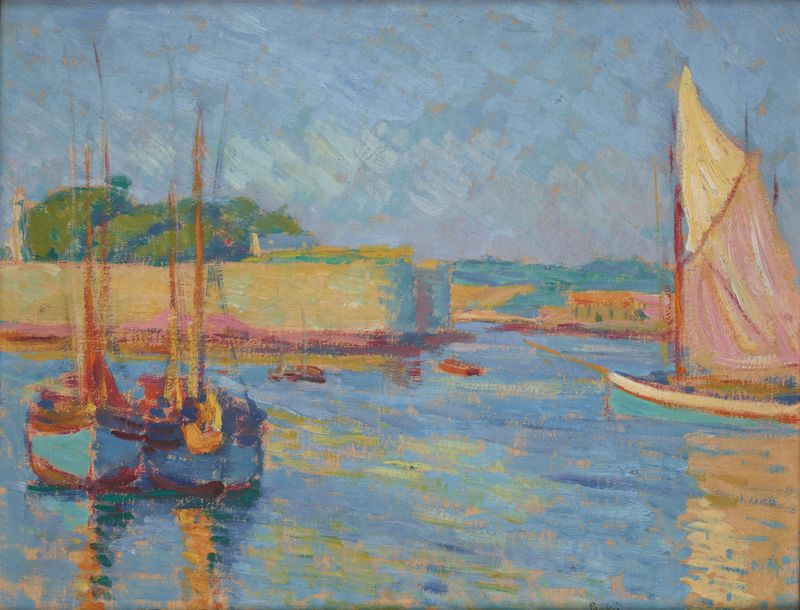
Harbour at Concarneau
Józef Pankiewicz
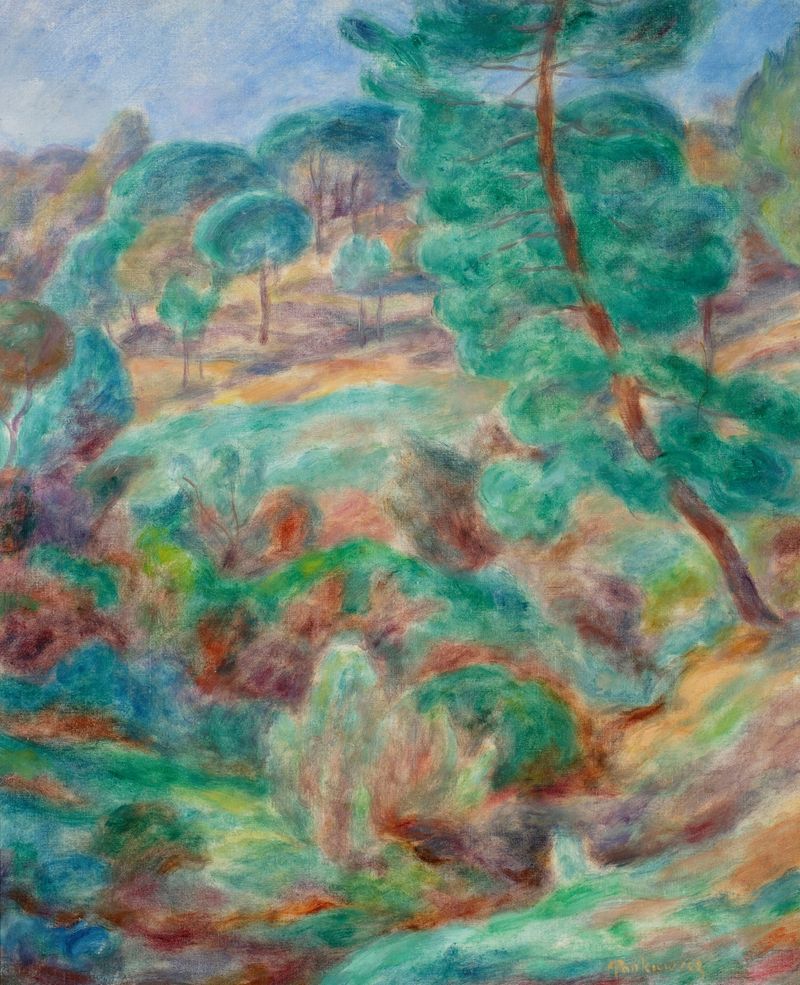
Landscape from Saint-Tropez – Stone pines
Józef Pankiewicz





