
Landscape from the Tatra Mountains — History & Facts
When did color learn to lie? In the realm of nature, hues whisper truths that words often fail to convey. Each stroke of paint, a moment revisited, unravels the threads of rebirth woven into the landscape. Look to the foreground of Landscape from the Tatra Mountains, where the vibrant greens seem to pulse with life. The brushwork is both deliberate and spontaneous, inviting the eye to travel along winding paths that lead to distant peaks.
Notice how the cerulean sky cradles the mountains, reflecting a soft light that bathes the scene in both warmth and serenity. The composition is a harmonious blend of vertical and horizontal lines, creating a balance that feels almost transcendental. Yet, beneath this tranquil surface lies a tension of contrasts. The jagged mountains evoke a sense of strength and stability, while the lush valleys suggest fragility and growth.
This duality of rebirth and endurance speaks to the cyclical nature of existence, as the landscape transitions through seasons and time. Each detail—a solitary tree, a flicker of sunlight—embodies the artist's deep connection to the earth and its resilience. In 1903, Jan Stanisławski painted this work amidst a growing movement in Polish art that celebrated natural beauty and the national landscape. Living in Warsaw during this period, he was influenced by the return to Impressionism, which emphasized color and light.
This piece not only showcases his mastery of technique but also reflects a broader cultural revival, as Poland sought to affirm its identity through the beauty of its own terrain.
More Artworks by Jan Stanisławski
Browse all →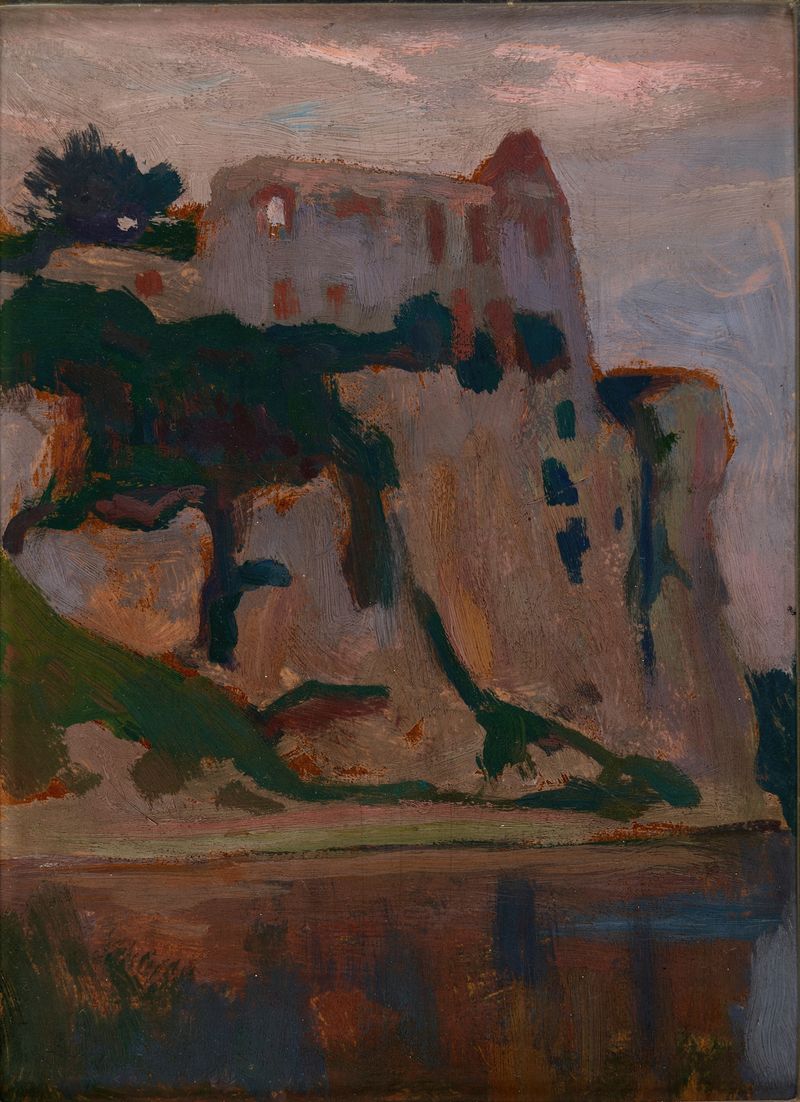
Tyniec at Dawn
Jan Stanisławski
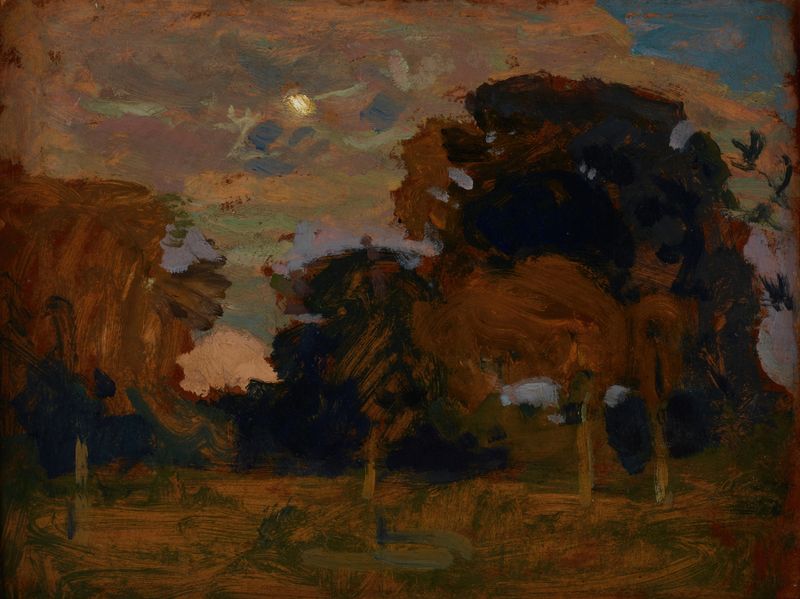
Moon in the Clouds
Jan Stanisławski
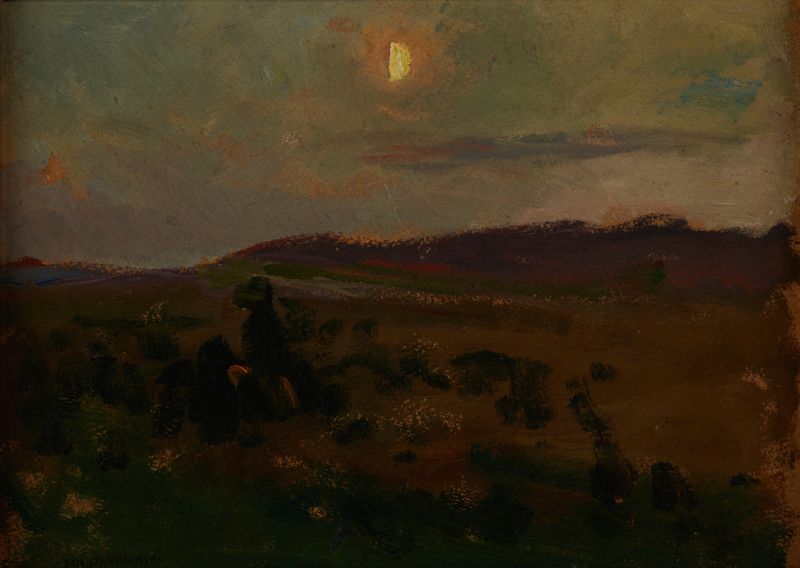
Moonrise
Jan Stanisławski
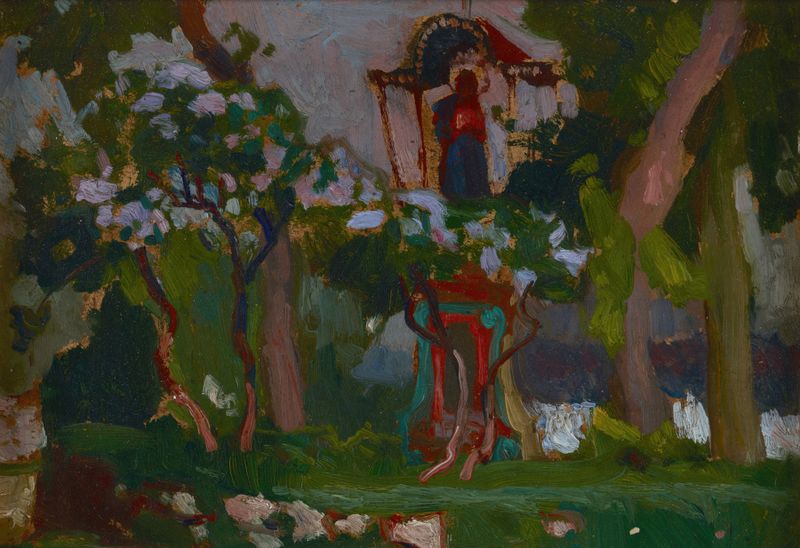
May
Jan Stanisławski
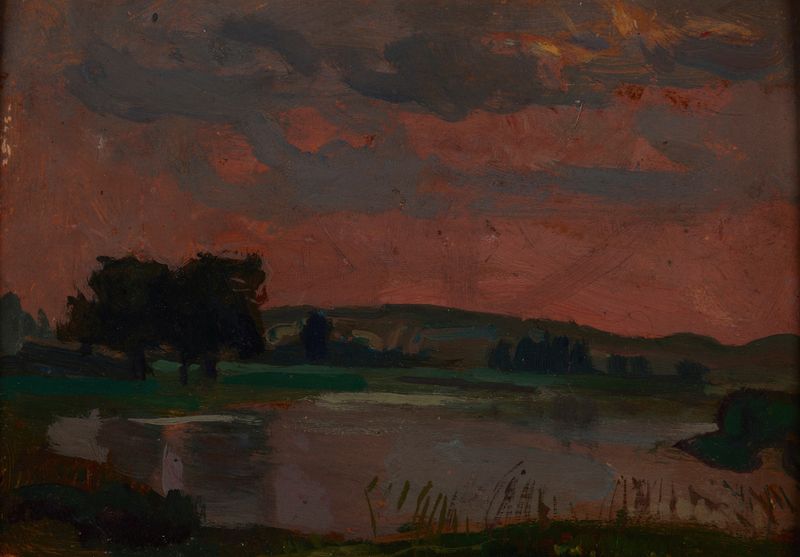
The Vistula in the Twilight
Jan Stanisławski
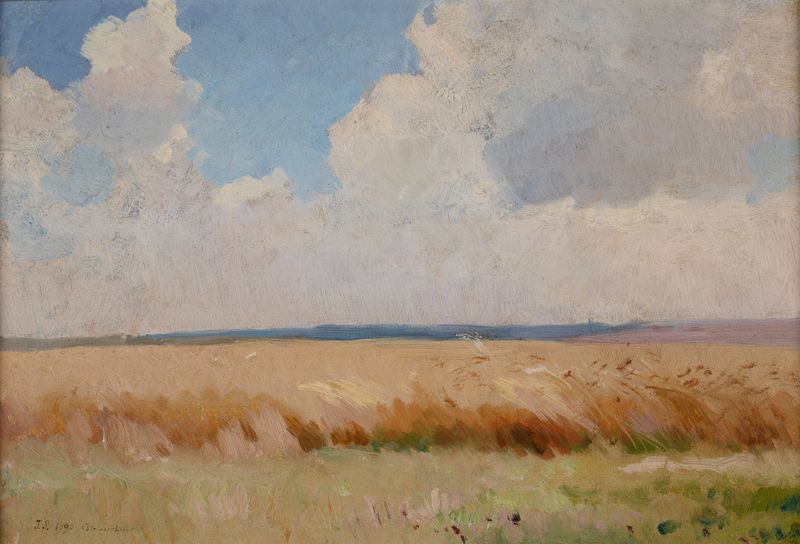
Field at Białocerkiew (Bila Tserkva)
Jan Stanisławski
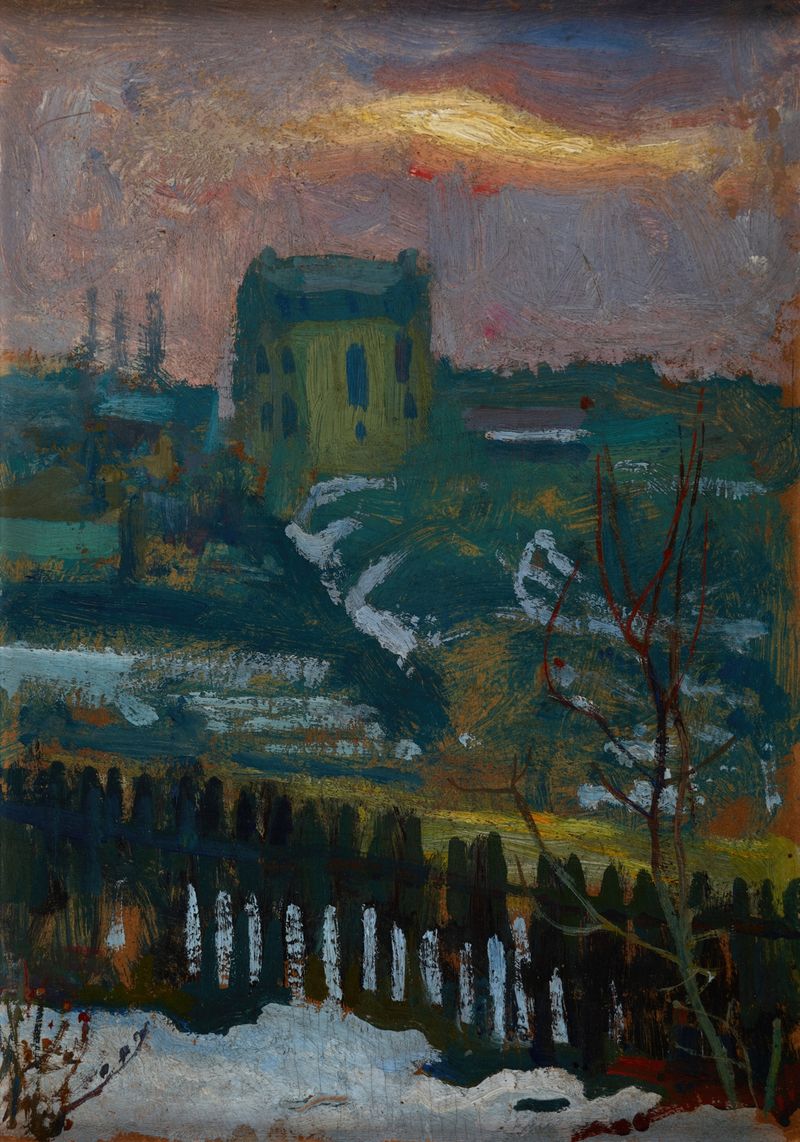
House in Winter
Jan Stanisławski
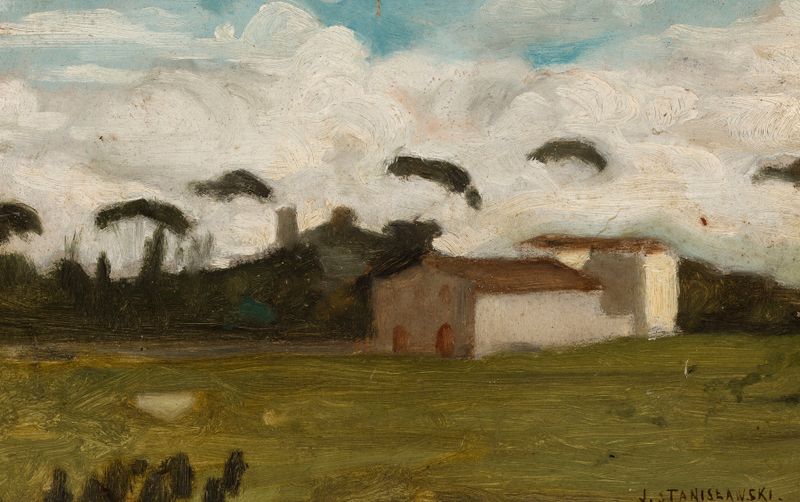
Landscape
Jan Stanisławski
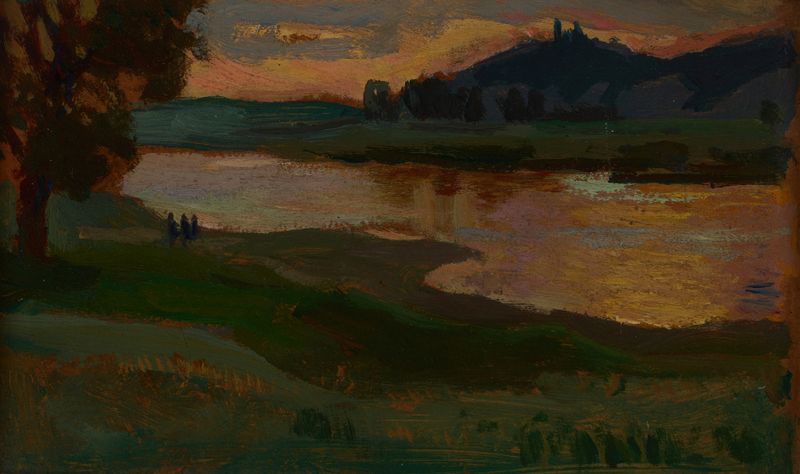
Bielany at Dusk
Jan Stanisławski
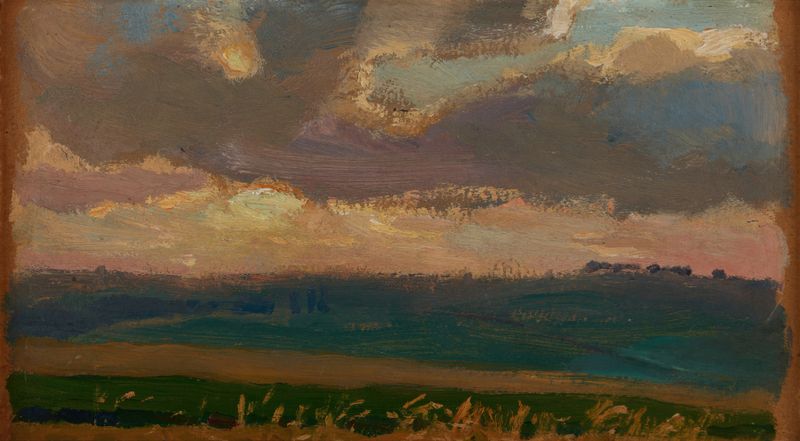
Fields at Proszowice
Jan Stanisławski





