
Landscape from the Tatra Mountains — History & Facts
Could a single brushstroke hold eternity? In Landscape from the Tatra Mountains, the essence of movement dances across the canvas, evoking the eternal flux of nature. Look toward the horizon where majestic peaks rise, their jagged silhouettes crowned by wisps of cloud. The vibrant greens of the valley below pulse with life, inviting the eye to travel through the undulating strokes that capture the wind’s gentle caress. Notice how the color palette shifts from deep emerald to sunlit gold, each hue harmonizing with the next, leading your gaze deeper into the wilderness.
The brushwork is both deliberate and spontaneous, revealing the artist’s intuitive grasp of nature’s rhythm. Beneath the surface, this painting communicates a profound connection between man and the wild. The restless movement of the brush suggests the fleeting moments of beauty found in the Tatra Mountains, while the soft blending of colors hints at the transient nature of time itself. There is a contrast between the permanence of the mountain peaks and the ephemeral quality of the sky, reflecting life's duality—an eternal presence amidst perpetual change. In 1903, Jan Stanisławski painted this work during a time when he was deeply influenced by the Impressionist movement.
Living in Poland, he sought to capture the emotive power of landscapes, drawing from his experiences in the Tatra Mountains. At this period, the art world was embracing new techniques that prioritized light and atmosphere, allowing Stanisławski to forge his own path in portraying the dynamic beauty of the natural world.
More Artworks by Jan Stanisławski
Browse all →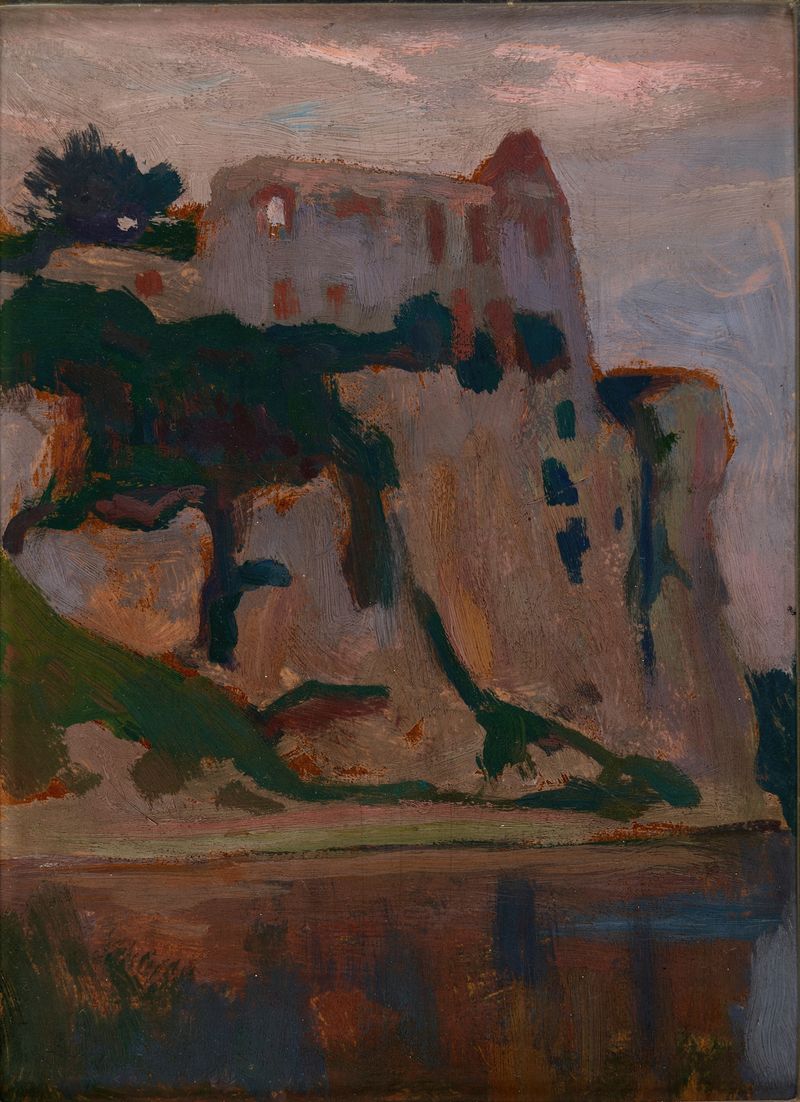
Tyniec at Dawn
Jan Stanisławski
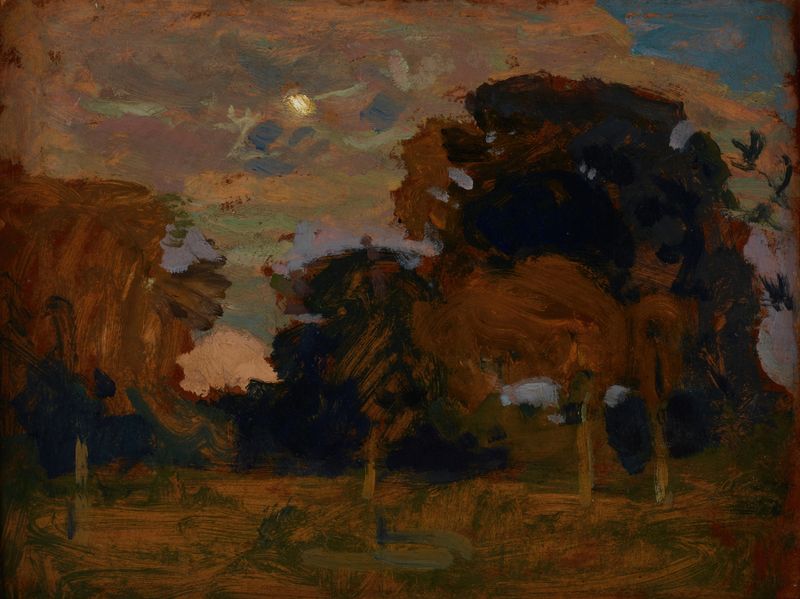
Moon in the Clouds
Jan Stanisławski
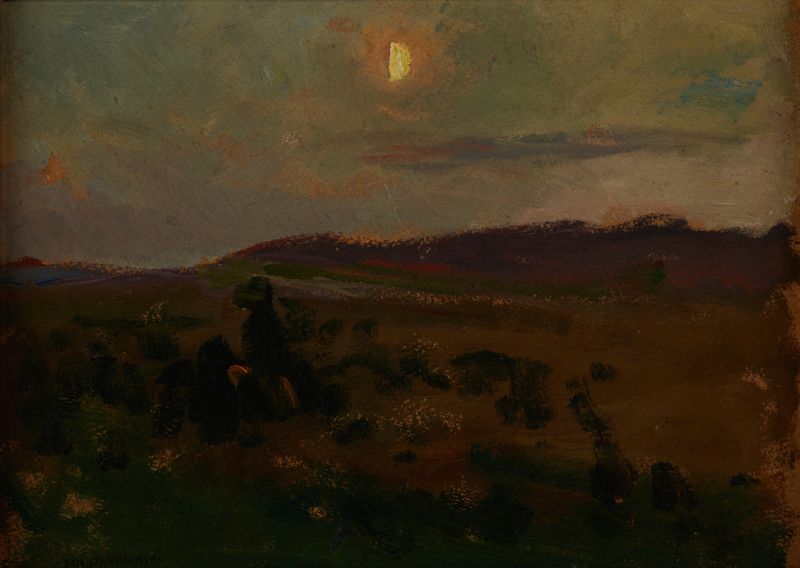
Moonrise
Jan Stanisławski
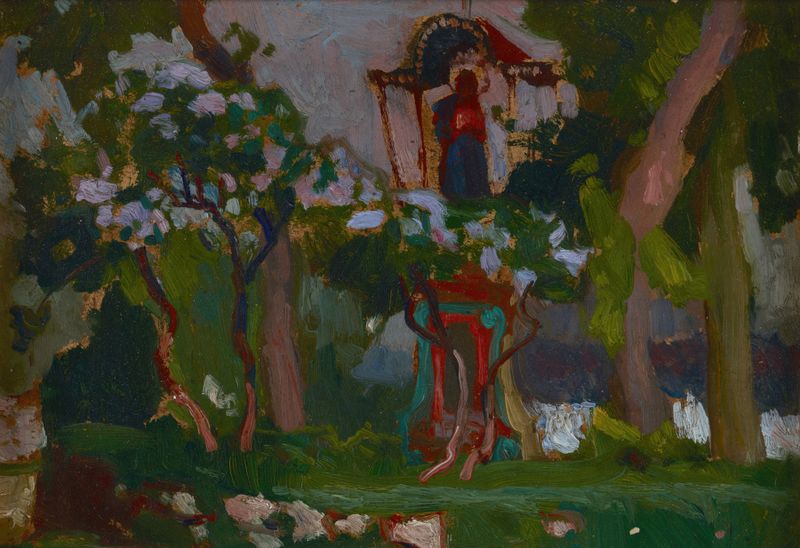
May
Jan Stanisławski
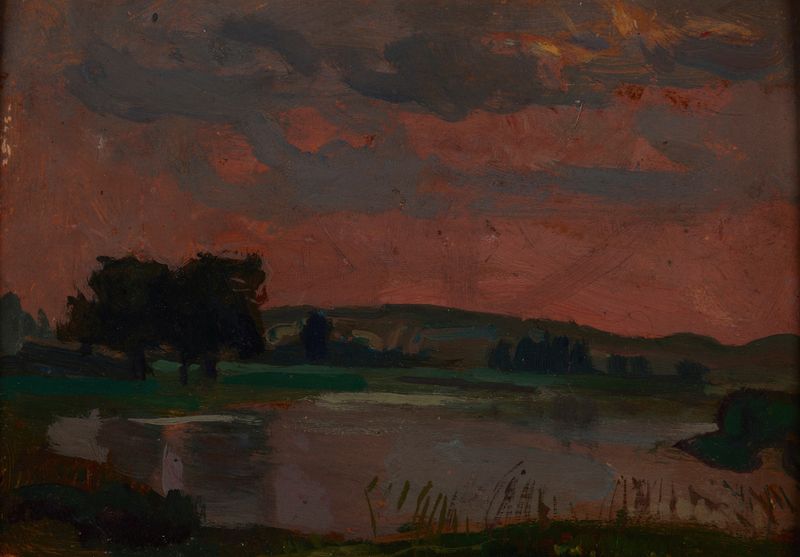
The Vistula in the Twilight
Jan Stanisławski
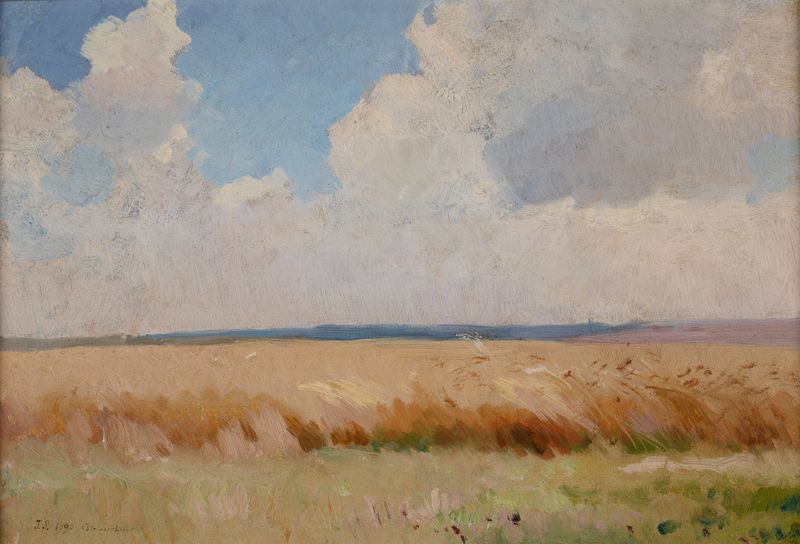
Field at Białocerkiew (Bila Tserkva)
Jan Stanisławski
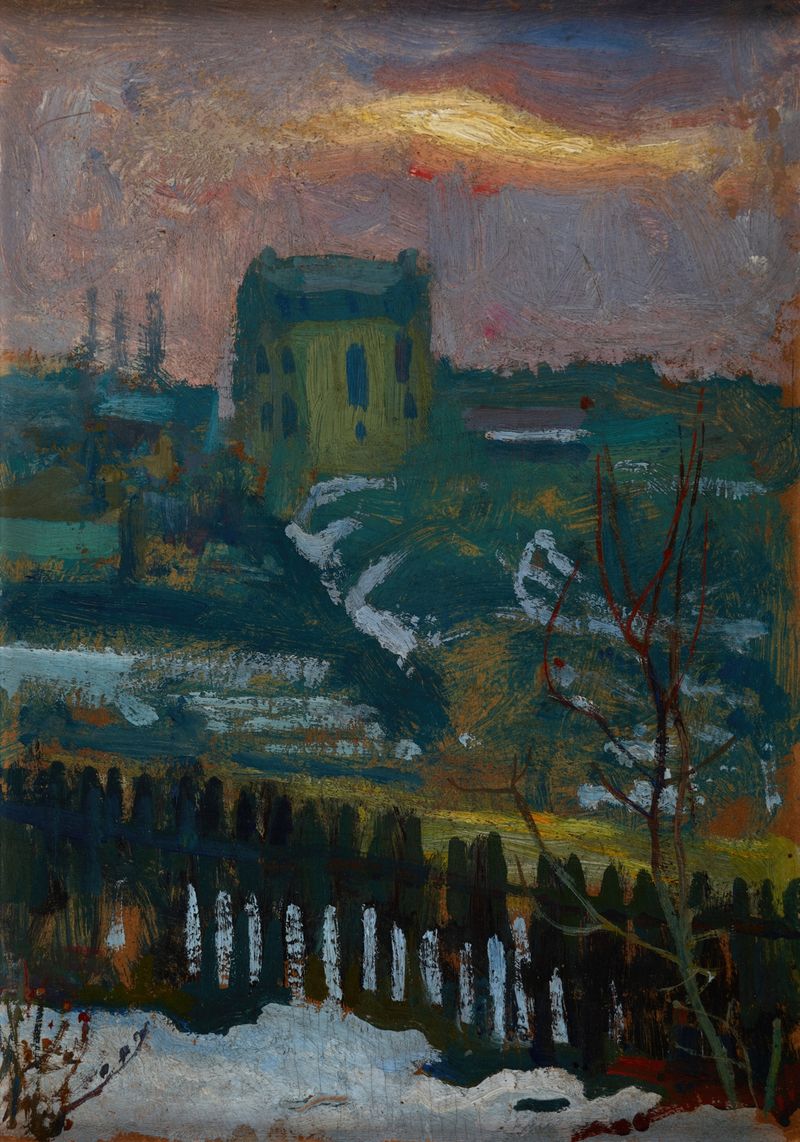
House in Winter
Jan Stanisławski
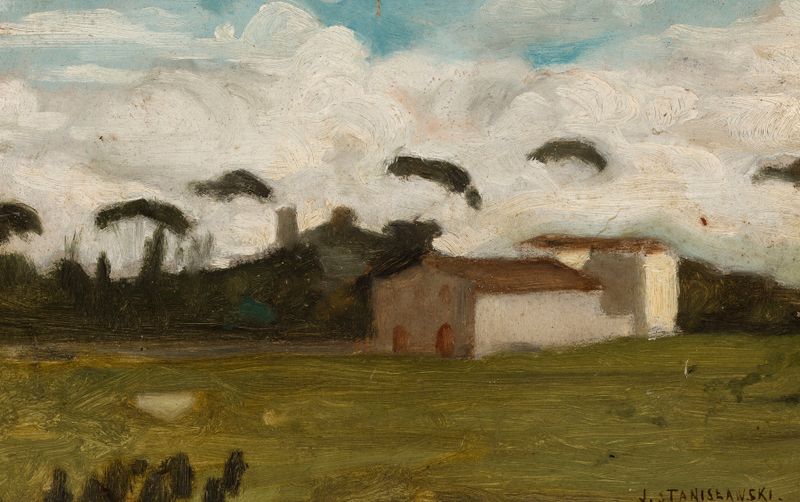
Landscape
Jan Stanisławski
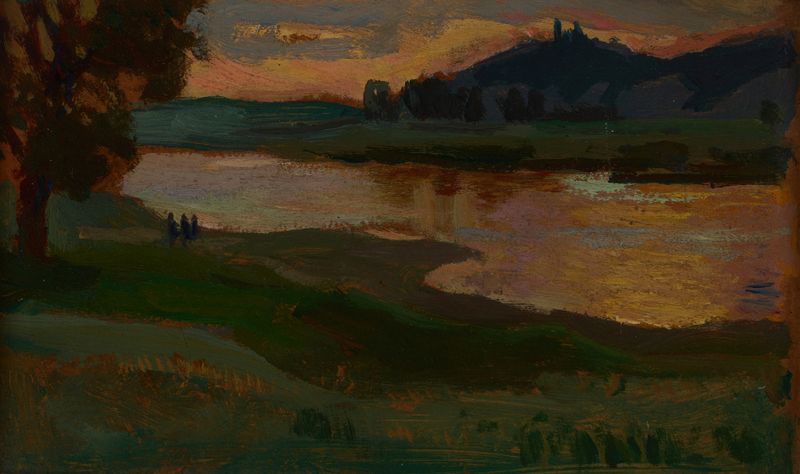
Bielany at Dusk
Jan Stanisławski
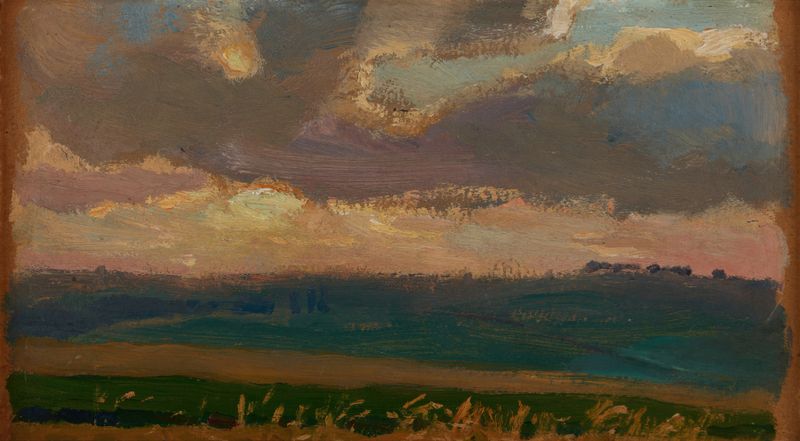
Fields at Proszowice
Jan Stanisławski





