
Landscape from the Vicinity of Kazimierz Lubelski — History & Facts
In the emptiness of a vast landscape, a dialogue unfolds between the observer and the horizon, beckoning us to explore the depths of solitude. Look to the foreground, where muted greens and browns blend seamlessly into softer strokes of lavender and blue. The gentle brushwork invites your eyes to traverse the undulating fields that lead the viewer's gaze towards the distant, almost ethereal hills. Notice how the light dapples across the surface, creating a sense of tranquility while hinting at the whispers of an unseen breeze that carries stillness throughout the scene. Delve deeper into the composition and you’ll discover subtle contrasts: the expansive sky, layered with delicate clouds, offers both a promise of freedom and a reminder of the weight of isolation.
The sparse placement of trees and brush suggests the remnants of life, a quiet reminder of what once thrived in this space. This juxtaposition captures the essence of longing, a visceral connection to the land that feels both inviting and desolate. Józef Pankiewicz painted this work in 1891 during a period of personal exploration and artistic evolution. Living in Poland, he was influenced by the burgeoning Impressionist movement, seeking to capture light and atmosphere in his landscapes.
This painting marks a pivotal moment in his career, reflecting both his technical mastery and his emotional response to the serene, yet haunting beauty of his surroundings.
More Artworks by Józef Pankiewicz
Browse all →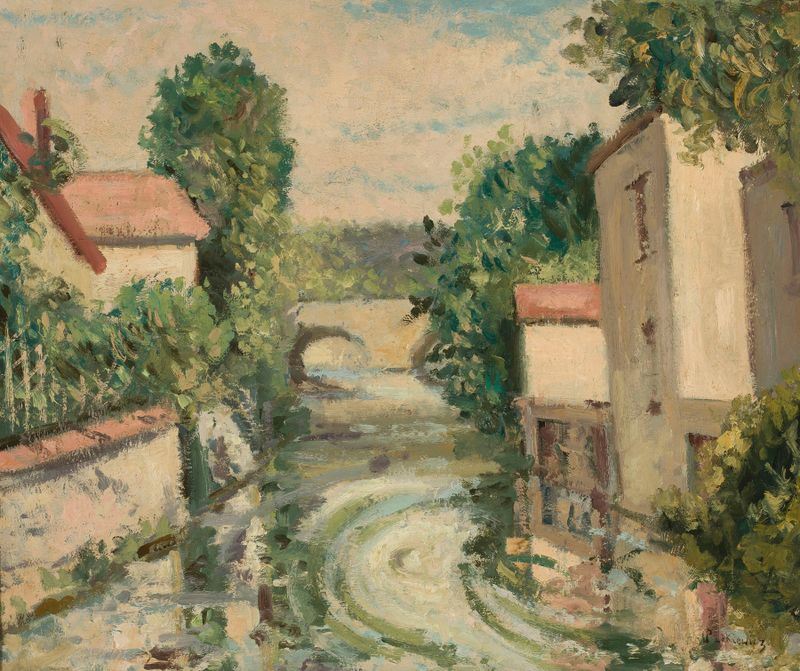
Landscape
Józef Pankiewicz

Cab in the Rain
Józef Pankiewicz
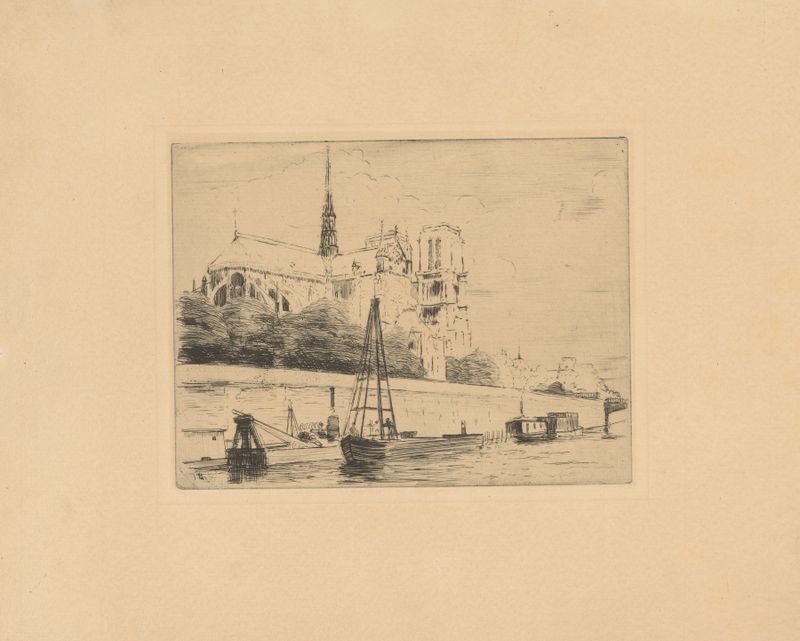
Notre Dame Cathedral in Paris
Józef Pankiewicz
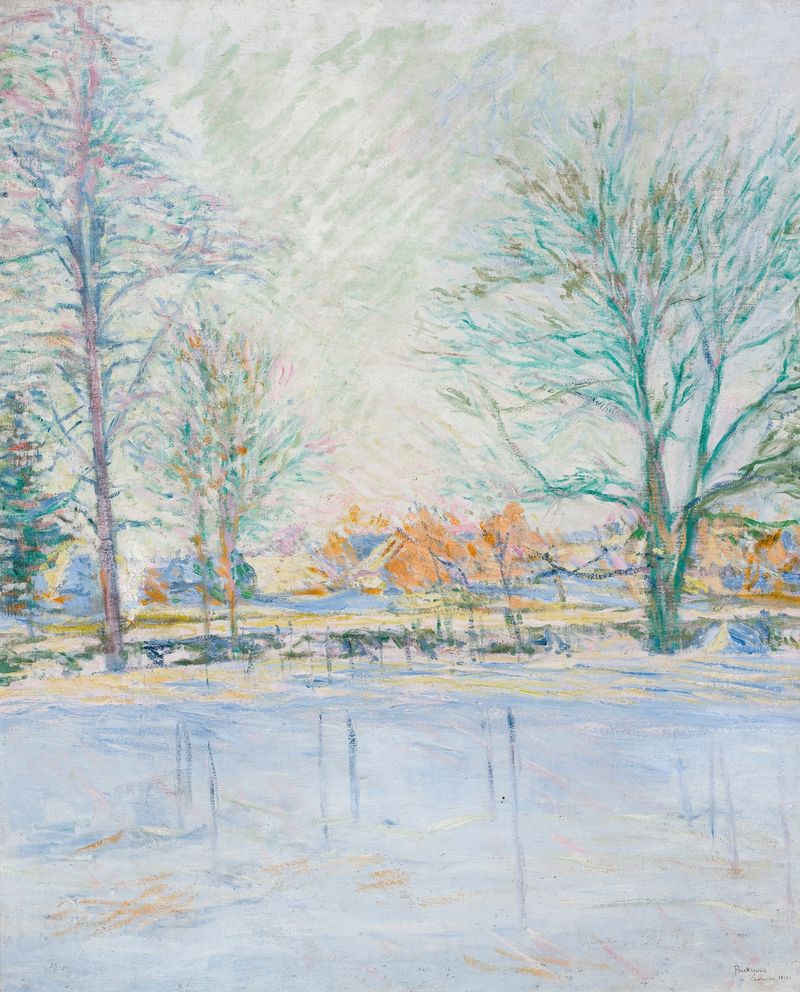
Landscape from Czarnolas
Józef Pankiewicz
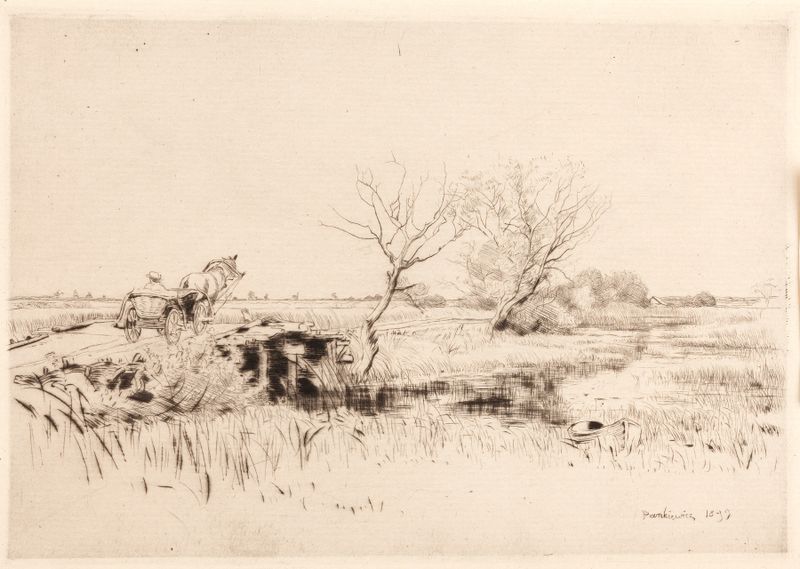
Pińsk Channel in Polesie I
Józef Pankiewicz
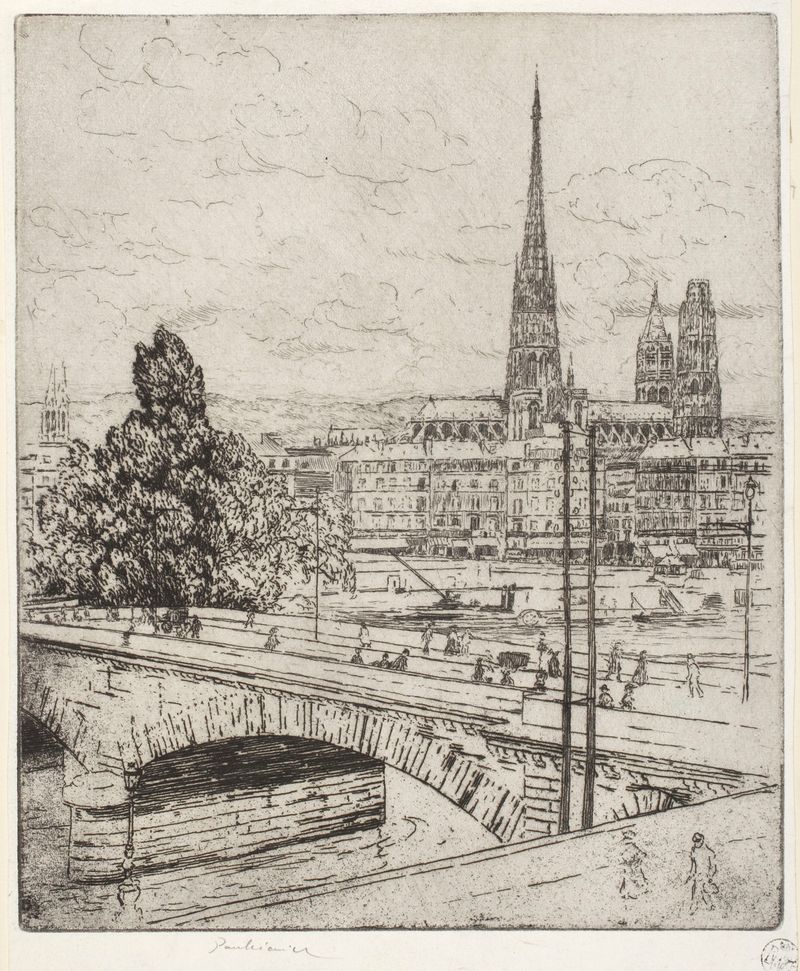
Pont Corneille in Rouen
Józef Pankiewicz
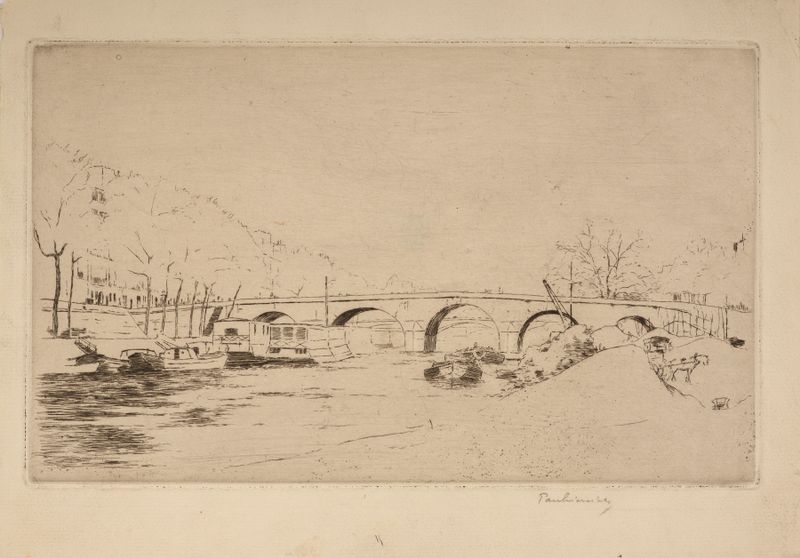
Pont Marie in Paris
Józef Pankiewicz

Rouen – portal from the Church of St Maclou
Józef Pankiewicz
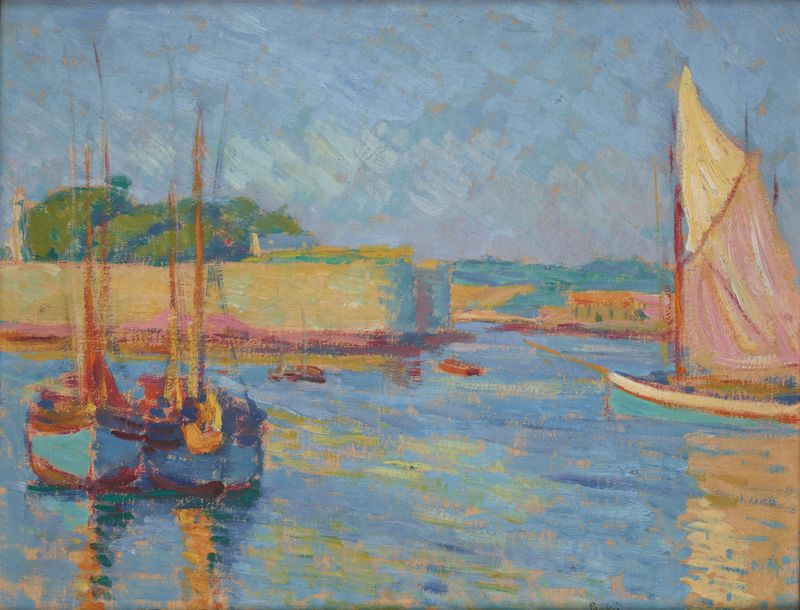
Harbour at Concarneau
Józef Pankiewicz
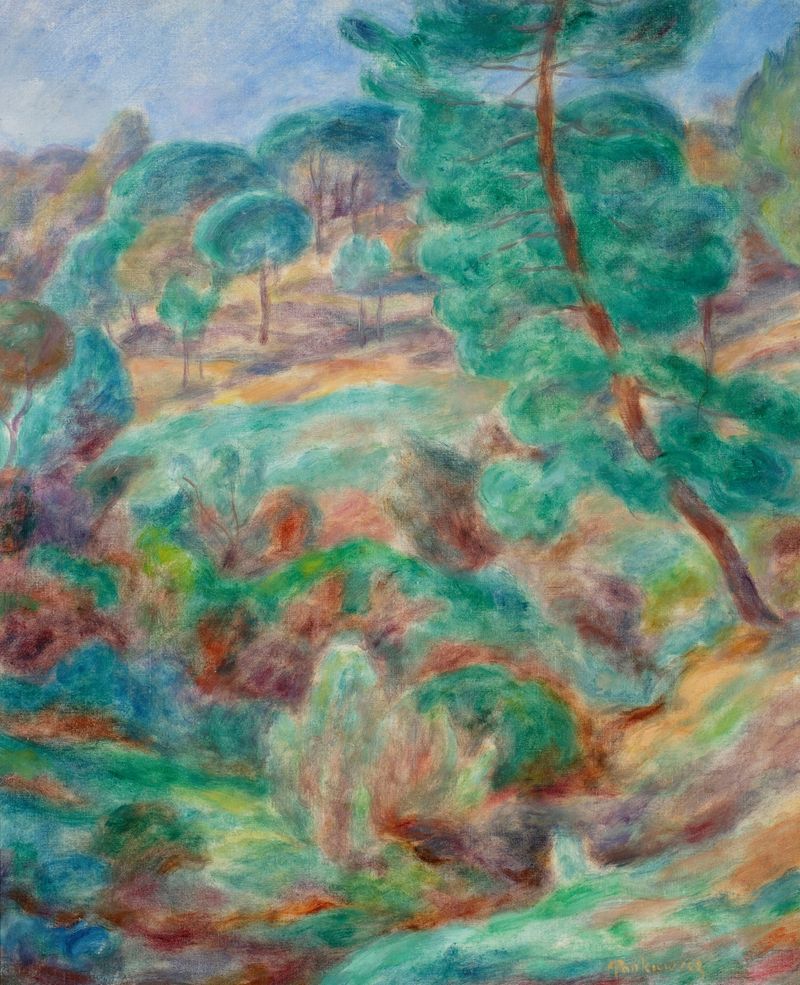
Landscape from Saint-Tropez – Stone pines
Józef Pankiewicz





