
Landscape III — History & Facts
In the realm of art, reflections reveal not only the surface but also the depths beneath. How does a landscape evoke the essence of longing and nostalgia? Look to the center of the canvas, where the luminous sun sinks behind the horizon, casting a warm, golden hue across the undulating hills. The sweeping forms of the land are defined with meticulous detail, each blade of grass and ripple of water captured with precision.
Notice how the interplay of light and shadow creates a rhythmic pulse, drawing the eye towards the serene lake that mirrors the sky’s vibrant palette, suggesting a fragile harmony between nature and the human spirit. Delve deeper into the subtle contrasts that enliven the scene: the stillness of the water juxtaposes with the movement of the clouds, hinting at transient moments that echo through time. The vibrant colors embody hope and melancholy, resonating with a sense of loss and yearning. Small details, like the delicate ripples in the lake or the distant silhouette of a tree, unveil an emotional undercurrent, inviting viewers to reflect on their own experiences of beauty and passage. Frederic Edwin Church painted this work in 1865, during a period marked by personal loss and the aftermath of the Civil War, which profoundly impacted American society.
Creating Landscape III at his studio in New York, he sought to explore the vastness and majesty of nature, reflecting a shift in the artistic landscape toward more personal and emotional expressions. It was a moment when art began to serve as a vessel for both individual and collective memory.
More Artworks by Frederic Edwin Church
Browse all →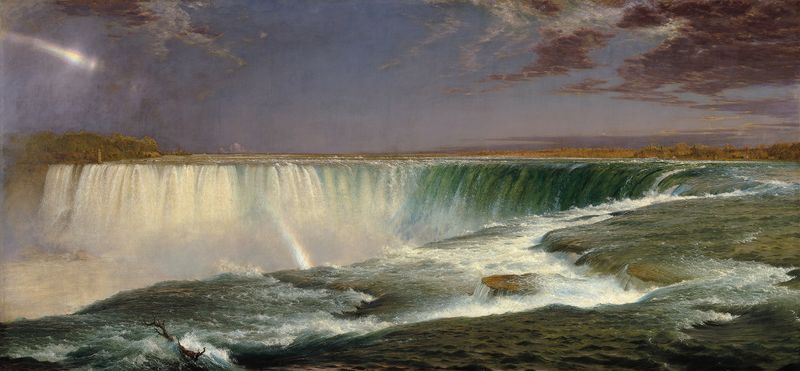
Niagara
Frederic Edwin Church
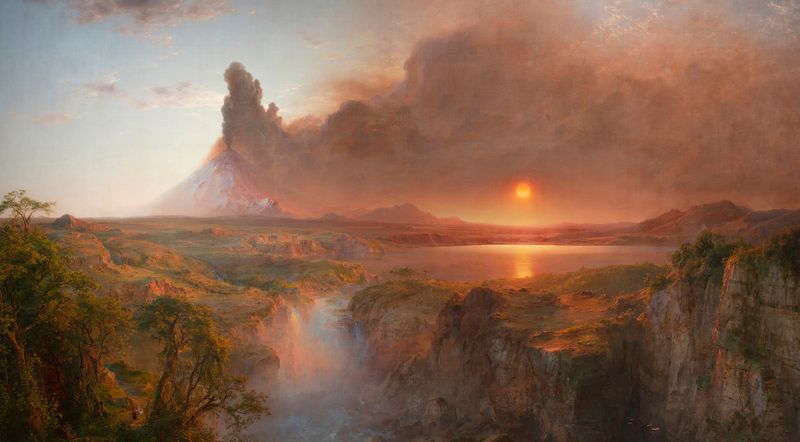
Cotopaxi
Frederic Edwin Church
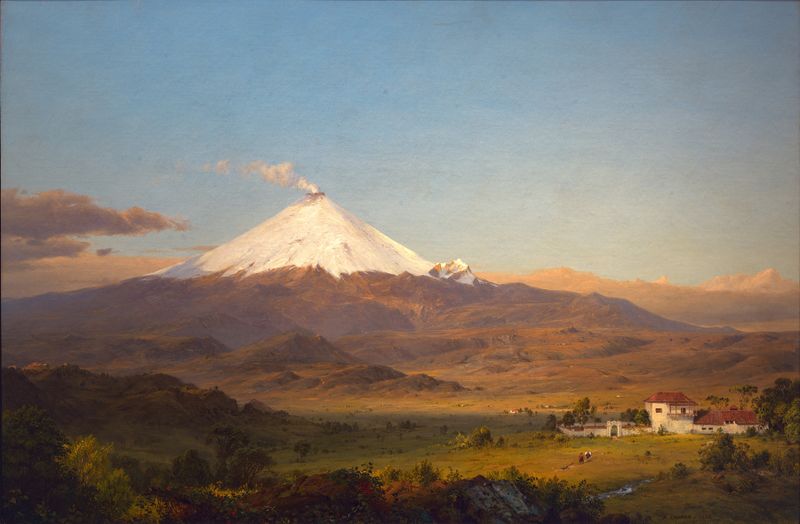
Cotopaxi
Frederic Edwin Church
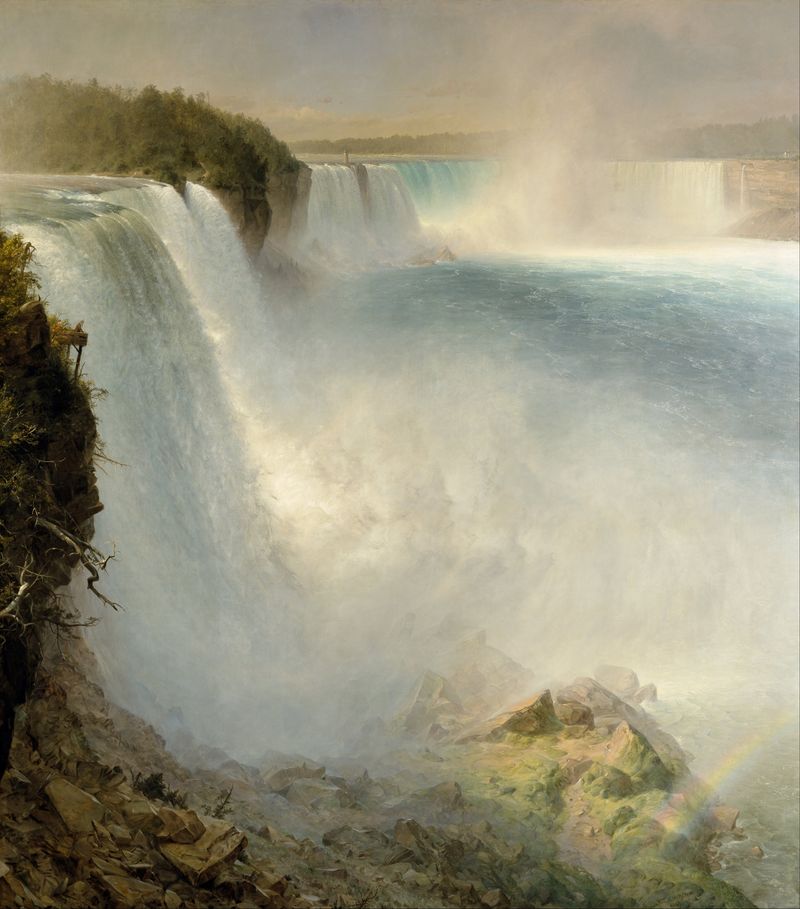
Niagara Falls, from the American Side
Frederic Edwin Church
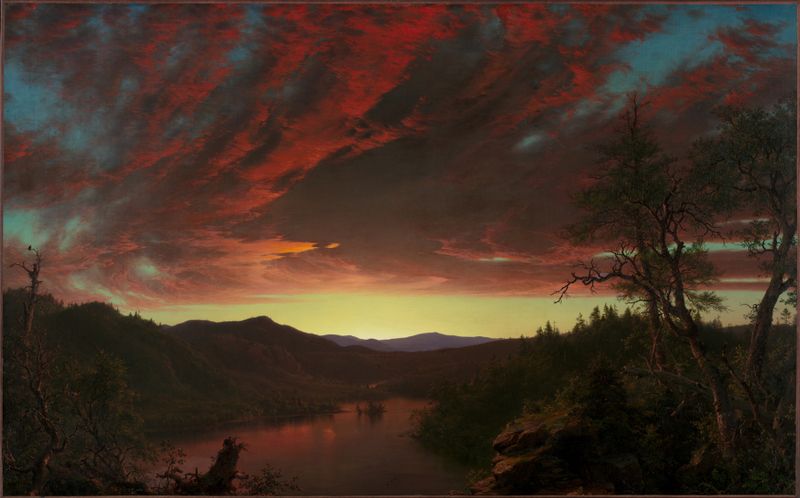
Twilight in the Wilderness
Frederic Edwin Church
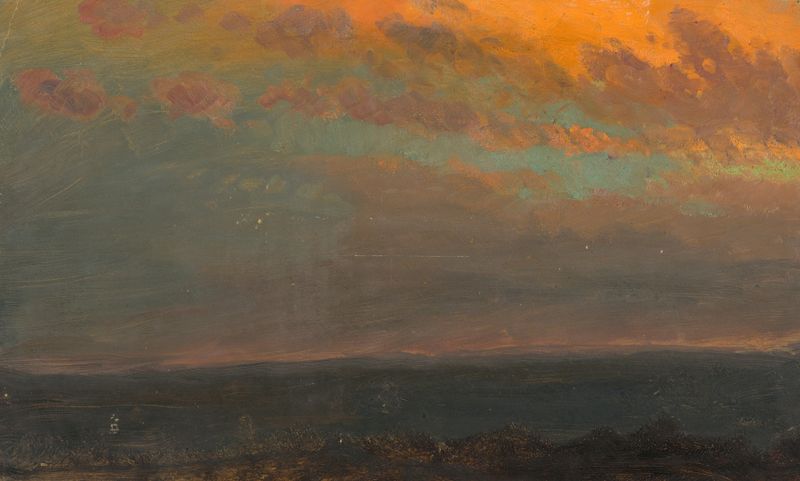
Hudson Valley at Sunset
Frederic Edwin Church
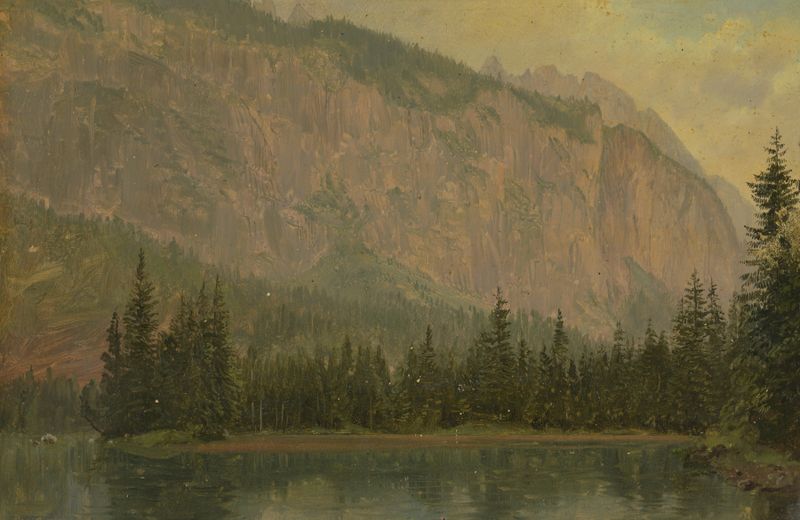
The Hintersee, near Berchtesgaden, Bavaria
Frederic Edwin Church
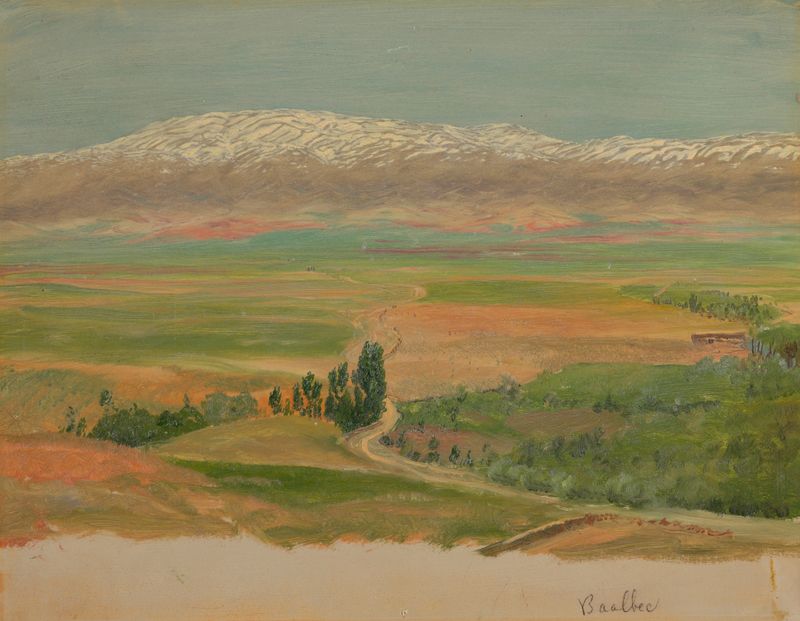
Mountains near Baalbec
Frederic Edwin Church
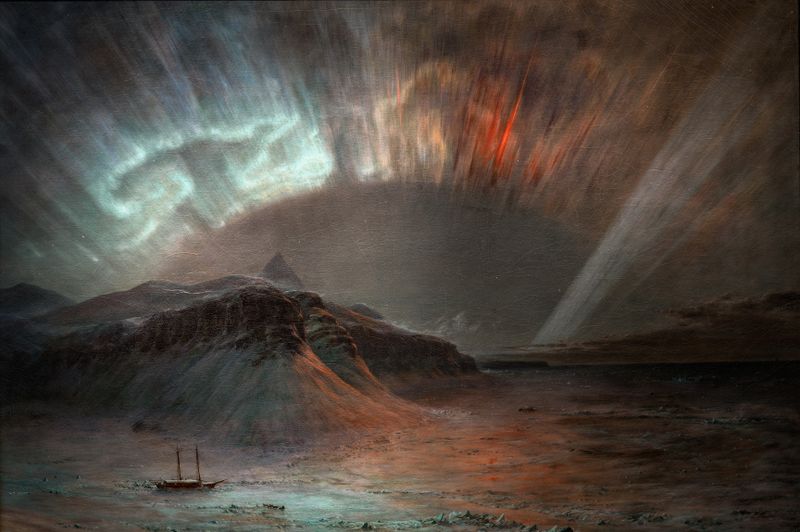
Aurora Borealis
Frederic Edwin Church
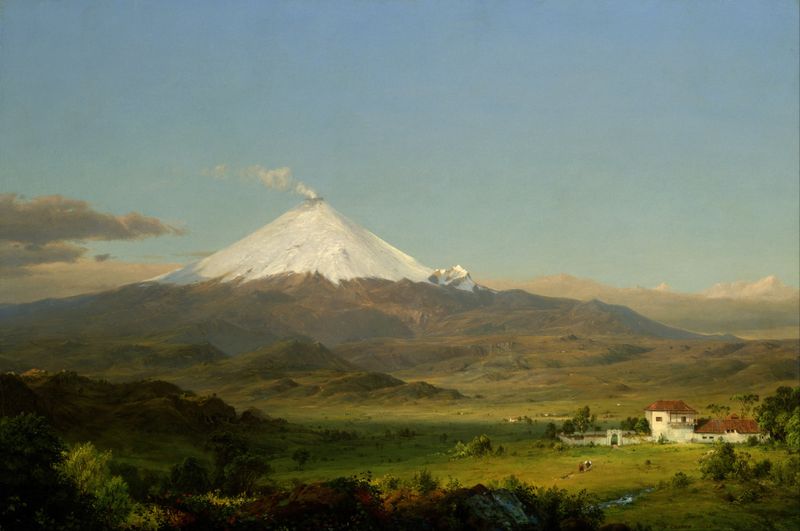
Cotopaxi
Frederic Edwin Church





