
Landscape in Pontgibaud — History & Facts
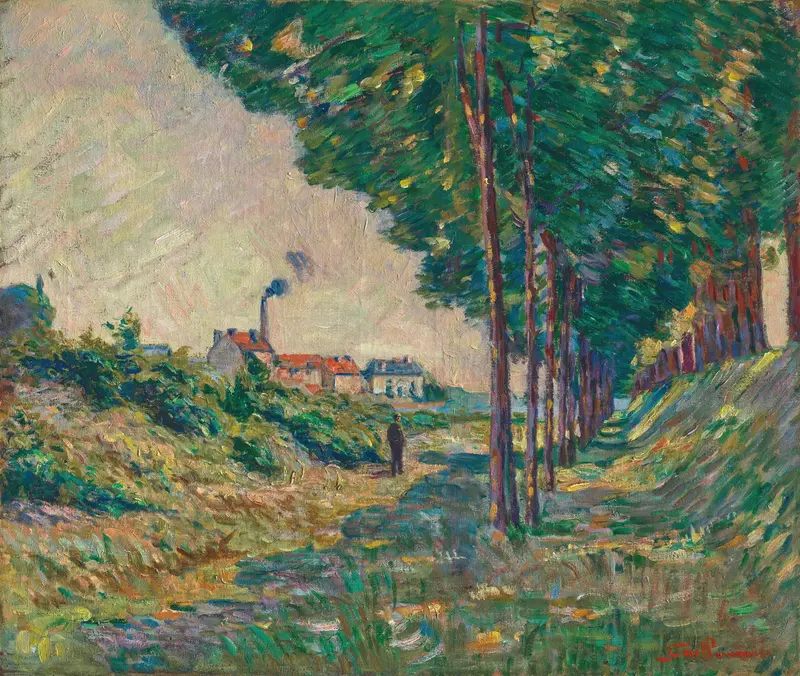
The first thing that seizes the eye in Landscape in Pontgibaud is the riot of color where shadow and sunlight wrestle across the rolling hills. The brushwork is restless, almost impatient, as if Armand Guillaumin is determined to capture the fleeting dance of afternoon light before it slips away. The trees, rendered in thick, charged strokes of green, blue, and violet, seem to lean into the valley’s curve, their shadows stretching and twisting with the slope.
The sky is pale but warm, giving the whole scene a sense of late-day hush, while the fields are striped with gold and lavender, suggesting freshly cut hay or the play of clouds overhead. This is not a passive landscape; it is alive with movement, with the sensation of wind and shifting sun, inviting the viewer to step into its rhythm. Painted in 1895, this work belongs to a moment when artists like Guillaumin were pushing the boundaries of landscape painting, not only recording what they saw but how they felt it. The late nineteenth century in France was a time of rapid change—railways, industry, and urban life were transforming the countryside, and painters responded by seeking out places where nature still seemed unspoiled.
Works like this, now housed in the anagoria collection, were rarely grand commissions; instead, they were painted for a growing middle class eager to bring the beauty and vitality of the rural world into their homes. History has kept few traces of the journeys of such paintings, but their energy remains, urging us to look again at the familiar hills and see them, for a moment, as entirely new.
More Artworks by Armand Guillaumin

La Seine À Charenton
Armand Guillaumin
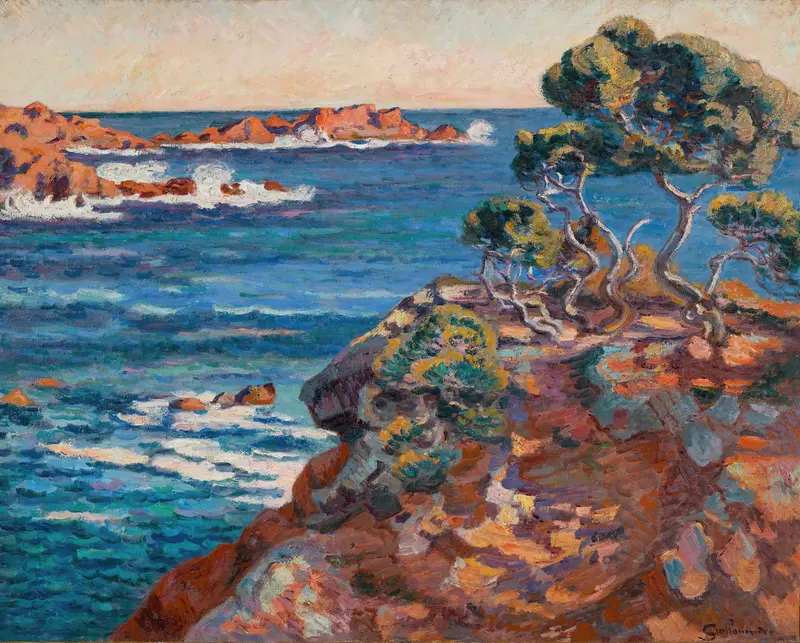
Bord De Mer À Agay
Armand Guillaumin
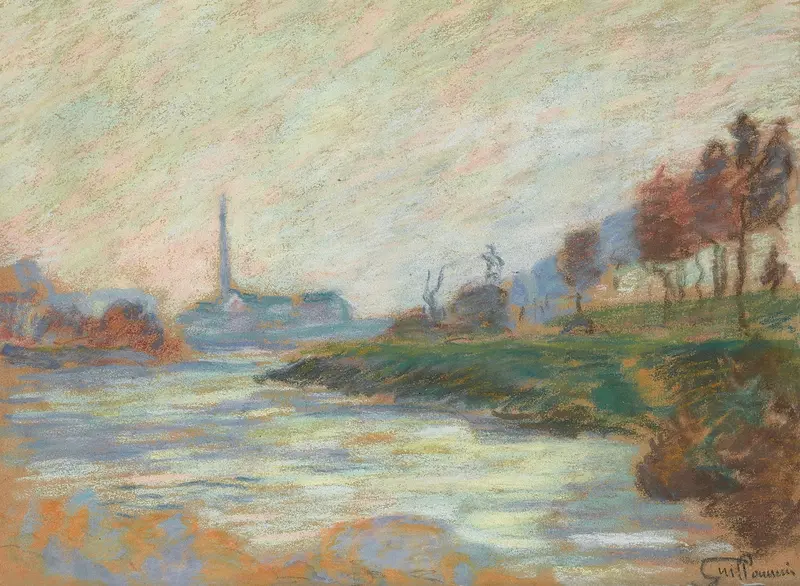
Confluent De La Marne Et De La Seine, Île De La France
Armand Guillaumin
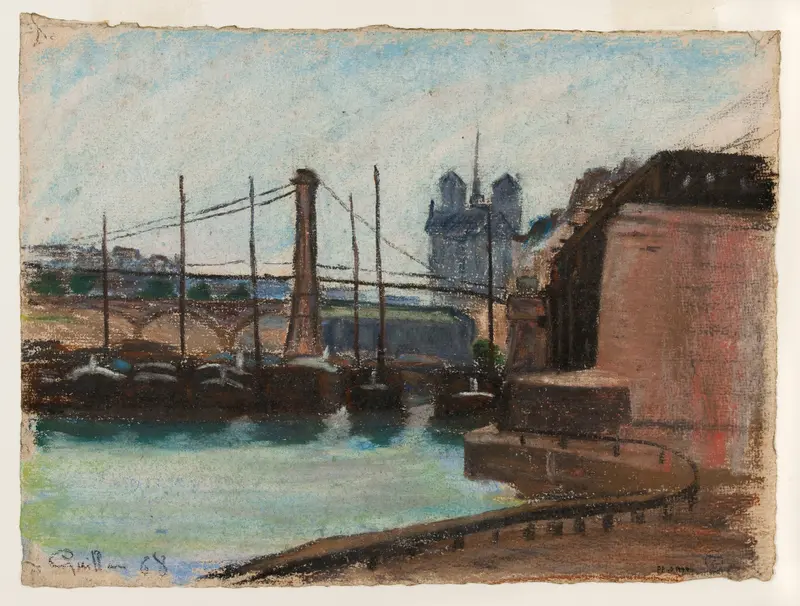
Le Pont d’Austerlitz
Armand Guillaumin
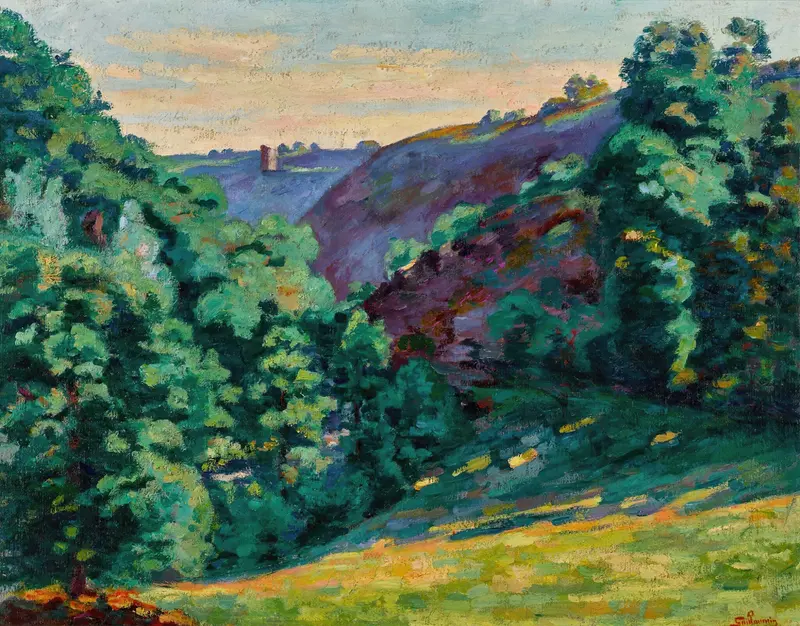
Le Ravin de la folie, vue de Chateau Crozant
Armand Guillaumin
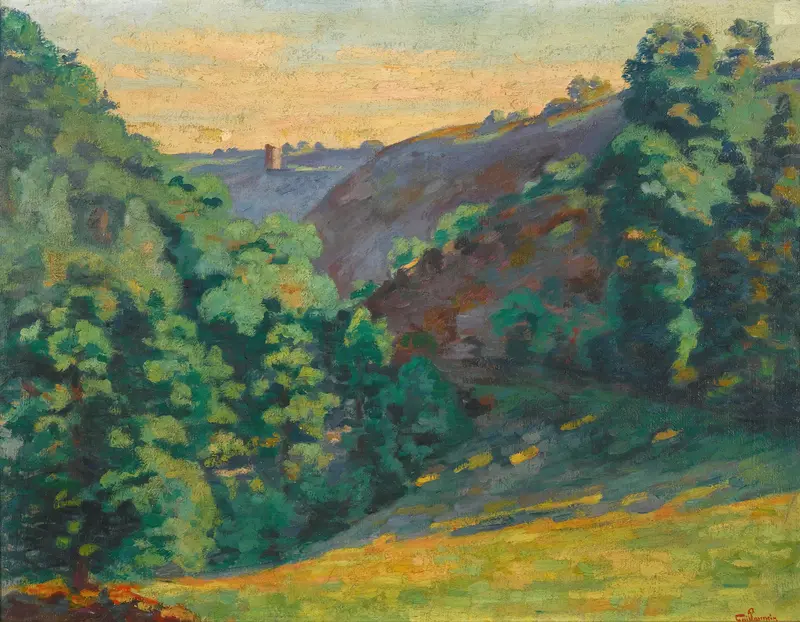
Crozant, Le Ravin De La Sedelle À La Folie
Armand Guillaumin
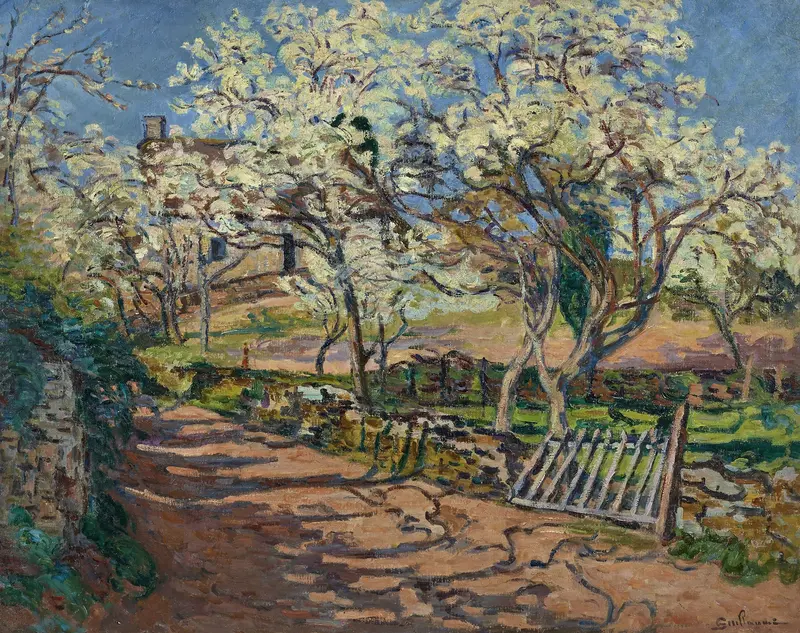
Paysage de Printemps
Armand Guillaumin
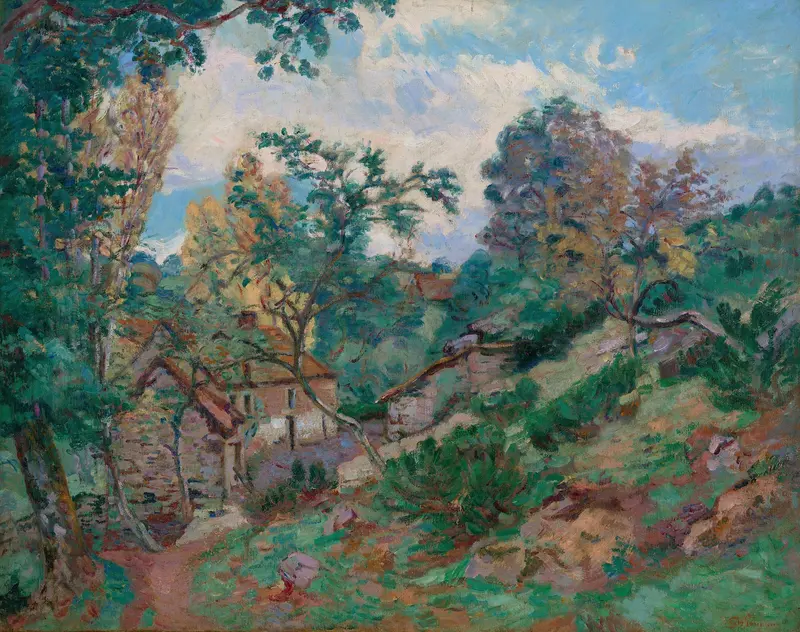
Paysage
Armand Guillaumin
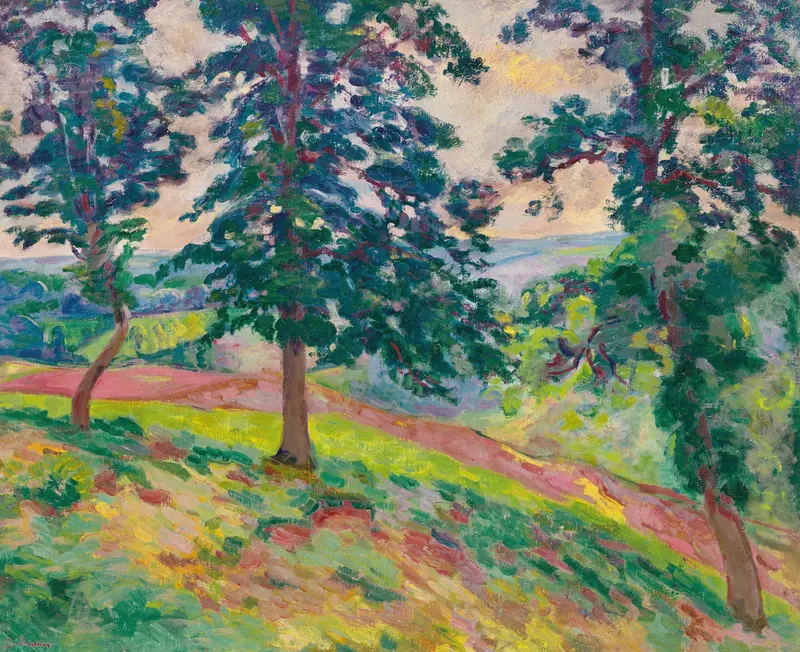
La vallée de la creuse
Armand Guillaumin
Le chemin de halage à Charenton, Ile de France
Armand Guillaumin
More Landscape Art

The Starry Night
Vincent van Gogh

View of Delft
Johannes Vermeer

Water Lilies
Claude Monet

The Grand Canal, Venice, looking north-west from the Ca' Corner to the Ca' Contarini degli Scrigni, with the campanile of Santa Maria della Carità
Canaletto

Windsor Castle
Canaletto

The Grand Canal looking North-East from the Palazzo Dolfin-Manin to the Rialto Bridge
Canaletto