
Landscape IV — History & Facts
In Landscape IV, vibrant ecstasy dances across the canvas, where careful strokes give birth to an exuberant yet serene world. Look to the right at the striking interplay of light and shadow; the sun spills golden hues over the lush greenery, illuminating the myriad shades of deep green and soft amber. The meticulous detailing of the foliage beckons your eye, where each leaf seems alive, whispering tales of nature's splendor. The composition harmoniously balances the grandeur of the sky with its swirling clouds against the stillness of the land, inviting serenity amidst wild beauty. Beneath the apparent calm lies a tension between chaos and order.
The swirling clouds evoke a tempest, hinting at nature's uncontrollable spirit that coexists with the tranquil landscape. This duality—between the ecstatic vibrancy of the earth and the somber impending storm—reflects the artist's thoughtfulness, suggesting a wider commentary on humanity's tenuous relationship with the environment. The viewer is compelled to linger, contemplating the interplay of exuberance and foreboding. In 1865, Church painted this work during a pivotal moment in his career and American art.
He had become a prominent figure in the Hudson River School, celebrated for his ability to capture the sublime beauty of nature. This period was marked by a growing national fascination with the American landscape, as well as the uncertainties of a nation grappling with Civil War's aftermath. The painting embodies not only Church’s mastery but also a profound connection to a transforming world.
More Artworks by Frederic Edwin Church
Browse all →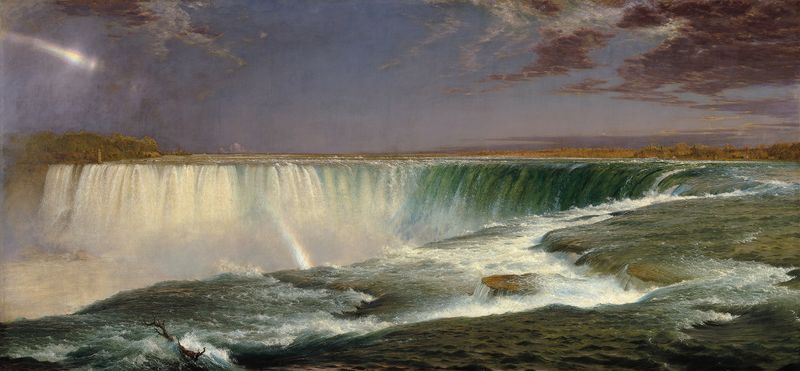
Niagara
Frederic Edwin Church
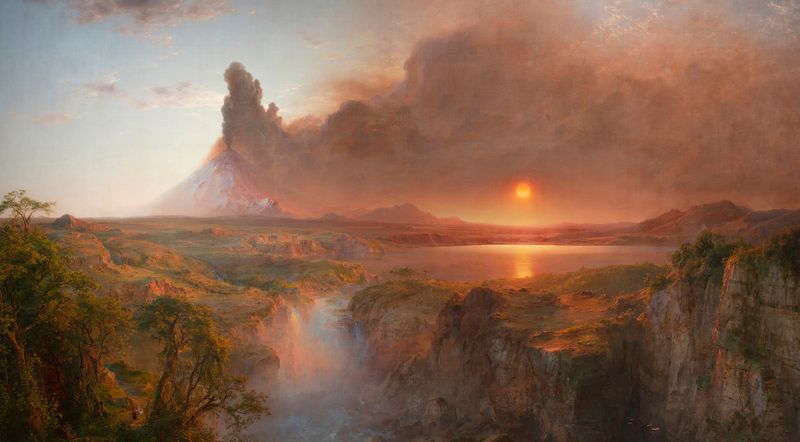
Cotopaxi
Frederic Edwin Church
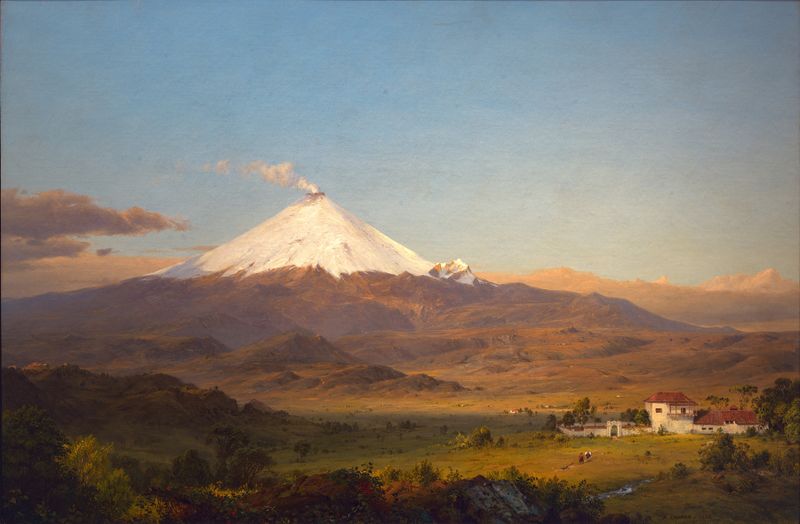
Cotopaxi
Frederic Edwin Church
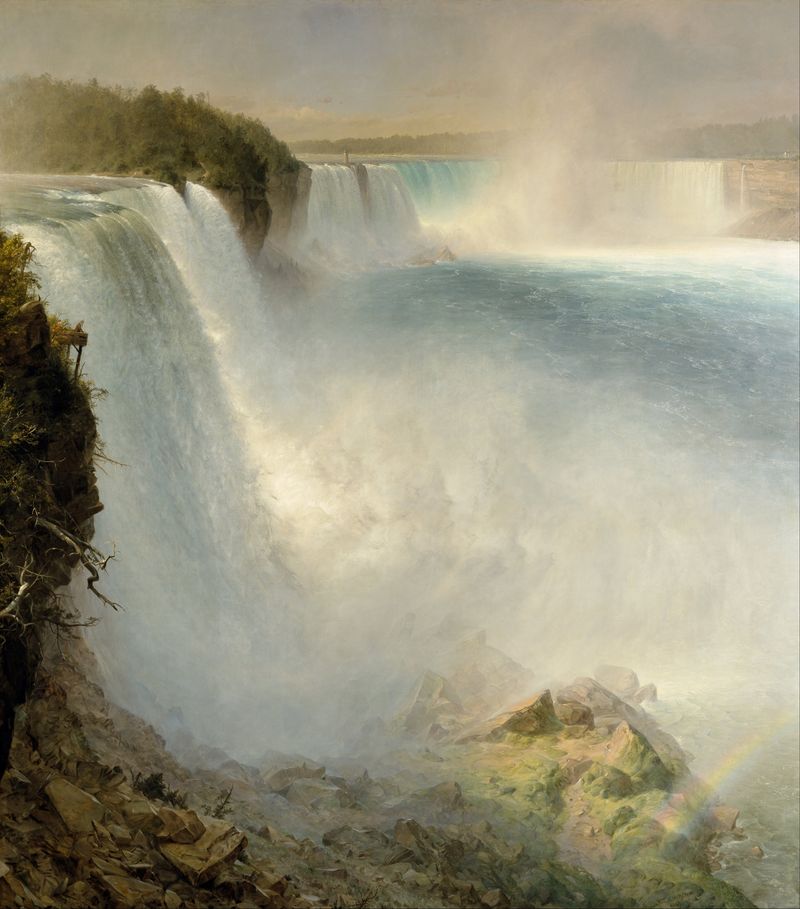
Niagara Falls, from the American Side
Frederic Edwin Church
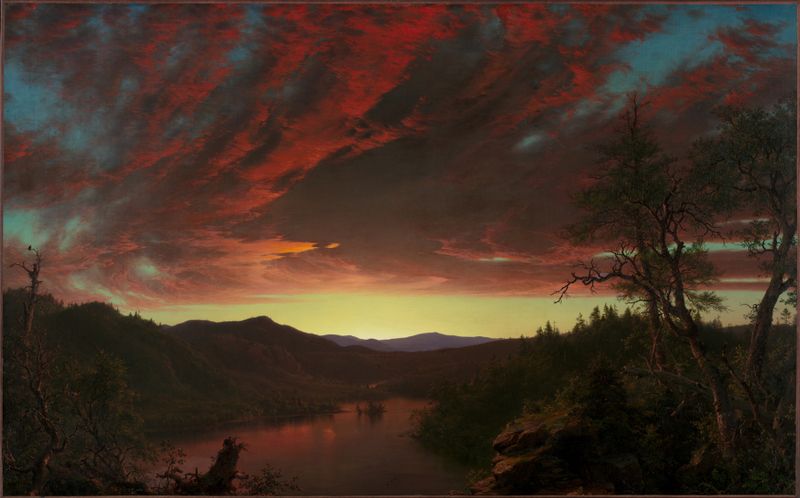
Twilight in the Wilderness
Frederic Edwin Church
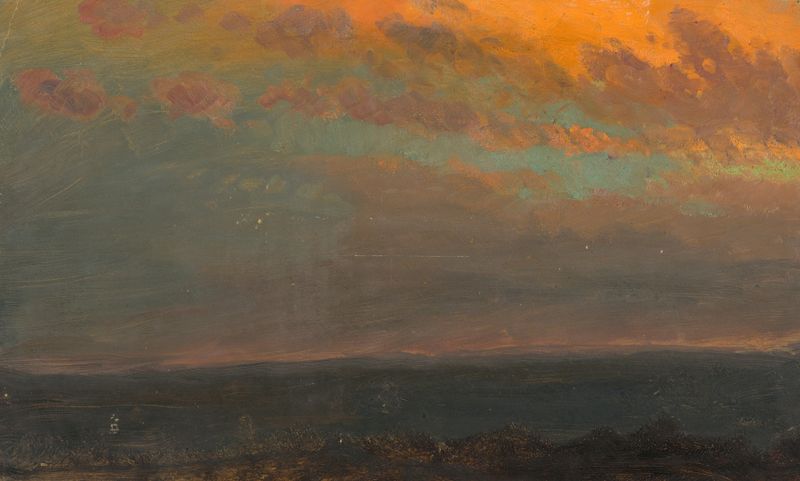
Hudson Valley at Sunset
Frederic Edwin Church
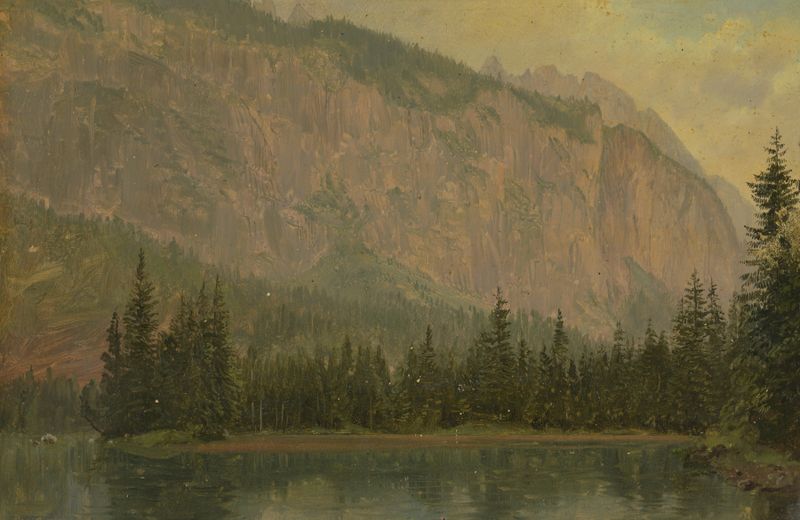
The Hintersee, near Berchtesgaden, Bavaria
Frederic Edwin Church
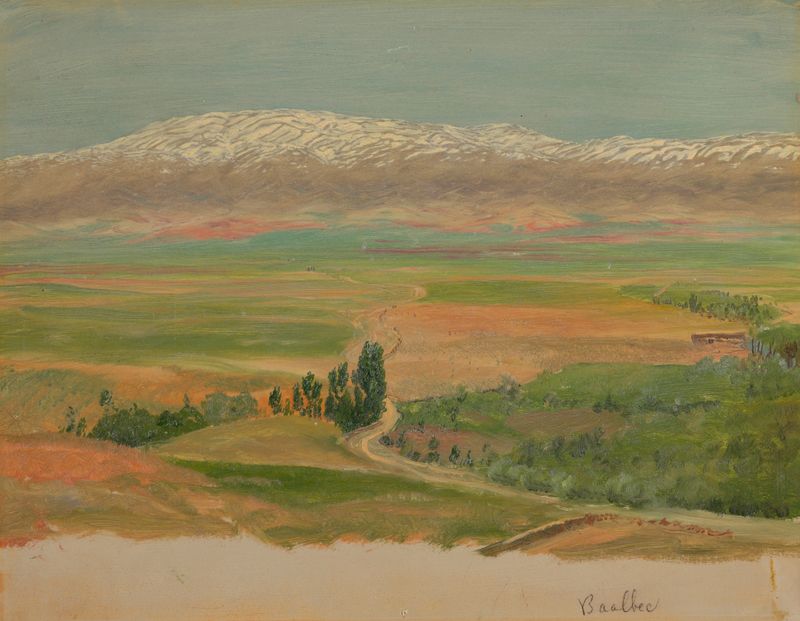
Mountains near Baalbec
Frederic Edwin Church
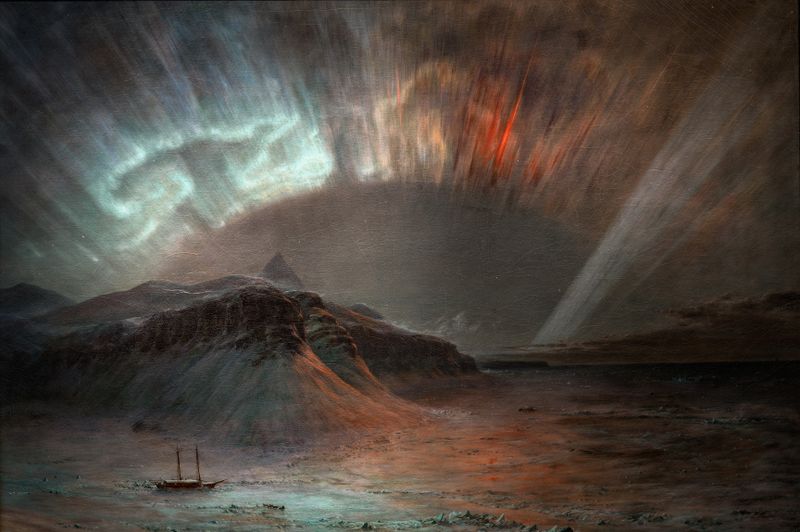
Aurora Borealis
Frederic Edwin Church
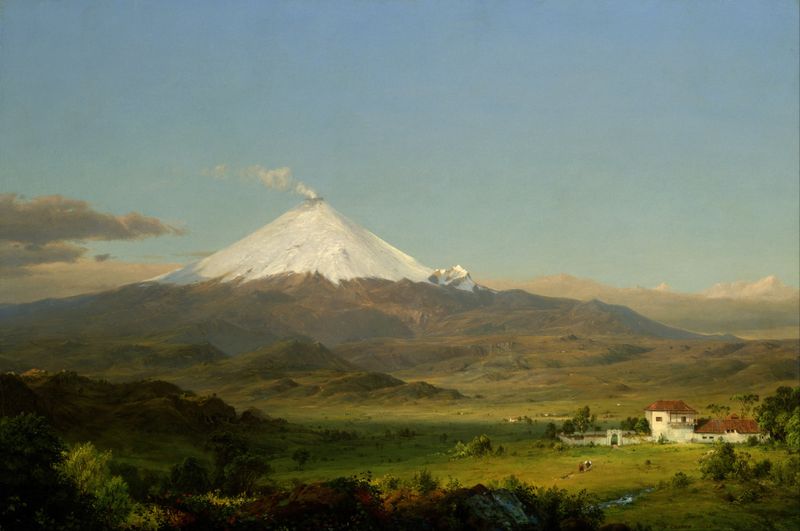
Cotopaxi
Frederic Edwin Church





