
Landscape near Petra — History & Facts
When did color learn to lie? The vibrant hues of the landscape, rich with promise, whisper of destinies yet to unfold. In the hands of an artist, nature becomes a master storyteller that beckons us to listen closely. Look to the left where a cascade of warm oranges and yellows spills over the rocky outcrops, the sunlight illuminating the peaks with an ethereal glow. Notice how the azure sky stretches above, an expansive canvas that contrasts the earthy tones below.
Church’s meticulous brushwork reveals a world bursting with life, where the delicate interplay of light and shadow creates depth and invites the viewer to journey into the scene. Beyond the immediate beauty lies a poignant tension: the landscape suggests both a sense of freedom and an underlying fragility. The vibrancy of the colors, while intoxicating, hints at the fleeting nature of existence, a reminder that paradise can be as ephemeral as the setting sun. The sprawling scene juxtaposes wildness with serenity, echoing humanity's constant pursuit of meaning in an ever-changing world. Painted in 1868, this work emerged during a transformative period for Frederic Edwin Church, who was deeply influenced by the explorations of the American West and his participation in the Hudson River School movement.
At this time, the art world was increasingly focused on capturing the sublime beauty of nature, reflecting both individualism and nationalism in a rapidly evolving society.
More Artworks by Frederic Edwin Church
Browse all →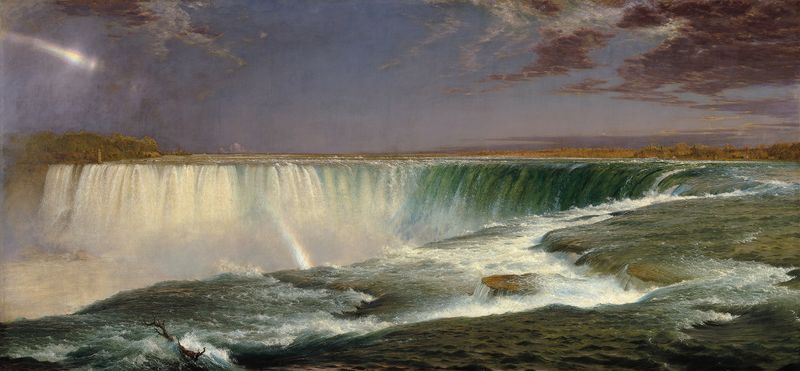
Niagara
Frederic Edwin Church
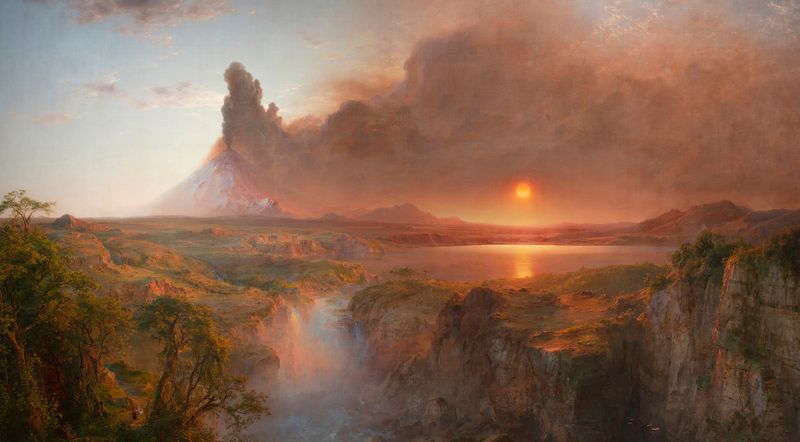
Cotopaxi
Frederic Edwin Church
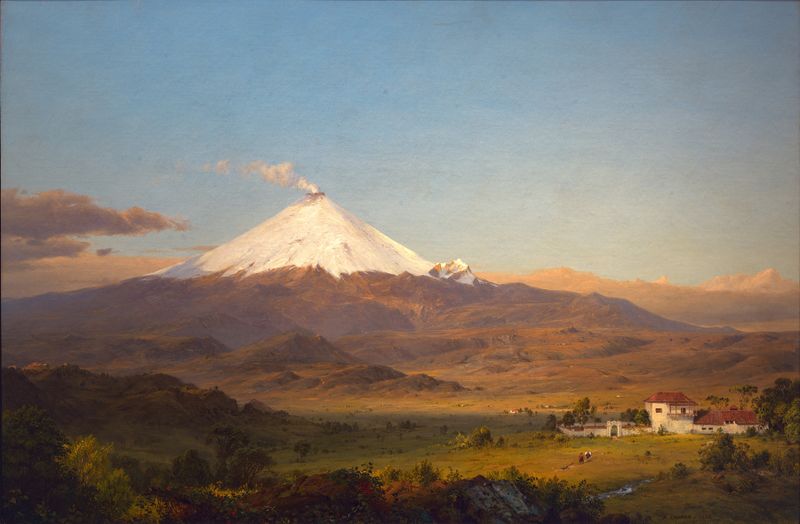
Cotopaxi
Frederic Edwin Church
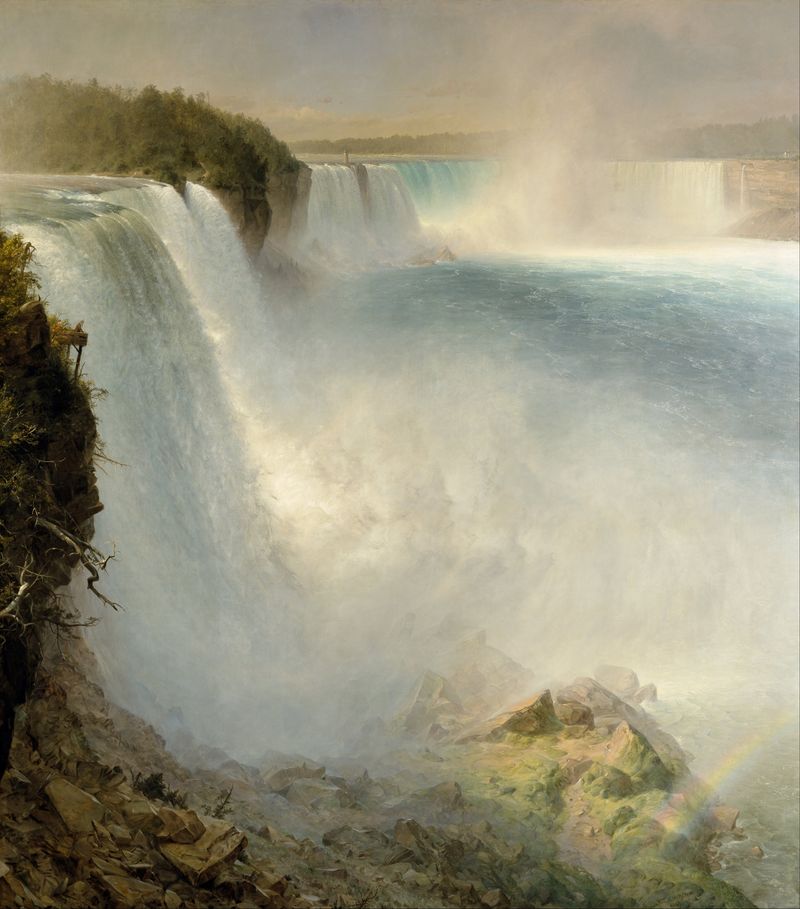
Niagara Falls, from the American Side
Frederic Edwin Church
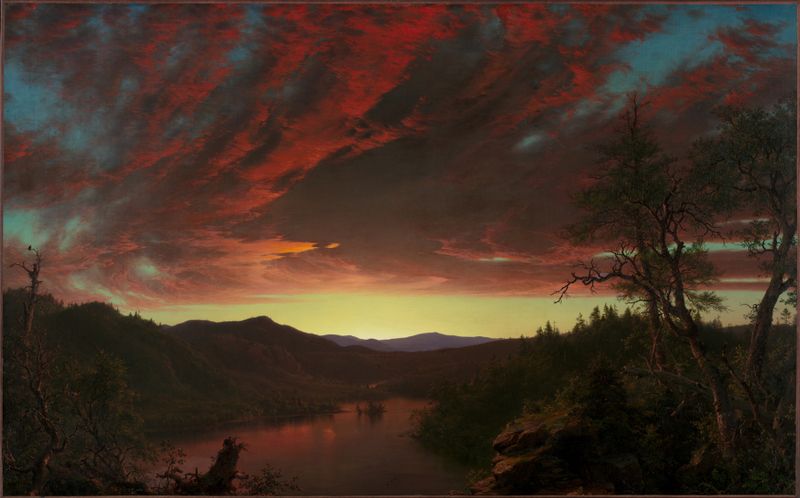
Twilight in the Wilderness
Frederic Edwin Church
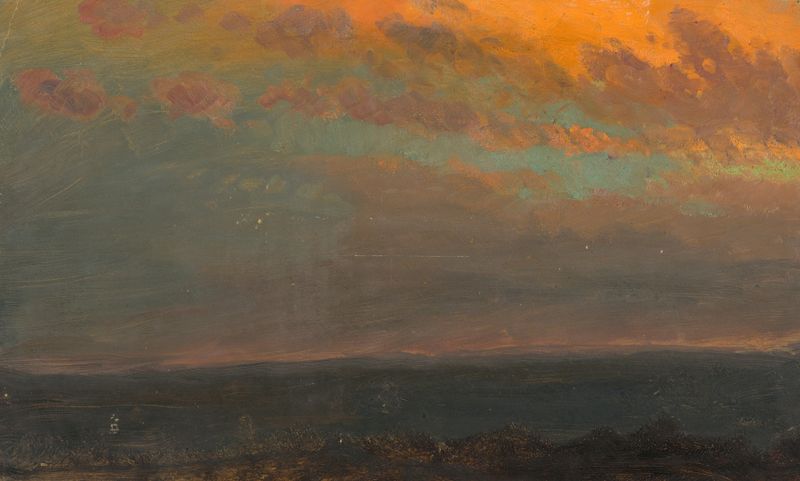
Hudson Valley at Sunset
Frederic Edwin Church
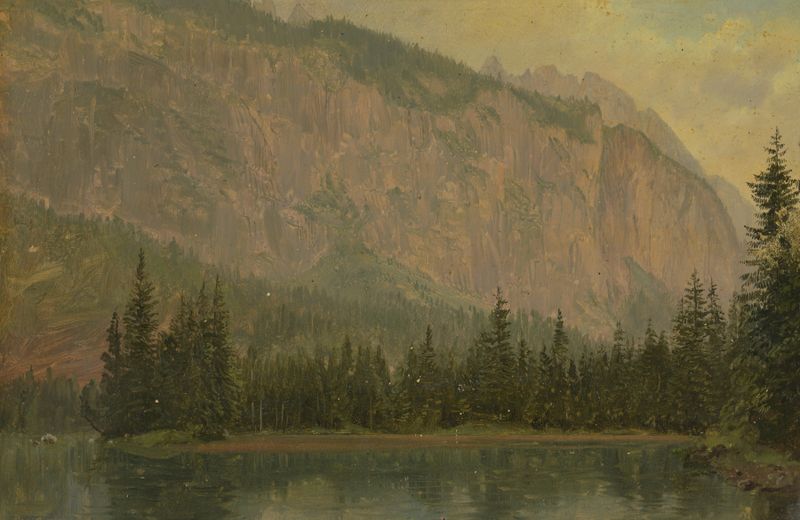
The Hintersee, near Berchtesgaden, Bavaria
Frederic Edwin Church
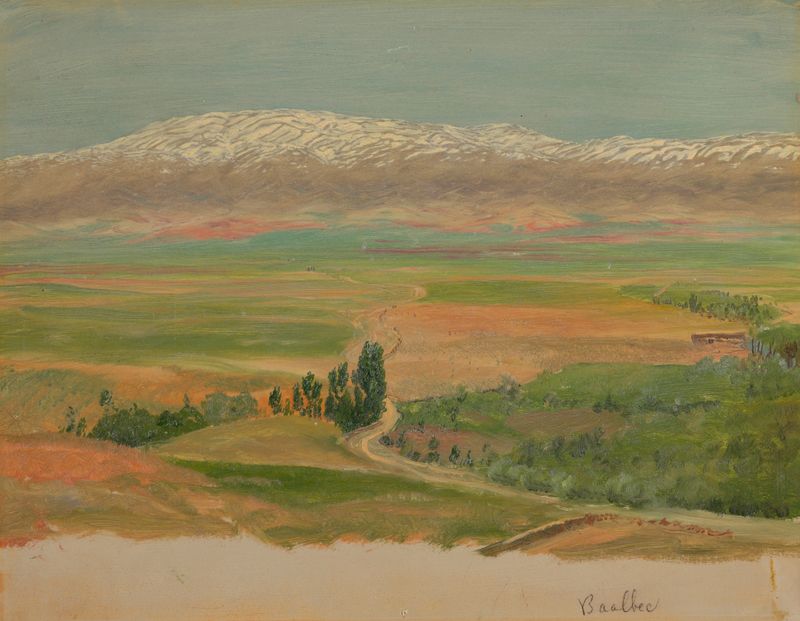
Mountains near Baalbec
Frederic Edwin Church
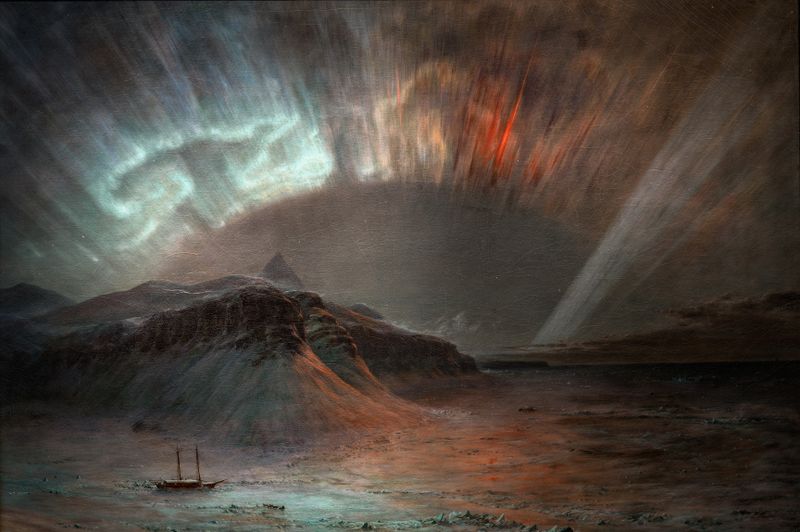
Aurora Borealis
Frederic Edwin Church
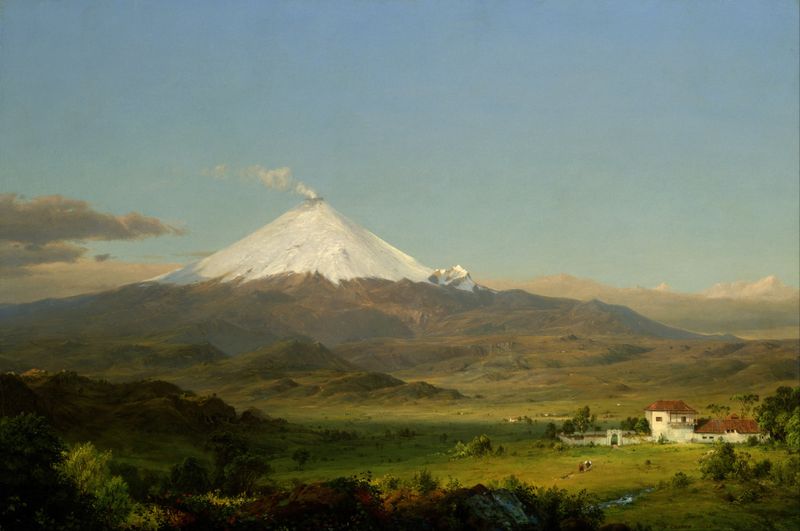
Cotopaxi
Frederic Edwin Church





