
Landscape, near Syria or Greece — History & Facts
What if beauty was never meant to be finished? In Landscape, near Syria or Greece, striking colors blur the boundary between reality and dream, inviting the viewer into a moment suspended in time. Begin by observing the brilliant hues of sky and earth. Look to the upper left, where a warm palette of oranges and yellows seamlessly transitions into deep blues, suggesting the fleeting hour of twilight. Notice how the light bathes the landscape, casting a gentle glow over the rolling hills and distant mountains, while the lush greenery in the foreground teems with life, each brushstroke pulsating with vibrancy.
The composition draws the eye across the canvas, leading us into a space that feels both expansive and intimate. But beyond the visual allure lies deeper meaning. The contrasting elements of light and shadow evoke a sense of duality—between the ephemeral and the permanent, joy and melancholy. The silhouette of the mountains looms as a reminder of nature's timelessness, while the softness of the foliage hints at the transience of beauty.
This tension speaks to the viewer’s longing; it asks us to ponder our place within such breathtaking landscapes, as fleeting visitors to a world that is both familiar and alien. Frederic Edwin Church created this work between 1868 and 1869 during a period of his life marked by profound exploration in both travel and art. Having recently returned from a journey to the Middle East, he sought to capture the ethereal beauty of the landscapes that inspired him. At this time, the Hudson River School, to which he belonged, was evolving, pushing boundaries and embracing new techniques that would forever change the way we perceive natural beauty.
More Artworks by Frederic Edwin Church
Browse all →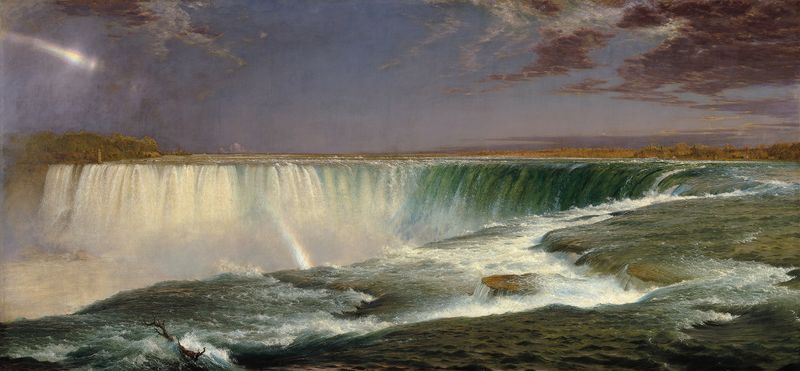
Niagara
Frederic Edwin Church
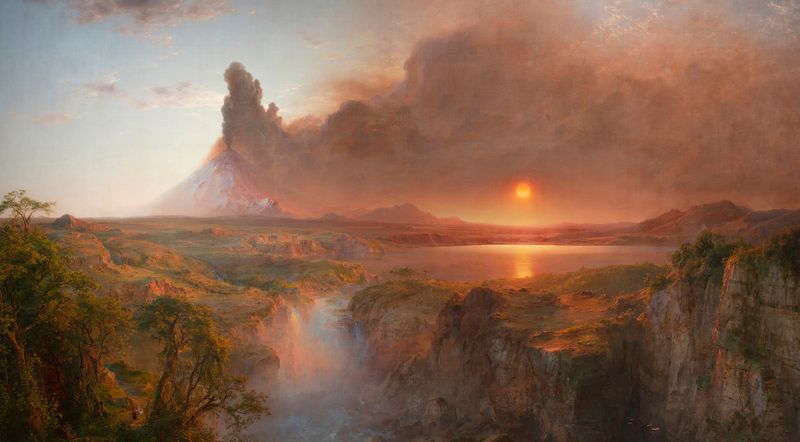
Cotopaxi
Frederic Edwin Church
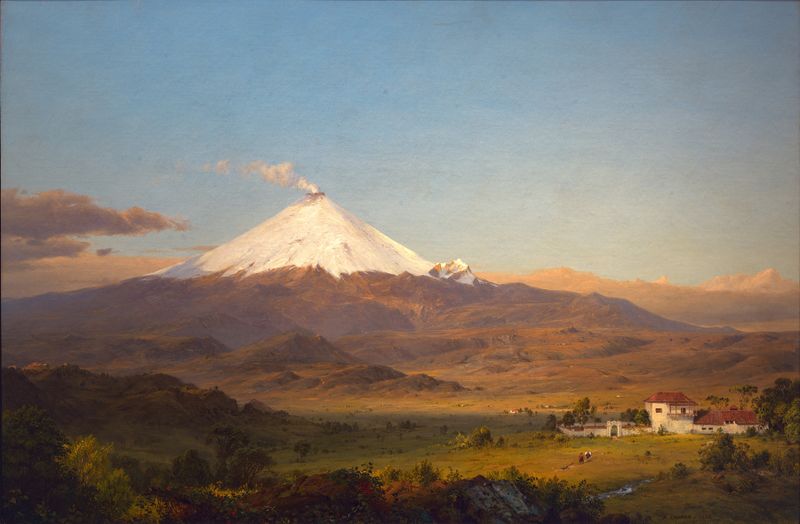
Cotopaxi
Frederic Edwin Church
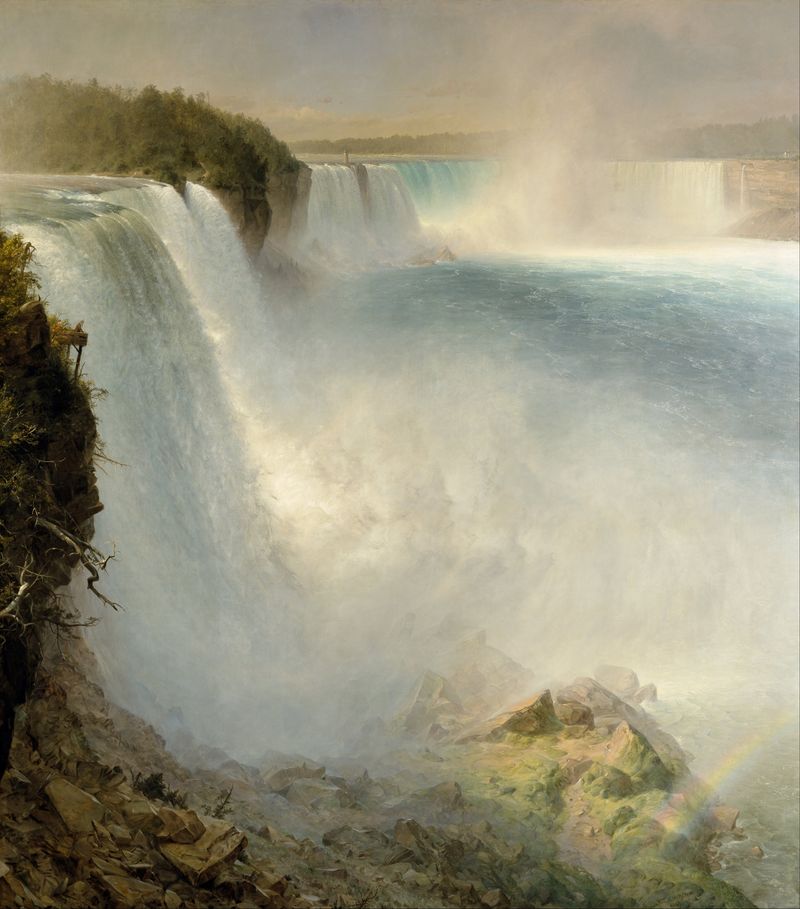
Niagara Falls, from the American Side
Frederic Edwin Church
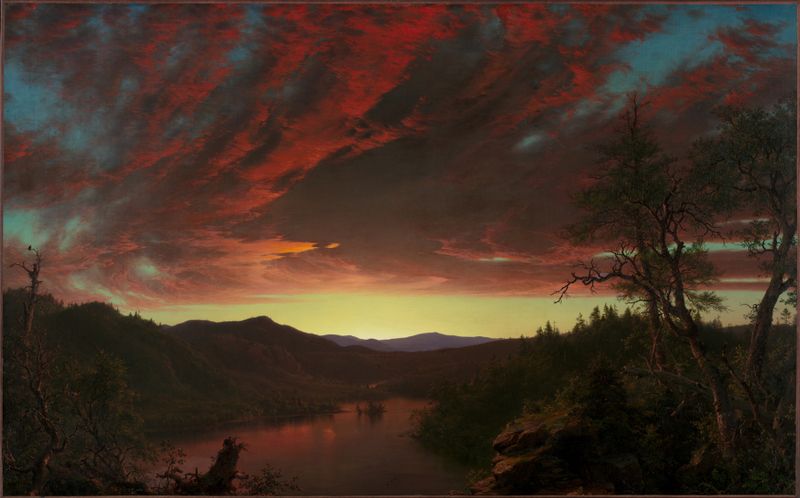
Twilight in the Wilderness
Frederic Edwin Church
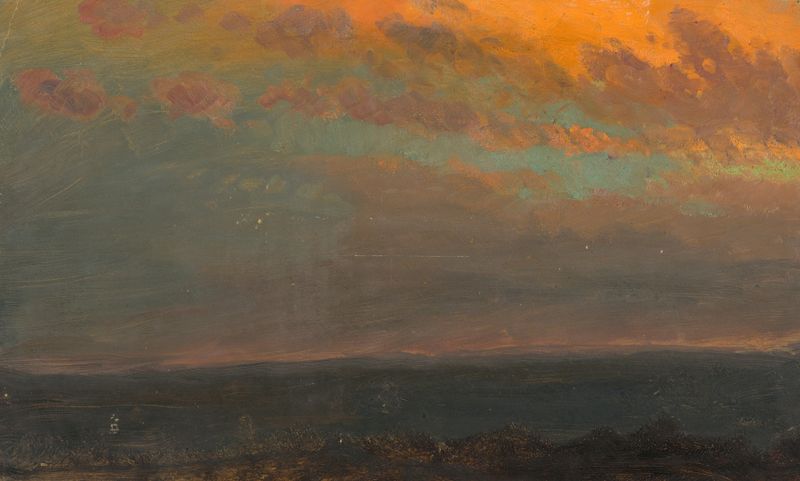
Hudson Valley at Sunset
Frederic Edwin Church
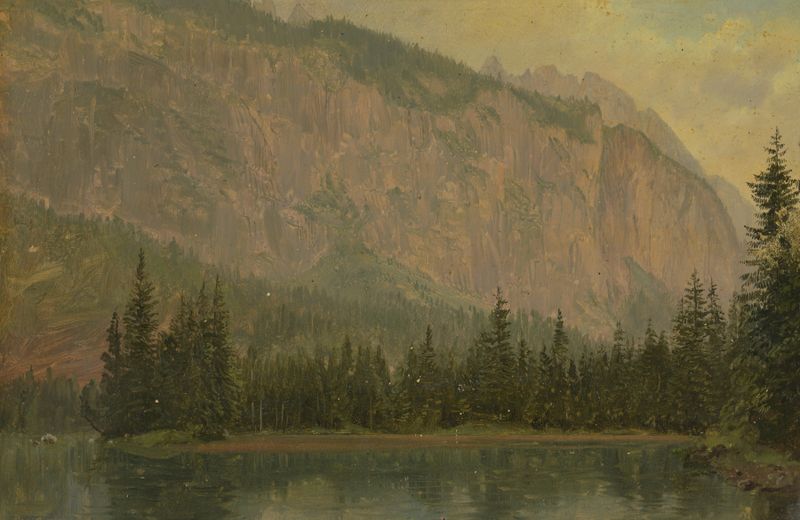
The Hintersee, near Berchtesgaden, Bavaria
Frederic Edwin Church
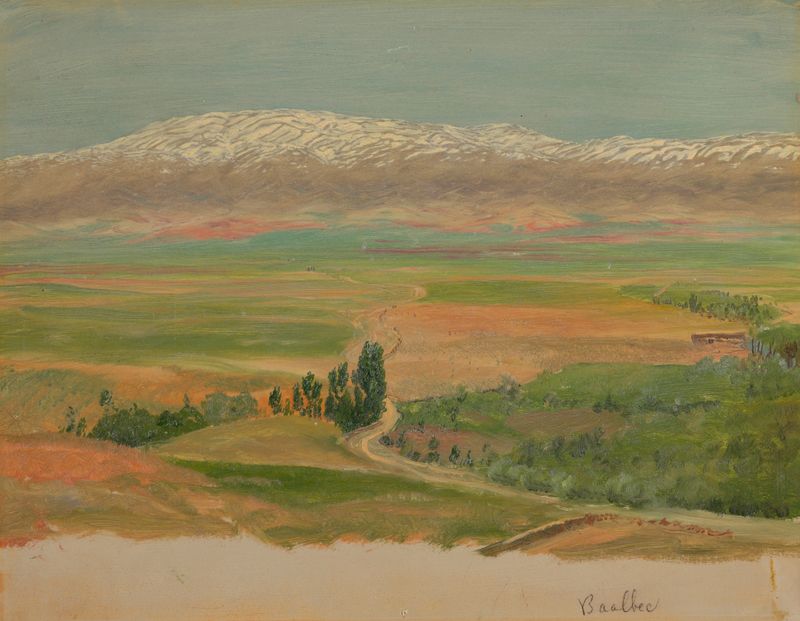
Mountains near Baalbec
Frederic Edwin Church
Aurora Borealis
Frederic Edwin Church
Cotopaxi
Frederic Edwin Church





