
Landscape VII — History & Facts
In the vast expanse of a dreamscape, the soul wanders through a realm where nature embraces the imagination, unfolding with ethereal beauty. Begin by focusing on the horizon, where the soft blues and greens intermingle, creating a seamless transition between earth and sky. Notice how the brushstrokes dance delicately, suggesting the rustle of leaves and the caress of a gentle breeze. The vibrant hues of the foreground draw the eye into the scene, inviting deeper contemplation, while the misty background hints at an unreachable distance, a dream that beckons yet remains elusive. Within the layers of color lie emotional undertones, each shade whispering secrets of tranquility and longing.
The juxtaposition of the detailed foliage with the hazy background reflects the tension between the known and the unknown, urging viewers to ponder what lies beyond their perception. This tension encapsulates the idea of dreams—beautiful yet ephemeral, a fleeting glimpse into a world rich with possibility. Painted in 1865, this work emerged during a period of personal and artistic transformation for its creator. Church was deeply engaged in the Hudson River School movement, capturing the American landscape with unprecedented intensity and detail.
As he navigated the changing art world, he embraced the Romantic ideals of the sublime, positioning himself at the forefront of a new artistic vision that sought to bridge nature and human emotion.
More Artworks by Frederic Edwin Church
Browse all →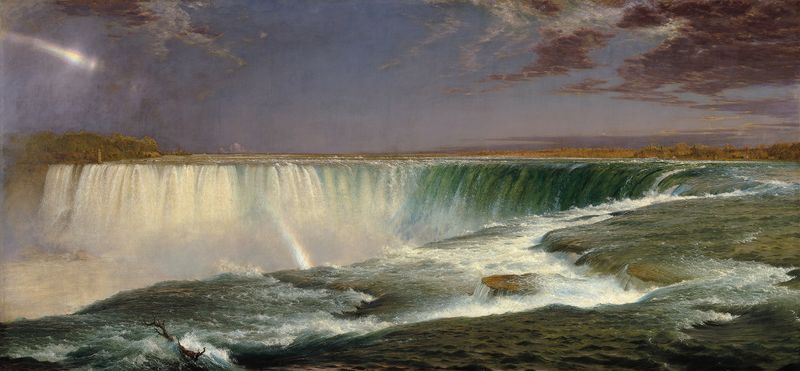
Niagara
Frederic Edwin Church
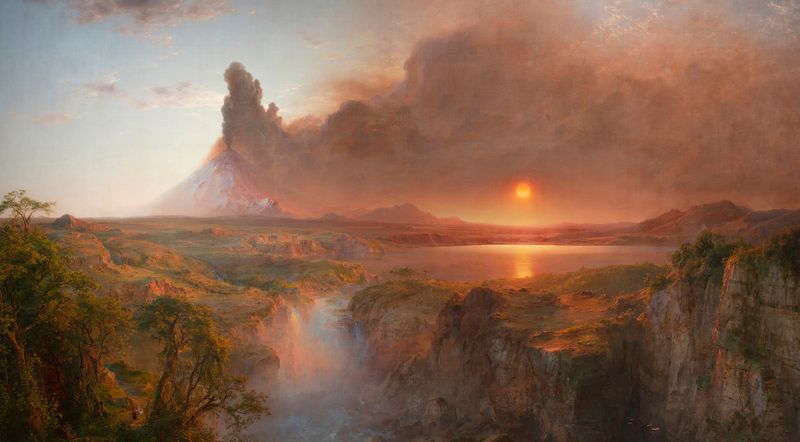
Cotopaxi
Frederic Edwin Church
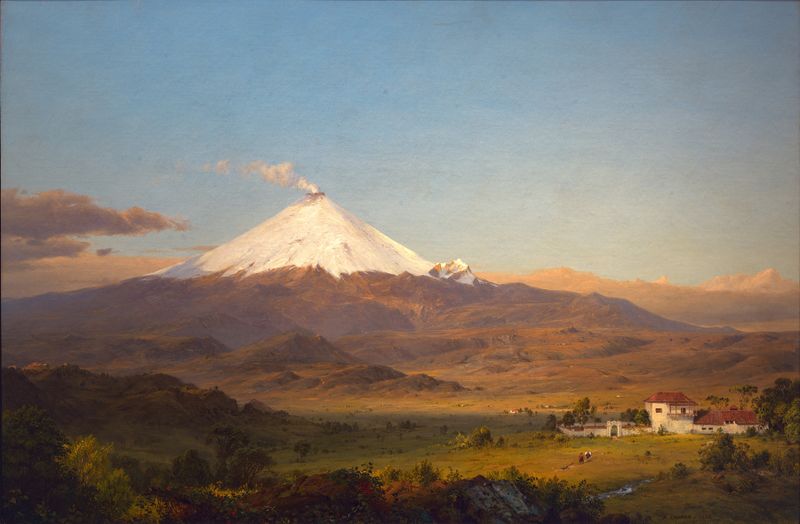
Cotopaxi
Frederic Edwin Church
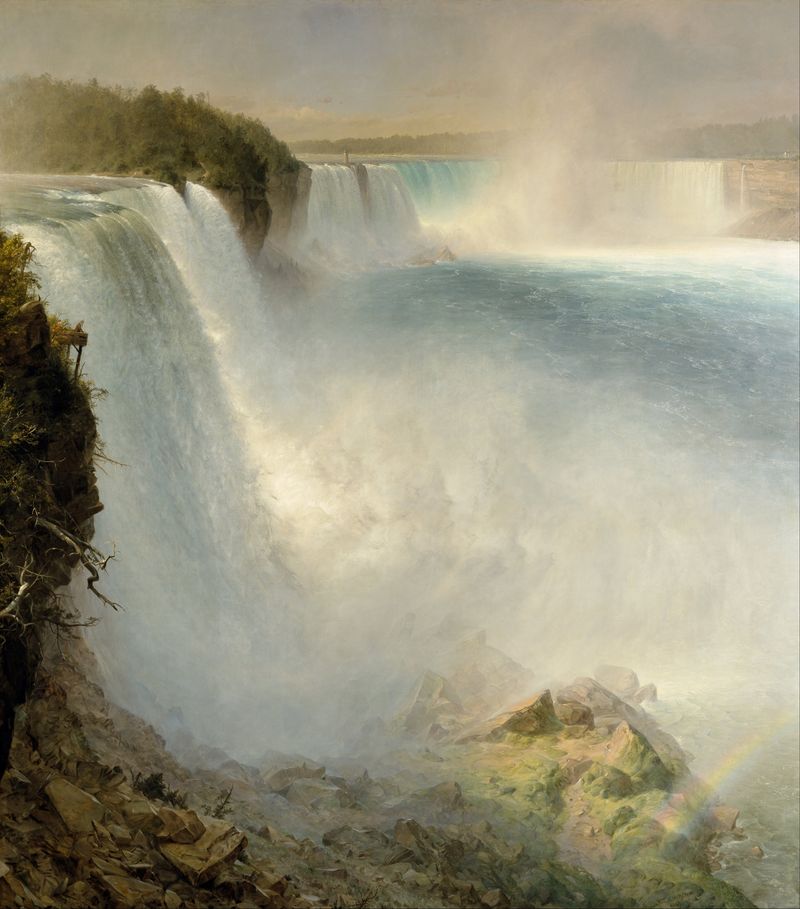
Niagara Falls, from the American Side
Frederic Edwin Church
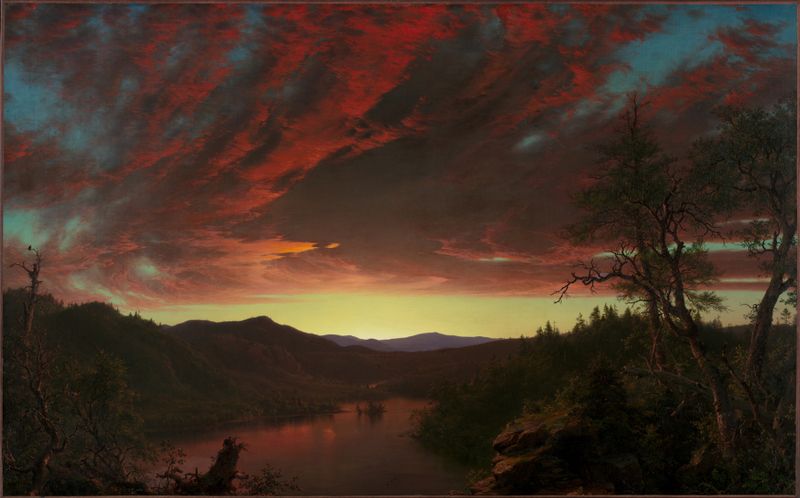
Twilight in the Wilderness
Frederic Edwin Church
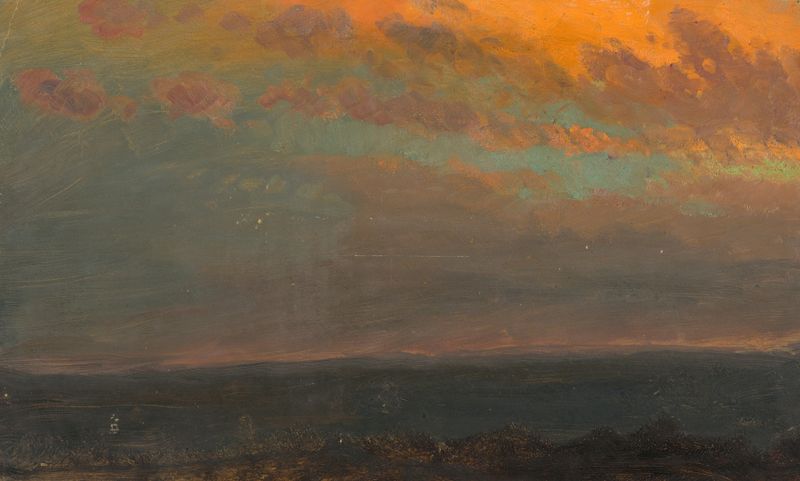
Hudson Valley at Sunset
Frederic Edwin Church
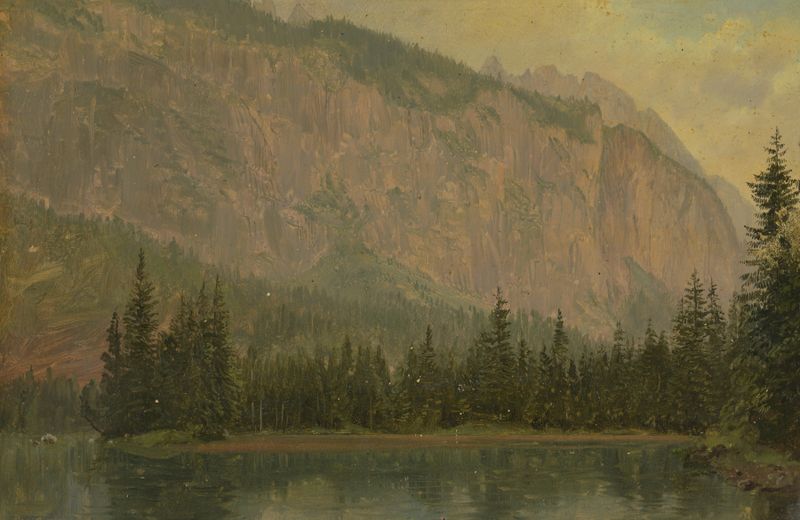
The Hintersee, near Berchtesgaden, Bavaria
Frederic Edwin Church
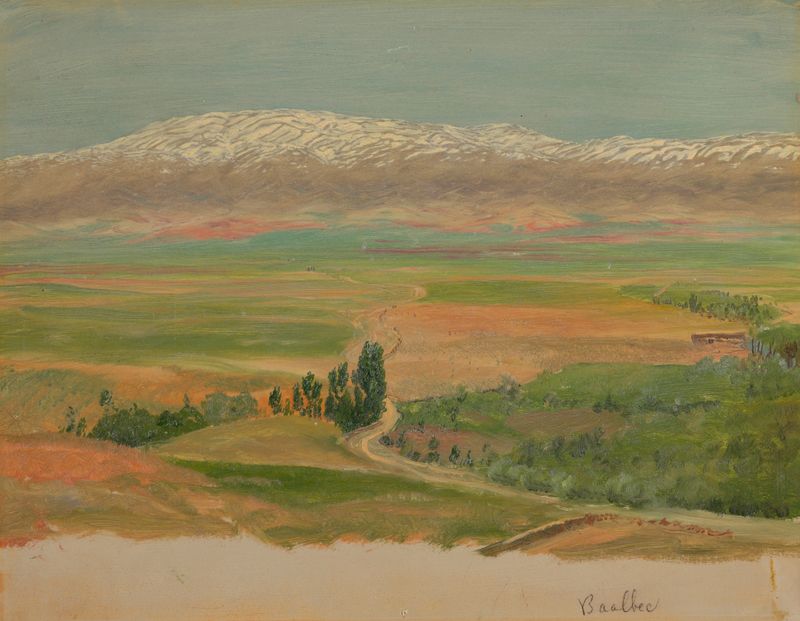
Mountains near Baalbec
Frederic Edwin Church
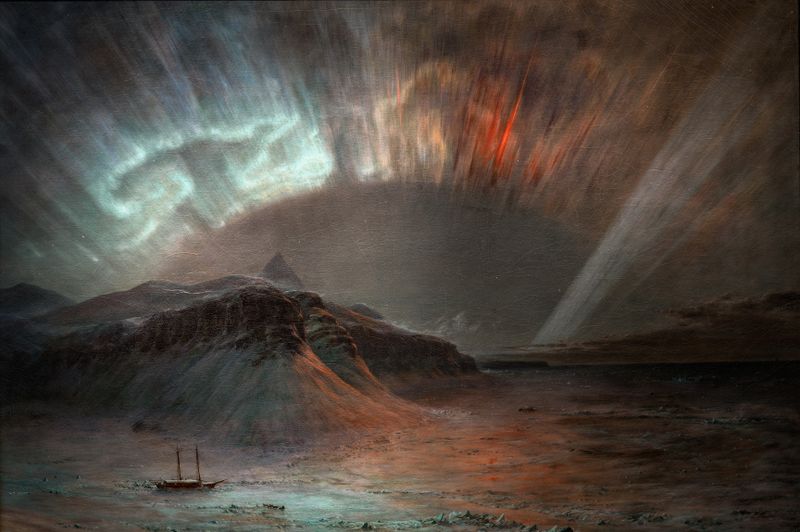
Aurora Borealis
Frederic Edwin Church
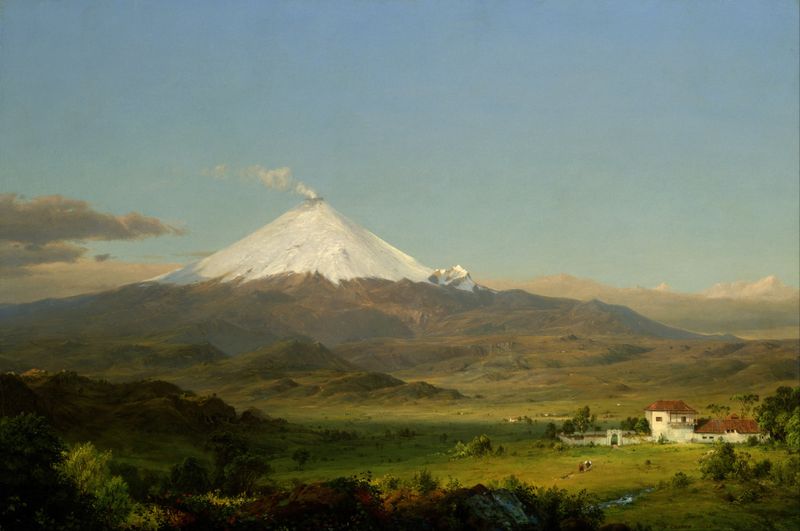
Cotopaxi
Frederic Edwin Church





