
Landscape VIII — History & Facts
The weight of this notion hangs palpably in the air, as light dances across the canvas, crafting a space that feels both sacred and profound. In the realm of artistry, light transcends mere illumination; it becomes a conduit for emotion, a silent witness to the stories waiting to unfold. Look to the center, where a radiant sun spills its golden light over a sprawling landscape, creating a vivid tapestry of colors and textures. Notice how the artist skillfully combines rich greens and deep browns to depict the land, contrasting them with the brilliant hues of the sky.
The meticulous brushwork in the clouds evokes a sense of movement, while the vibrant reflections on the water capture a moment caught between stillness and dynamism. This striking use of light not only defines the physical elements but also conjures an atmosphere teeming with life. Yet, within this harmonious landscape lies an undercurrent of tension. The interplay of light and shadow invites contemplation of nature's beauty and its immutable cycles.
The lingering silhouettes of trees suggest both stability and fragility, hinting at the duality of existence—tranquility shrouded in a whisper of impending change. This tension resonates with the viewer, reminding us that silence can conceal both assurance and uncertainty. Frederic Edwin Church created Landscape VIII in 1865, a period marked by significant advancements in landscape painting and the Hudson River School's exploration of nature. During this time, Church sought to capture the sublime qualities of nature, reflecting both his artistic ambitions and the societal fascination with the American wilderness.
With the Civil War's shadow looming, the painting serves as a reminder of the solace that nature can offer amidst turmoil, embodying the hope and complexity of the era.
More Artworks by Frederic Edwin Church
Browse all →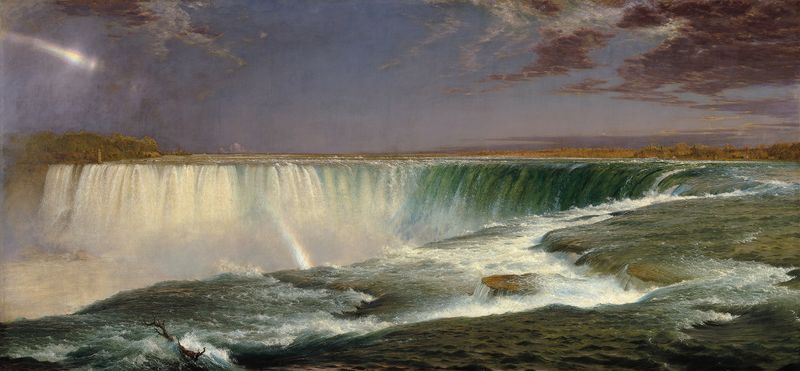
Niagara
Frederic Edwin Church
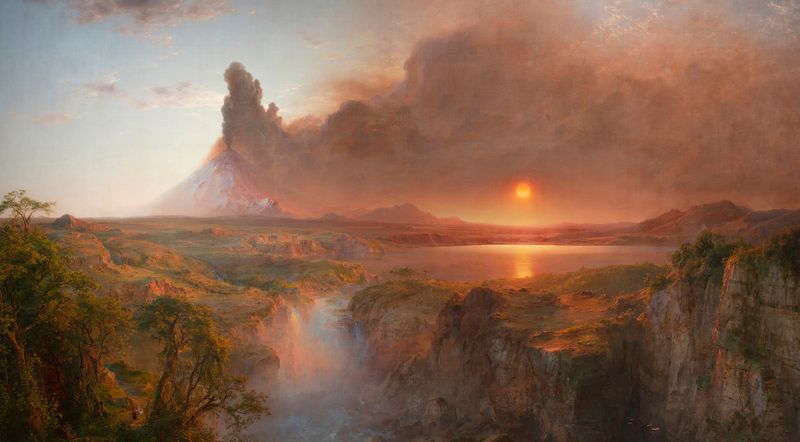
Cotopaxi
Frederic Edwin Church
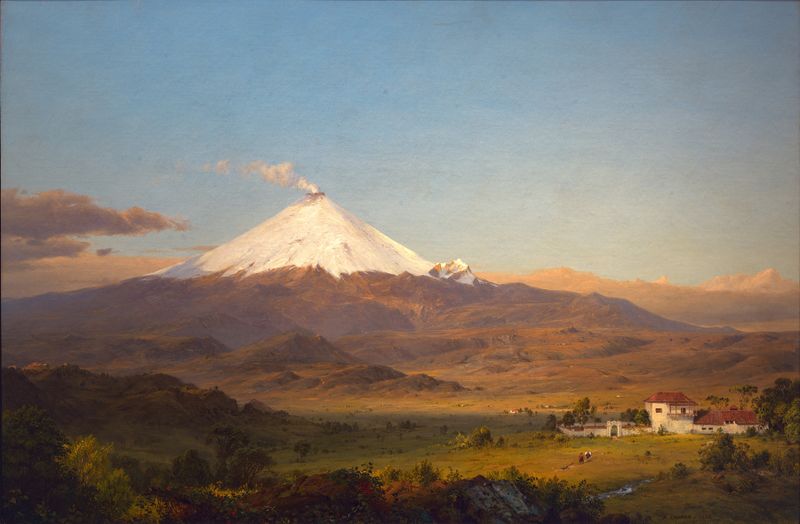
Cotopaxi
Frederic Edwin Church
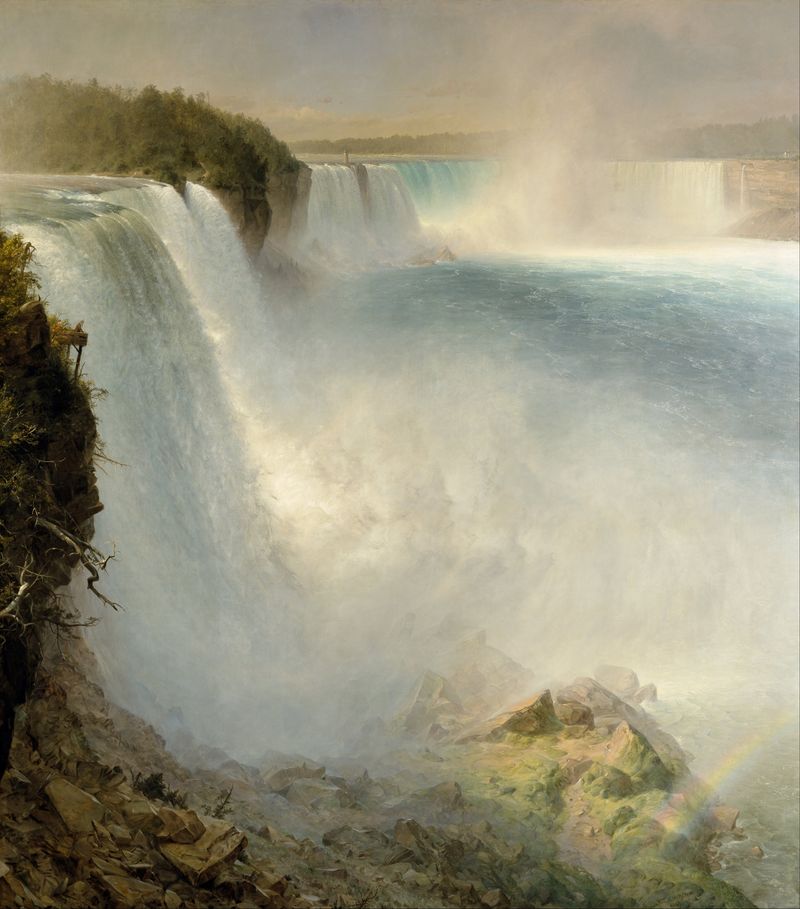
Niagara Falls, from the American Side
Frederic Edwin Church
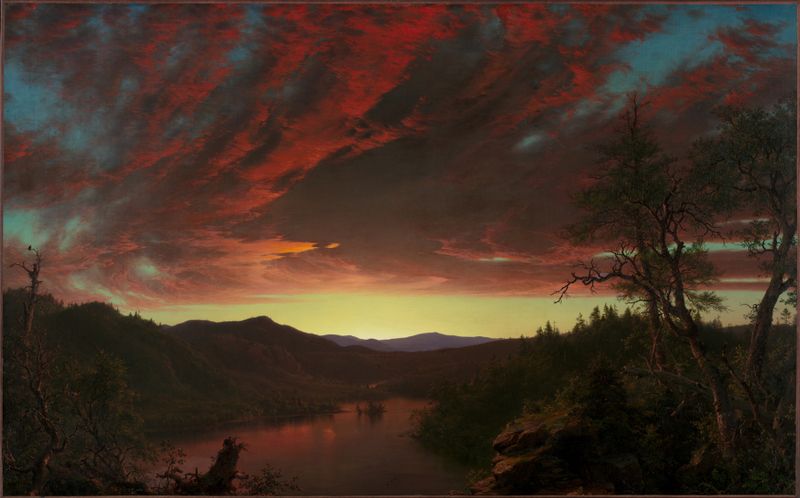
Twilight in the Wilderness
Frederic Edwin Church
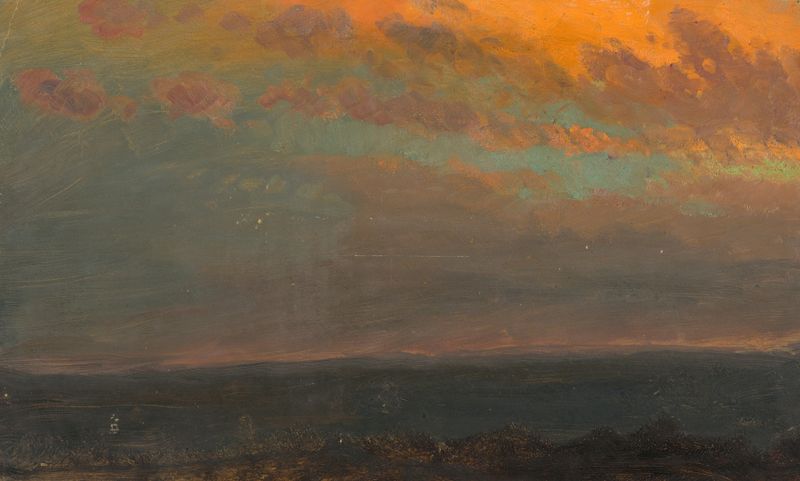
Hudson Valley at Sunset
Frederic Edwin Church
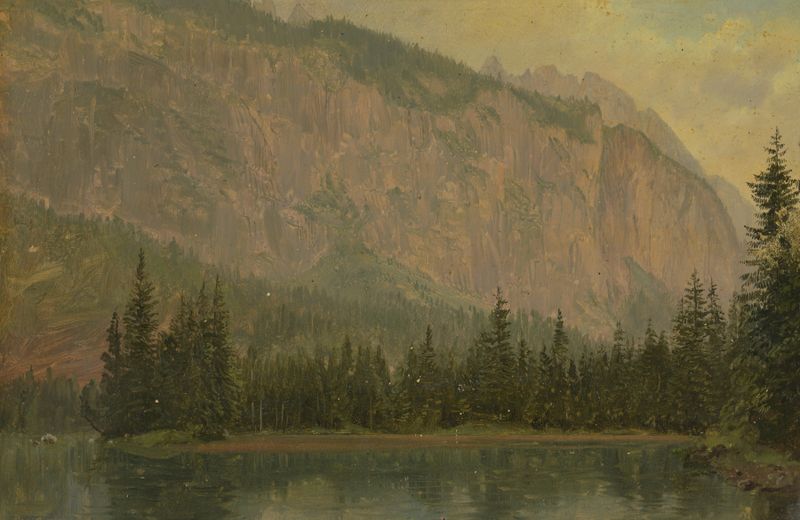
The Hintersee, near Berchtesgaden, Bavaria
Frederic Edwin Church
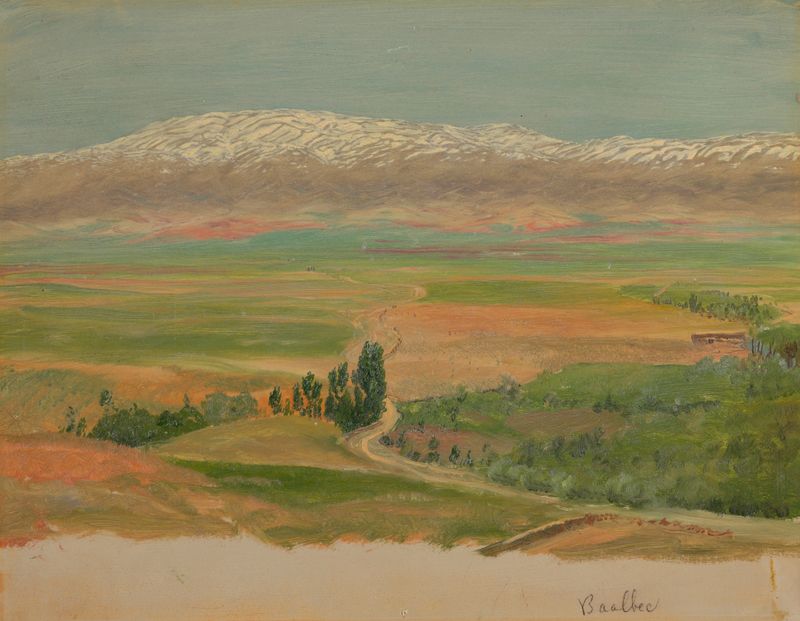
Mountains near Baalbec
Frederic Edwin Church
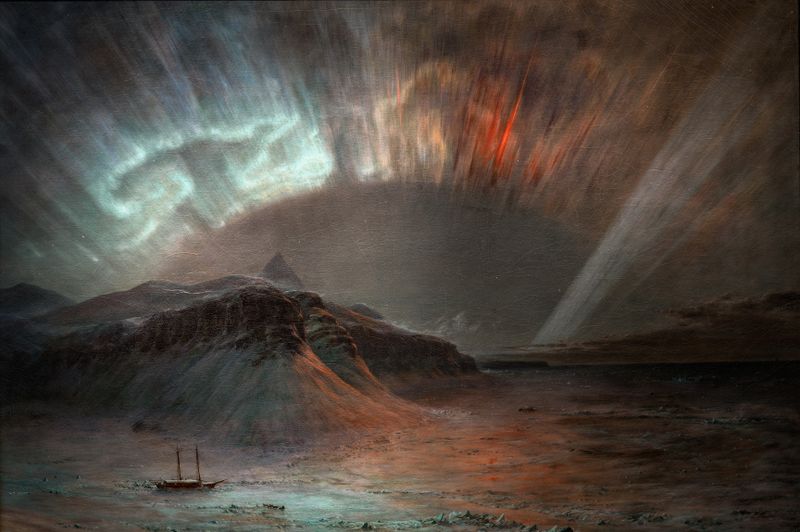
Aurora Borealis
Frederic Edwin Church
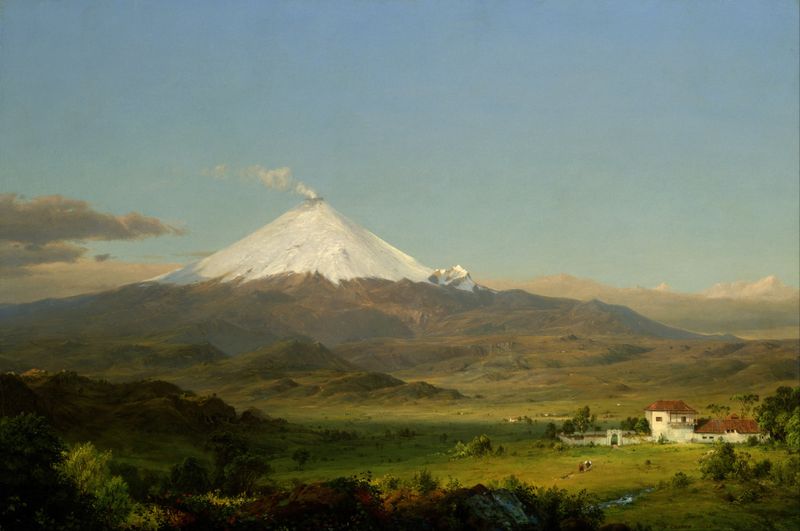
Cotopaxi
Frederic Edwin Church





