
Landscape with a Castle and a Bridge — History & Facts
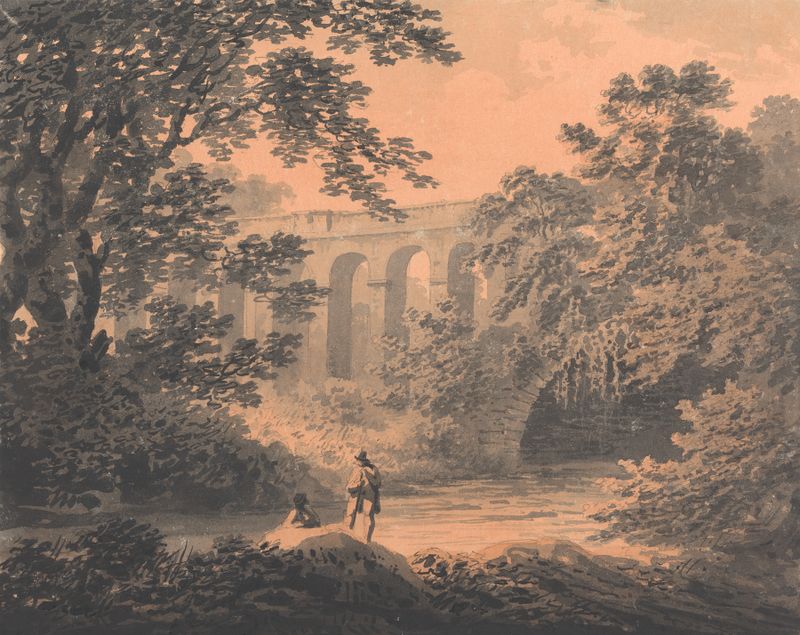
Who listens when art speaks of silence? In Landscape with a Castle and a Bridge, the interplay of shadow and light creates a dialogue of tranquility that transcends mere observation. Focus on the foreground where the carefully rendered bridge arcs gracefully, inviting you to traverse the landscape. Notice how the soft hues of greens and browns converge beneath the weight of the castle perched upon the rocky cliff. The artist’s brushwork reveals a gentle blending of colors, capturing the subtle variations of nature.
The shadows stretch long and soft, guiding your gaze across the serene waters below, reflecting a world both alive and yet profoundly still. Beneath the calm surface lies a tension between the grandeur of the castle and the fragility of the natural surroundings. The imposing structure stands as a symbol of human ambition, while the gentle ripples in the water suggest the passage of time and nature's enduring presence. This contrast evokes a sense of introspection, prompting viewers to consider their own stories against the backdrop of history.
The shadows play a crucial role, reminding us that every light casts a darkness, reflecting the duality of existence. Created between 1745 and 1748 during a period of burgeoning interest in landscapes, the artist was influenced by the early Romantic ideals that celebrated nature. It was a time when artists began to reject the rigid constraints of academic tradition, exploring emotional connections to their subjects. Gilpin’s work emerged amid these shifts, revealing a deepening appreciation for the natural world and its quiet yet compelling narratives.
More Artworks by William Gilpin
Browse all →
Bridgnorth Bridge, Shropshire
William Gilpin
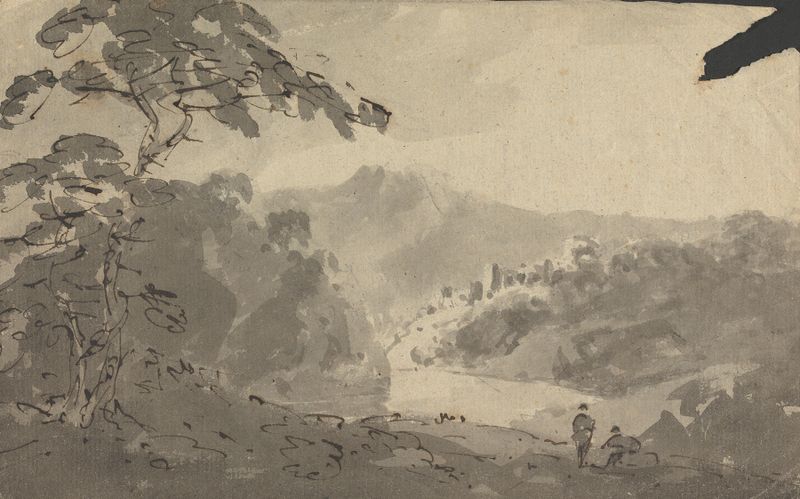
Two Men Looking Into Landscape with Castle, River and Mountain Scene
William Gilpin
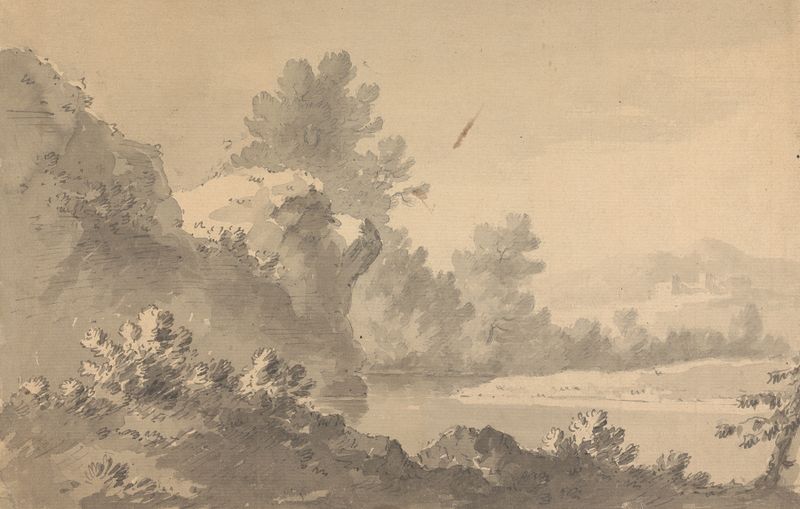
River Landscape with Castle in the Distance
William Gilpin
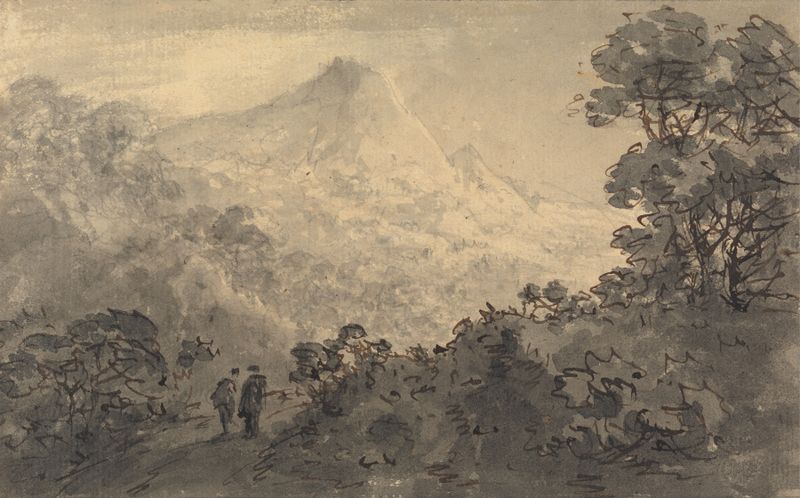
Snowdon
William Gilpin

Hilly Landscape
William Gilpin
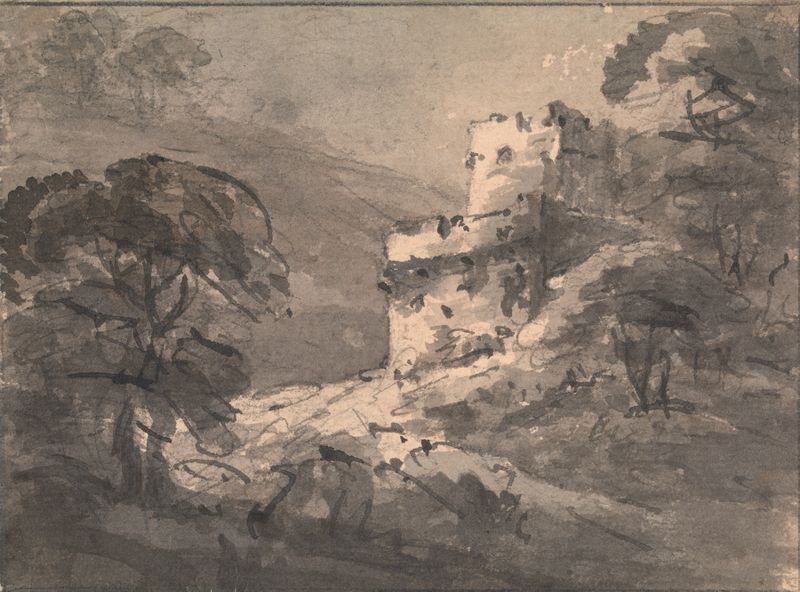
Landscape with a Ruined Castle on the Right
William Gilpin

Mountainous Landscape with Trees – High Crags to the Right
William Gilpin

View of Castle Ruin
William Gilpin
Bridge on the Malton Road from York
William Gilpin

Landscape with Two Trees and Castle
William Gilpin





