
Landscape with a Church, Houses and a Mill — History & Facts
Could beauty survive in a century of chaos? Landscape with a Church, Houses and a Mill offers a serene answer, inviting contemplation on the delicate balance between tranquility and tumult. As urban life burgeoned and political upheaval stirred the hearts of many, Canaletto’s canvas serves as a refuge, echoing the longing for a simpler, untroubled existence. Look to the left at the church, its steeple reaching confidently towards the sky. Notice how the warm, golden light bathes the facade, illuminating both its architectural intricacies and the textured greenery surrounding it.
The gentle rustle of leaves and the soft ripples on the water, depicted with meticulous brushwork, draw you further into the scene, while the stagnant mill stands quietly, embodying a sense of timelessness against the backdrop of change. The soft pastel hues of the homes create a harmonious palette that reflects warmth and nostalgia. Delve deeper, and you’ll uncover layers of emotional tension—between nature and human existence, stillness and movement. The mill, a symbol of industrious persistence, contrasts with the inviting calm of the church, suggesting a coexistence of different rhythms of life.
Meanwhile, the absence of figures allows viewers to project their own reflections onto the scene, making it a personal echo of nostalgia for the past and hope for the future. In the 18th century, when Canaletto painted this work, he was deeply entrenched in the artistic evolution of Venice, navigating the influences of both the Baroque and emerging Rococo movements. During this period, he experienced personal success and increased demand for his vibrant urban landscapes, while the backdrop of European Enlightenment fostered a burgeoning appreciation for nature and architecture—elements masterfully woven into his serene portrayals.
More Artworks by Canaletto
Browse all →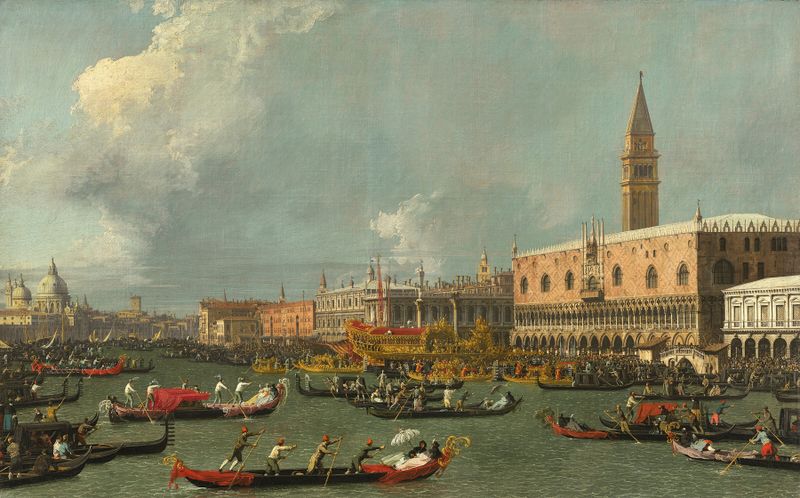
Venice, the Return of the Bucintoro on Ascension Day
Canaletto
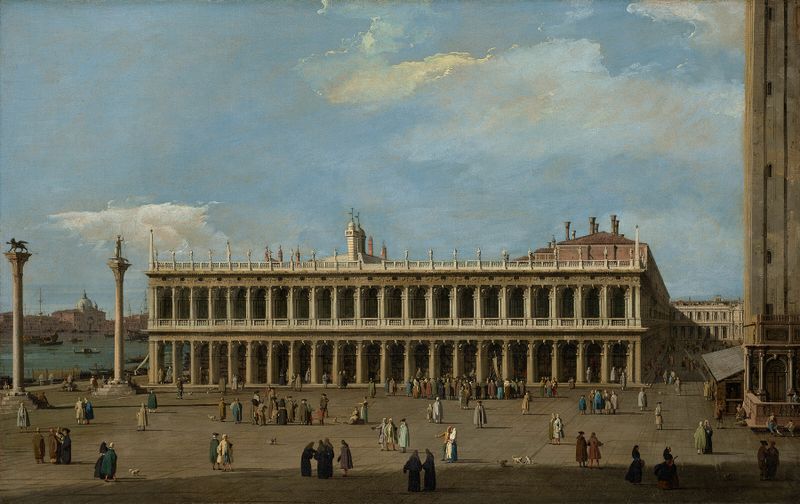
Venice, the Piazzetta, looking west, with the Libreria
Canaletto
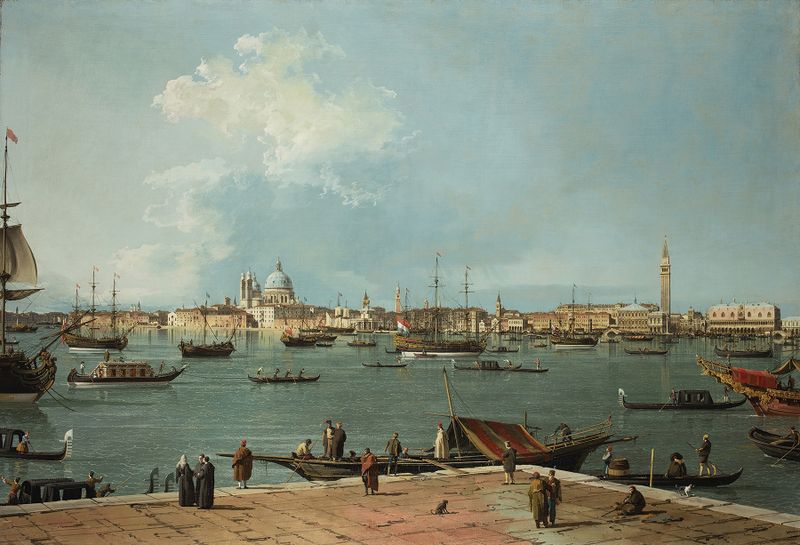
Venice, the Bacino di San Marco from San Giorgio Maggiore
Canaletto
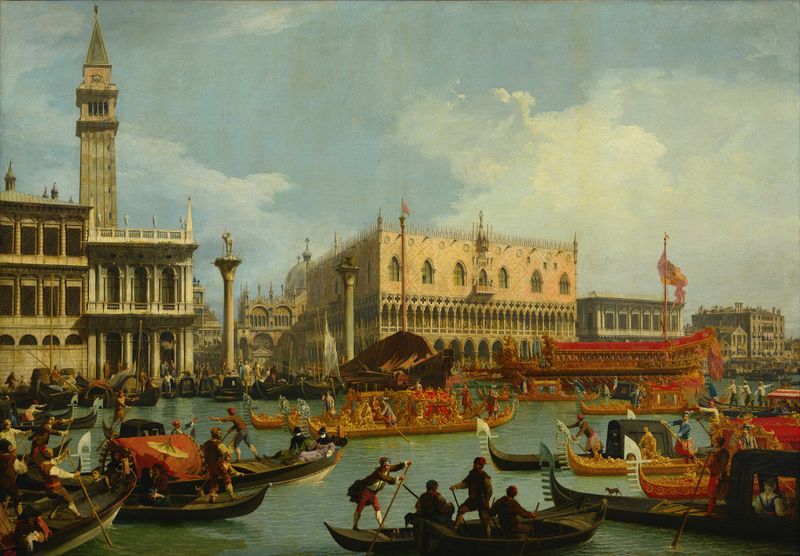
The Bucintore Returning to the Molo on Ascension Day
Canaletto
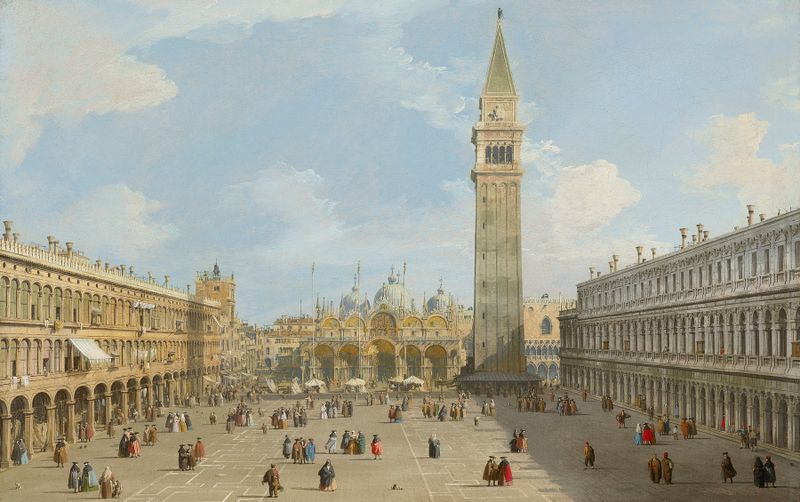
The Piazza San Marco, Venice, looking east towards the basilica
Canaletto
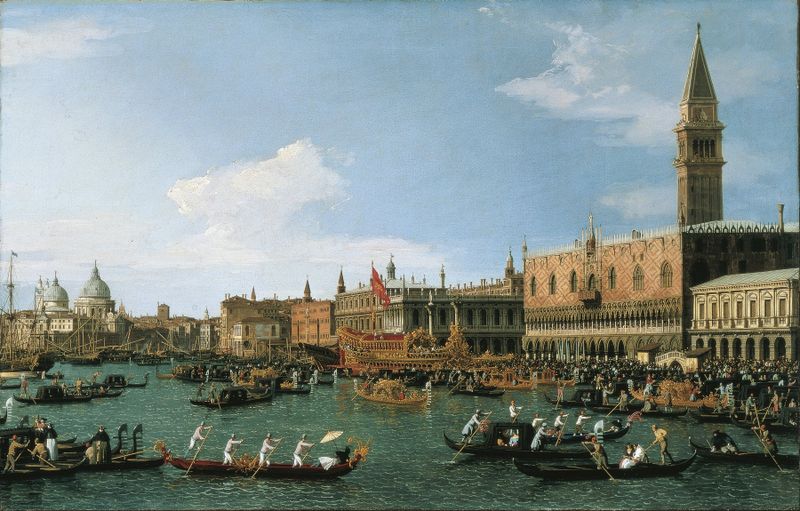
Return of ‘Il Bucintoro’ on Ascension Day
Canaletto
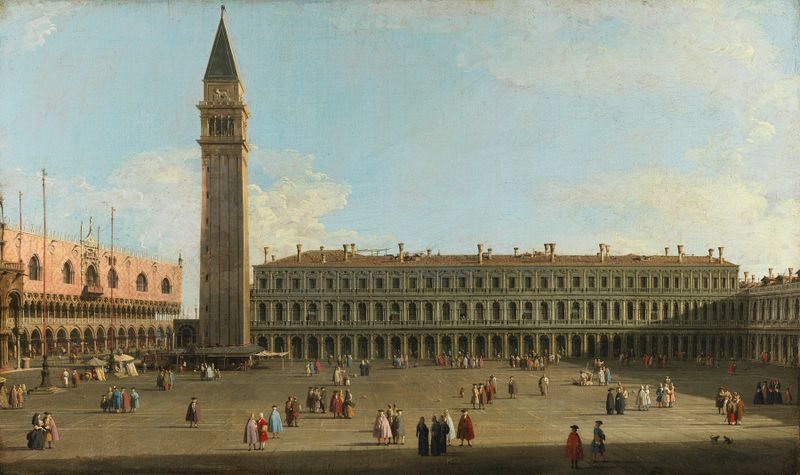
Saint Mark’s Square, Venice
Canaletto
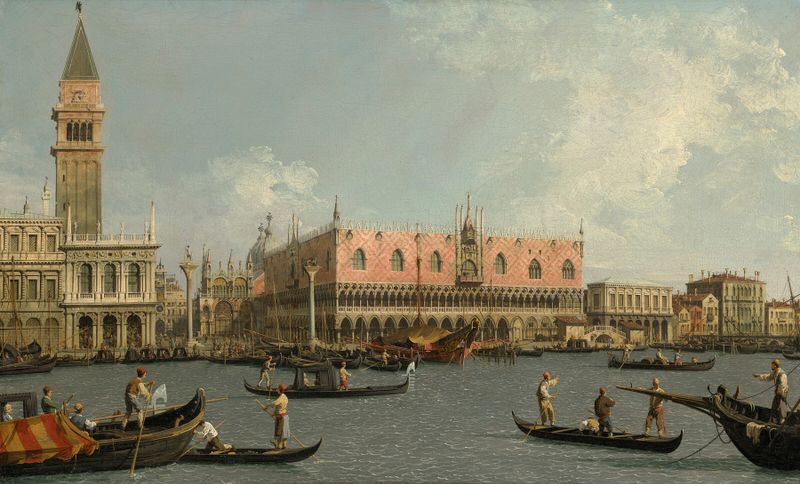
The Molo, with the Piazzetta and the Doge’s Palace, from the Bacino
Canaletto

The Entrance to the Grand Canal, Venice
Canaletto
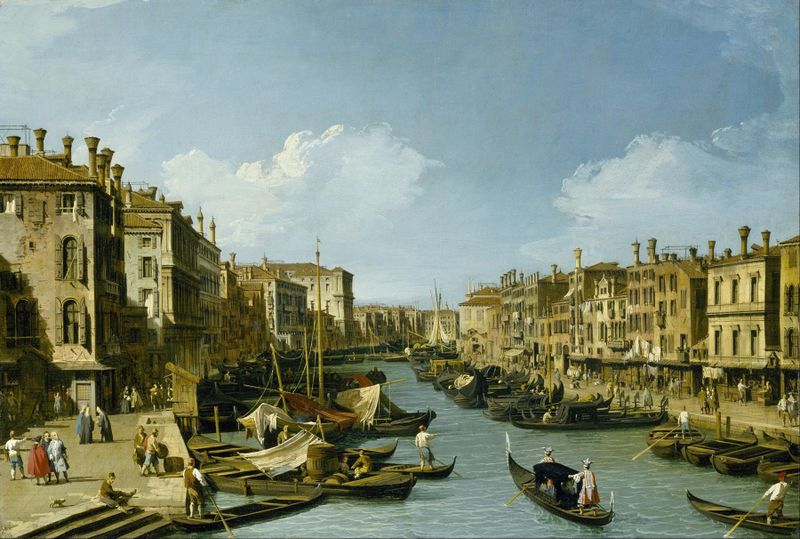
The Grand Canal near the Rialto Bridge, Venice
Canaletto





