
Landscape with a windmill — History & Facts
In this ethereal landscape, the serene windmill stands as a testament to resilience and awakening amidst the whispering fields. Look to the left of the painting, where the windmill's sails are gracefully unfurled, catching the soft caress of the wind. The brushwork is delicate yet assertive, creating a vibrant interplay of greens and yellows that breathe life into the cultivated land. Each stroke reveals the artist's mastery of light, illuminating the scene with a golden hue that dances across the surface, inviting the viewer into a tranquil yet emotionally charged moment. The juxtaposition of the sturdy windmill against the vast, flowing landscape speaks to the balance between nature and human endeavor.
Notice how the clouds, painted in soft whites and grays, suggest a brewing storm, hinting at the emotional turmoil often hidden beneath surface beauty. The gentle swaying of the grass in the foreground contrasts with the firm structure of the windmill, encapsulating the tension between transience and permanence, awakening and slumber. Jan Stanisławski painted this work during a period when Poland was undergoing profound social and political changes. Active in the late 19th and early 20th centuries, he was part of a movement that sought to convey the beauty of the Polish landscape.
His focus on depicting rural life and the natural environment reflected not only personal expression but also a cultural renaissance, contributing to the vibrant art scene of the time.
More Artworks by Jan Stanisławski
Browse all →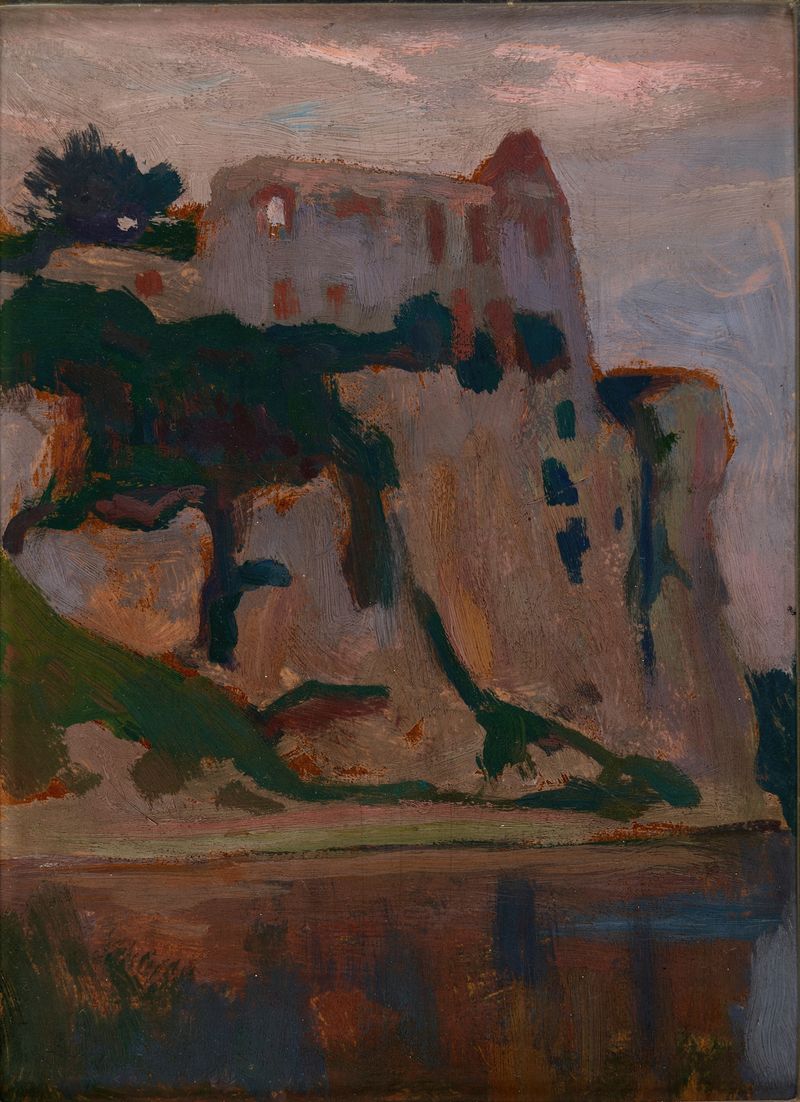
Tyniec at Dawn
Jan Stanisławski
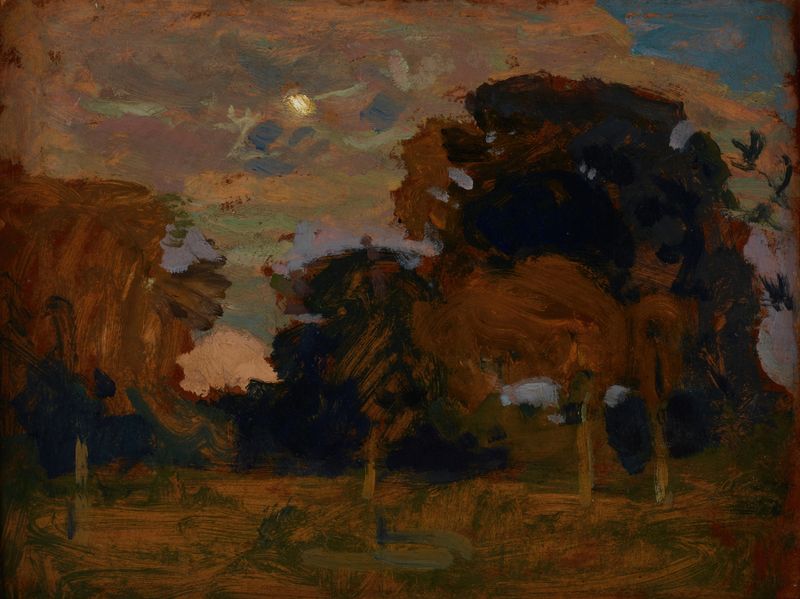
Moon in the Clouds
Jan Stanisławski
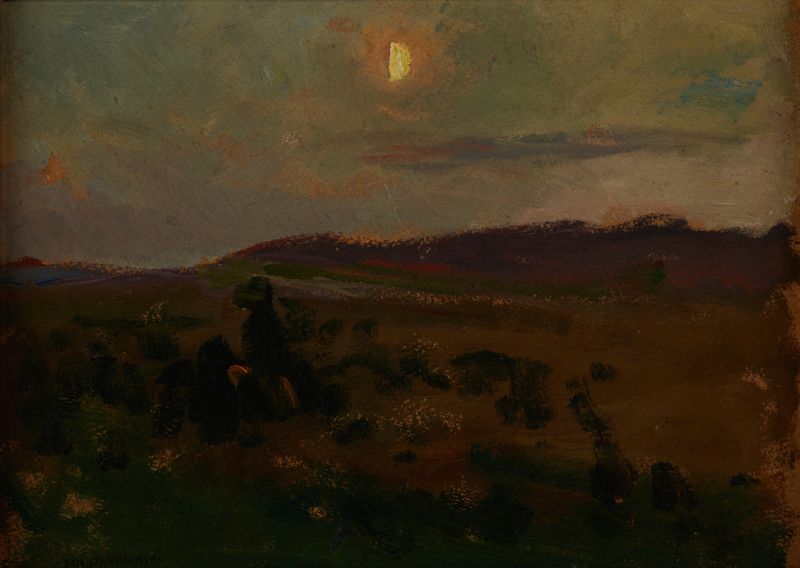
Moonrise
Jan Stanisławski
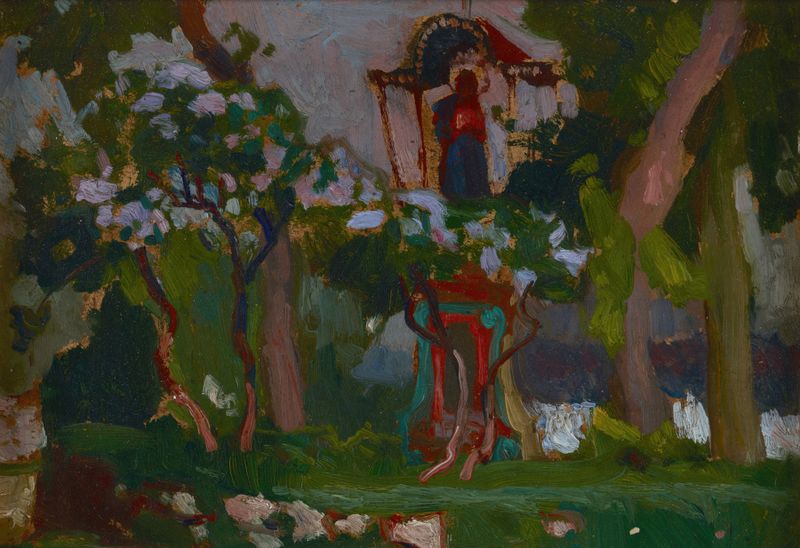
May
Jan Stanisławski
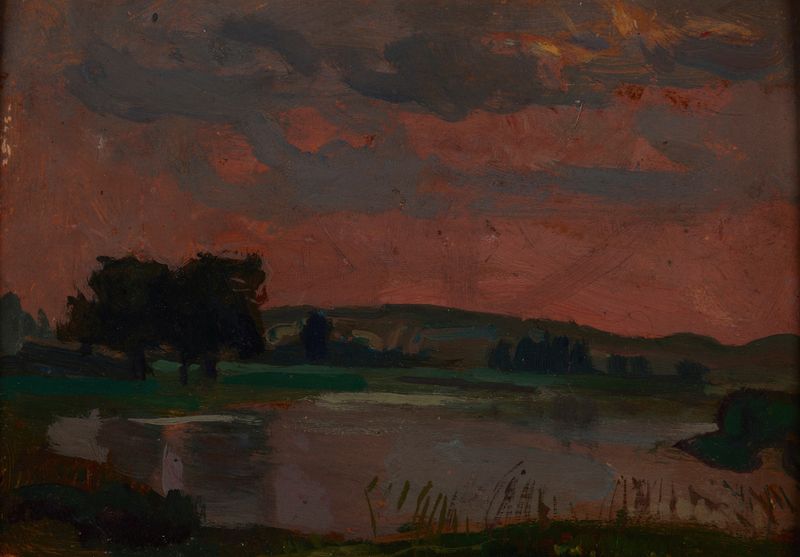
The Vistula in the Twilight
Jan Stanisławski
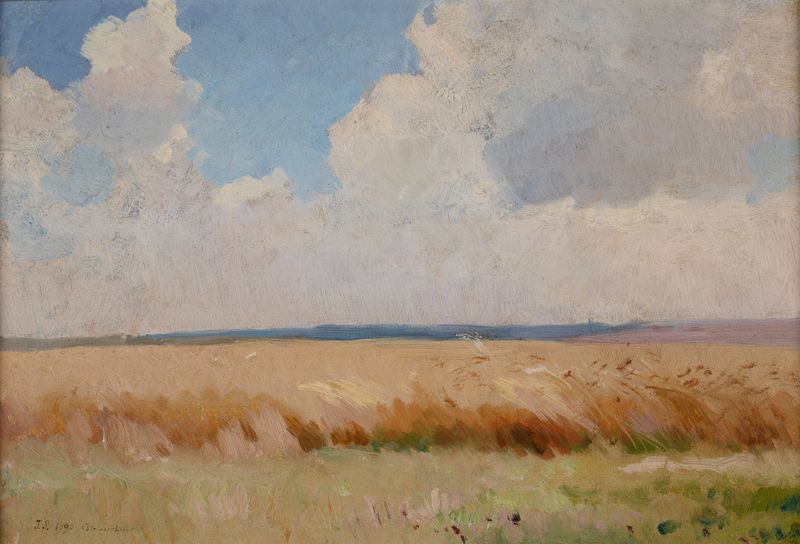
Field at Białocerkiew (Bila Tserkva)
Jan Stanisławski
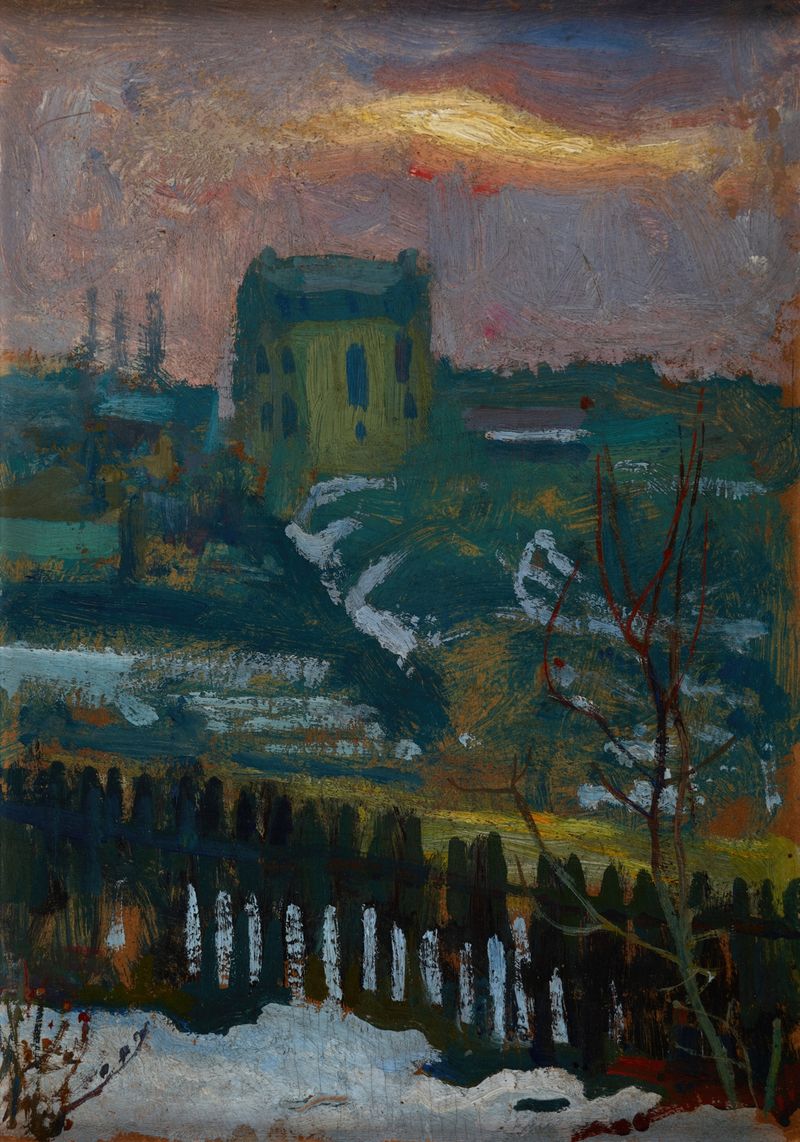
House in Winter
Jan Stanisławski
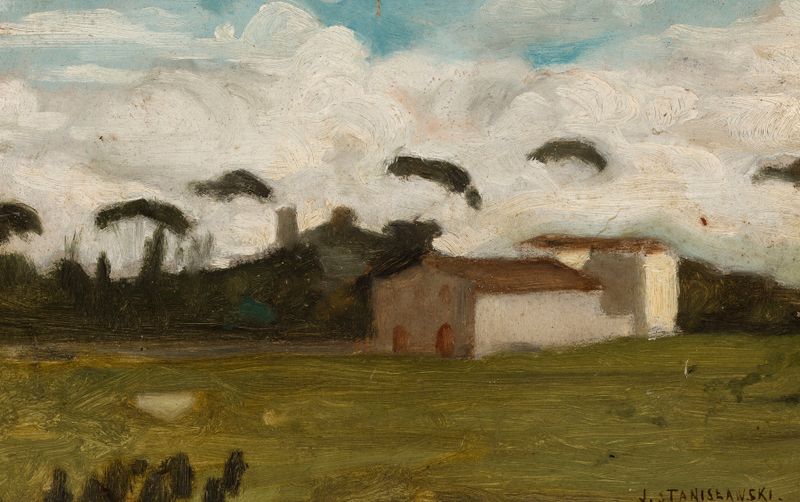
Landscape
Jan Stanisławski
Bielany at Dusk
Jan Stanisławski
Fields at Proszowice
Jan Stanisławski





