Landscape with Canal at Dusk — History & Analysis
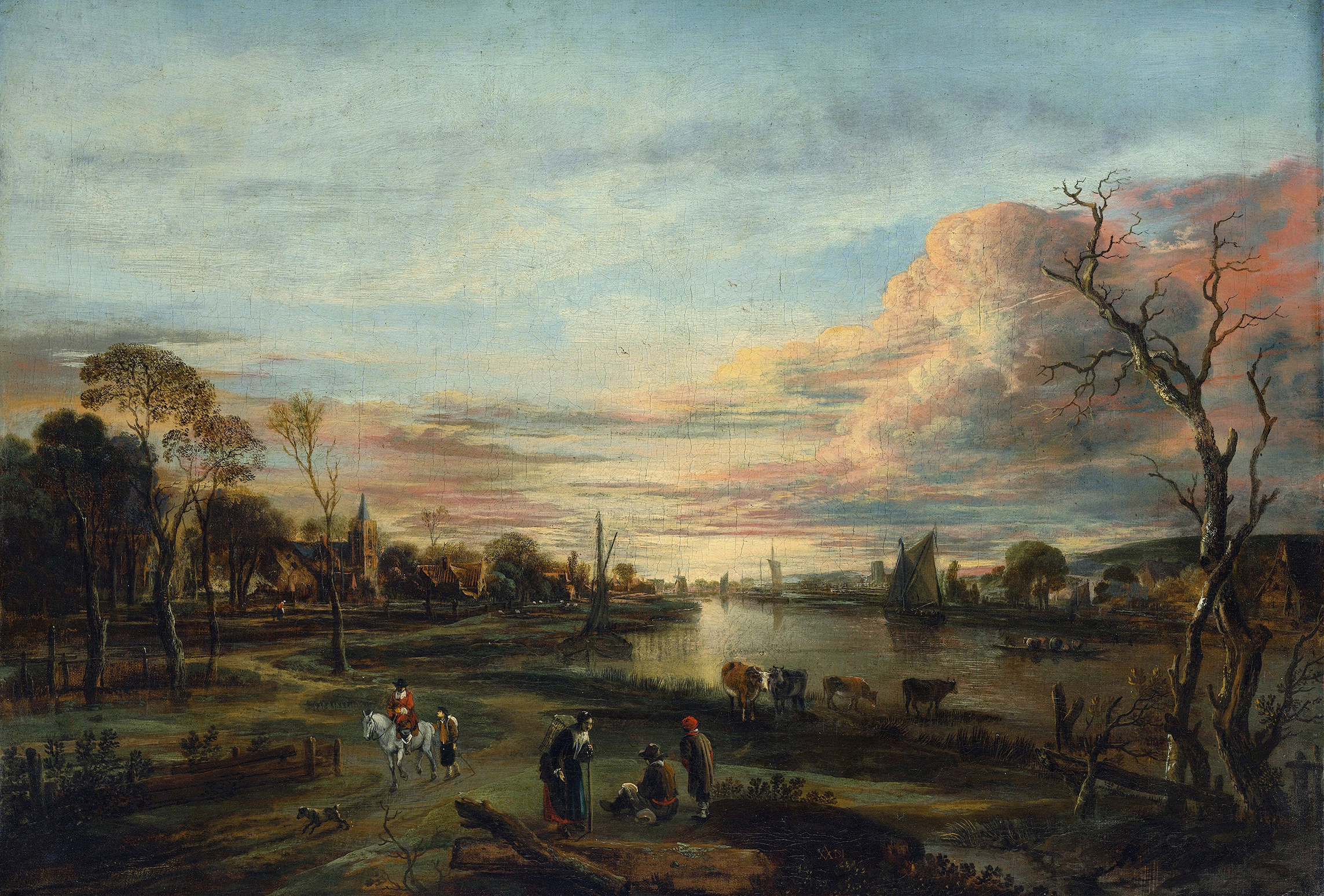
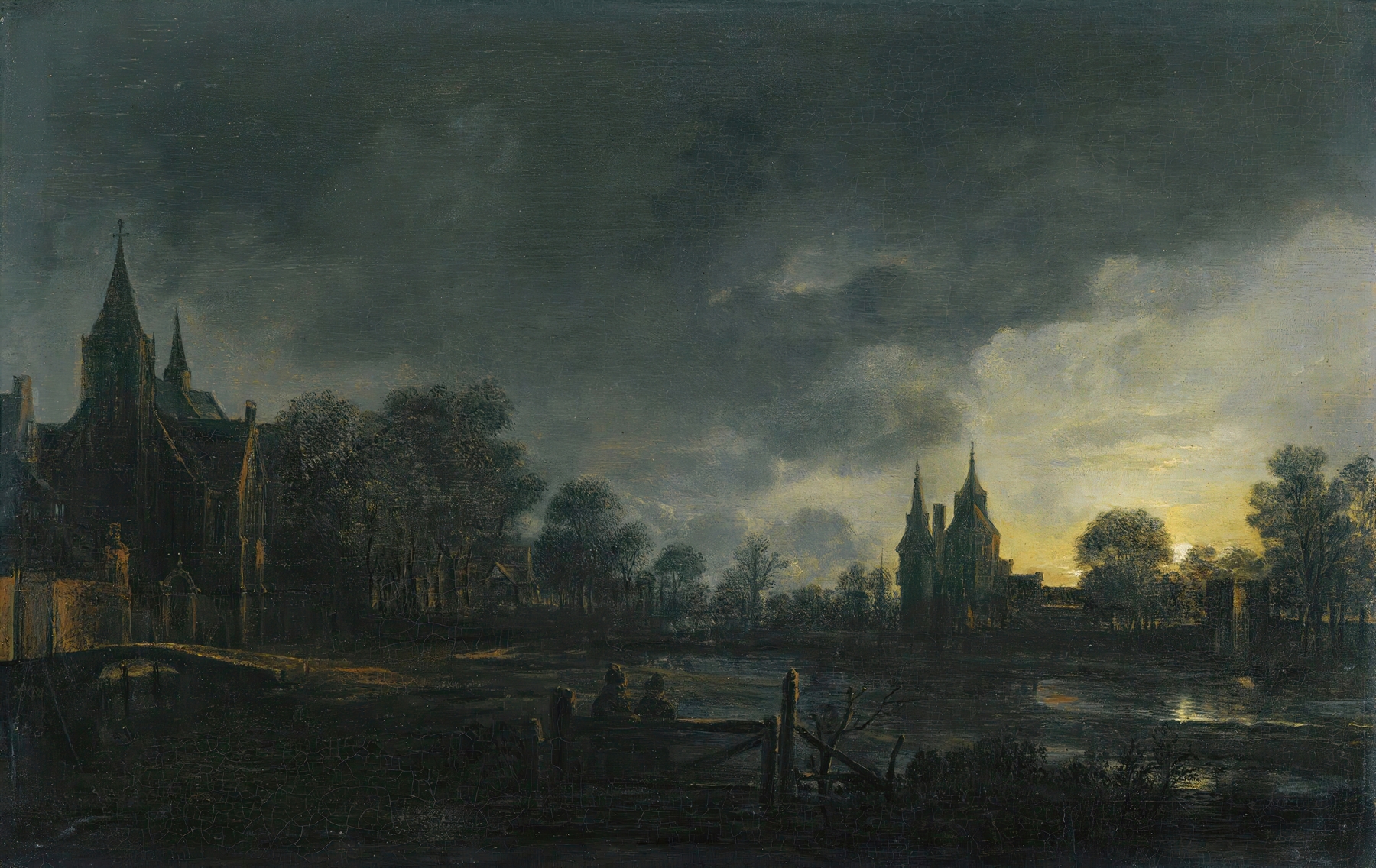
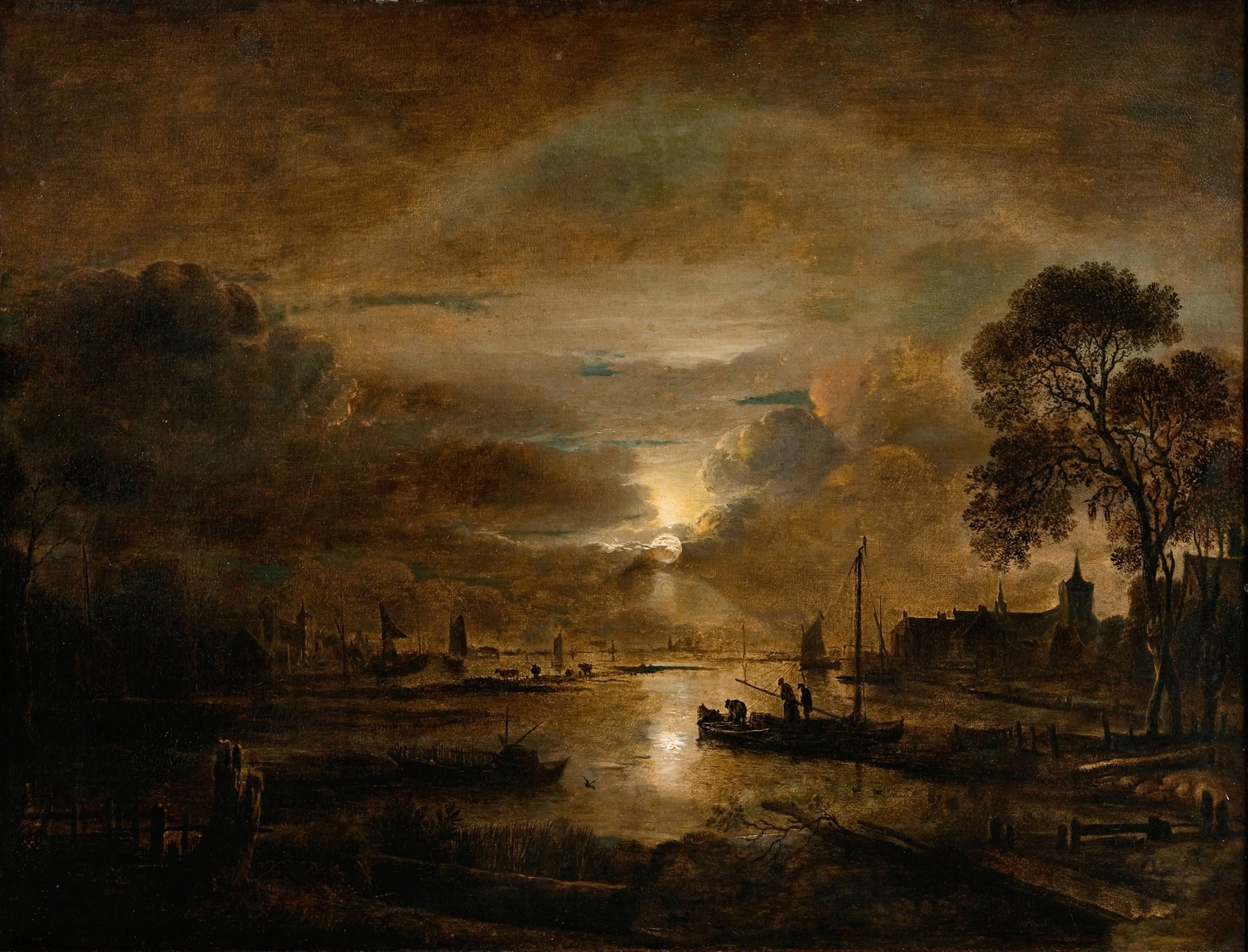
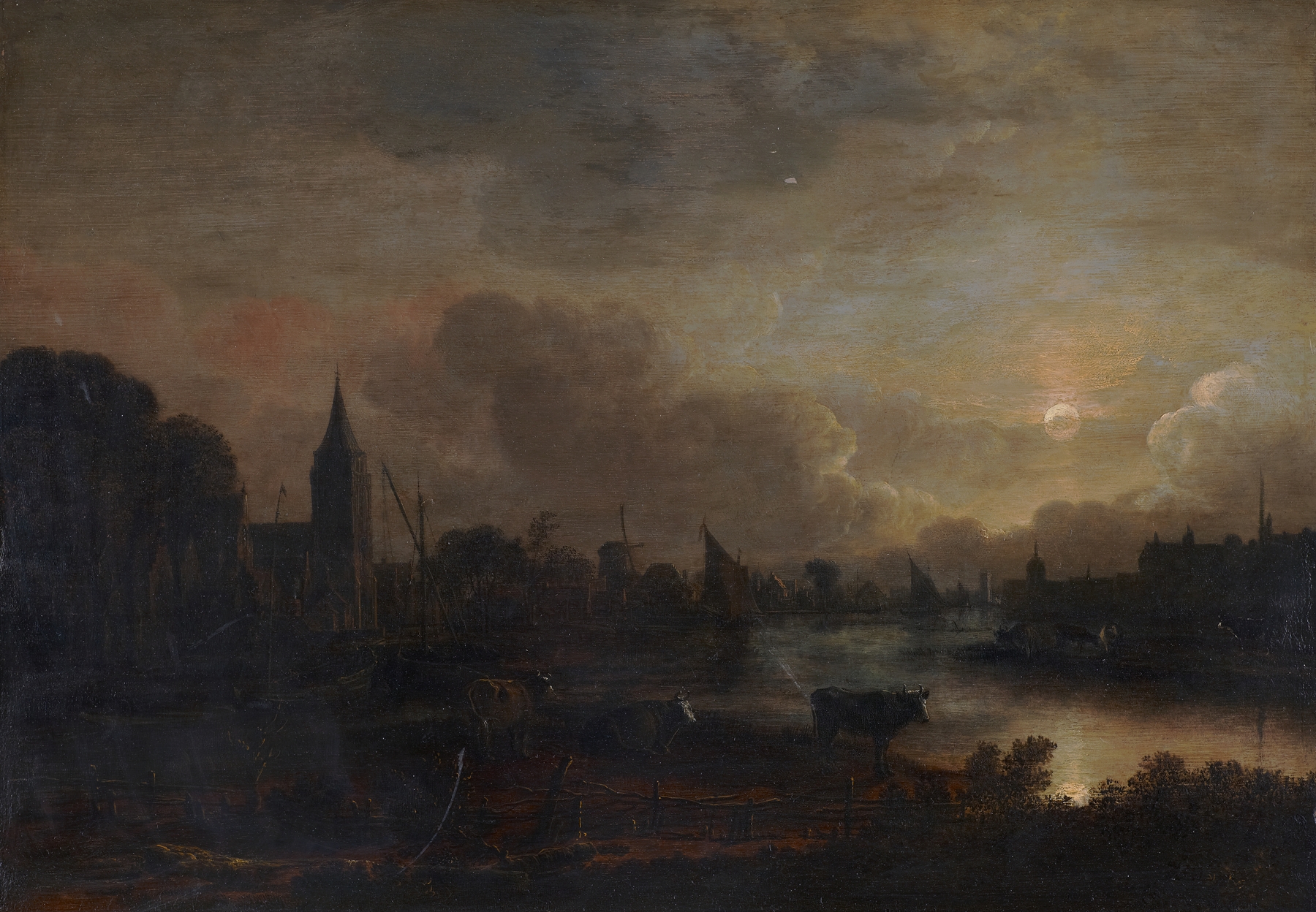
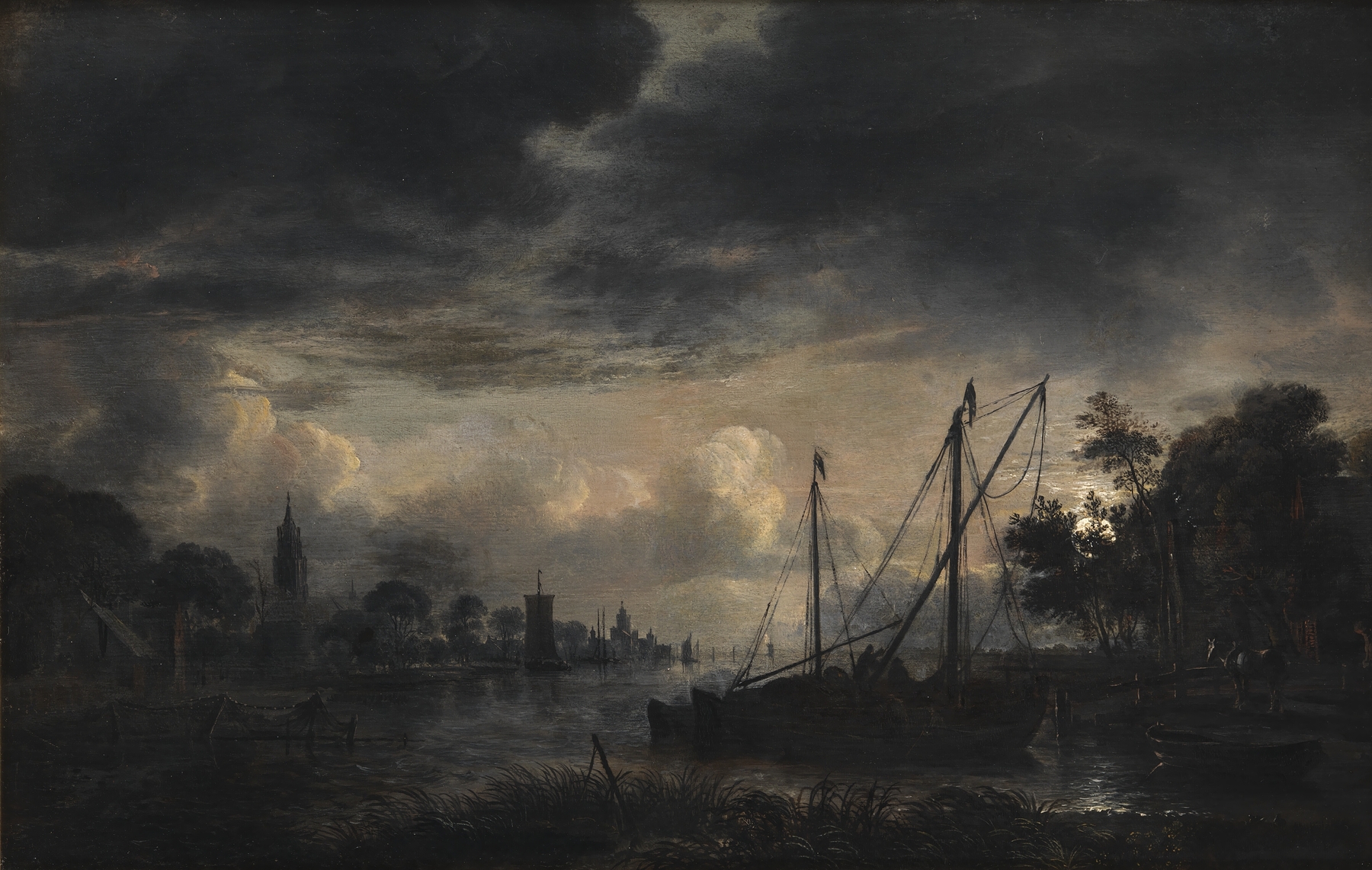
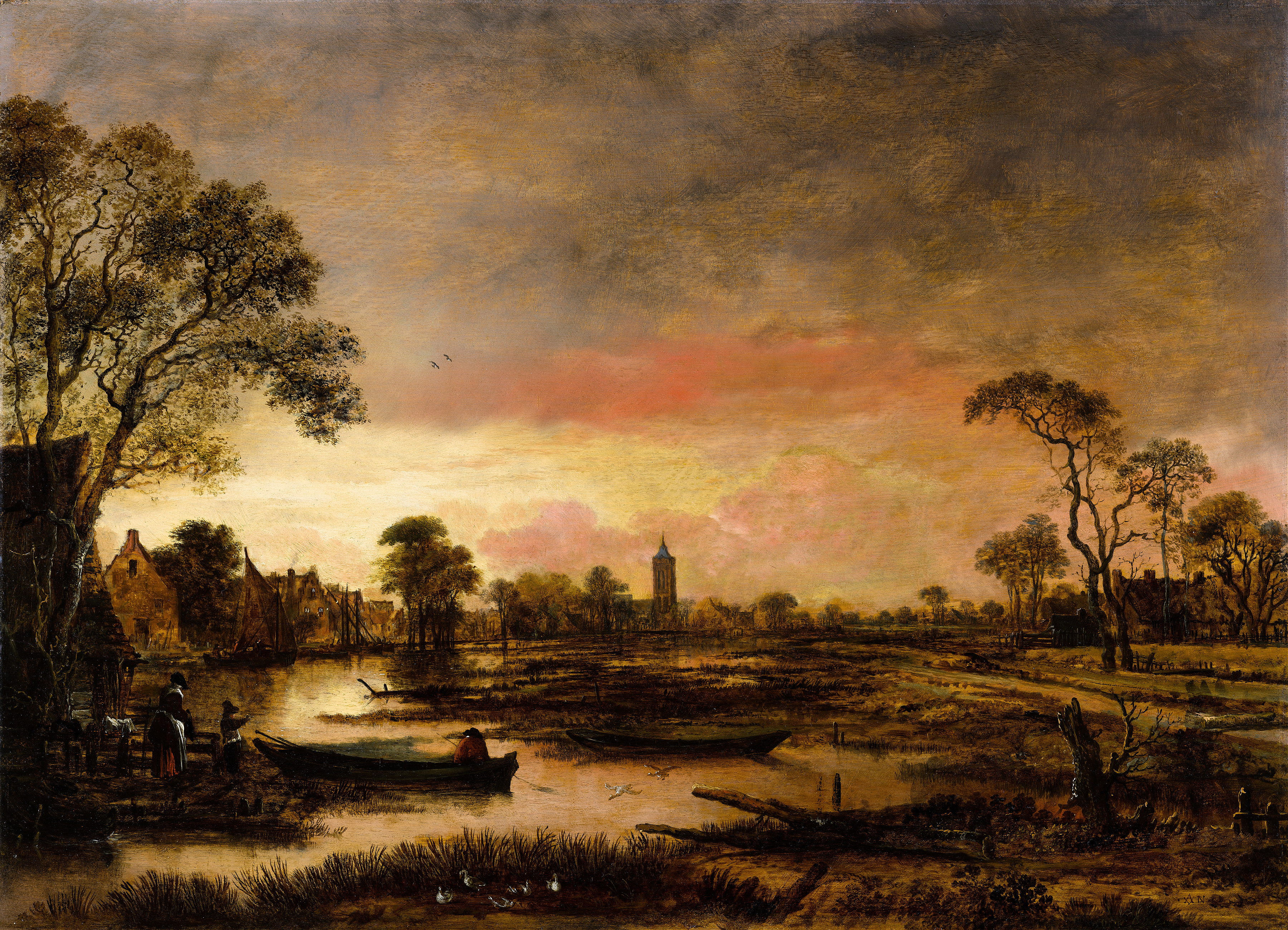
“To paint is to remember what time wants us to forget.” In the embrace of twilight, emptiness and stillness coalesce, inviting us to ponder the quiet moments that often elude us. Look closely at the horizon where the soft hues of dusk meld into one another—deep indigos kiss the fading oranges, while a whisper of mist rises from the canal's surface. The gentle reflections of the sky dance upon the water, creating a serene mirror that challenges our perception of reality. The subtle brushwork captures the essence of light and shadow, leading the eye toward the silhouetted trees that stand sentinel along the banks, framing a scene steeped in a haunting tranquility.
In this artwork, the contrast between the vibrant sky above and the darkening water below evokes a profound sense of melancholy and solitude. The emptiness of the landscape speaks to the transient nature of time, reminding us of the beauty found in moments of quiet reflection. Each stroke seems to hold a story of longing, where the distant figures walking along the canal may represent the passage of lives intertwined with the eternal, yet fleeting, cycle of day and night.
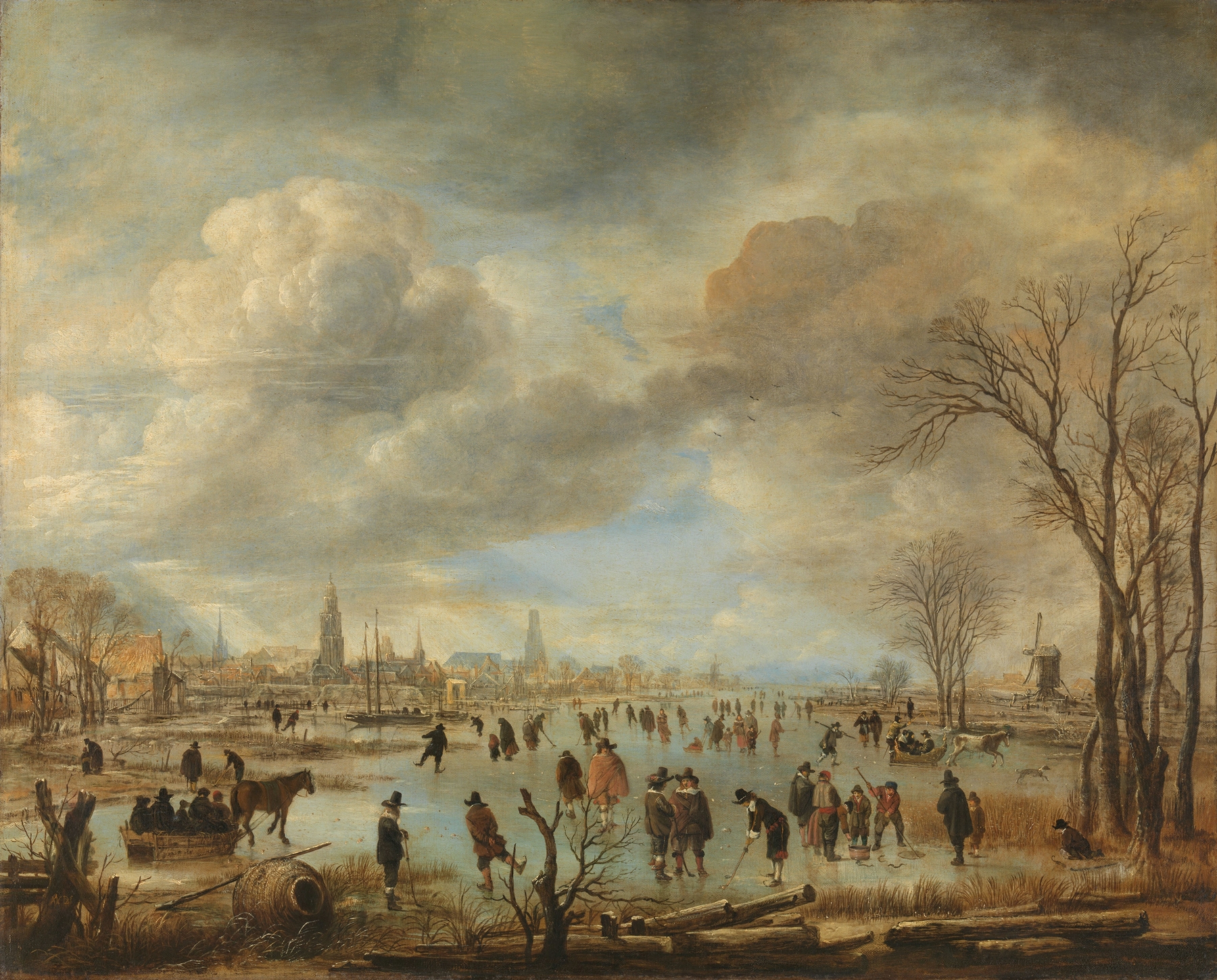
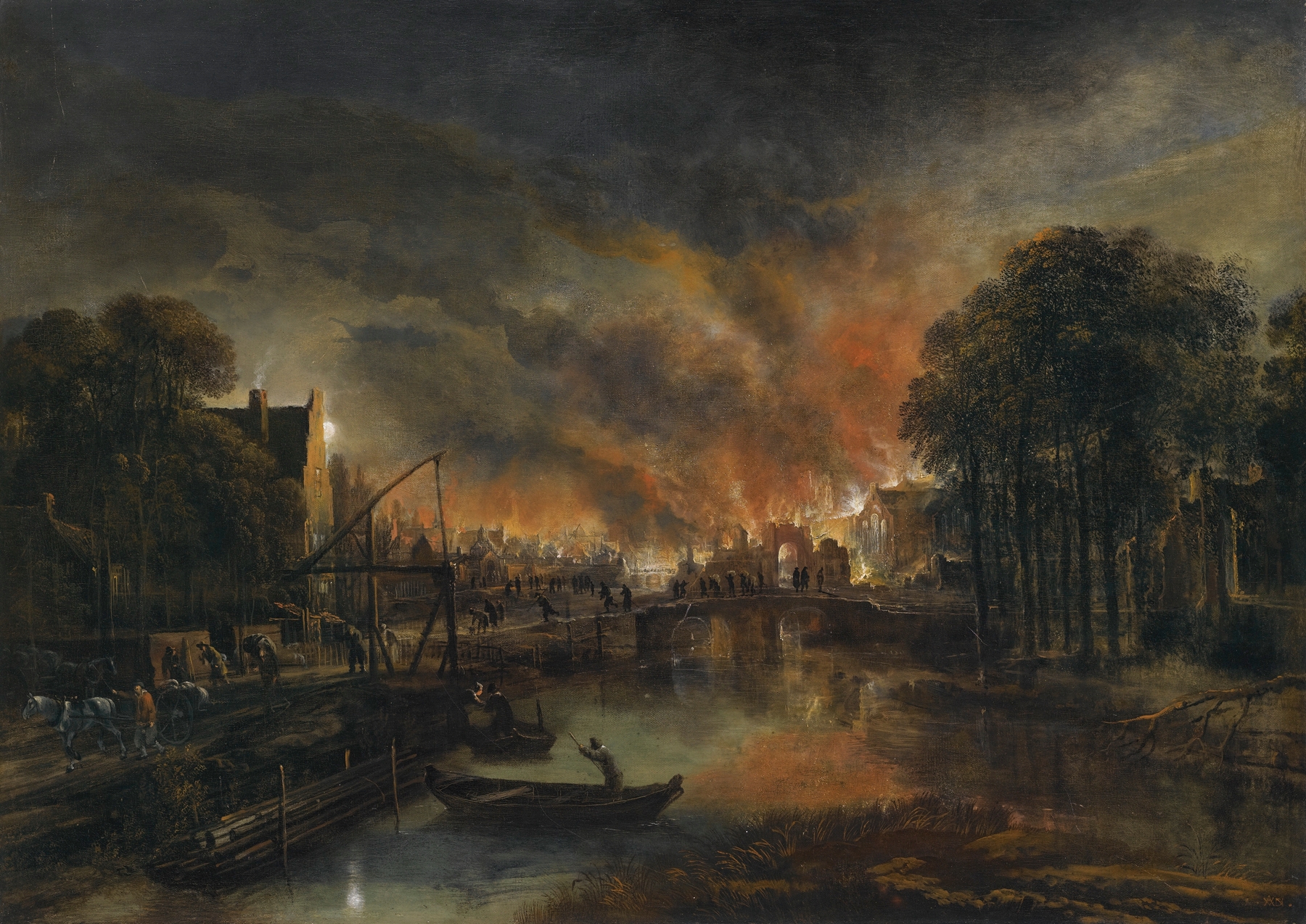
During the years between 1660 and 1670, Aert van der Neer created Landscape with Canal at Dusk amidst the flourishing of Dutch landscape painting, a genre celebrating the natural world and its fleeting beauty. He was known for his mastery in depicting atmospheric effects and play of light, a skill that resonated with the artistic movements of his time. This period marked a growing interest in capturing the essence of everyday life, as artists increasingly sought to reflect the emotional depths found within the simplicity of their surroundings.