
Landscape with Castle on Riverbank — History & Facts
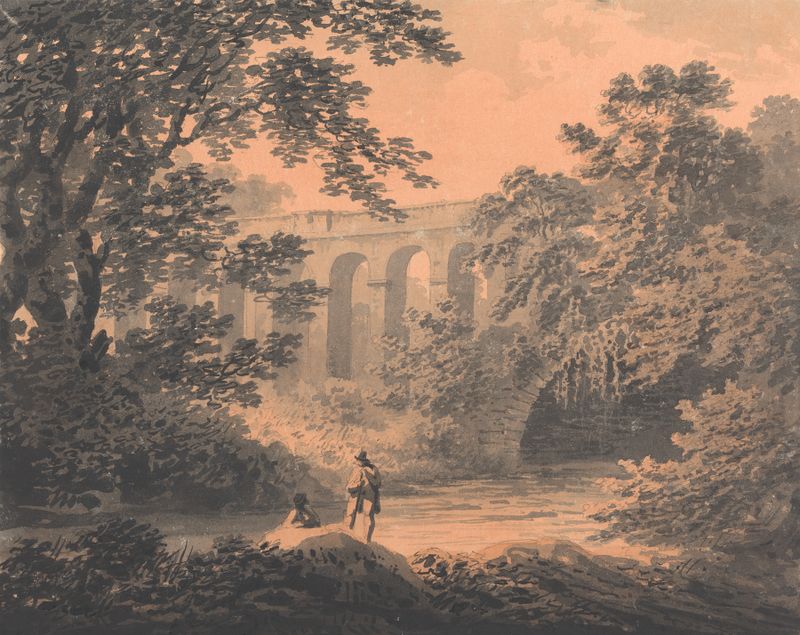
When did color learn to lie? As we gaze at Landscape with Castle on Riverbank, the vivid hues invite us into a dream, but behind that charm lurks a deeper sense of betrayal. Look to the left at the castle, its sturdy towers reaching towards the sky, exuding an aura of strength amid the gentle lapping of the river. The artist’s brushstrokes create a striking contrast between the delicate water’s surface and the solid, imposing structure above. Notice how the vibrant greens of the foliage cradle the scene, yet shadows run long, suggesting the encroachment of uncertainty.
The palette, rich and varied, enchants yet disorients, leading us to question the authenticity of this pastoral ideal. Beneath the idyllic facade lies a tension that whispers of conflict—a struggle between nature and human ambition. The calm waters reflect the castle, yet their subtle ripples disrupt the image, hinting at fragility beneath stability. Each stroke becomes a metaphor for the duality of existence; beauty can mask treachery, as the castle may represent power but also a forsaken promise.
The very elements that draw us in serve to remind us of the hidden complexities in our own landscapes. William Gilpin painted Landscape with Castle on Riverbank in 1763, during a time when English landscape painting was evolving, reflecting both a burgeoning appreciation for nature and the romantic ideals of the sublime. As he faced the challenges of a changing artistic landscape—where the natural world began to be viewed through a lens of emotional depth and narrative—Gilpin sought to capture not just the beauty, but also the implicit tensions that lie within it.
More Artworks by William Gilpin
Browse all →
Bridgnorth Bridge, Shropshire
William Gilpin
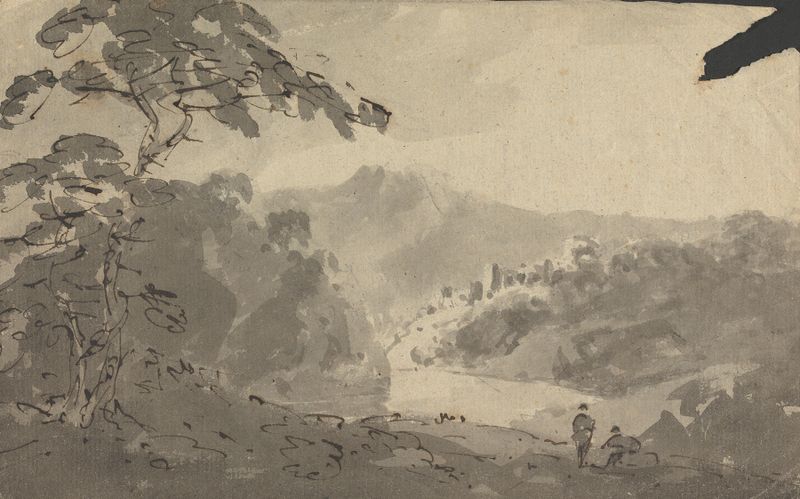
Two Men Looking Into Landscape with Castle, River and Mountain Scene
William Gilpin
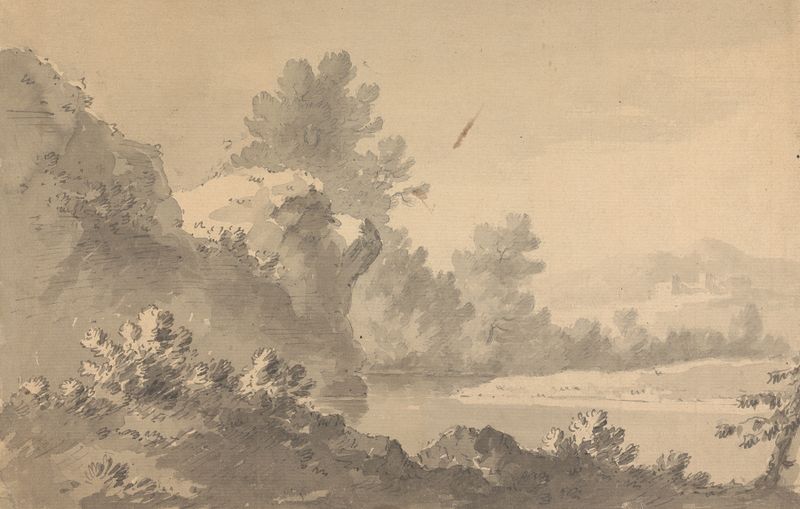
River Landscape with Castle in the Distance
William Gilpin
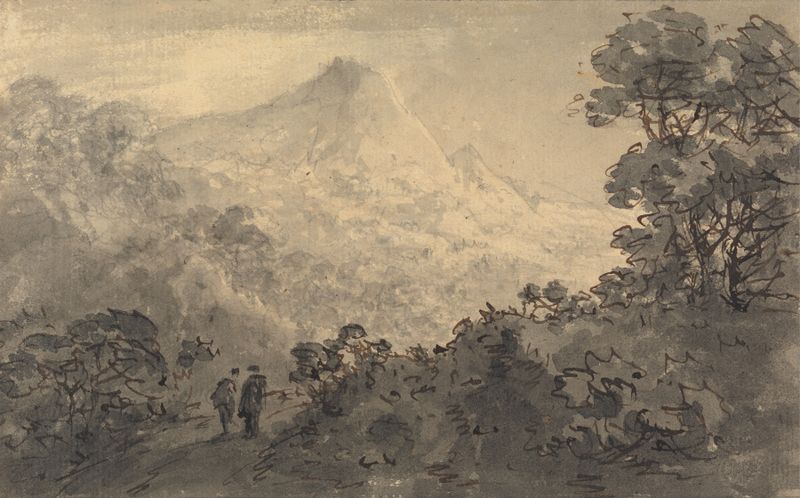
Snowdon
William Gilpin

Hilly Landscape
William Gilpin
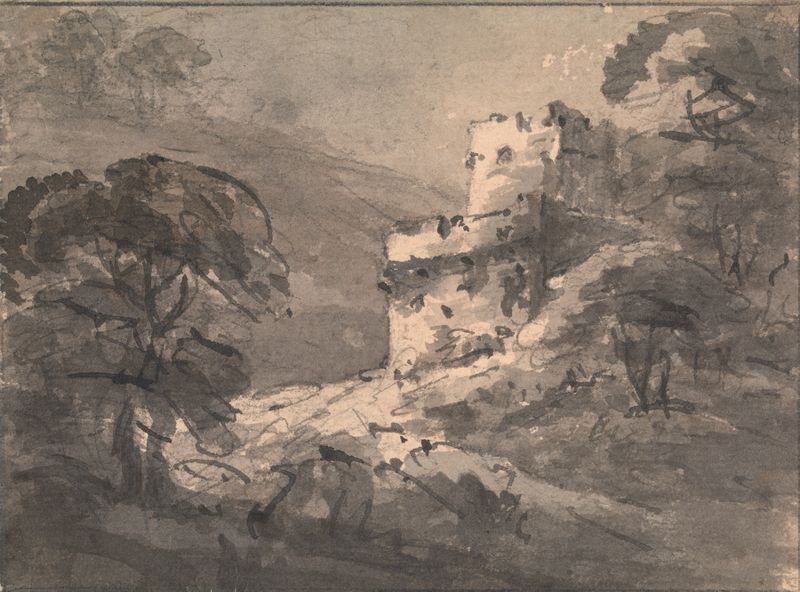
Landscape with a Ruined Castle on the Right
William Gilpin

Mountainous Landscape with Trees – High Crags to the Right
William Gilpin

View of Castle Ruin
William Gilpin
Bridge on the Malton Road from York
William Gilpin

Landscape with Two Trees and Castle
William Gilpin





