Landscape with Dog — History & Analysis
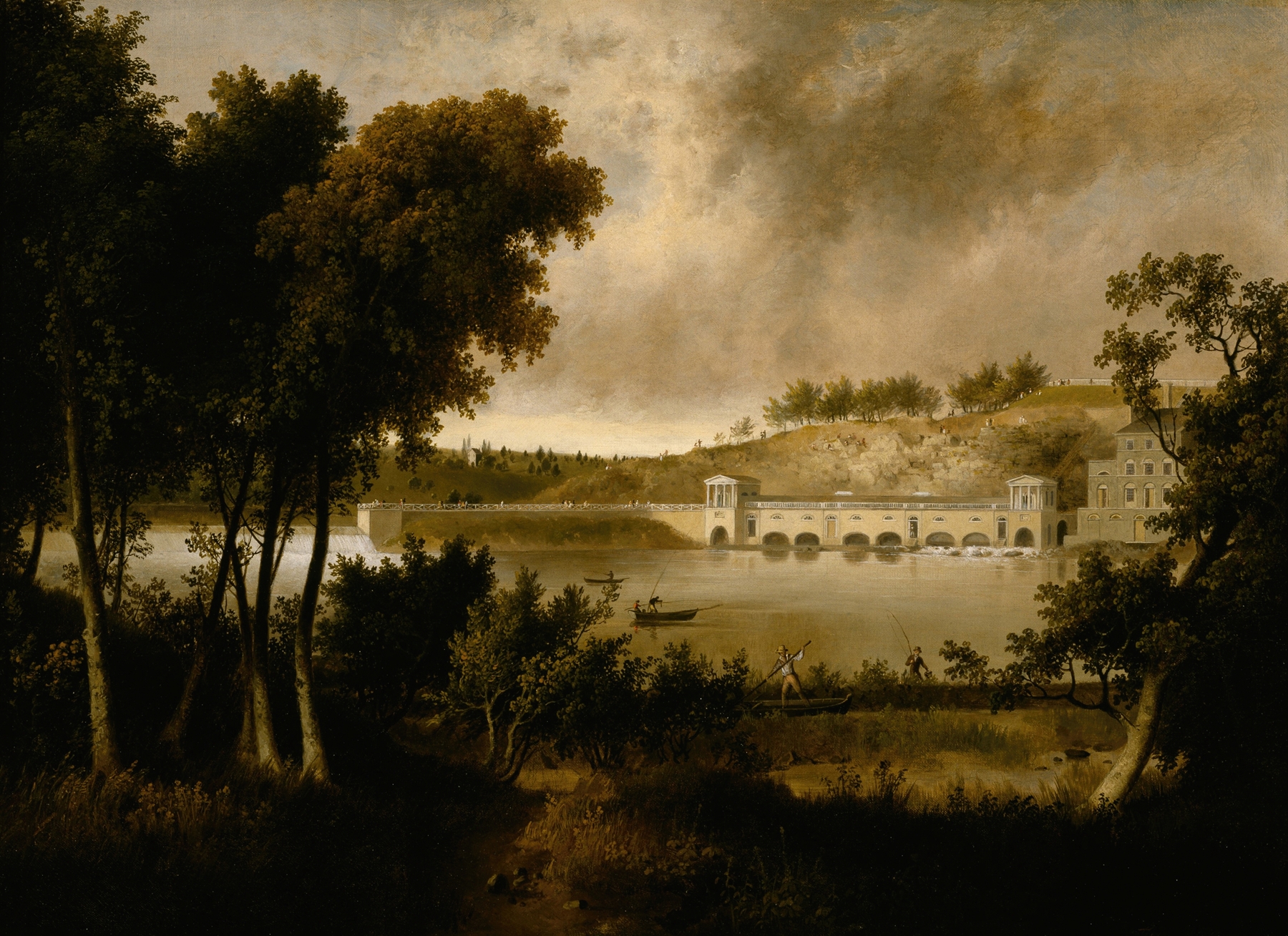
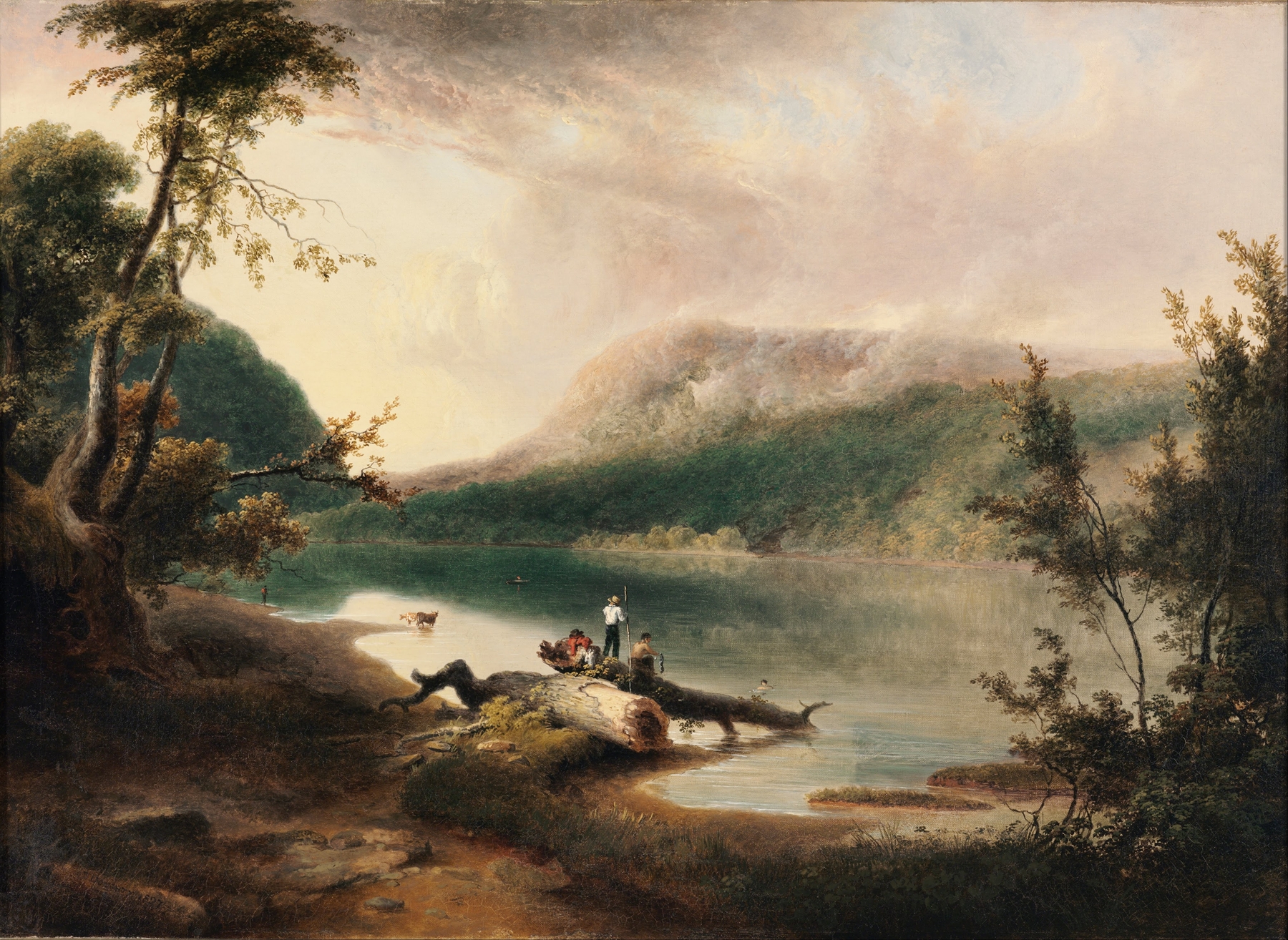
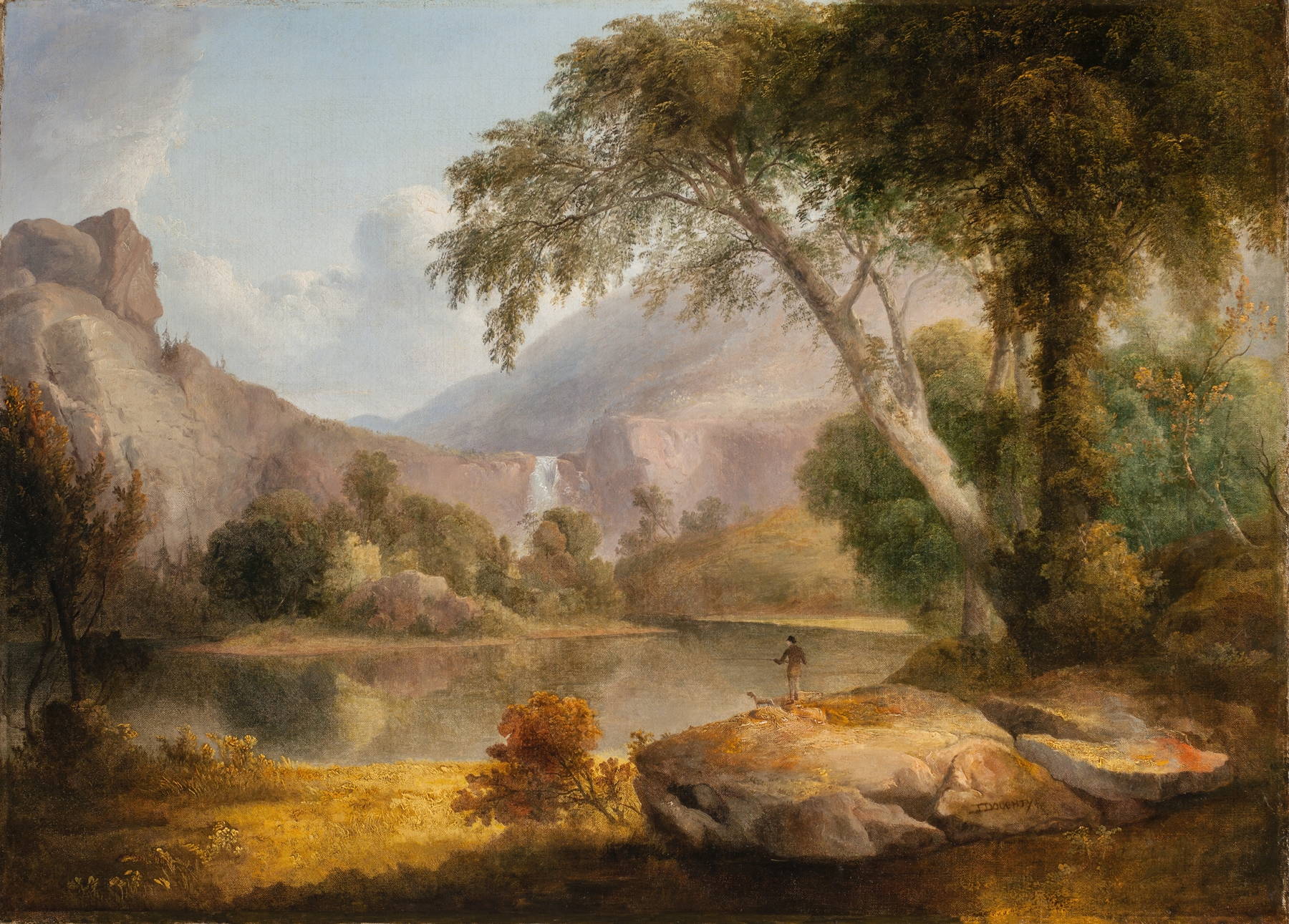
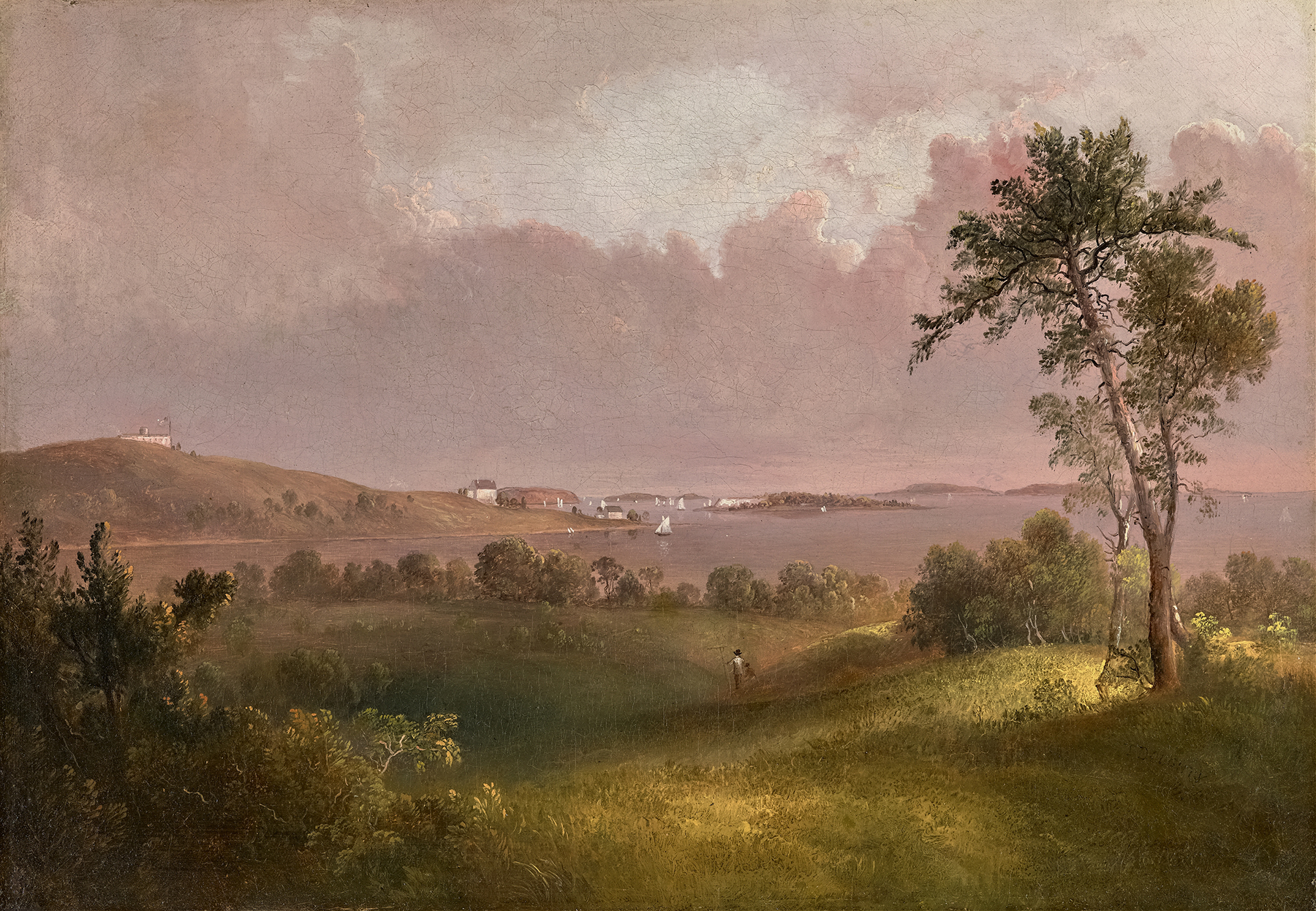
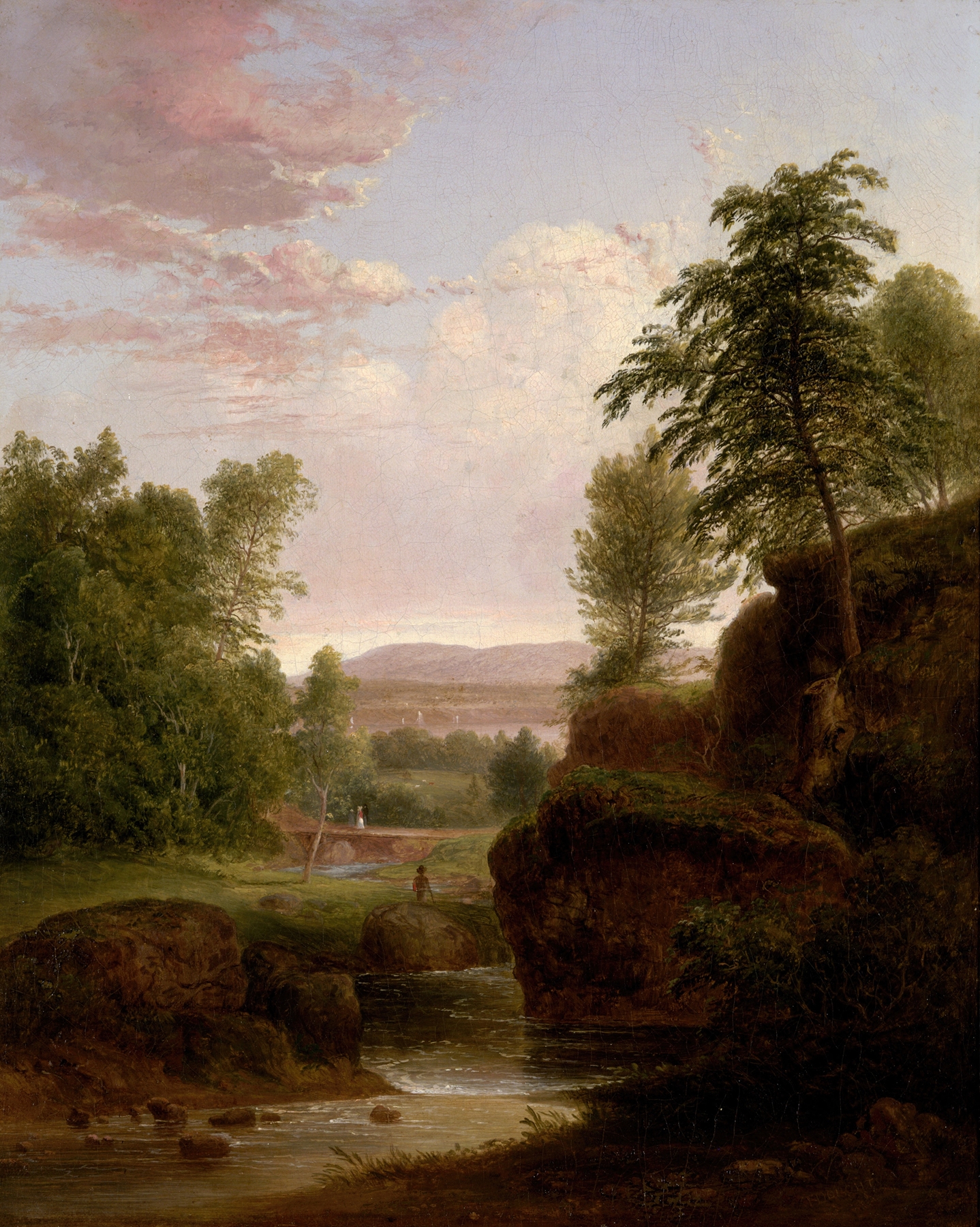
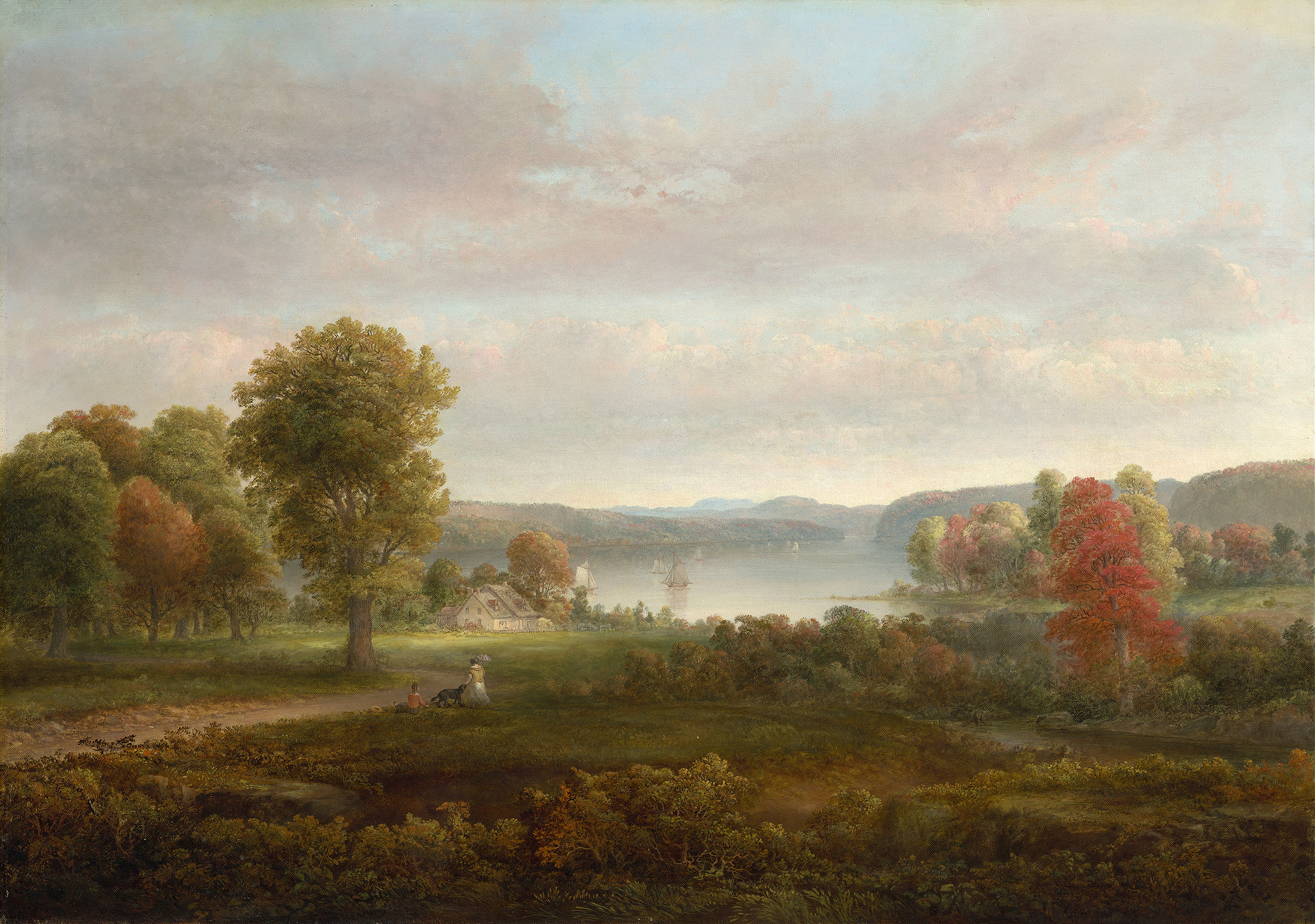
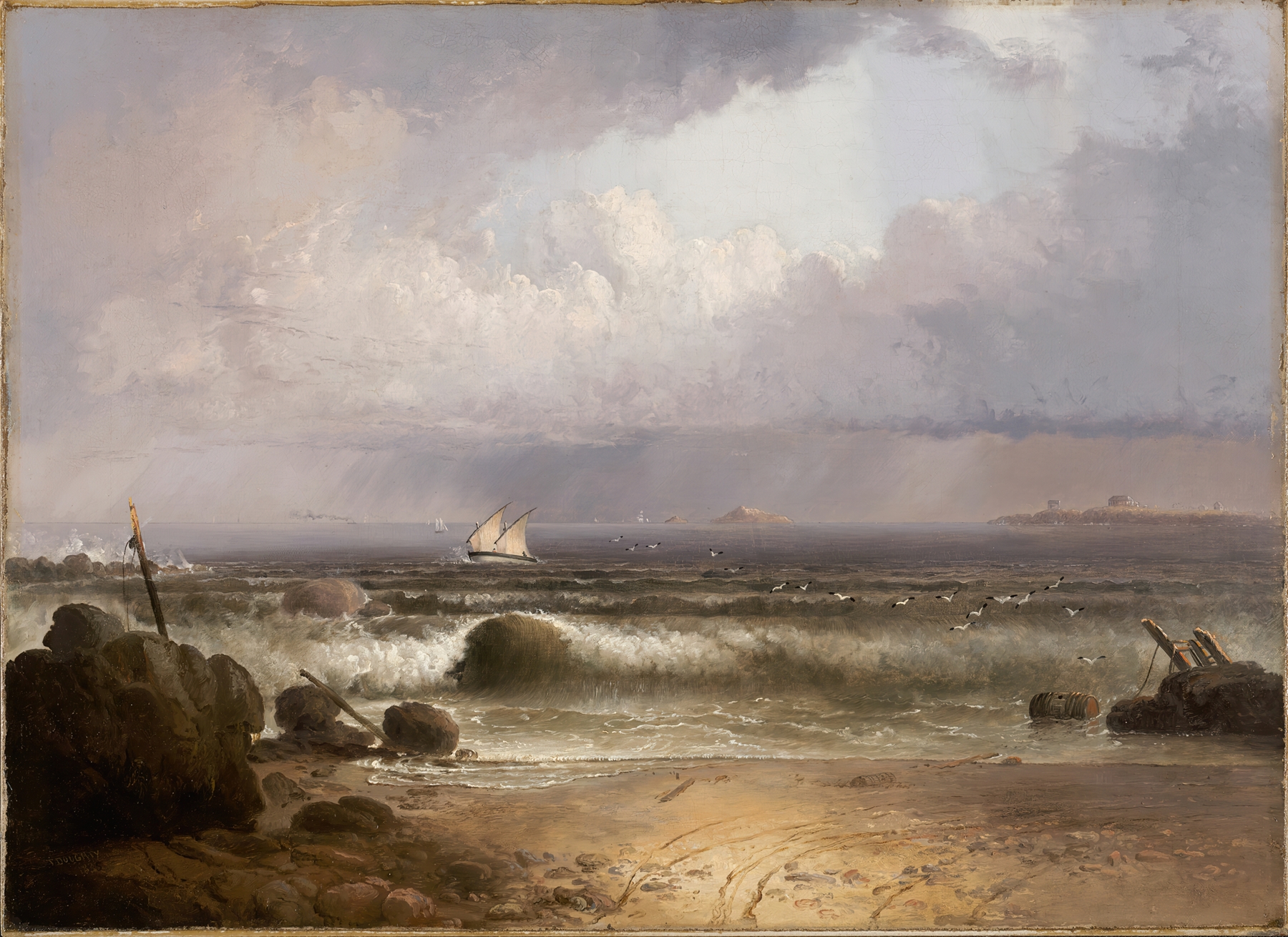
Can paint confess what words never could? In Landscape with Dog, a quiet longing resonates through the soft brushstrokes and subdued hues, beckoning the viewer to explore the depths of solitude. Focus on the gentle slope of the hill that leads the eye towards the horizon, where the fading light dances across the landscape. Notice how the dog, a solitary figure on the left, gazes into the distance, embodying both companionship and the ache of yearning.
The palette of muted greens and browns enhances the atmosphere of contemplation, while wisps of clouds in the fading sky suggest a world that is both beautiful and melancholic. The emotional tension lies in the contrast between the serene natural setting and the sense of isolation experienced by the dog. This juxtaposition invites a reflection on companionship and loneliness, as the dog’s presence suggests a longing for connection amidst the vastness of the landscape. The soft, diffused light wraps the scene in a tranquil yet sorrowful ambiance, implying that even in nature’s beauty, there lies an undercurrent of loss.
In 1832, Thomas Doughty was emerging as a significant figure in American landscape painting, known for his romantic approach to nature. At this time, the country was navigating its identity, transitioning from a young nation to one seeking its cultural voice. Doughty painted this work during a period of artistic experimentation, where the influence of European styles melded with the American experience, allowing for a unique expression of both the external world and internal emotions.