
Landscape with Figures — History & Facts
Did the painter know this moment would outlive them? In Landscape with Figures, a poignant dialogue between nature and humanity begins, encapsulating an ephemeral beauty that eludes permanence yet yearns for remembrance. Look to the left at the gentle curve of the river, where soft strokes of blue and green blend together, creating a tranquil pathway through the scene. The figures, small yet significant, dot the landscape, their presence underscored by the warm, golden light that wraps around them like a tender embrace. Notice how the dappled sunlight filters through the trees, casting playful shadows that dance on the ground, evoking a sense of nostalgia that lingers in the air. At first glance, the harmony of color suggests peace, yet beneath it lies an underlying tension of loss.
The figures appear almost ghost-like, as if caught between worlds, evoking a longing for connections that time has severed. The wildflowers in the foreground nod gently, their vibrancy contrasting with the looming shadows cast by the towering trees, reminding us of the fleeting nature of all things beautiful. This delicate interplay of light and shadow speaks to the artist’s inner struggle with the passage of time and the inevitable loss that accompanies it. Created around 1870, this work emerged during a period of personal turmoil for the artist, who was wrestling with his identity and place within the evolving art scene.
Working in France amidst the rise of Impressionism, Diaz de la Peña sought to capture the essence of nature through his distinctive use of vibrant colors and light. In this moment, he both reflected and shaped the sentiments of an era, eternally immortalizing an ephemeral beauty that transcends the constraints of his time.
More Artworks by Narcisse Virgile Diaz de la Peña
Browse all →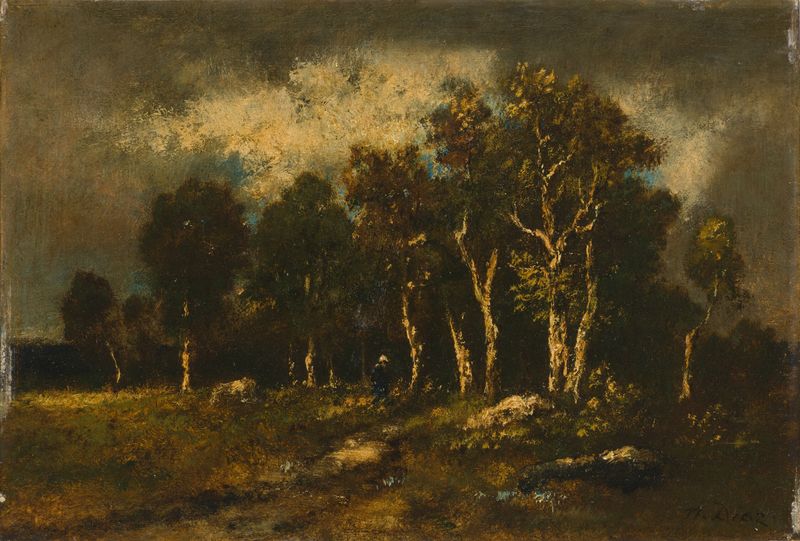
Landscape
Narcisse Virgile Diaz de la Peña

Pond in the Woods
Narcisse Virgile Diaz de la Peña

Le Malefice
Narcisse Virgile Diaz de la Peña

Nymph Tormented by Cupid
Narcisse Virgile Diaz de la Peña
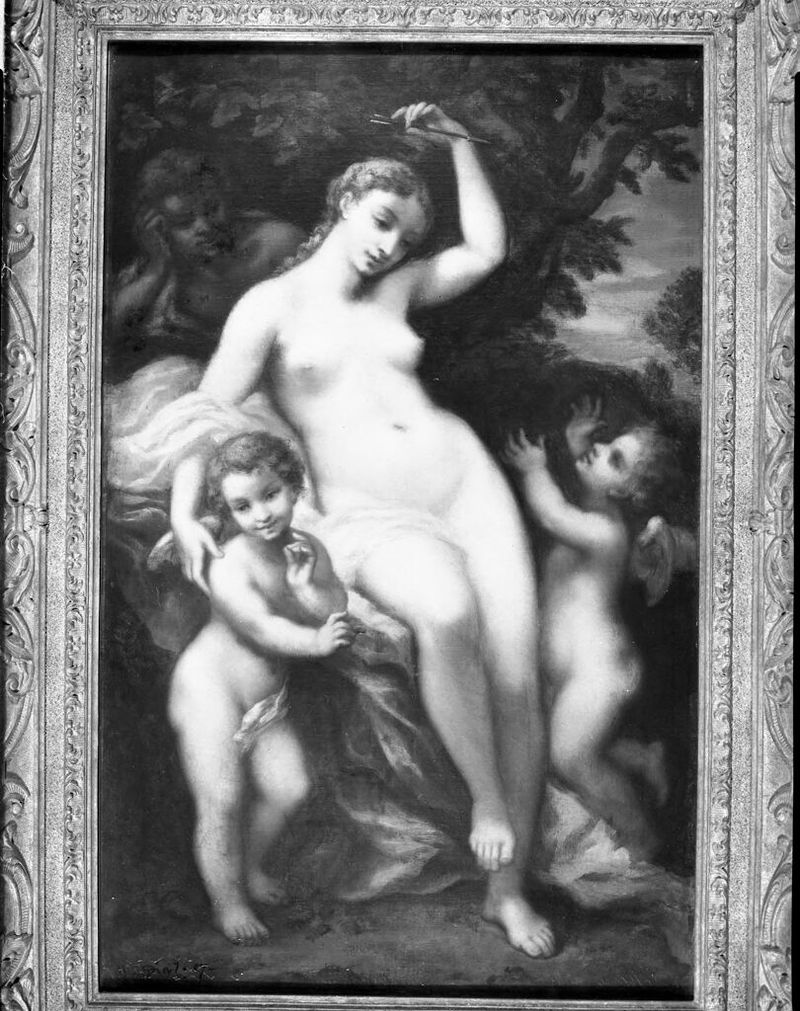
Venus Disarming Cupid
Narcisse Virgile Diaz de la Peña

Education of Cupid
Narcisse Virgile Diaz de la Peña
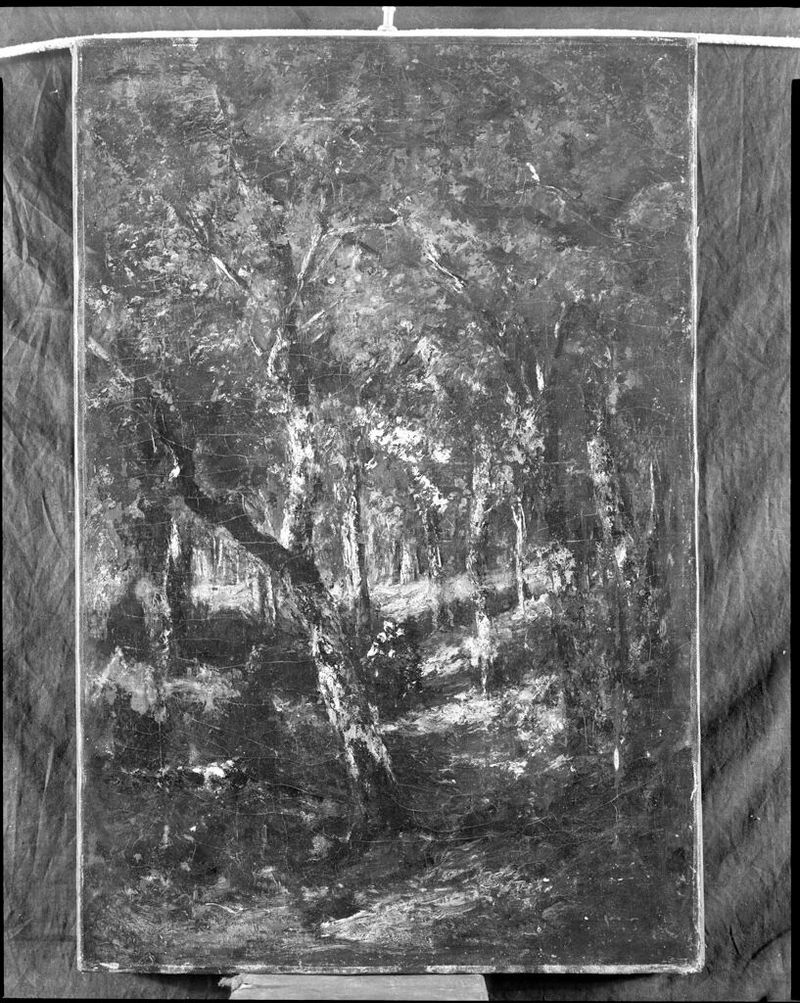
Forest Landscape
Narcisse Virgile Diaz de la Peña
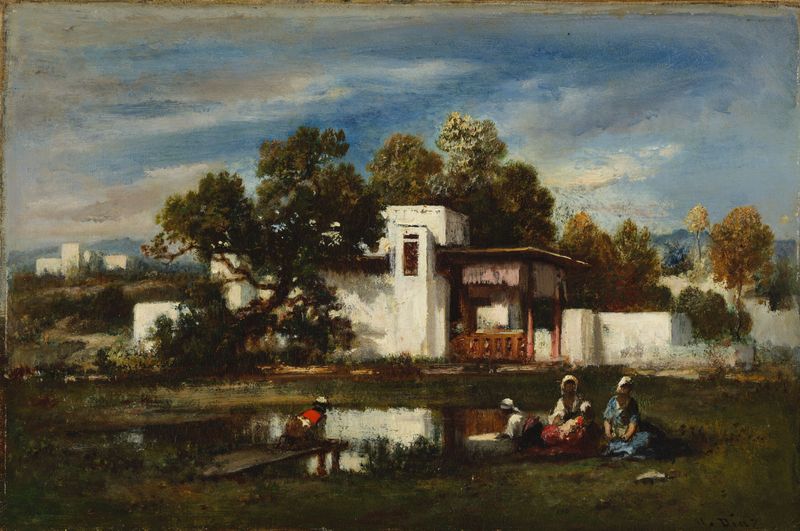
Landscape with Figures
Narcisse Virgile Diaz de la Peña

Three Girls in a Wood
Narcisse Virgile Diaz de la Peña

Three Little Girls
Narcisse Virgile Diaz de la Peña





