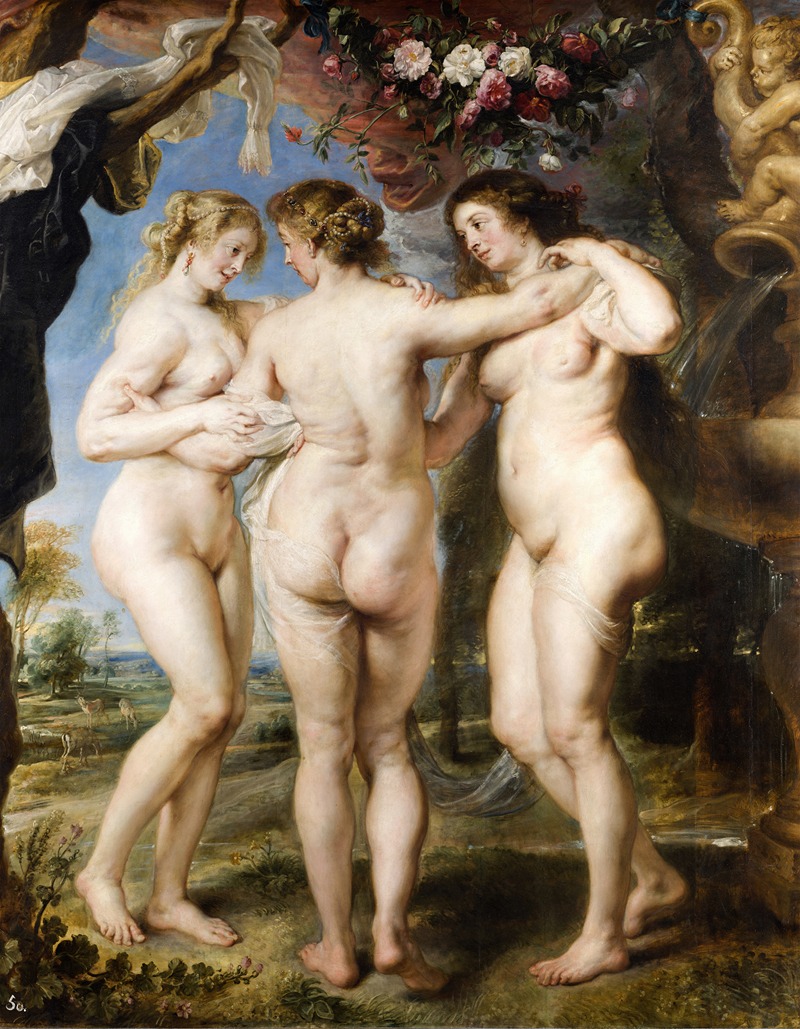
Education of Cupid — History & Facts
Could a single brushstroke hold eternity? In Education of Cupid, the delicate interplay of light and shadow captures the essence of timeless affection and the balance between innocence and experience. Look to the center, where Cupid is enveloped in soft, luminous hues. The gentle warmth of the palette invites the viewer to explore the surrounding figures—an ethereal landscape of enchanting foliage that cradles the divine child. Notice how the brushwork varies; some areas blur into wisps of color, while others define contours with clarity, creating a sense of rhythm.
The light filters down, creating a dappled effect that not only highlights the figures but also evokes a serene atmosphere, harmonizing the warmth of love with the tranquility of nature. In this painting, the duality of love and education emerges. The figures beside Cupid—the mentors—embody wisdom, while their postures and gestures reflect an embracing gentleness. The soft drapery contrasts sharply with Cupid’s playful demeanor, highlighting the tension between naivety and the complexities of emotional growth.
This balance between lightheartedness and earnestness invites contemplation about the journey of love and the lessons it imparts, urging viewers to reflect on their understanding of both. Narcisse Virgile Diaz de la Peña painted this work around 1859 during a period when he was deeply influenced by the Barbizon School, advocating for the beauty of nature and emotive subjects. Living in France, he contributed to a shift in art that celebrated the connection between humanity and the natural world, merging romanticism with realism in a way that continues to resonate today.
More Artworks by Narcisse Virgile Diaz de la Peña
Browse all →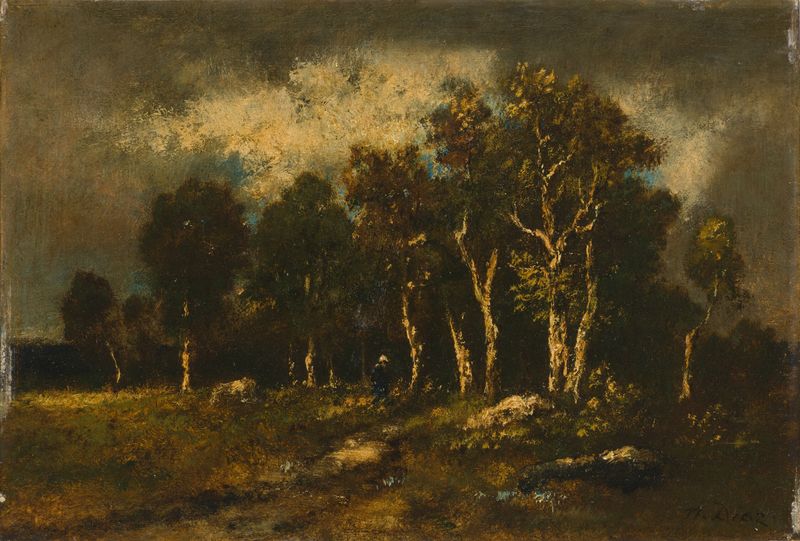
Landscape
Narcisse Virgile Diaz de la Peña

Pond in the Woods
Narcisse Virgile Diaz de la Peña

Le Malefice
Narcisse Virgile Diaz de la Peña

Landscape with Figures
Narcisse Virgile Diaz de la Peña

Nymph Tormented by Cupid
Narcisse Virgile Diaz de la Peña
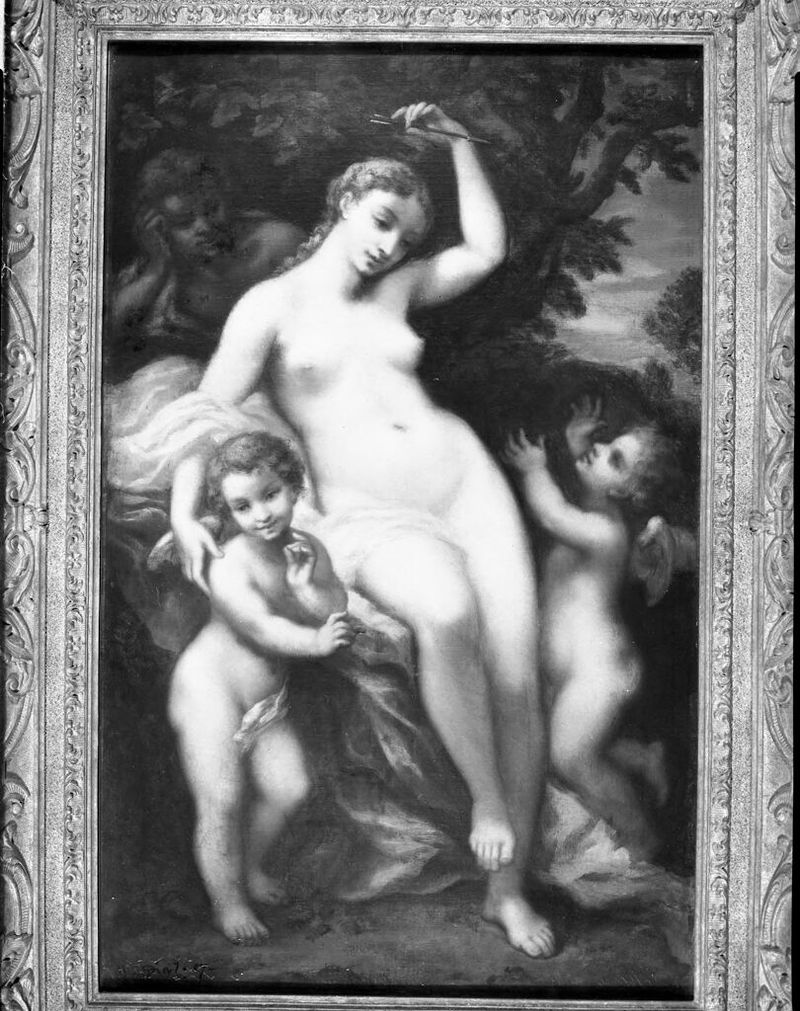
Venus Disarming Cupid
Narcisse Virgile Diaz de la Peña
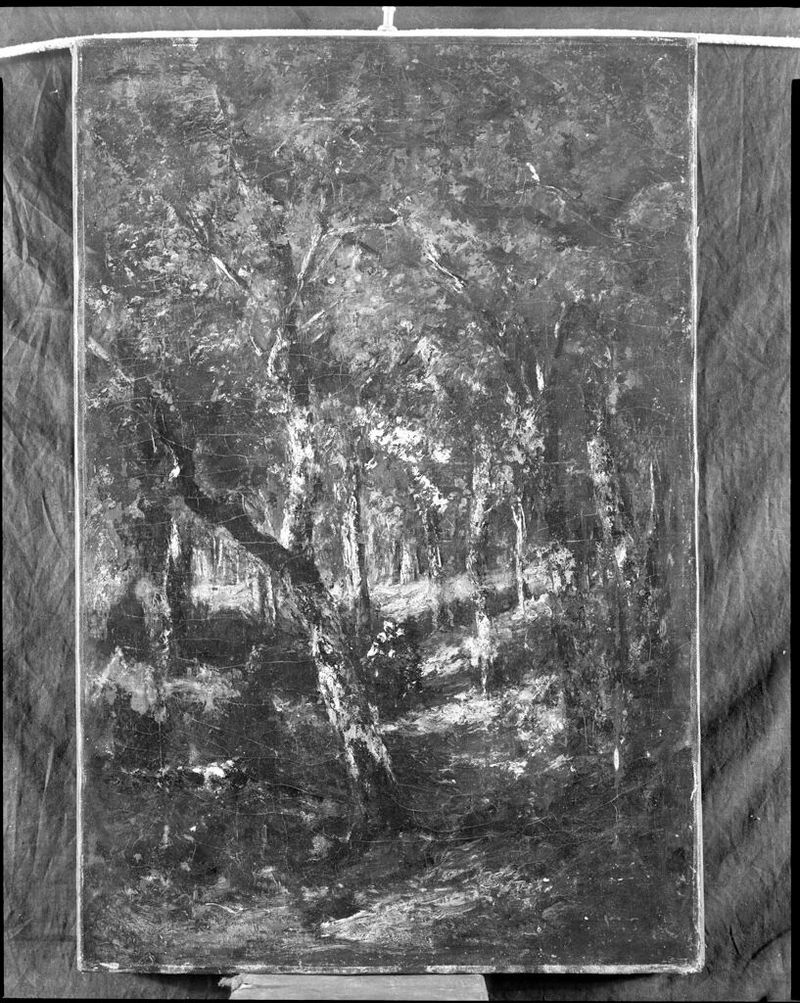
Forest Landscape
Narcisse Virgile Diaz de la Peña
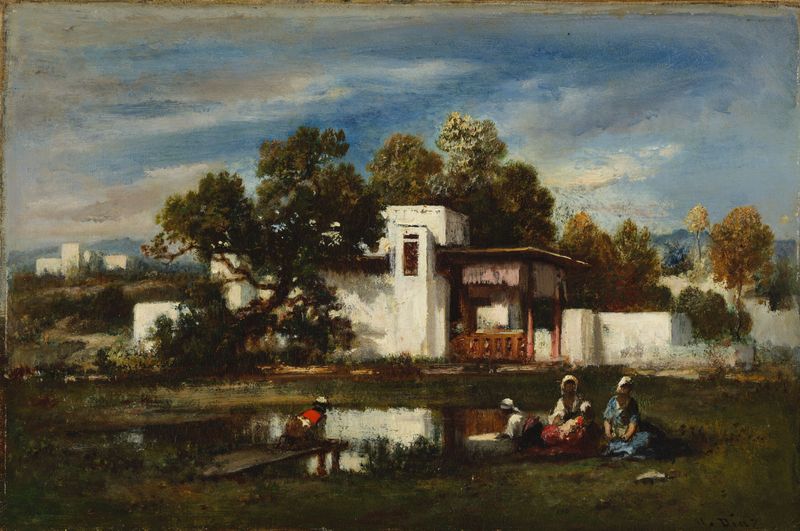
Landscape with Figures
Narcisse Virgile Diaz de la Peña

Three Girls in a Wood
Narcisse Virgile Diaz de la Peña

Three Little Girls
Narcisse Virgile Diaz de la Peña