
Three Little Girls — History & Facts
What if beauty was never meant to be finished? In Three Little Girls, this notion resonates as colors meld and forms dissolve into a dreamlike ensemble of innocence and joy. Look to the left, where the soft hues of the girls’ dresses flutter lightly against the verdant background. The artist masterfully layers dappled sunlight, illuminating the scene with a warm, inviting glow. Notice how the brushstrokes create a sense of movement as the girls frolic, their laughter almost audible in the stillness of the canvas.
The interplay of light and shadow enhances their delicate features, rendering a sense of fleeting time that begs to be savored. Delve deeper into the painting, and you uncover a poignant contrast between childhood exuberance and the inevitable march of time. The three figures, vibrant and alive, embody the purity and transience of youth, yet their postures suggest an awareness of a world beyond their playful reverie. The lush greenery, while luxurious, serves as a reminder of nature’s relentless cycle, underscoring a bittersweet tension that defines the human experience. Created around 1870, during a period marked by the rise of the Barbizon School, the artist found inspiration in the simplicity of rural life and the beauty of unspoiled nature.
Diaz de la Peña, steeped in the Romantic ethos, was drawn to the authenticity of his subjects, seeking not only to capture their likeness but to communicate a deeper truth about existence. This work reflects a pivotal moment in his life, where the exploration of innocence intertwined with the complexities of beauty became central to his artistic journey.
More Artworks by Narcisse Virgile Diaz de la Peña
Browse all →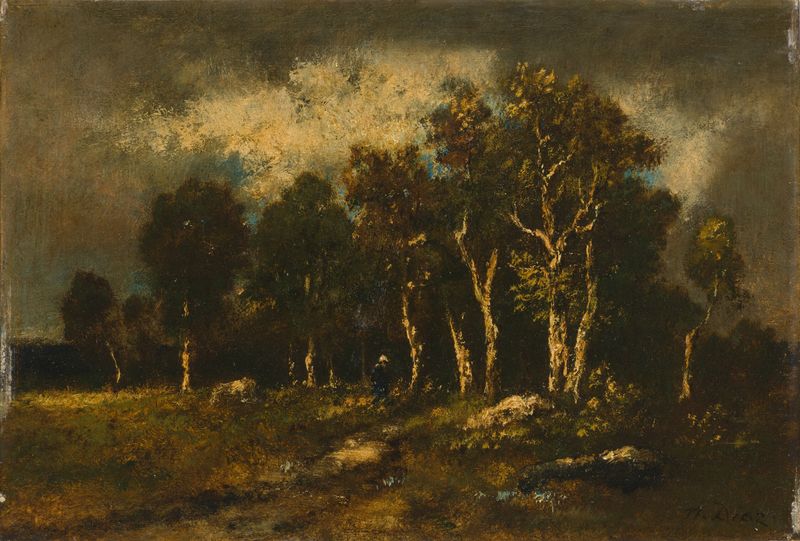
Landscape
Narcisse Virgile Diaz de la Peña

Pond in the Woods
Narcisse Virgile Diaz de la Peña

Le Malefice
Narcisse Virgile Diaz de la Peña

Landscape with Figures
Narcisse Virgile Diaz de la Peña

Nymph Tormented by Cupid
Narcisse Virgile Diaz de la Peña
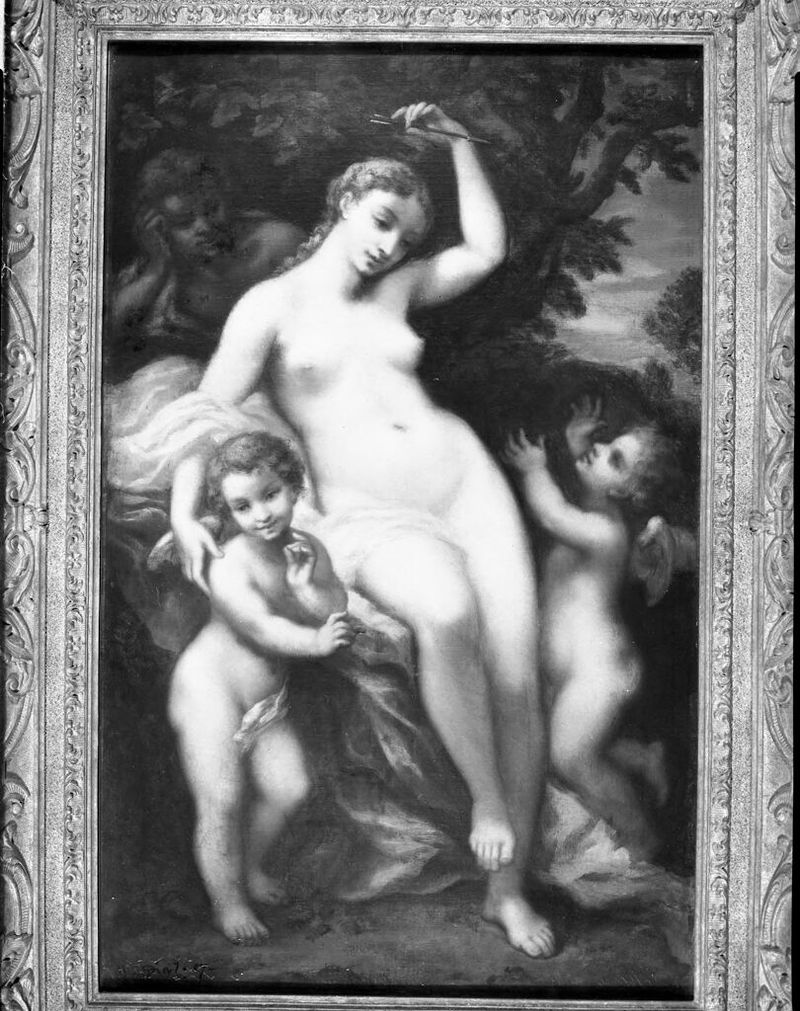
Venus Disarming Cupid
Narcisse Virgile Diaz de la Peña

Education of Cupid
Narcisse Virgile Diaz de la Peña
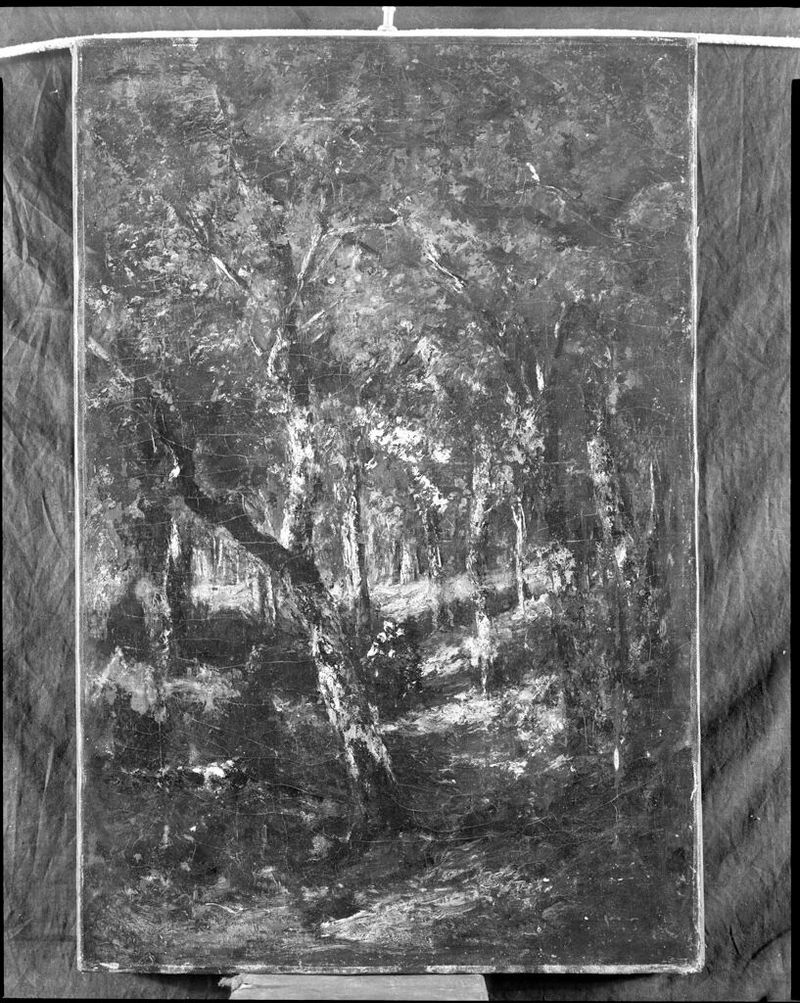
Forest Landscape
Narcisse Virgile Diaz de la Peña
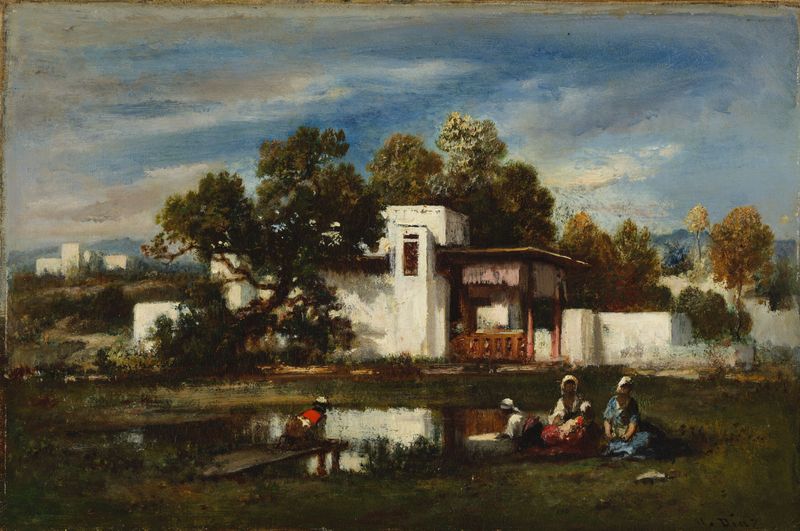
Landscape with Figures
Narcisse Virgile Diaz de la Peña

Three Girls in a Wood
Narcisse Virgile Diaz de la Peña





